
What Manneken Pis is
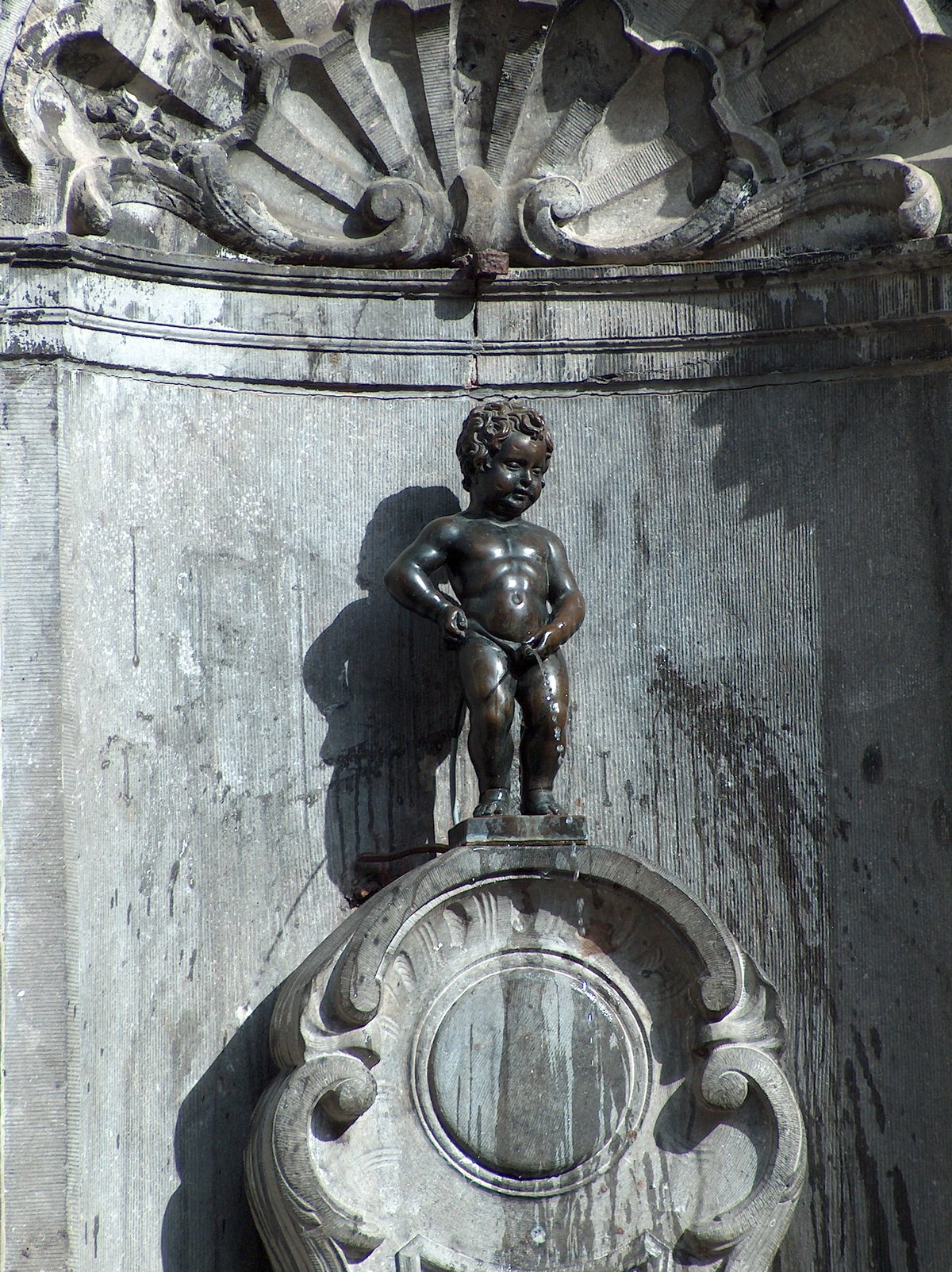
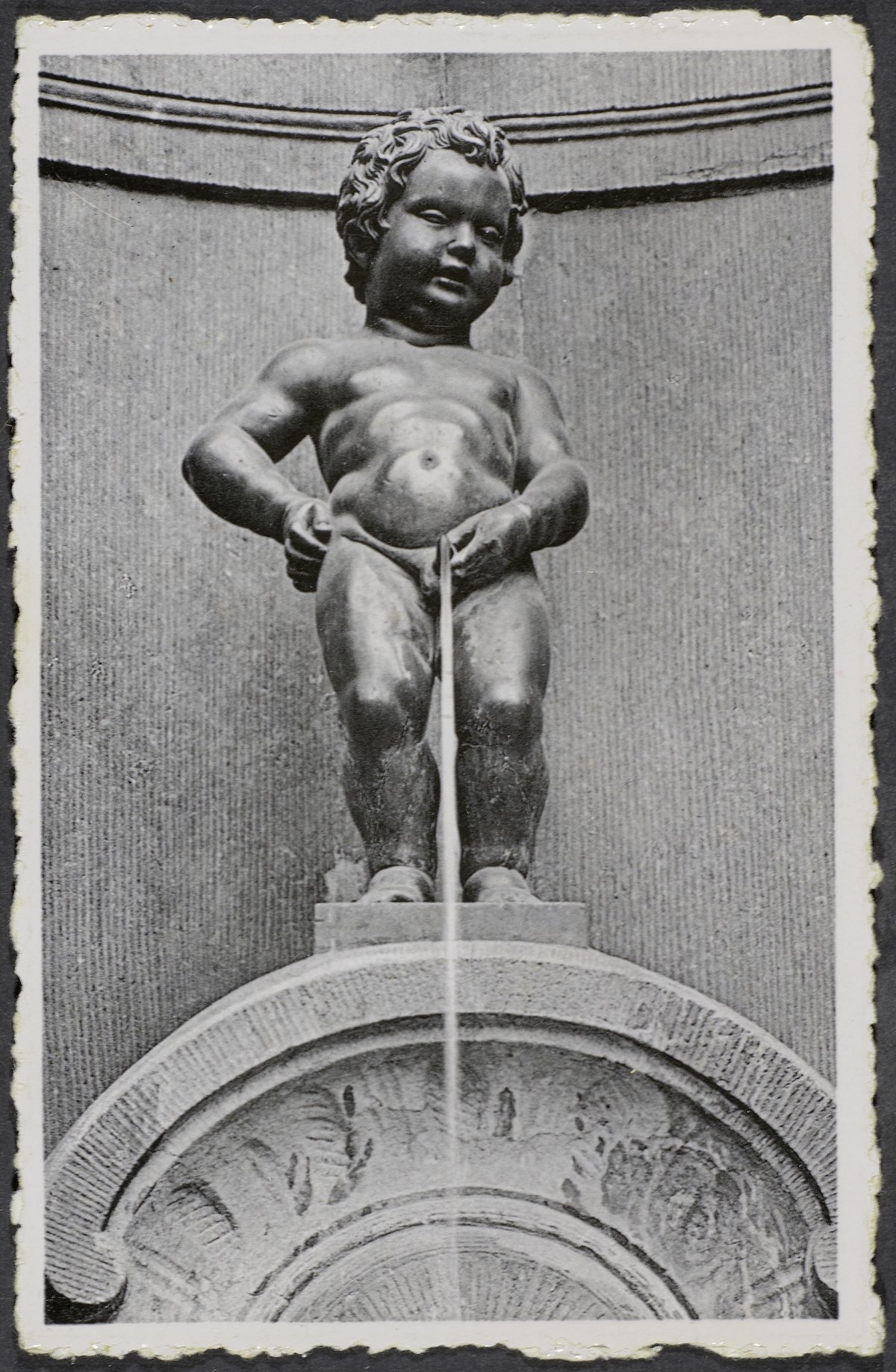
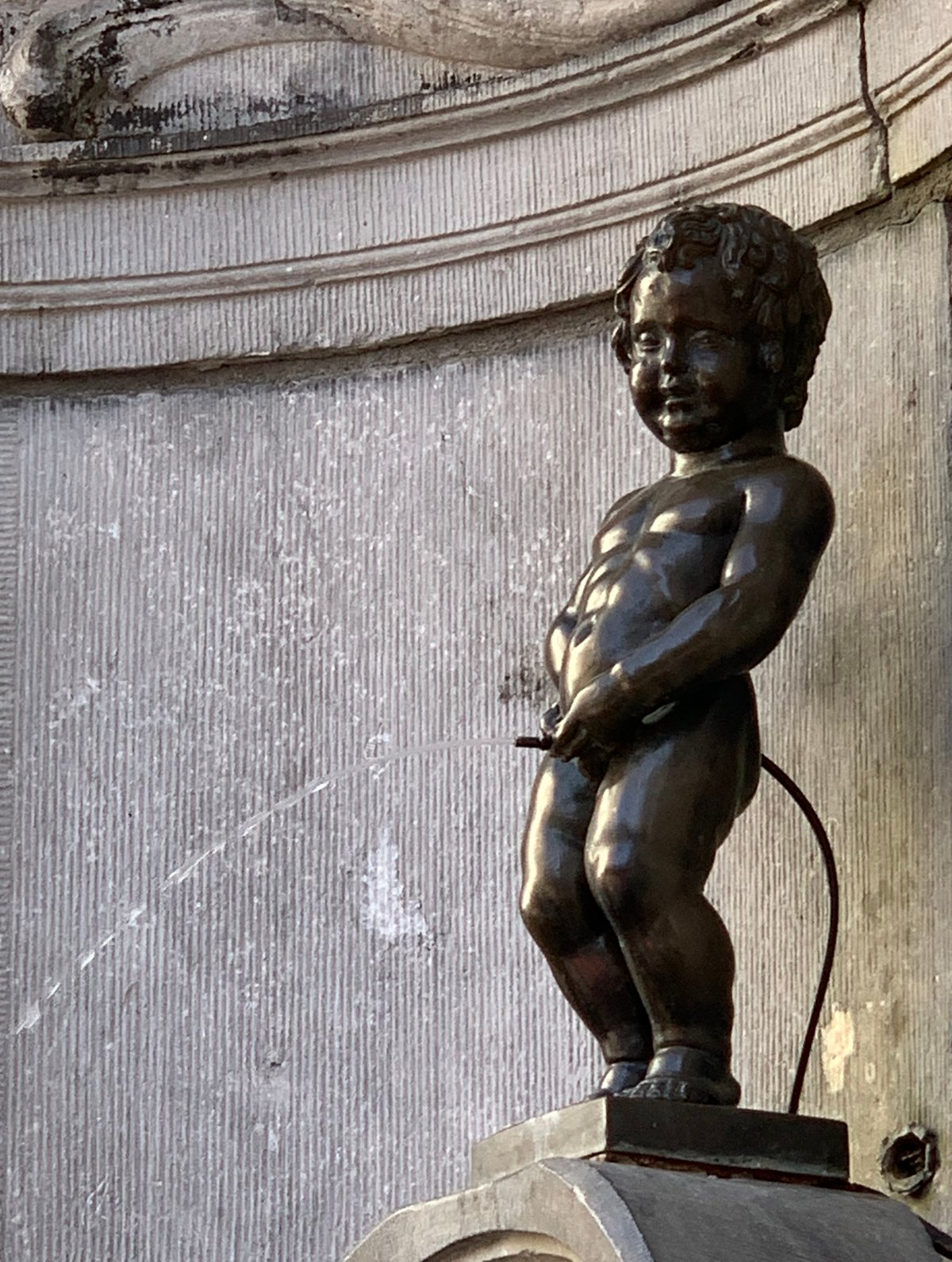
Manneken Pis is a small bronze statue of a boy urinating into a fountain and one of Brussels’ most iconic landmarks. It stands approximately 61 cm (24 inches) tall and is widely regarded as a symbol of the city’s playful, irreverent spirit, humor and resilience. The statue draws visitors from around the world, and its replica continues to attract millions.
History and cultural significance
Commissioned by the city of Brussels, the statue was designed and sculpted by Jérôme Duquesnoy the Elder and installed in 1619. It originally served as a public fountain that provided drinking water to Brussels residents (Visit Brussels).
Several legends explain its origins. One says that a boy saved the city from a fire by urinating on a burning fuse; another says the statue was erected as punishment for a boy caught urinating in a garden (Brussels Museums). A further tale says a boy was turned into a statue by a witch ([Brussels Info](https - //visit.brussels/en/article/manneken-pis)). These stories form part of the statue’s local folklore.
Manneken Pis has survived theft and vandalism, including a theft by French soldiers in the 18th century (Belgium Tourism). To protect the original, it was moved to the Brussels City Museum in 1965 and replaced at the site by a replica. The original is housed in the museum, where it is regularly maintained and cleaned (Brussels City Museum).
The tradition of dressing the statue in costumes is described as beginning in the 18th century. It is also traced to the 17th century: the first recorded costume was gifted by the Elector of Bavaria in 1698. The ceremonial practice can include music and festivities. The wardrobe now contains over 1,000 outfits, displayed in the Brussels City Museum, and costumes are changed several times a week to mark special occasions or honor visiting dignitaries (Manneken Pis Wardrobe; [Manneken Pis Wardrobe](https - //www.brussels.be/manneken-pis-wardrobe)).
Costumes have also been used for political and social commentary. During World War II, the statue wore a soldier’s uniform to honor the Allied forces; more recently, costumes have raised awareness of issues such as climate change and human rights ([Brussels Times](https - //www.brusselstimes.com/)).
The statue’s image appears in films, literature and art, including movies like “The Adventures of Tintin,” and is widely used on souvenirs and merchandise ([Tintin](https - //www.tintin.com/en)). Replicas and imitations can be found around the world, including in Japan, Spain and the United States, where they can represent friendship and cultural exchange ([Atlas Obscura](https - //www.atlasobscura.com/places/manneken-pis)).
What to see
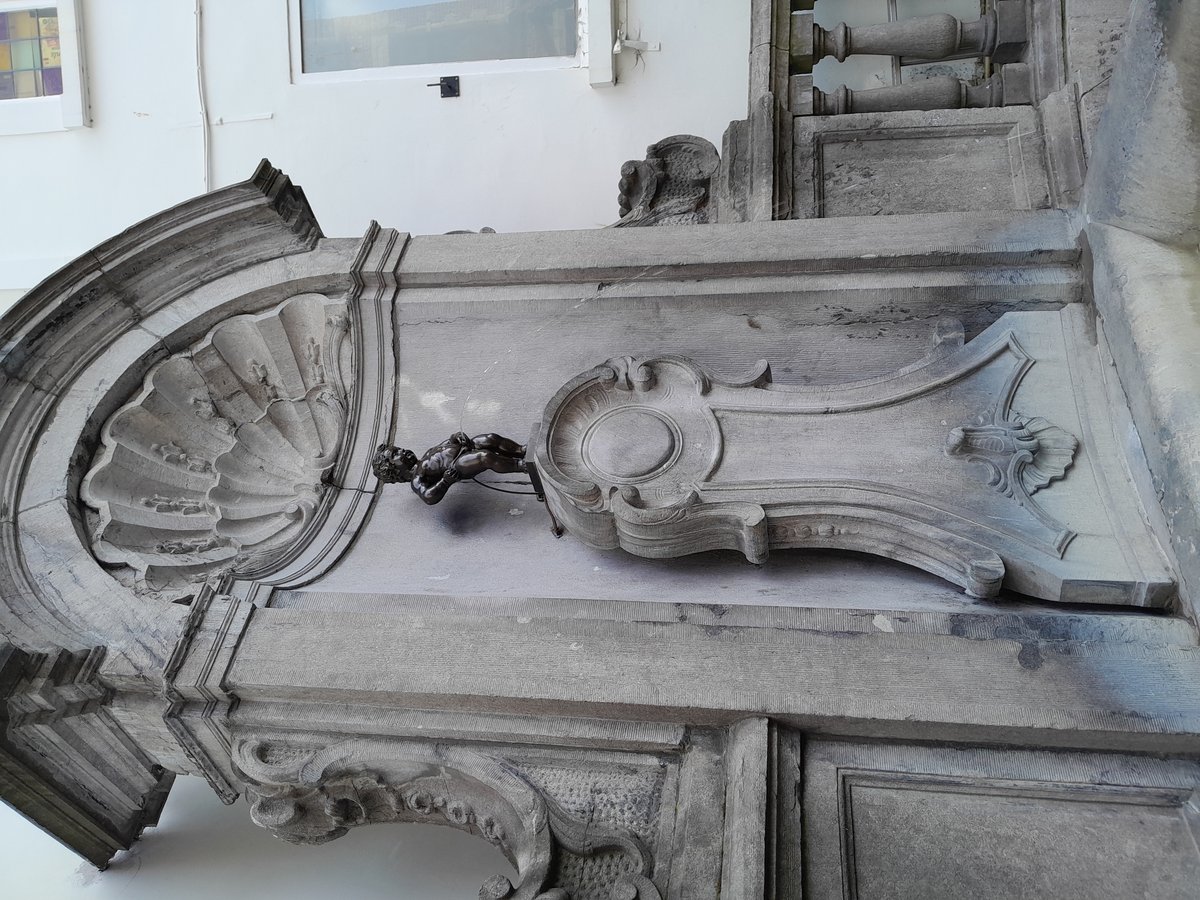
The statue stands at the junction of Rue de l'Étuve/Stoofstraat and Rue du Chêne/Eikstraat. Its small size can surprise first-time visitors.
Manneken Pis is often dressed in costumes for events and holidays. The Ommegang Festival, a historical pageant dating back to the 16th century, includes parades, music and traditional performances; the statue wears a special costume for the festival ([Ommegang Festival](https - //www.ommegang.be/)). During the festival in July, the fountain may also dispense beer instead of water. At the Meyboom Festival, which celebrates the planting of a maypole, a procession passes by the statue.
Practical visiting information
- Hours Manneken Pis is accessible 24/7. It is best viewed during daylight hours, when its details and the surrounding atmosphere are easier to appreciate.
- Admission There is no admission fee to see the statue; it is a public monument. Visiting the Brussels City Museum to see the original statue and its wardrobe may require a ticket. Check the museum’s official website for current pricing and opening hours.
- Location and transport The statue is a short walk from the Grand Place and is accessible on foot from Brussels’ city center. The nearest metro station is Bourse/Beurs on lines 3 and 4, a 5-minute walk away. Buses 48 and 95 stop at Grand Place.
- Tours Many Brussels walking tours include a stop at Manneken Pis. Guided tours are also available and can offer further information about the statue’s history and significance; check local tour operators for availability and booking details.
- Accessibility The area is relatively flat and accessible for wheelchair users, but the streets can be narrow and crowded. Public restrooms are nearby, though not all are wheelchair accessible.
Tips for visiting
Visit early in the morning or late in the evening to avoid crowds; early morning or late afternoon are also suggested as quieter times. If possible, choose a weekday, as weekends tend to be busier with tourists and locals. The area can become congested, so be patient if waiting for a clear view or a photo. Costume changes and special events can be good times to visit; check the [official schedule](https - //www.brussels.be/manneken-pis) for planned costume changes.
For photographs, morning or late-afternoon light is suggested; midday sun can create harsh shadows. Try different angles, including a low angle, or use a longer exposure to blur moving people.
As at other crowded tourist spots, be mindful of your belongings because pickpockets can be an issue. Respect the site by not touching the statue or climbing the fountain for a photo, and follow local guidelines.
Nearby places
- Grand Place A short walk away, this UNESCO World Heritage site is Brussels’ central square, surrounded by opulent guildhalls and the Town Hall.
- Brussels City Museum Nearby; the original Manneken Pis and its wardrobe are displayed there.
- Jeanneke Pis A statue of a little girl urinating, located in Impasse de la Fidélité/Getrouwheidsgang near the Delirium Café.
- Zinneke Pis A statue of a dog urinating at the corner of Rue des Chartreux/Kartuizersstraat and Rue du Vieux Marché aux Grains/Oude Graanmarkt.
- Chocolate Museum Within walking distance.
- Shops and cafés There are souvenir shops near the statue selling replicas, postcards and other memorabilia, as well as chocolate shops including [Pierre Marcolini](https - //eu.marcolini.com/) and [Leonidas](https - //www.leonidas.com/). Nearby restaurants serve Belgian dishes such as moules-frites (mussels and fries), stoofvlees (beef stew) and waffles. Cafés and bars offer places to relax and have a drink; the [Delirium Café](https - //www.deliriumvillage.com/) is known for its extensive beer selection.
FAQ
What is Manneken Pis?
It is a small bronze statue of a boy urinating into a fountain and a symbol of Brussels’ playful spirit, humor and resilience.
When can I visit?
The statue is accessible 24/7. Daylight hours are recommended, while early mornings, late evenings and late afternoons can be quieter.
Do I need a ticket?
No ticket is required to see the statue. A ticket may be required for the Brussels City Museum.
Where is Manneken Pis?
It is at the junction of Rue de l'Étuve/Stoofstraat and Rue du Chêne/Eikstraat, a short walk from the Grand Place.