Historical Background and Naming
Place du Jeu de Balle’s rich history is reflected in its dual name: the French “Jeu de Balle” refers to the ball game originally played here, while the Dutch “Vossenplein” references the Société du Renard locomotive factory that once occupied the site (Wikipedia; Focus on Belgium). Established in 1853, the square was created as part of an urban modernization initiative, providing a public recreational space for the working-class residents of the Marolles.
The area’s names have changed over time, with colloquial titles such as Den  Met (“Old Market” in Brussels dialect) and Loeizemet (“Lice Market”) capturing its evolving function and local color (Focus on Belgium).
The Marolles District and Urban Development
The Marolles district is one of Brussels’ most historic neighborhoods, renowned for its artisan culture and diverse population. In medieval times, craftsmen and workers settled here, shaping a unique community identity that persisted even as the city expanded. The district’s incorporation into Brussels’ urban plan in the 19th century led to the creation of new public spaces like Place du Jeu de Balle, and its working-class spirit remains central to the area’s character (Focus on Belgium; Brussels Museums).
The Evolution of Place du Jeu de Balle Market
From Ball Game to Flea Market
Originally a sports ground for balle pelote, Place du Jeu de Balle quickly found a new vocation. In 1873, the city’s “Old Market” was relocated to the square, establishing the daily flea market that continues today. The market—nicknamed the Marché aux Puces or “Flea Market”—became an institution, attracting an eclectic mix of traders, antique enthusiasts, and bargain hunters (Wikipedia; Flea Market Insiders).
Architectural and Social Landmarks
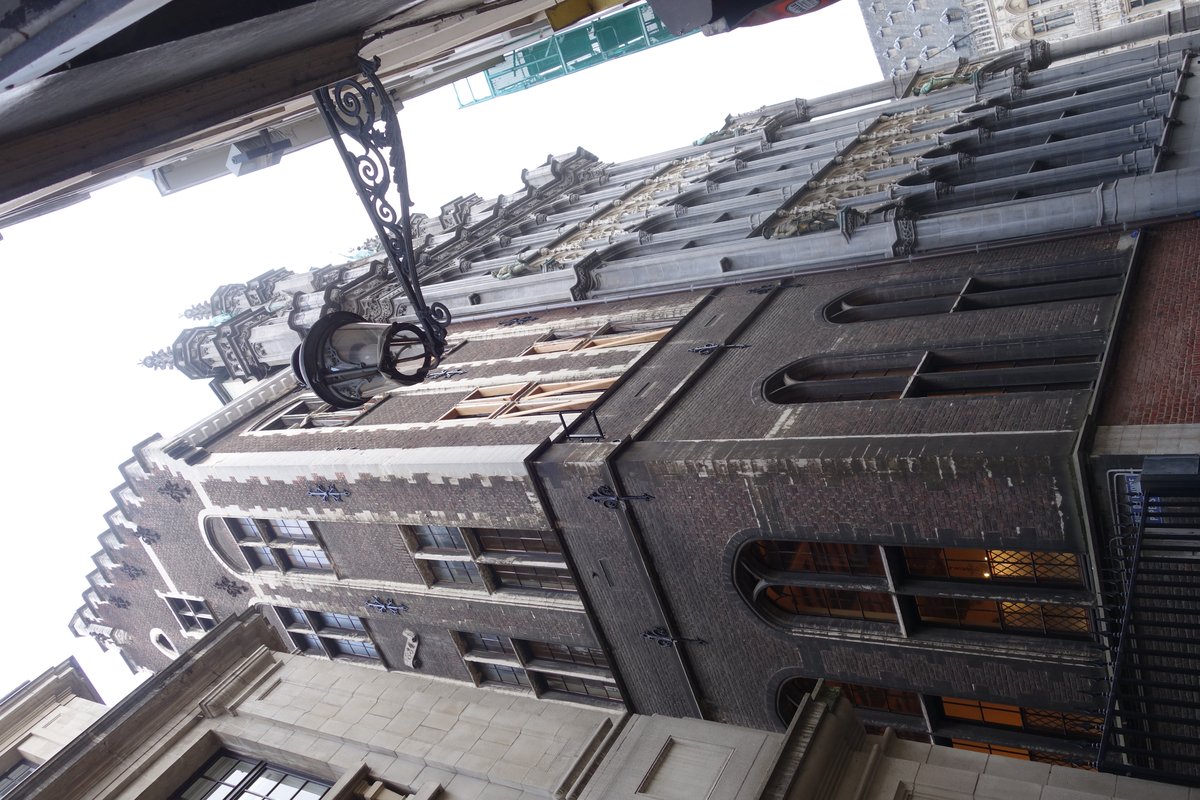
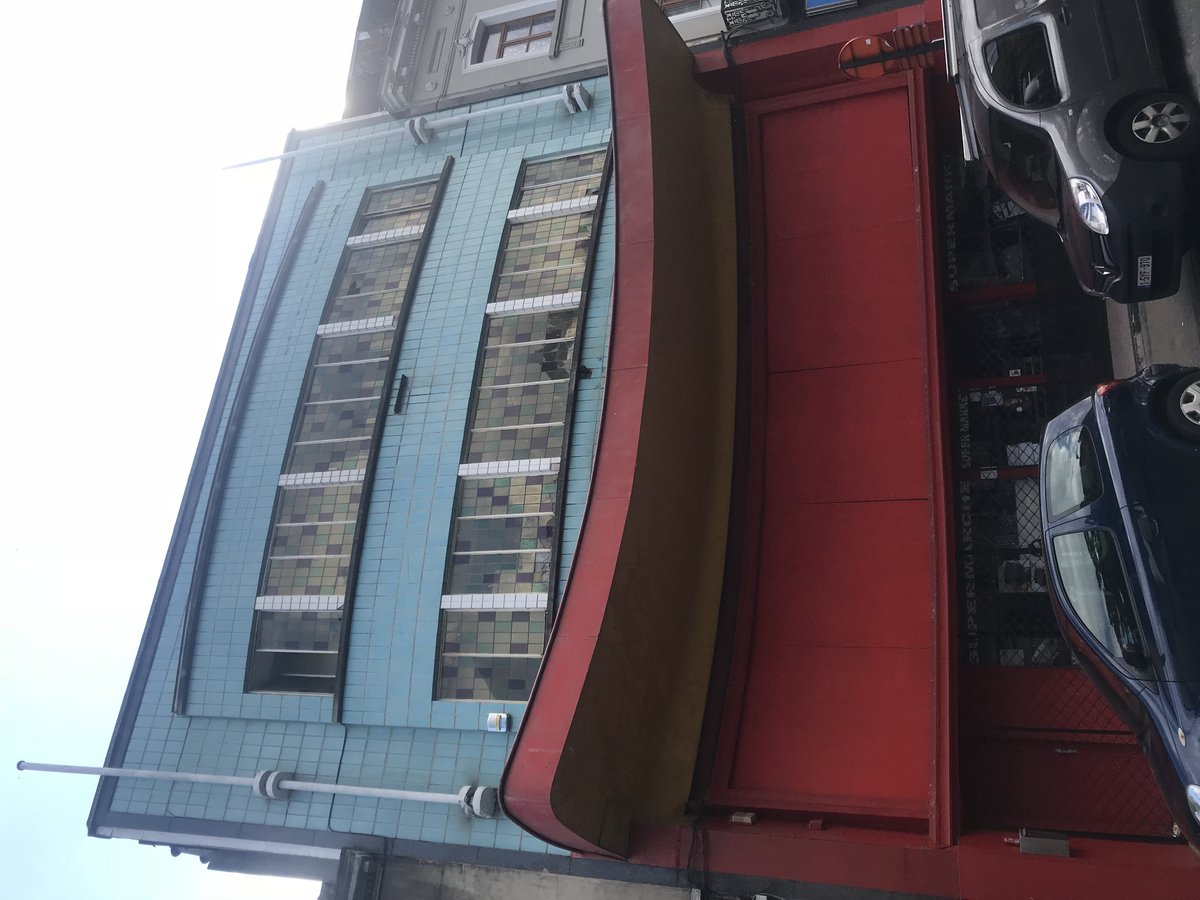
The square is bordered by 19th-century red-brick facades, a refurbished fire station, and one of Brussels’ historic swimming pools. These landmarks, together with the surrounding network of antique shops and cafés, contribute to the market’s unique ambiance (Visit Brussels; We Love Brussels).
Market Hours, Tickets, and Accessibility
Opening Hours:
- Monday to Friday 6:00 AM – 2:00 PM
- Saturday and Sunday 6:00 AM – 3:00 PM
The market operates every day of the year, including public holidays (Visit Brussels; Where is the Market?).
Tickets:
- Entry is free; no ticket required.
Accessibility:
- The square is open-air and mostly flat, but cobblestones can be uneven. Wheelchair users may require assistance in some areas.
- The nearest metro station is Porte de Hal/Hallepoort (lines 2 and 6), about a 10-minute walk away. Tram and bus lines also serve the district.
What to Expect: Market Atmosphere and Offerings
Market Experience
The Place du Jeu de Balle flea market is a bustling open-air marketplace where up to 500 stalls offer an astonishing variety of goods, including:
- Antiques & Furniture Vintage pieces, ornate mirrors, chairs, and collectibles
- Books & Ephemera Second-hand books, antique maps, magazines
- Clothing & Accessories Vintage garments, jewelry, hats, handbags
- Art & Curiosities Local art, crafts, memorabilia, bric-a-brac
- Collectibles Coins, stamps, records, cameras, and more (Flea Market Insiders; TravelOnQuest)
Bargaining and Payment
Bargaining is encouraged and forms part of the market’s lively atmosphere. Most vendors accept cash only (euros), though some may take mobile payments. ATMs are available nearby, but can be busy during peak times (Tourist Secrets).
Food and Refreshments
There are no food stalls within the market itself, but the surrounding Marolles district offers a diverse array of cafés and restaurants serving Belgian and international cuisine (S Marks The Spots).
Travel Tips and Practical Information
- Arrive early (before 8:00 AM) for the best bargains and to beat the crowds.
- Wear comfortable shoes—the cobblestone square can be uneven and busy.
- Bring cash in euros; not all vendors accept cards.
- Be mindful of pickpockets during busy periods.
- Greet vendors with “Bonjour” (French) or “Goedemorgen” (Dutch) for a friendly start.
Facilities
- Restrooms Public toilets are available nearby; many cafés allow restroom use for customers.
- Accessibility The market is mostly accessible, but assistance may be needed for some visitors.
- Weather The market is held outdoors, rain or shine—dress accordingly.
Special Events and Community Life
Bal National
On July 20th, Place du Jeu de Balle becomes the epicenter of the Bal National, a free open-air party celebrating Belgium’s National Day with live music, dancing, and performances. The festivities continue on July 21st with parades, concerts, and fireworks (City of Brussels).
Cultural and Artistic Events
Throughout the year, the square hosts pop-up art installations, open-air concerts, and community festivals that showcase the Marolles’ creative spirit (visit.brussels).
Nearby Attractions
- Rue Haute and Rue Blaes Famous for antique dealers, galleries, and vintage shops.
- Sablon District Renowned for chocolate shops, antiques, and the Church of Our Lady of Victories.
- Palais de Justice Offers panoramic city views and is a short walk uphill.
- Comic Strip Murals Discover Brussels’ street art tradition throughout the district.
Frequently Asked Questions (FAQ)
Q: What are the Place du Jeu de Balle opening hours?
A: Monday to Friday, 6:00 AM to 2:00 PM; Saturday and Sunday, 6:00 AM to 3:00 PM. Open daily, year-round.
Q: Do I need a ticket to enter the market?
A: No, entry is free.
Q: How do I get to Place du Jeu de Balle?
A: Take metro lines 2 or 6 to Porte de Hal/Hallepoort, or use tram/bus lines to the Marolles. Walking from Grand Place takes about 15–20 minutes.
Q: Is the market accessible for wheelchair users?
A: The square is mostly accessible but has cobblestones; assistance may be needed.
Q: Are guided tours available?
A: Walking tours of the Marolles district often include the flea market. Check local tour providers.
Q: Are food and restrooms available?
A: No food stalls on site, but many nearby cafés and restaurants. Public restrooms are available.