
History and Cultural Significance
Commissioned by King Leopold II at the turn of the 20th century, the Museums of the Far East reflect Belgium’s fascination with Asian art and demonstrate the country’s cosmopolitan ambitions. The site was designed by French architect Alexandre Marcel, who infused European construction with authentic Asian decorative elements. Over time, the museums became a testament to East-West artistic dialogue, housing rare Chinese porcelain, Japanese prints, samurai armor, and lacquerware, and contributing to the study of Orientalism and international art exchange.
Architectural Highlights
Chinese Pavilion
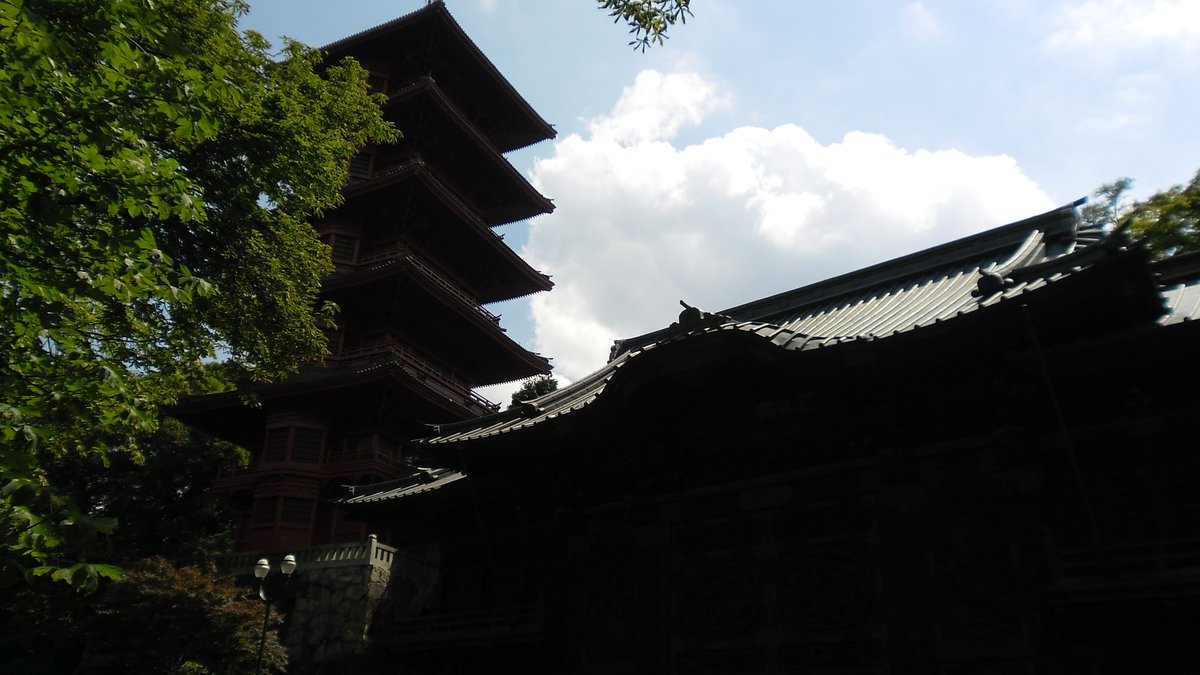
The Chinese Pavilion, completed in 1910, exemplifies Chinoiserie. Its elaborate wood carvings, porcelain panels, and decorative elements imported from China create a lavish environment reminiscent of imperial palaces. The interiors feature Chinese porcelain, lacquerware, and period furnishings, blending European and Asian aesthetics.
Japanese Tower
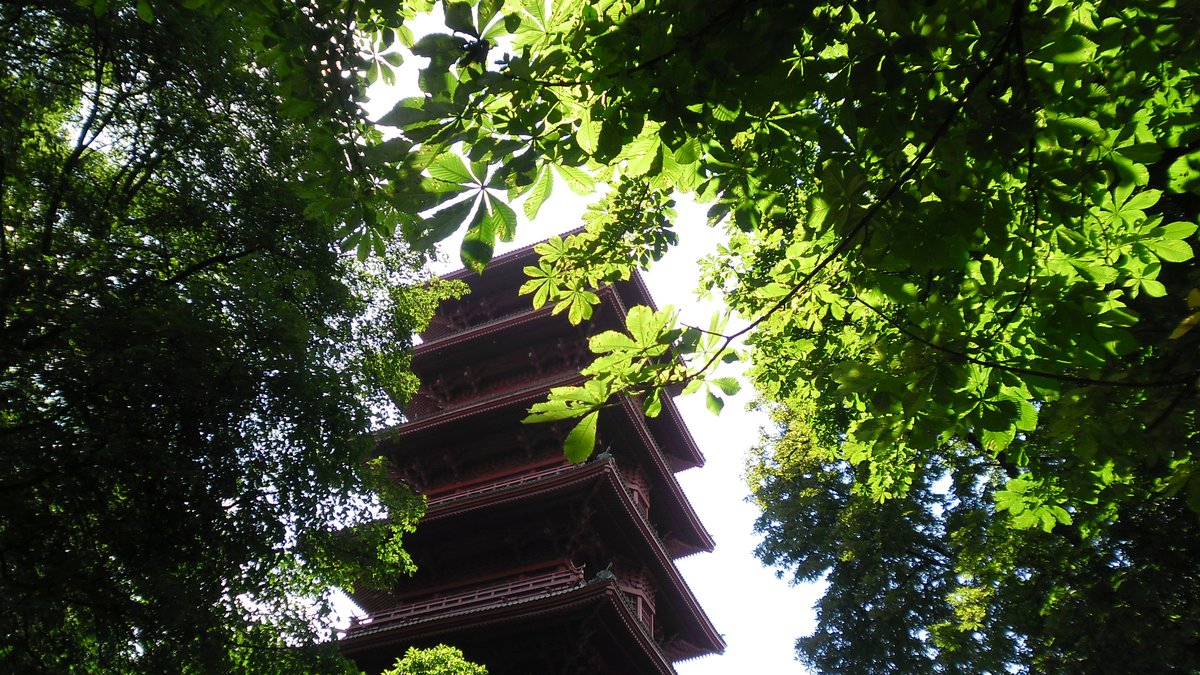
Standing at 50 meters, the Japanese Tower (1901–1904) is a striking pagoda inspired by Japanese temples. Shipped in parts from Japan and assembled in Brussels, the tower is adorned with intricate woodwork, lacquer panels, and curved roofs, representing the height of Japan-influenced European architecture in the early 1900s.
Museum of Japanese Art
This smaller building houses an impressive collection of Japanese prints, samurai armor, ceramics, and decorative objects, showcasing the influence of Japanese art on European tastes and the ongoing cultural exchange between East and West.
Visiting Information
Operational Status & Restoration
As of June 2025, the Museums of the Far East (Chinese Pavilion, Japanese Tower, and Museum of Japanese Art) remain closed to the public due to structural concerns and ongoing restoration works initiated in 2013. No official reopening date has been announced.
Visiting Hours
- Museums Closed indefinitely for restoration.
- Gardens/Park Open year-round, free access during daylight hours.
Tickets
- Museums Tickets are not available during closure.
- Gardens Free entry.
- Collections Selected artifacts can be viewed at the Art & History Museum in Parc du Cinquantenaire, where standard museum admission applies.
For the latest updates, visit the official Museums of the Far East page.
Access and Transportation
- Location Avenue Van Praet 44, 1020 Brussels, in the Mutsaard district near the Royal Palace of Laeken.
- Public Transport
- Metro Stuyvenbergh station (line 6), with a short walk to the museum.
- Tram Lines 3 or 7, stop at “De Wand.”
- Bus Lines 53 and 230 also serve the area.
- Parking Limited street parking; use public transport due to high demand, especially on weekends and holidays (Full Suitcase).
Accessibility
- Gardens Generally accessible, though some paths have gravel or uneven surfaces.
- Museum Interiors Not accessible during closure.
- Art & History Museum Fully accessible, with visitor services for those with reduced mobility.
Gardens and Photography
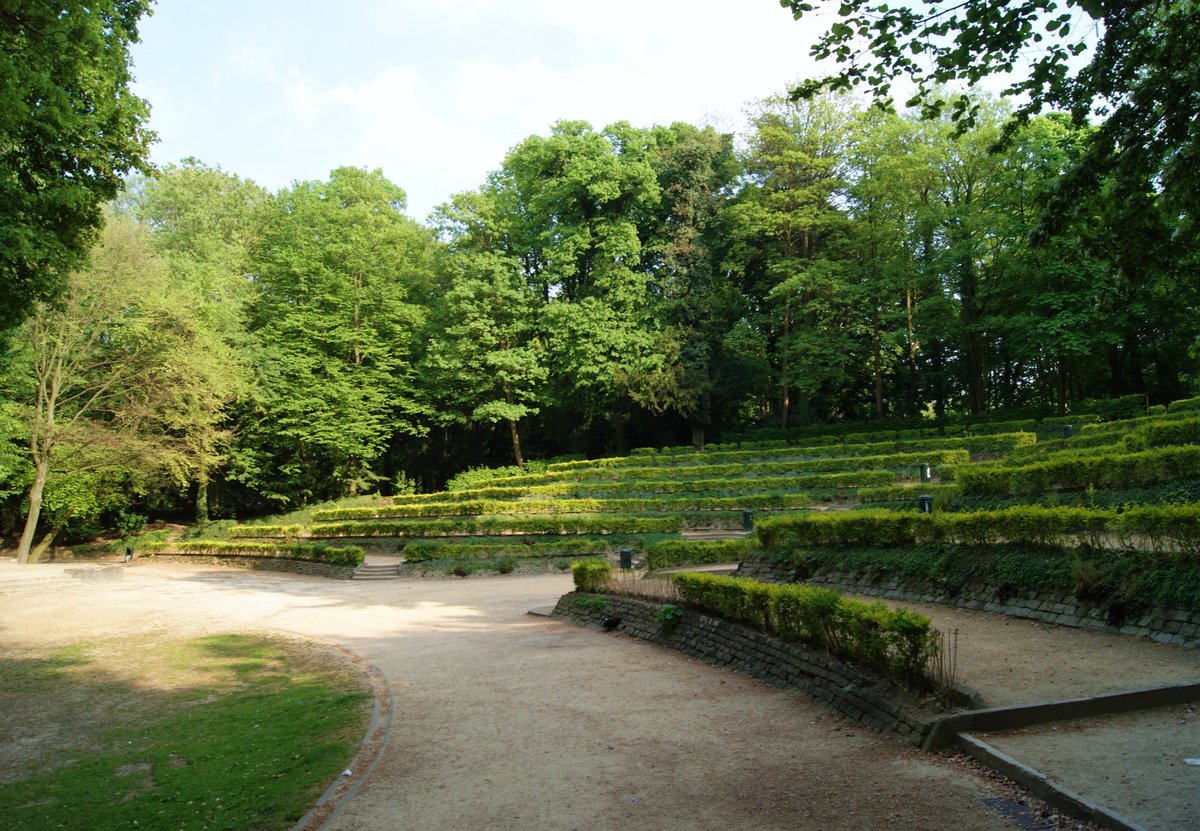
The museum gardens are open to the public and feature Asian flora such as Japanese Katsura trees. The exteriors of the Chinese Pavilion and Japanese Tower are particularly photogenic, especially during spring and autumn. Photography is permitted outdoors; interior photography policies will be clarified upon reopening.
Collections and Exhibitions
While the museum buildings are closed, a selection of Chinese export porcelain and Japanese artifacts from the Museums of the Far East is displayed at the Art & History Museum in Parc du Cinquantenaire. For inquiries about specific items or special access, contact curator Nathalie Vandeperre via the official museum website.
Nearby Attractions & Recommendations
Enhance your visit by exploring these nearby sites:
- Royal Palace of Laeken Official residence of the Belgian royal family.
- Royal Greenhouses of Laeken Open to the public each spring, showcasing Art Nouveau architecture and rare plant collections.
- Atomium Iconic landmark offering panoramic views, exhibitions, and a unique architectural experience.
- Parc de Laeken Ideal for walking and picnics.
Practical Visitor Tips
- Check for Updates Restoration is ongoing; always consult the official website for current information.
- Combine Visits Pair your garden tour with other local attractions for a full day of exploration.
- Security Keep personal belongings secure, especially on public transport and in busy areas (Happy to Wander).
- Facilities No restrooms or café on-site while closed. Food options are available within a 10–15 minute walk.
- Guided Tours Currently unavailable at the Museums of the Far East, but available at the Art & History Museum.
Frequently Asked Questions (FAQ)
Q: Are the Museums of the Far East open?
A: No, they have been closed since 2013 for restoration. The gardens are open year-round.
Q: Can I visit the museum collections?
A: Selected items are on display at the Art & History Museum in Parc du Cinquantenaire.
Q: Are guided tours available?
A: Not at the Museums of the Far East, but the Art & History Museum offers guided tours focusing on Asian art.
Q: Is the site accessible by public transport?
A: Yes, via Stuyvenbergh metro (line 6), tram lines 3 and 7, and bus lines 53 and 230.
Q: Where can I get updates on the reopening?
A: Check the official Museums of the Far East website and follow official social media channels.
Planning Your Visit
- Download the Audiala App For real-time updates, virtual tours, and audio guides.
- Follow Official Channels Stay updated on restoration progress, special events, and reopening announcements.
- Explore Related Sites Visit the Atomium, Royal Greenhouses, and Art & History Museum to enrich your Brussels experience.
Summary Table: Key Visitor Information
| Aspect | Status/Details |
|---|---|
| Museum Buildings | Closed since 2013; under restoration; reopening date TBA |
| Gardens/Park | Open year-round; free access |
| Collections | Select items at Art & History Museum; majority in storage |
| Facilities | None on-site due to closure |
| Public Transport | Stuyvenbergh metro (line 6); trams 3, 7; buses 53, 230 |
| Parking | Limited; public transport recommended |
| Accessibility | Gardens generally accessible; museum interiors closed |
| Nearby Attractions | Atomium, Royal Palace of Laeken, Royal Greenhouses |
| Contact | Curator: Nathalie Vandeperre; Buildings: Johan Vanderborght |
Visuals and Interactive Elements
- Photos of the Chinese Pavilion and Japanese Tower exteriors
- Garden scenes with Asian flora
- Map of museum location relative to nearby attractions
- Images of artifacts at the Art & History Museum