
Medieval Origins and Historical Context
The origins of Allée Des Coursiers – Renpaardendreef are intertwined with the broader history of Brussels. The city itself began as a fortified settlement around 979 CE, initiated by Duke Charles of Lower Lotharingia, and quickly flourished into a commercial hub by the 12th century. The construction of successive city walls and the development of residential, commercial, and administrative quarters shaped the city’s medieval urban landscape (brussels.com). Allée Des Coursiers, lying within this evolving framework, was influenced by the city’s need for efficient movement of messengers, goods, and ceremonial processions.
Etymology and Urban Function
The avenue’s dual names—French “Allée Des Coursiers” and Dutch “Renpaardendreef”—underscore Brussels’ distinct bilingual heritage. “Coursiers” refers to couriers or racehorses, hinting at the avenue’s original association with equestrian activity, royal stables, and perhaps ceremonial or postal roles. This linguistic duality reflects Brussels’ position at the cultural crossroads of French and Dutch-speaking Europe (urban.brussels).
Urban Development and Transformation
19th–20th Century Urbanization
The 19th century marked a period of dramatic change for Brussels. The city’s designation as Belgium’s capital in 1831 led to the dismantling of its medieval walls and the creation of grand boulevards. Green corridors like Allée Des Coursiers were integrated into urban plans that prioritized aesthetics, connectivity, and public access. The rise of Art Nouveau and Art Deco architecture further enriched the city’s built environment and urban identity (urban.brussels; brussels.com).
Post-War Renewal and Heritage Conservation
After World War II, Brussels focused on urban renewal and heritage conservation. Initiatives overseen by regional authorities emphasized the preservation of historic avenues like Allée Des Coursiers while supporting sustainable development and improved public spaces (be.brussels; urban.brussels).
Urban and Cultural Significance
Allée Des Coursiers – Renpaardendreef is more than a scenic promenade; it is a symbolic and literal connector within Brussels’ urban fabric. The avenue links neighborhoods such as Marolles—known for its vibrant flea market and local dialect—and Sablon, famous for art galleries and chic cafés. Its proximity to the Grand Place, Royal Palace, and European Quarter makes it a prime route for both leisure and exploration (visit.brussels; brusselsmap360.com).
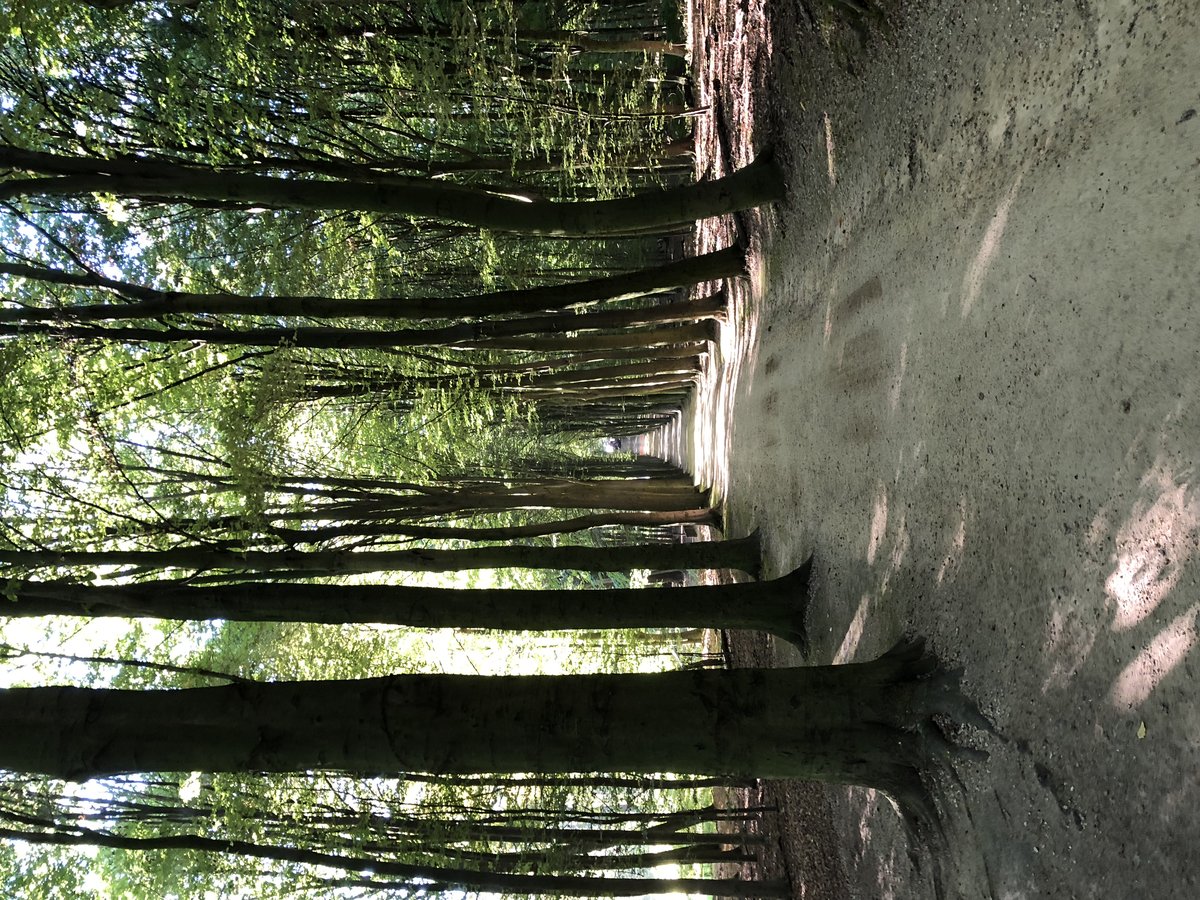
The avenue’s mature tree canopy, landscaped verges, and elegant facades provide a refreshing urban escape, supporting biodiversity and climate resilience while serving as a gathering place for locals and visitors.
Visiting Allée Des Coursiers: Practical Information
Visiting Hours and Accessibility
Allée Des Coursiers – Renpaardendreef is a public space within Parc de Bruxelles (Royal Park), open daily from 6:00 AM to 10:00 PM. Entry is free, and there are no ticket requirements. The avenue’s well-maintained, flat paths are wheelchair accessible, with benches and shaded areas enhancing comfort for all visitors (visit.brussels).
Getting There
- Public Transport Easily accessible via metro (lines 1, 2, 5, 6; Parc/Park and Arts-Loi/Kunst-Wet stations), trams, and buses (nomadicmatt.com).
- Parking Limited; public transport is recommended due to central city congestion.
- Cycling Bike rentals are widely available, and the area is cycle-friendly.
Guided Tours and Events
Numerous walking tours include Allée Des Coursiers and the surrounding historic districts. The avenue is a highlight during city-wide events such as Heritage Days and the Brussels Summer Festival, hosting open-air concerts and art installations (urban.brussels; visit.brussels).
Best Times to Visit
- Spring/Summer Lush greenery and frequent cultural events.
- Autumn Vivid foliage and tranquil ambiance.
- Early Morning/Late Afternoon Best for photography and peaceful walks.
Nearby Attractions
- Royal Palace of Brussels Southern edge of Parc de Bruxelles, open to visitors in summer.
- Belgian Parliament (Palace of the Nation) Northern park boundary.
- Mont des Arts Museums, gardens, and panoramic city views.
- Magritte Museum Largest collection of René Magritte’s works (reporterontheroad.com).
- Grand Place Iconic UNESCO World Heritage site.
- Marolles District Vibrant flea market and eclectic cafés.
- Sablon Antique shops, art galleries, and historic brasseries (visit.brussels).
Sustainability and Green Initiatives
As a dreef, or tree-lined avenue, Allée Des Coursiers is part of Brussels’ green infrastructure, promoting biodiversity, mitigating urban heat, and enhancing quality of life. Regular maintenance ensures ecological health and visitor safety (urban.brussels).
Heritage and Decolonization
The Brussels Capital Region is committed to re-examining public spaces through decolonization initiatives—reassessing monuments, street names, and historical narratives. Allée Des Coursiers is included in these efforts, particularly during events like Heritage Days that foster public engagement (urban.brussels).
Frequently Asked Questions (FAQ)
Q: What are the opening hours?
A: Daily from 6:00 AM to 10:00 PM as part of Parc de Bruxelles.
Q: Is there an entry fee or are tickets required?
A: No, access is free; tickets may apply to nearby museums or special events.
Q: Is the avenue accessible for wheelchair users?
A: Yes, paths are flat and wheelchair-friendly.
Q: Are pets allowed?
A: Yes, on a leash.
Q: Are guided tours available?
A: Yes, many local operators and city tours include the avenue (visit.brussels).
Q: What is the best time to visit?
A: Spring and early autumn for pleasant weather and natural beauty.