
Belvédère Castle
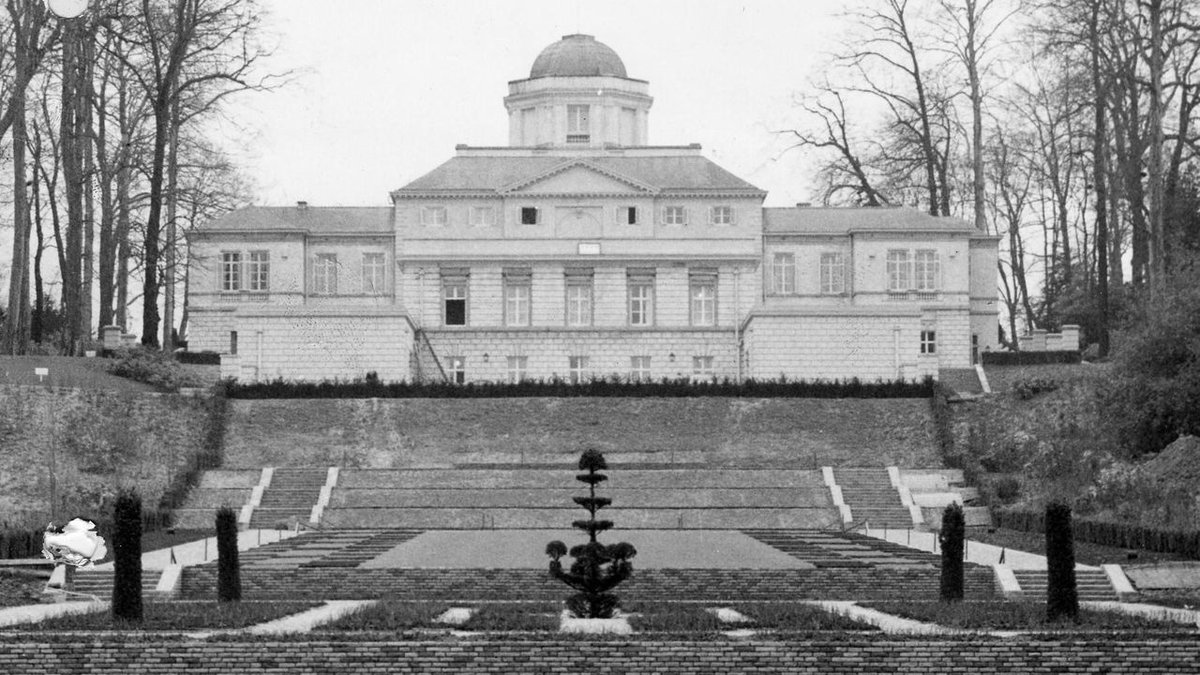
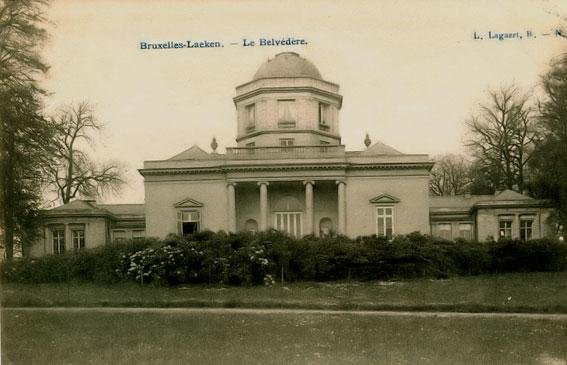
Belvédère Castle (Château du Belvédère) is a neoclassical royal residence in the Laeken district of Brussels. Originally built in 1788 as a countryside pavilion, it is now the private residence of King Albert II and Queen Paola. The castle is not open to public visits, but its exterior and its setting in the Royal Domain of Laeken make it a notable landmark in Brussels’ royal landscape.
Its name, “Belvédère,” means “beautiful view” in Italian and reflects its elevated position overlooking the city and parklands (Belgian Monarchy). For further historical and architectural details, see Visit Brussels and Monument Heritage Brussels.
History
Origins and architectural development
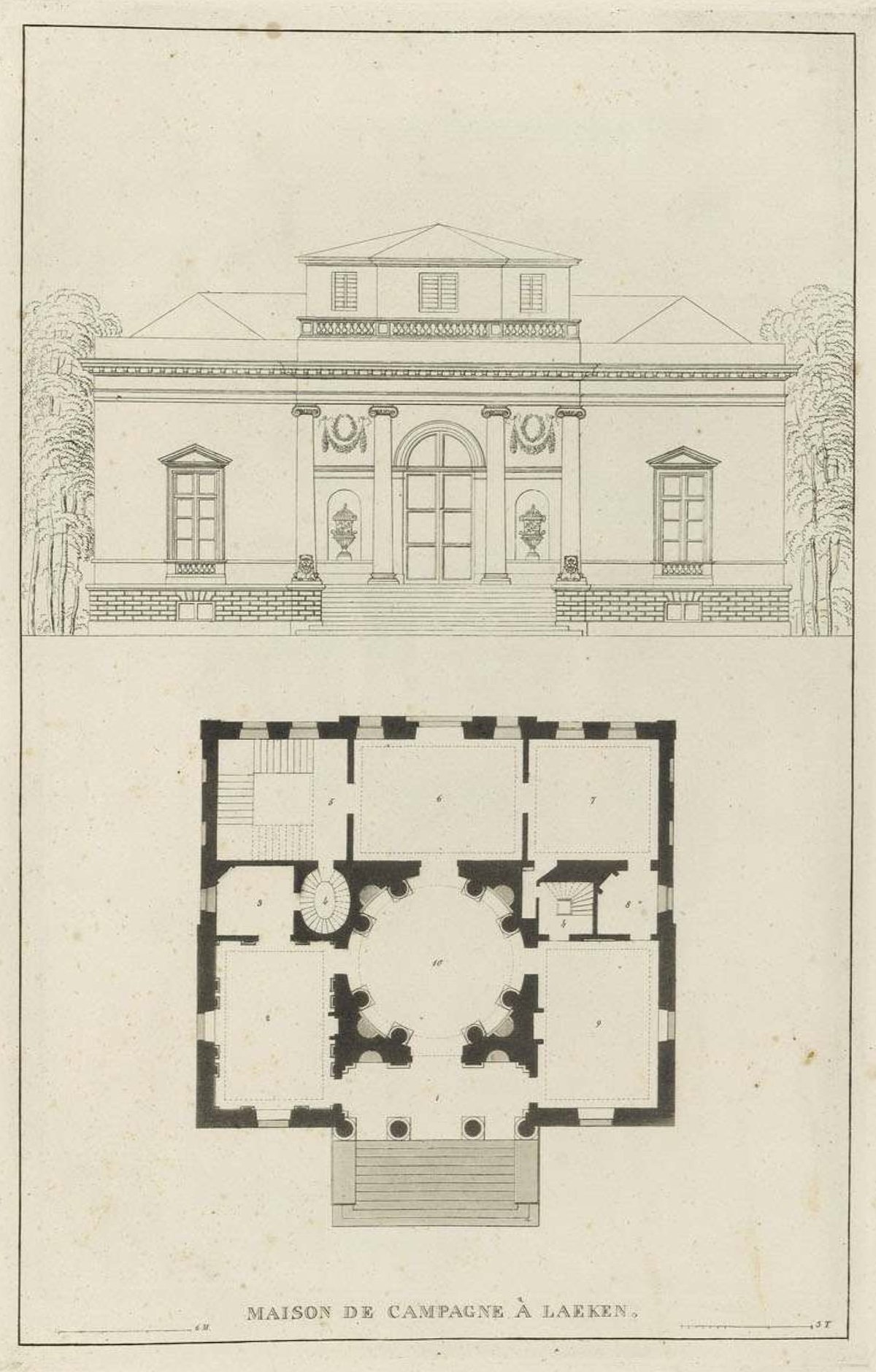
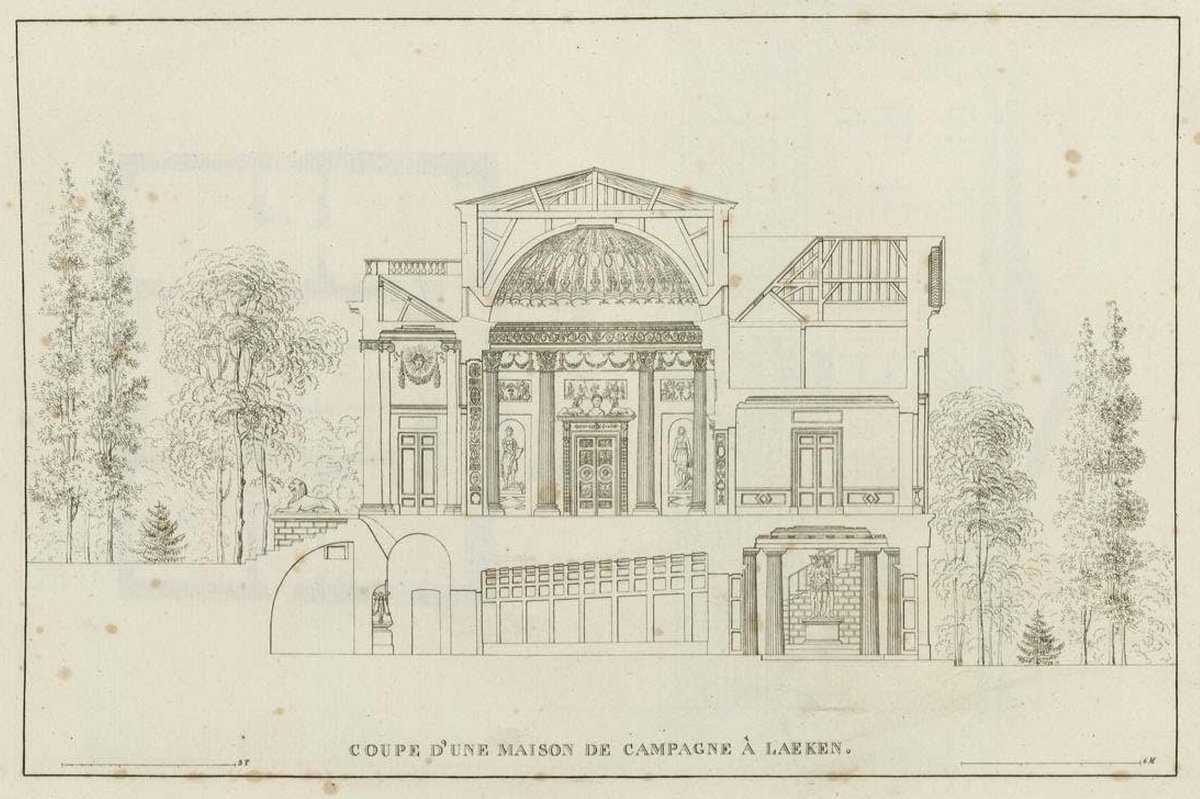
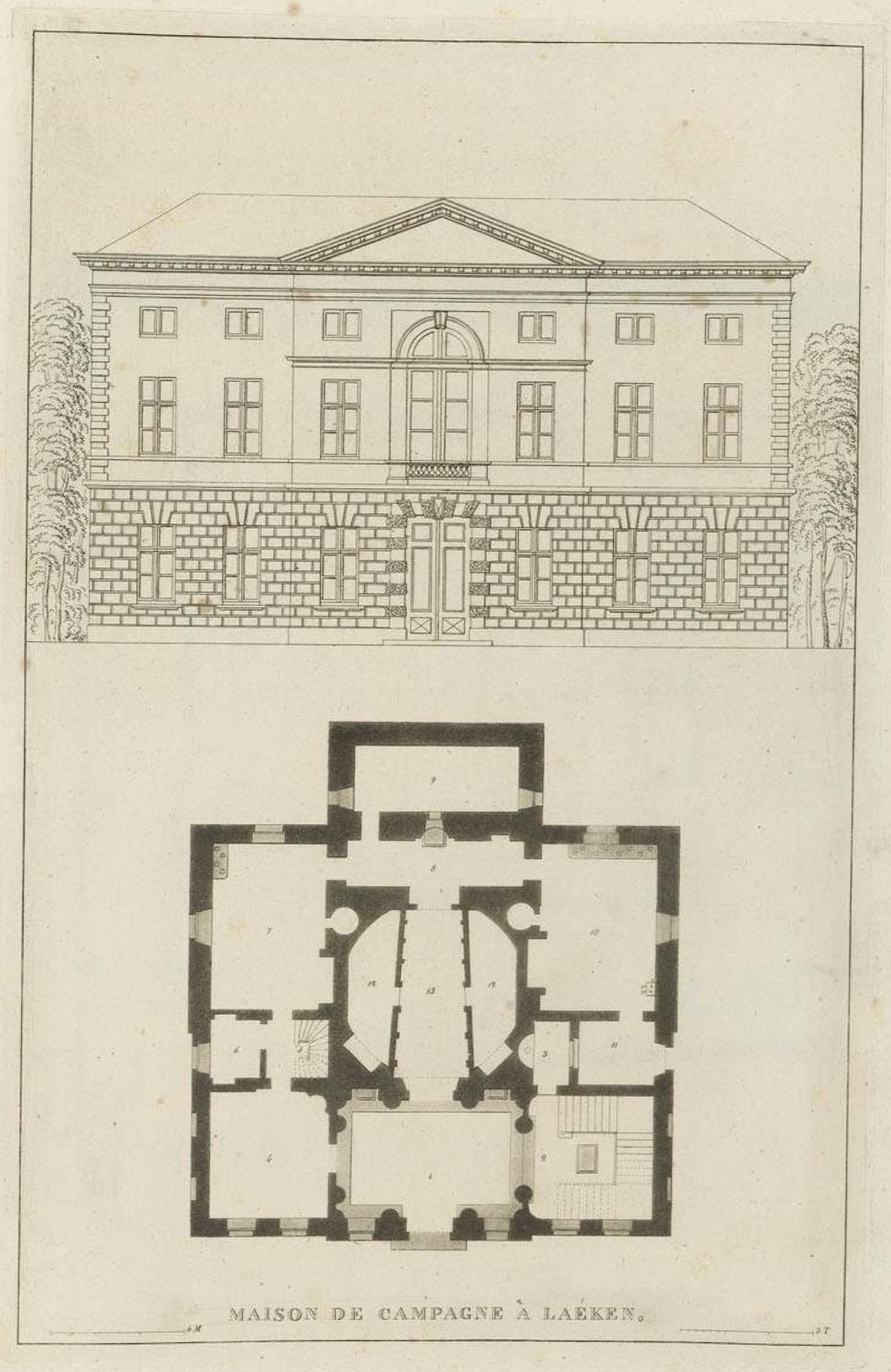
Belvédère Castle was built in 1788 for Édouard de Walckiers, a prominent financier. Designed by architect Antoine Payen l’Aîné, it drew inspiration from Andrea Palladio’s Villa Capra “La Rotonda.” Its central rotunda, clean lines and balanced proportions reflect late 18th-century neoclassical, specifically neo-Palladian, architecture (fr.wikipedia).
After Walckiers’ death, the estate was enlarged and renamed “le petit Laeken” under Jean-Baptiste Cartinel. François-Philippe de Haussy, the first governor of the National Bank of Belgium, later expanded the villa’s rear, added annexes and built a domed belvedere tower that gave the château its current silhouette. The tower also provided panoramic views of the Royal Domain.
King Leopold II acquired the property in 1867, bringing it into the royal properties and further integrating it into the royal landscape (fr.wikipedia).
Royal residents and notable events
Belvédère Castle became the residence of King Leopold III and Queen Astrid in the 20th century, and later of King Albert II and Queen Paola. King Philippe and his siblings grew up there (La Libre). During World War II, it served as a symbol of royal resilience (Belgium WWII History).
Preservation
As of August 2024, the château is listed on the Brussels-Capital Region’s inventory of protected heritage sites, safeguarding its neoclassical features and surrounding parkland (monument.heritage.brussels).
What to See
The castle’s architectural character includes a central rotunda, harmonious proportions and restrained ornamentation. As it remains a private residence, detailed information about its interior is limited. Its design suggests period furnishings, classical motifs and Belgian artworks (fr.wikipedia).
The château stands amid the landscaped parklands of the Royal Domain of Laeken, alongside the Royal Palace and Villa Schonenberg (wikipedia). Mature trees and curated gardens contribute to the setting (spottinghistory).
Visitors can view the exterior from public areas of Parc Royal de Laeken and Avenue du Parc Royal. Access to the castle grounds is restricted.
Practical Visiting Information
Opening and access
Belvédère Castle is a private royal residence and is not open to the public for tours or interior visits. There are no tickets or regular visiting hours for the castle itself.
Parc Royal de Laeken is open daily, typically from 6:00 AM to 8:00 PM, with seasonal variations. No tickets are required to visit the park or view the castle from outside.
There are no restrooms or cafés at the castle. Facilities can be found at nearby attractions, including the Royal Greenhouses and the Atomium.
Getting there and accessibility
Tram and bus lines serving Laeken provide public transport access. Parking is limited, and public transport is recommended because of Brussels’ Low Emission Zone regulations (Visit Brussels).
The area is suitable for leisurely walks. Paths are generally wheelchair accessible, and most main paths are suitable for wheelchairs and strollers.
Tours and events
Tours of the castle interior are not available. Local tourism agencies offer guided walking tours of the Laeken district and parklands (Brussels.be). The Royal Greenhouses open for special events each spring.
Photography and communication
Photography of the castle façade is permitted from public areas. Respect privacy and security by staying out of restricted zones. Drone use and professional equipment may require special permission.
French and Dutch are the official languages of Brussels. English is widely spoken in tourist areas; signage is typically bilingual, with some English translations.
Tips
Spring and early summer offer blooming gardens, while autumn brings foliage. Weekdays are quieter; weekends are busier, especially when nearby sites host special events. Check transport schedules in advance on public holidays (Visit Brussels).
Respect boundaries and do not attempt to enter restricted areas. Maintain a quiet and respectful demeanor near the private residence, and dispose of litter responsibly.
For a visual overview, tourism agencies and official royal websites provide online photo galleries and virtual tours (spottinghistory). For the latest on events, practical visitor information and content about Brussels’ royal heritage, download the Audiala app and consult official tourism channels.
Nearby Places
- Royal Palace of Laeken Occasional public access during special events.
- Royal Greenhouses of Laeken Open annually in spring and featuring rare botanical collections.
- Atomium An iconic landmark offering panoramic city views.
- Parc de Laeken An expansive park suited to walks and picnics.
- Villa Schonenberg and Château Stuyvenberg Other royal residences within the domain (Visit Brussels).
Frequently Asked Questions (FAQ)
Can I visit inside Belvédère Castle?
No. The castle is a private royal residence and is not open to the public.
Are guided tours available?
Tours of the castle interior are not offered, but guided walks in the Laeken district and royal parks are available.
Is photography permitted?
Yes, from public areas. Avoid restricted zones; drone use and professional photography may require permission.
What are the best nearby attractions?
The Royal Greenhouses, Royal Palace of Laeken, Atomium and Parc de Laeken.
Is the park wheelchair accessible?
Paths are generally accessible, and most main paths are suitable for wheelchairs and strollers.