
The Manneken Pis Legend and Evolution
The origins of Manneken Pis date back to the 14th century, woven into Brussels’ folklore. The most popular legend recounts how a young boy saved the city by extinguishing a fire with his urine (Full Suitcase). Another theory links the statue to the city’s tanning industry, where children’s urine was used in leather processing. The current bronze figure was cast by Jérôme Duquesnoy the Elder in 1619. Today, a replica stands at the corner of Rue du Chêne/Eikstraat, while the original is preserved in the Brussels City Museum (Visit Brussels).
The Tradition of Dressing Manneken Pis
Origins and Growth
The tradition of dressing Manneken Pis began in the early 17th century, with the earliest recorded costume appearing in a 1615 painting. The custom gained momentum with donations from European nobility and foreign dignitaries, such as Duke Maximilian Emanuel of Bavaria in 1698 and King Louis XV of France in 1747 (Visit Brussels). Today, the wardrobe includes outfits from around the globe, celebrating everything from national holidays to international sporting events (Brussels Info).
Dressing Ceremonies
Costume changes are festive occasions, often accompanied by brass bands and public celebrations. On special days, the statue may even dispense Belgian beer instead of water (Brussels Info). The official dresser selects the outfit from the museum’s collection, following a published schedule that draws crowds of locals and tourists (Visit Brussels).
Practical Visitor Information
Statue and Museum Visiting Hours
- Manneken Pis Statue Outdoor, accessible 24/7, free of charge.
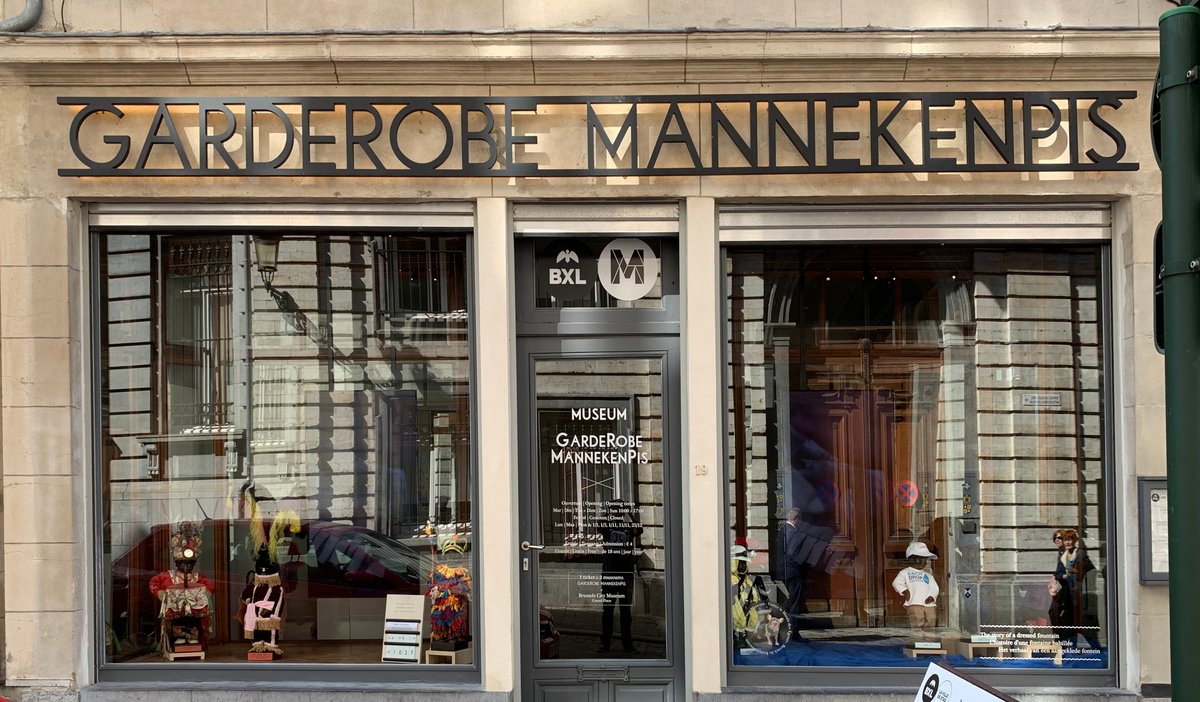
- Garderobe MannekenPis Museum Rue du Chêne 19, open daily from 10:00 AM to 5:00 PM (last entry at 4:30 PM). Closed on Mondays and select holidays (mannekenpis.brussels, belgium-travel.com).
Tickets and Accessibility
- Museum Admission €5 for adults; free for those 18 and under and MuseumPASSmusées holders. Free entry on the first Sunday of each month (visit.brussels).
- Combined Ticket Available for the Garderobe MannekenPis and Brussels City Museum.
- Accessibility The museum is wheelchair accessible; contact in advance for specific needs (brusselsmuseums.be).
- Tickets Purchase online or at the entrance; booking ahead is recommended during peak times.
Nearby Attractions and Tips
- Grand Place UNESCO World Heritage site, 5 minutes away.
- Brussels City Museum Houses the original Manneken Pis.
- Jeanneke Pis and Zinneke Pis The playful “sister” and “dog” statues, both walkable (travelwhilenerdy.com).
- Other Museums BELvue Museum, Fashion & Lace Museum, Sewer Museum.
Travel Tips:
- Visit early or late to avoid crowds.
- Check the official dressing schedule for live costume changes.
- Use public transport; parking is limited in the city center.
Inside the Garderobe MannekenPis Museum
The Collection
The museum houses over 1,100 costumes, with about 100–140 displayed at any given time. Outfits are grouped by themes: geography, folklore, trades, celebrities, sports, and designers (Travel Tomorrow). Notable pieces include the oldest surviving garment from King Louis XV and contemporary designs by artists such as Jean Paul Gaultier.
Interactive Experience
- Displays Costumes in themed glass cases with multilingual labels.
- Digital Kiosks Explore the origins and significance of each outfit.
- Family Activities Coloring books and digital treasure hunts.
- Special Events Public dressing ceremonies and rotating exhibitions.
Facilities
- Gift Shop Miniature costumes and themed souvenirs.
- Restrooms On-site.
- Accessibility Wheelchair accessible; contact for specific needs.
- Photography Permitted without flash.
Cultural Significance
Manneken Pis is a symbol of Brussels’ humor, inclusivity, and civic pride. The tradition of dressing the statue fosters community involvement and reflects the city’s role as a cultural crossroads (be.brussels, Fodor’s). Costumes often serve as artistic or social commentary, celebrating everything from royal anniversaries to international solidarity.
Frequently Asked Questions (FAQ)
Q: What are the Manneken Pis and Garderobe MannekenPis Museum visiting hours?
A: The statue is visible 24/7. The museum is open Tuesday–Sunday, 10:00 AM–5:00 PM; check the official website for updates.
Q: Do I need tickets to see Manneken Pis?
A: The statue is free to view. Museum tickets are required for the costume collection.
Q: Is the museum wheelchair accessible?
A: Yes, with assistance available; contact for details.
Q: When are costume changes held?
A: Over 150 days per year; check the official schedule for dates.
Q: Can I take photos in the museum?
A: Yes, but avoid using flash.
Planning Your Visit: Summary and Recommendations
The Garderobe MannekenPis Museum is a captivating addition to any Brussels itinerary. Centrally located and family-friendly, it offers interactive exhibits and a glimpse into a unique local tradition. Plan ahead by checking visiting hours, booking tickets online, and timing your visit with a costume change ceremony for a truly memorable experience.
Quick Tips:
- Combine your visit with nearby attractions.
- Visit on the first Sunday of the month for free entry.
- Download the Audiala app for insider tips and updates (audiala.com).