
Who Was Louis van Bodeghem?
Louis van Bodeghem (c.1470–1540), born in Brussels around 1470, was a master mason, master architect and court architect. Among the influential architects of the early 16th century, he blended Brabantine Gothic and Renaissance styles. His legacy is associated with Brussels landmarks including the Broodhuis (Maison du Roi), the Chapel of the Sacrament in Saint Michael and Gudula Cathedral, and Brussels Town Hall (Hôtel de Ville), as well as the Church of Brou in Bourg-en-Bresse, France.
Brussels’ compact city center makes many of these sites easy to visit, and public transport serves the central area. The Audiala app also offers immersive audio guides for exploring van Bodeghem’s legacy.
For updated information on opening hours, tickets and tours, consult visit.brussels and the Brussels City Museum. (Exploring Louis van Bodeghem's Architectural Legacy in Brussels, Visiting Louis Van Bodeghem’s Architectural Masterpieces in Brussels, Visiting the Statue of Louis Van Bodeghem in Brussels)
History and Architectural Legacy
Van Bodeghem’s architectural approach combined Gothic and Renaissance elements. His influence extended beyond Brussels, most notably to the Church of Brou in Bourg-en-Bresse, France, commissioned by Margaret of Austria.
The left wing and tower of Brussels Town Hall were completed under his direction between 1444 and 1455 (destguides.com). His style’s verticality and ornamentation influenced regional architecture, including guildhalls and earlier judicial buildings in Brussels, although not all surviving buildings are directly attributed to him. (destguides.com)
What to See
Brussels Town Hall (Hôtel de Ville/Stadhuis)
On the Grand Place, Brussels Town Hall is a celebrated example of Gothic civic architecture. Its 96-meter tower is topped by a statue of Saint Michael, and its façade has elaborate stonework and more than 150 statues. Inside are grand halls with vaulted ceilings and stained glass. The building is beautifully illuminated at night and is a feature of many city tours (brussels.info).
Broodhuis (Maison du Roi)
The Broodhuis stands on the Grand Place and embodies civic pride and architectural innovation. Originally destroyed in 1695, it was rebuilt and remains central to van Bodeghem’s legacy.
Saint Michael and Gudula Cathedral – Chapel of the Sacrament
On Treurenberg Hill, Brussels’ central cathedral contains the Chapel of the Sacrament, designed by van Bodeghem.
Church of Our Blessed Lady of the Sablon (Église Notre-Dame du Sablon)
Located in the Sablon district, this church is attributed to van Bodeghem. It combines late Gothic architecture with later Baroque additions. Highlights include its five-aisled nave, slender columns, luminous vaults and stained glass depicting Brussels’ history. The church was a historic site for the crossbowmen’s guild and hosts religious ceremonies (visit.brussels).
Church of Brou, France
In Bourg-en-Bresse, the Church of Brou is described as van Bodeghem’s magnum opus. Commissioned by Margaret of Austria, it combines Gothic and Renaissance elements. It occasionally hosts concerts and exhibitions.
Statue of Louis van Bodeghem
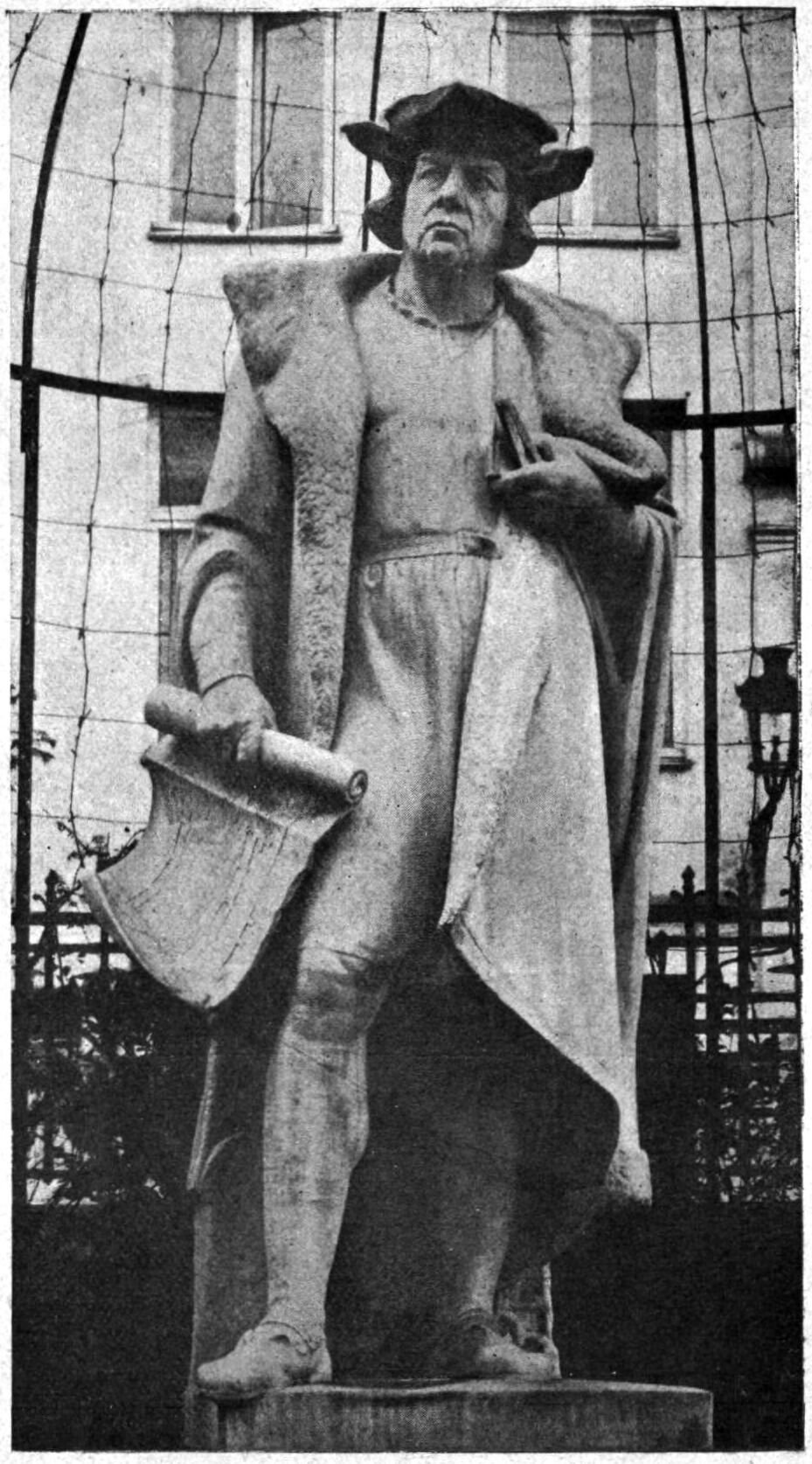
Located near the Grand Place, the statue commemorates van Bodeghem’s role as a master builder and chief architect of the Brabantine Gothic style (Laure Wanders, Trip.com).
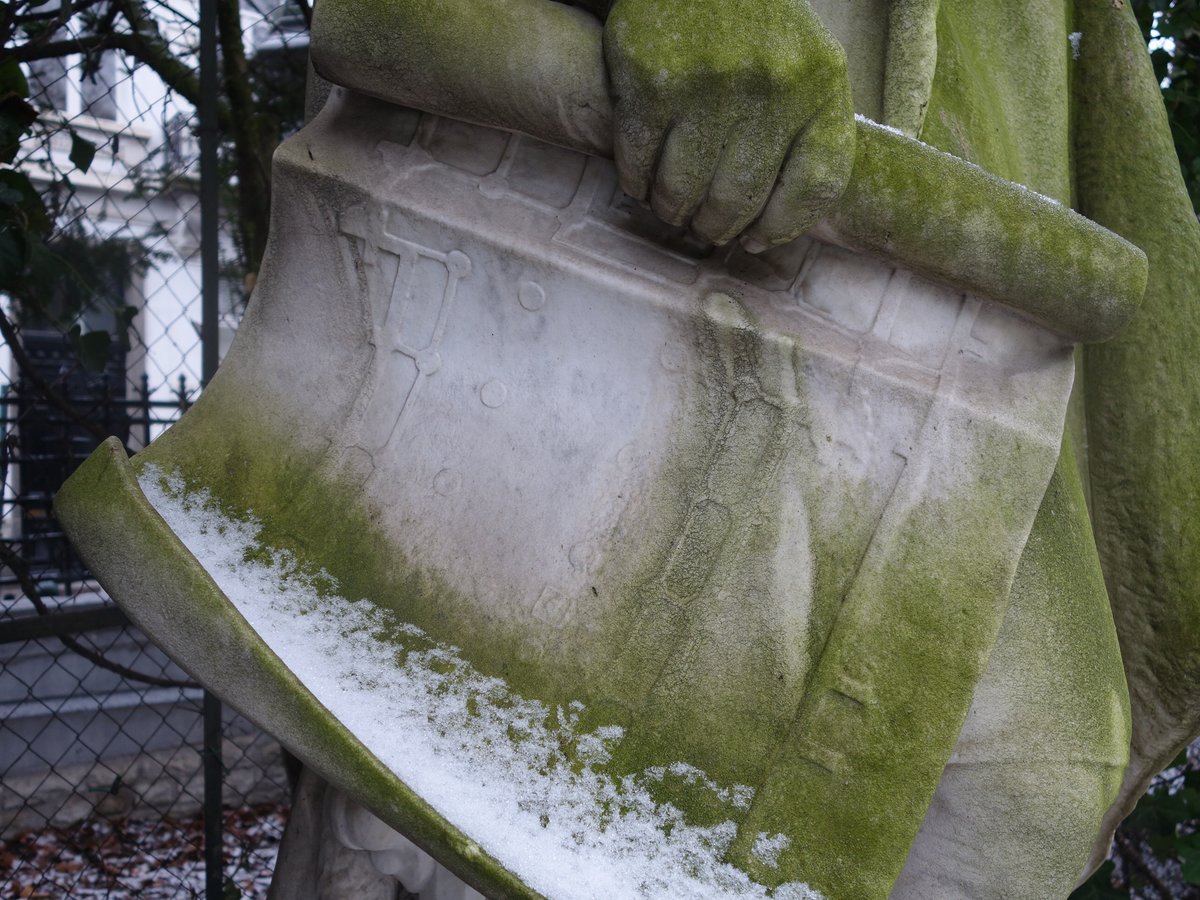
The statue, typically crafted in bronze or stone, depicts van Bodeghem holding architectural tools, symbolizing his vision and technical mastery. Its base often refers to his key works. The public monument is a focal point for civic pride and a reminder of Brussels’ medieval roots; it also features in educational programs and city tours.
Practical Visiting Information
Brussels Town Hall
- Location Grand Place, Brussels
- Hours Tuesday–Sunday, 10:00 AM–5:00 PM; last entry at 4:30 PM.
- Tickets €8 for adults, €5 for concessions, and free for children under 12. Another listed range is €8–€10 for adults. Tickets can be bought online or at the tourist office (official portal).
- Guided tours Typically offered Wednesdays and Sundays, with more dates during tourist seasons. Tours are highly recommended and can be booked via visit.brussels. Languages include English, French and Dutch.
- Accessibility Wheelchair access is available with an advance request. Accessibility is also described as partial; contact ahead about mobility accommodations.
- Facilities and photography Restrooms are available at the Grand Place and for tour participants. Cloakroom facilities are limited, and large bags are not permitted. Non-flash photography is allowed, with restrictions in some areas.
Broodhuis (Maison du Roi)
- Location Grand Place, Brussels
- Hours Daily, 10:00 AM–6:00 PM.
- Tickets Included with Brussels City Museum entry, listed at €5–€10; concessions are available.
- Accessibility Wheelchair accessible.
- Guided tours Offered in multiple languages; advance booking is recommended.
Saint Michael and Gudula Cathedral – Chapel of the Sacrament
- Location Treurenberg Hill, Brussels
- Hours The cathedral is open 7:30 AM–6:00 PM. The chapel is accessible during services and guided tours.
- Tickets General entry is free; guided tours have a fee.
- Accessibility Partially wheelchair accessible.
Church of Our Blessed Lady of the Sablon
- Location Sablon district, Brussels
- Hours Monday–Saturday, 9:00 AM–6:00 PM; Sunday, 10:00 AM–7:00 PM.
- Tickets Free entry; donations are welcome.
- Accessibility Wheelchair accessible.
Church of Brou
- Location Bourg-en-Bresse, France
- Hours April–October, Tuesday–Sunday, 10:00 AM–6:00 PM; limited winter hours.
- Tickets Approximately €8 per adult; discounts are available.
Statue of Louis van Bodeghem
- Location Central Brussels, within walking distance of the Grand Place.
- Hours and admission Open to the public at all times; free of charge.
- Accessibility The area is flat and paved, though nearby streets are cobbled.
Getting Around and Visitor Services
The Grand Place and cathedral are centrally located and accessible by metro, tram and bus. Brussels Town Hall can be reached by metro lines 1 and 5, tram, bus, and a short walk from Central Station.
The Visit.Brussels office is at Rue Royale 2-4. Tourist centers provide maps and event information (visit.brussels). Check official updates for COVID-19 information.
Most sites are accessible, but facilities vary; confirm details for specific needs.
Tips for Visiting
- Book tours early, as they fill quickly during peak seasons.
- Check the Brussels event calendar and plan around events such as the Ommegang Festival, the biennial Flower Carpet and Fête de la Musique.
- Brussels weather can be unpredictable.
- Metro, trams and buses are convenient for getting around.
- Be mindful of pickpockets in busy areas; standard city precautions apply. The area around the statue is generally safe.
- English is widely spoken; French and Dutch are also common and useful (Lonely Planet).
- Respect the statue; avoid climbing or sitting on it.
- For the statue, morning or late afternoon is noted as the best time to visit for lighting and fewer crowds (Happy to Wander).
- For virtual tours and images, visit the Visit.Brussels media gallery.
Nearby Places and Cultural Experiences
Nearby attractions include the Grand Place, Manneken Pis, the Royal Palace, the Sablon district, Galleries Royales Saint-Hubert and Choco-Story Brussels. Museums include the Brussels City Museum and BELvue Museum.
The Grand Place area also has historic cafés, markets and seasonal events. Family activities, workshops and educational programs are available.