
Discover the Palace of Coudenberg: A Must-Visit Historical Site in Brussels
The Palace of Coudenberg is a cornerstone of Brussels’ heritage, offering visitors an immersive journey through time. This guide provides essential visitor information, practical details, and a historical overview to ensure a rewarding experience at this unique archaeological site.
Visitor Information: Plan Your Visit
Opening Hours and Days
- Tuesday to Sunday 10:00 AM – 6:00 PM
- Closed Mondays and major public holidays
Tickets & Pricing
- Adults €8–10
- Seniors/Students €5–8
- Children (under 12) Free; (6–12): €5
- Family ticket €25 (2 adults + up to 3 children)
- Groups (min. 15) €8 per person
- Free admission First Sunday of each month, 1:00–5:00 PM
- Purchase tickets online via the official website or at the entrance
Accessibility
- The main exhibition areas and museum are wheelchair accessible; some underground sections have uneven terrain.
- Audio guides and tactile exhibits are available.
- Accessible restrooms and service animal access provided.
Guided Tours & Audio Guides
- Guided tours in English, French, and Dutch are offered regularly.
- Audio guides and mobile app downloads are available for self-paced exploration.
Getting There
- Address Place des Palais 7, 1000 Brussels (main entrance)
- Metro Parc/Park (Lines 1 & 5)
- Tram Lines 92, 93, 94
- Bus Lines 38, 71
- Paid parking nearby, but public transport is recommended.
Origins and Evolution
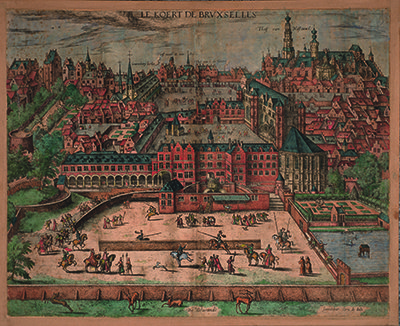
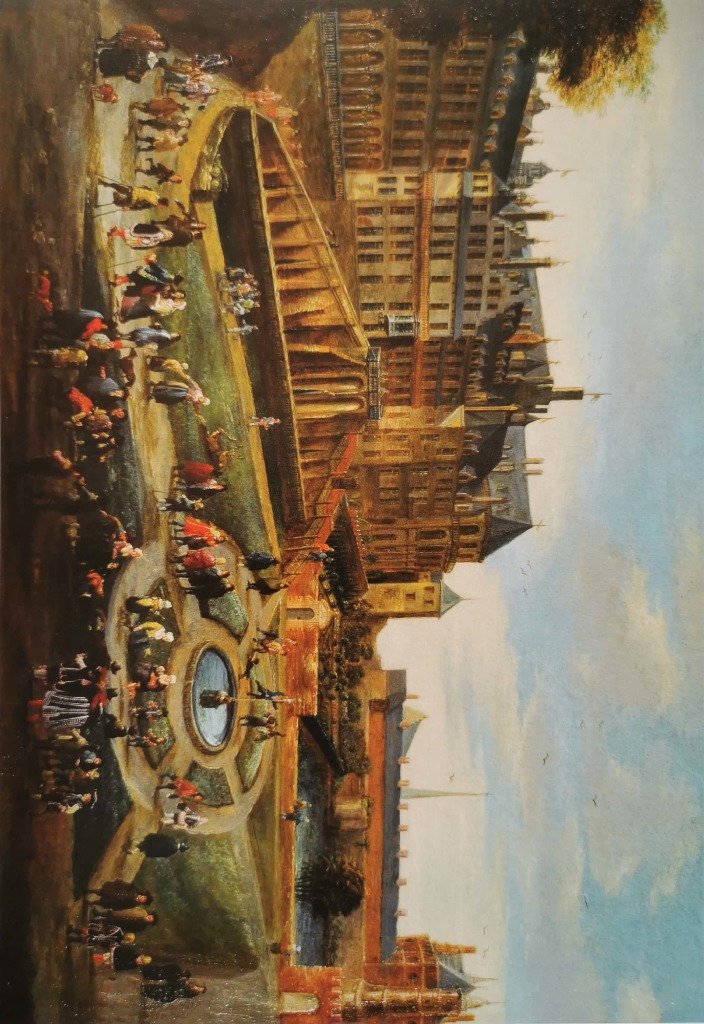
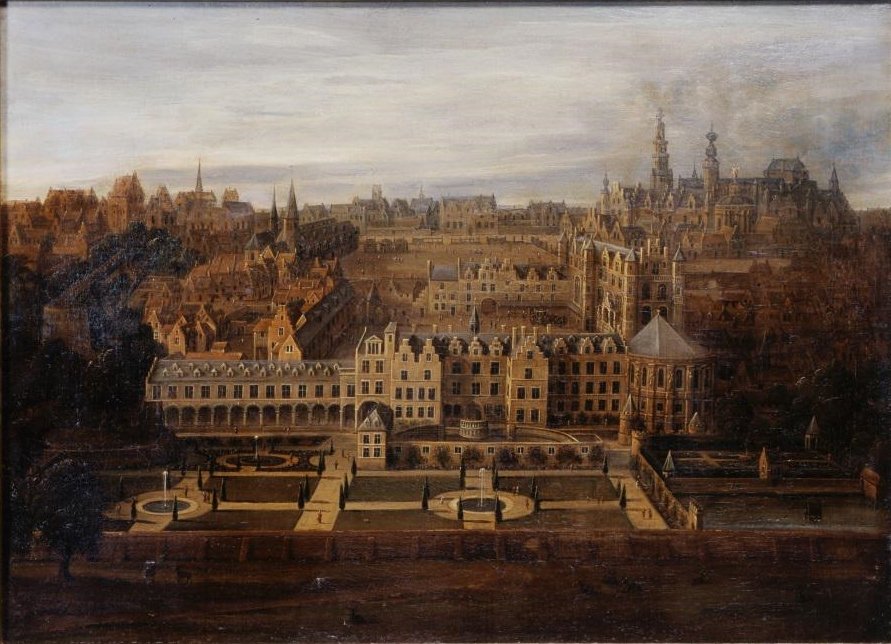
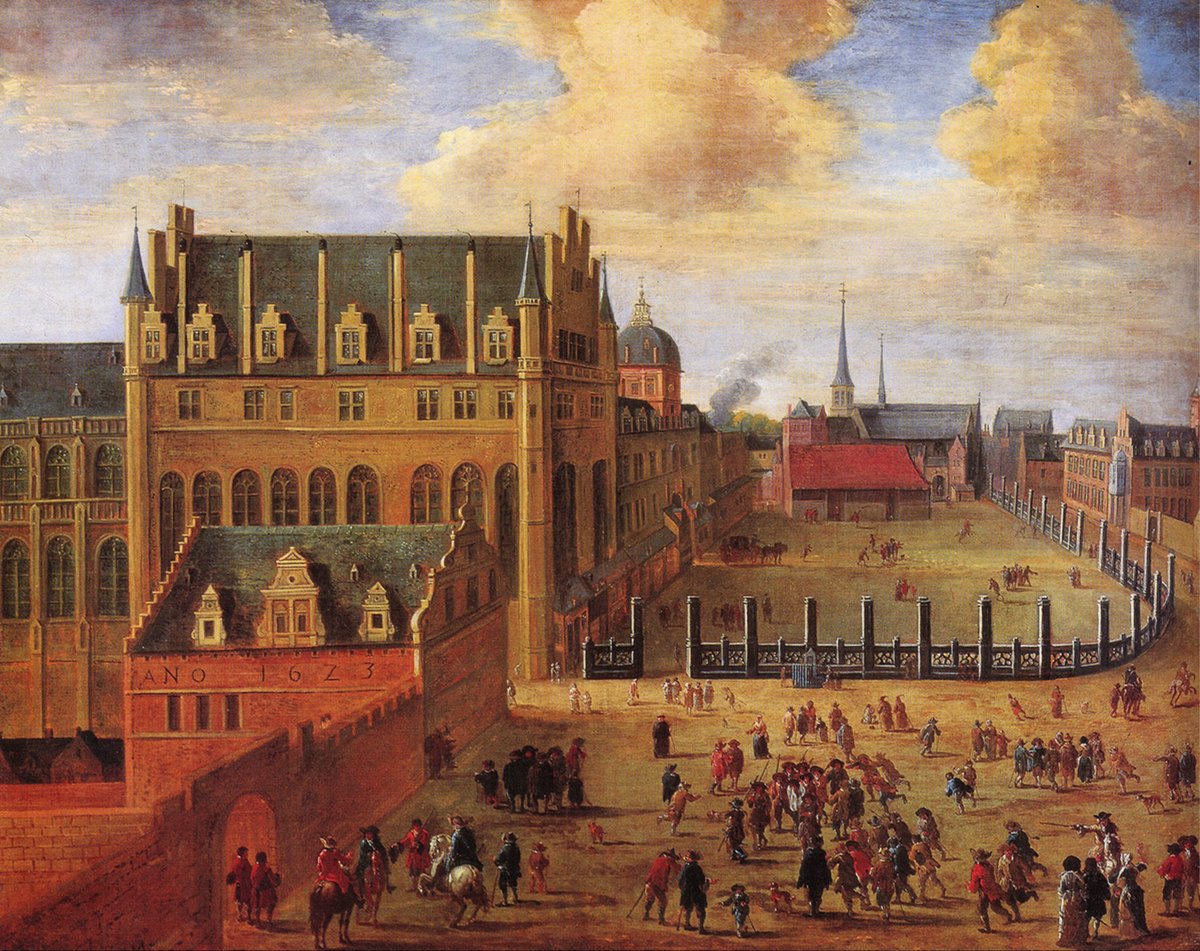
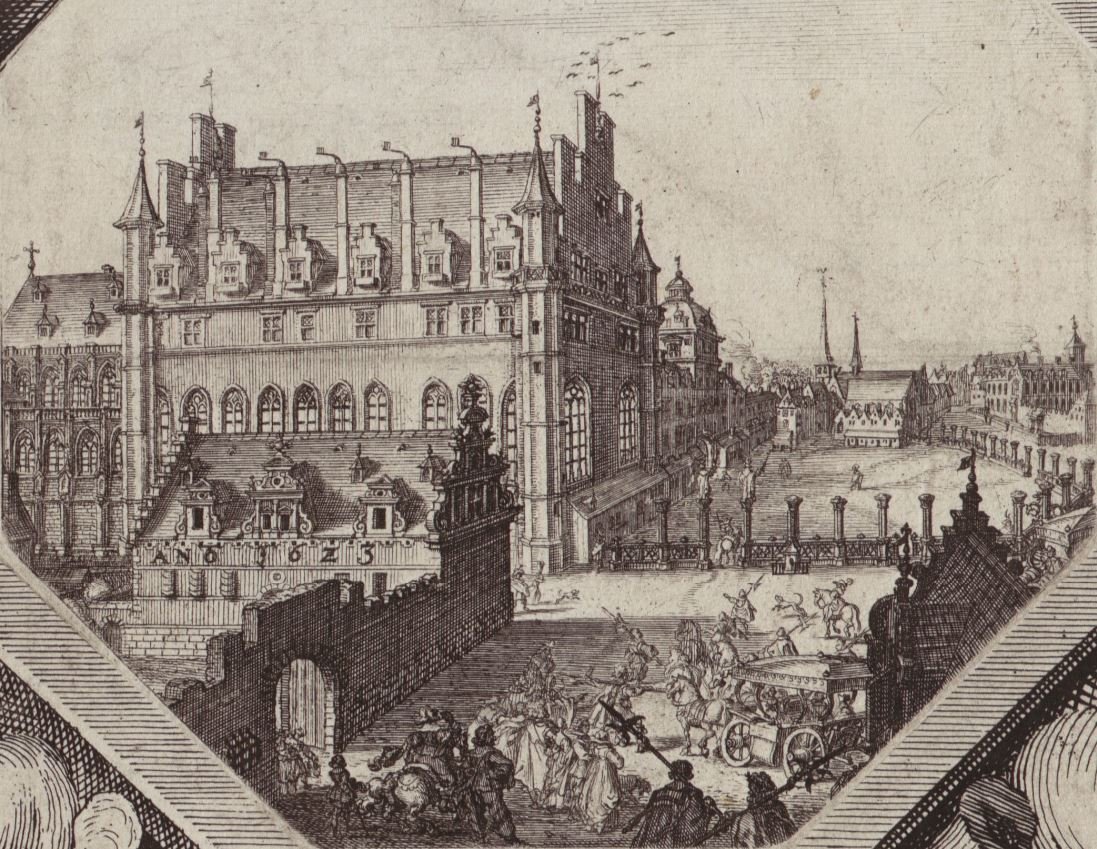
The Coudenberg Palace began as a 12th-century fortified castle for the Dukes of Brabant, capitalizing on its strategic position above Brussels (e-a-a.com). Over centuries, it evolved into a princely residence and later a hub for the Burgundian and Habsburg courts, gaining Renaissance features and grand ceremonial spaces like the Aula Magna (coudenberg.brussels).
Destruction and Rediscovery
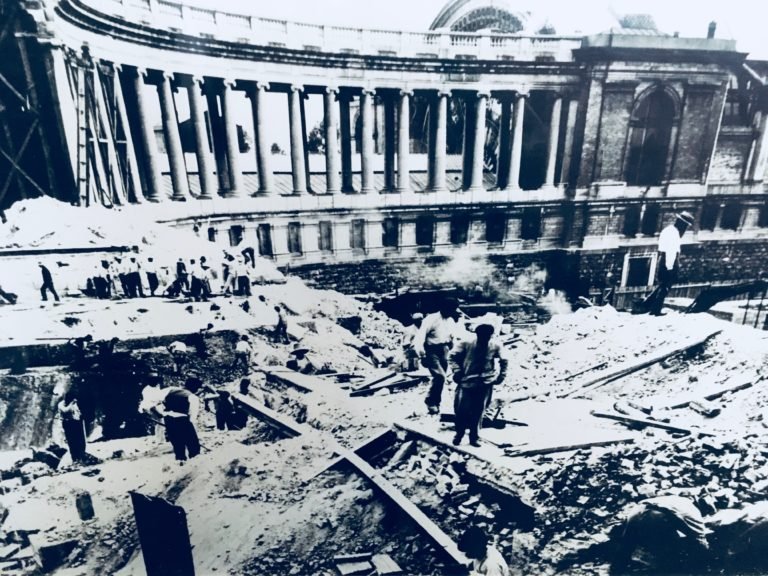
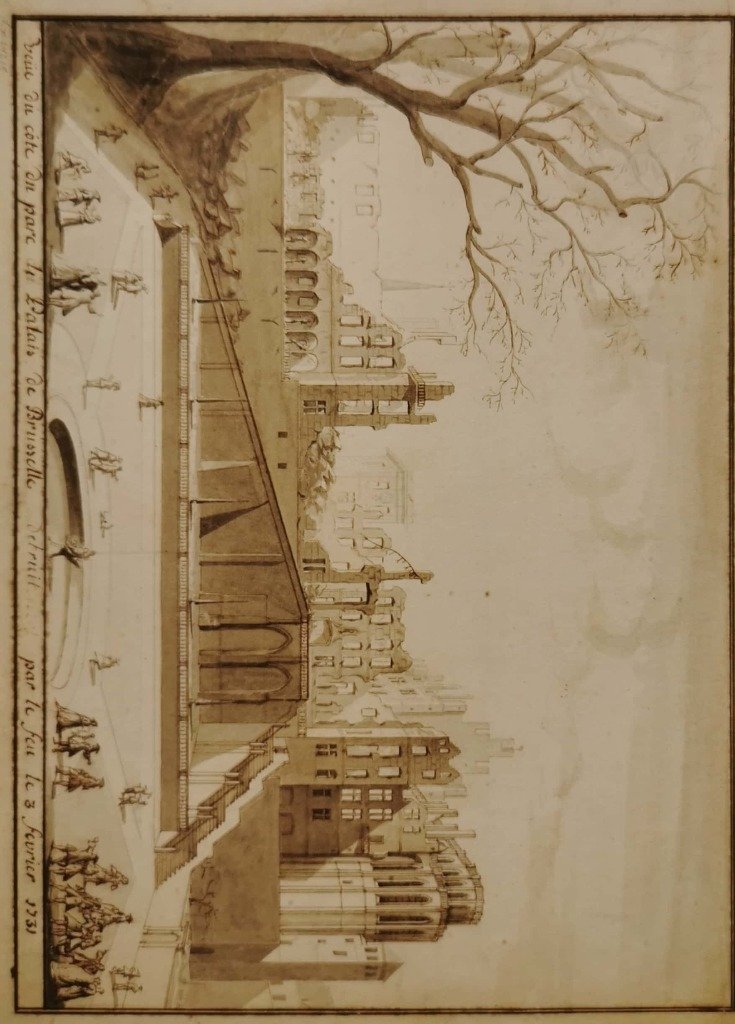
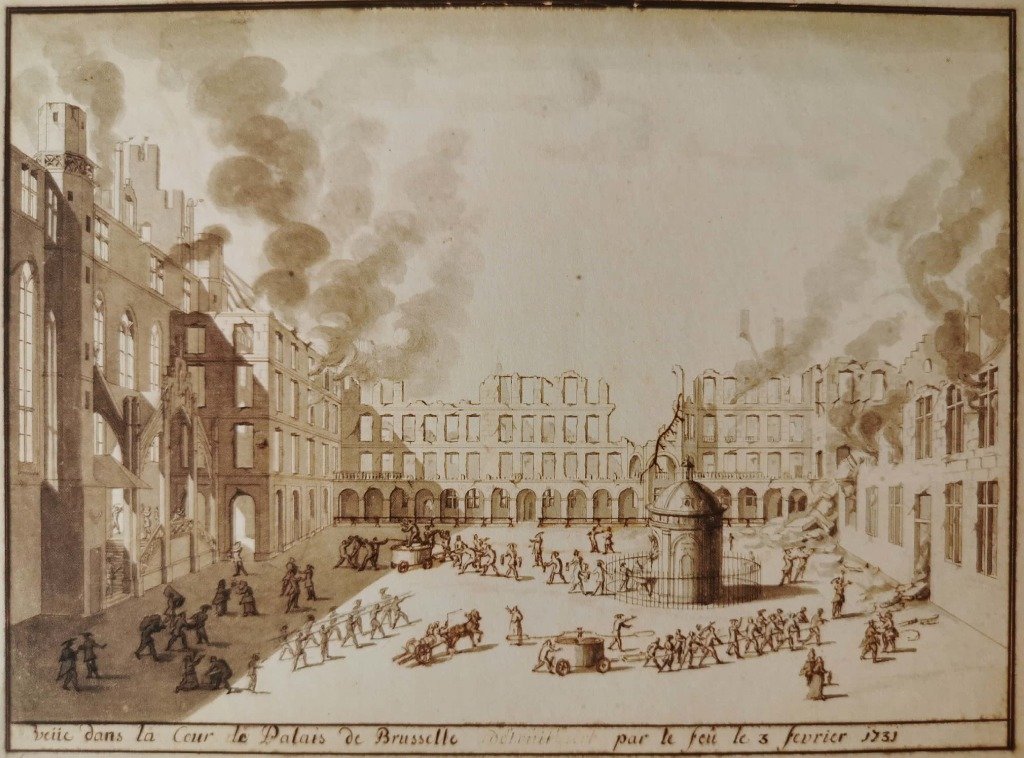
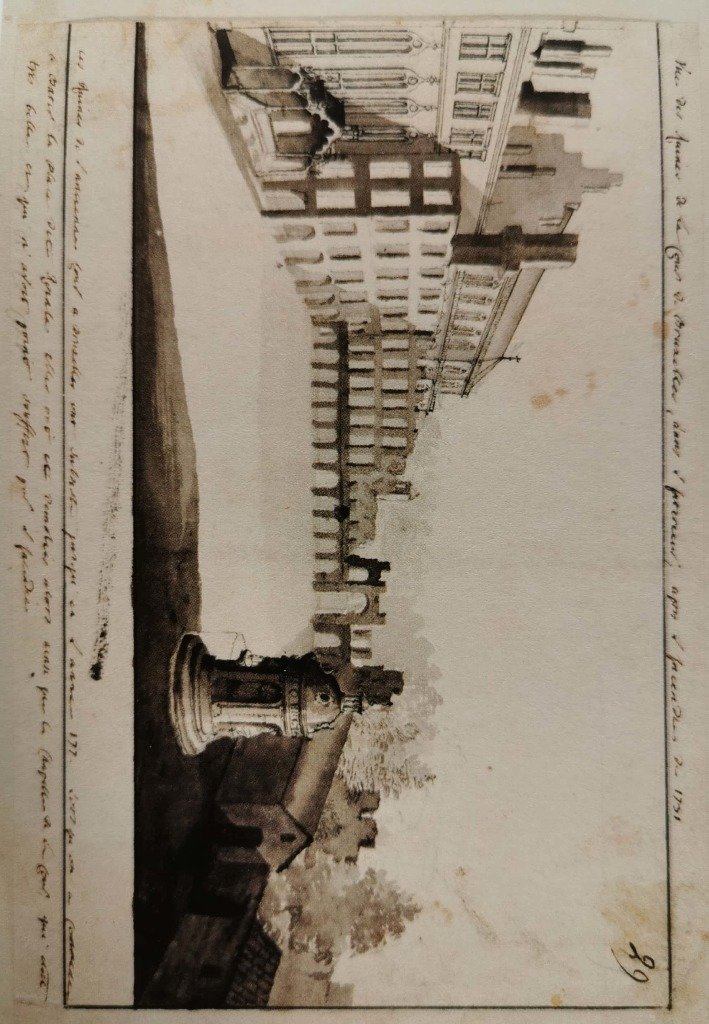
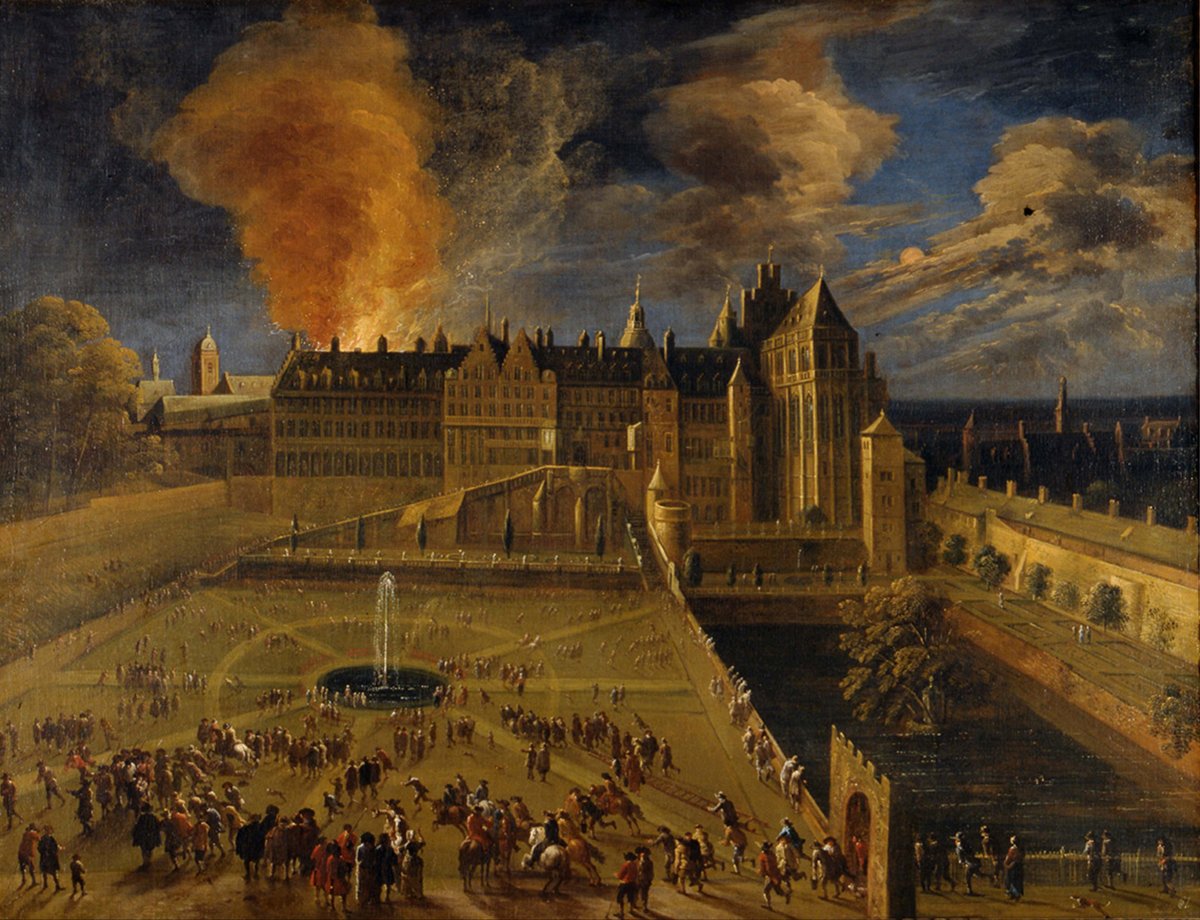
A catastrophic fire in 1731 left the palace in ruins. The debris was cleared in the 1770s to construct the neoclassical Place Royale, but much of the palace survived underground. Rediscovered in the 20th century, extensive excavations since the 1980s have revealed an expansive network of cellars, corridors, and foundations (wikipedia; brusselsmorning.com).
Cultural and Political Significance
Seat of Power
For almost 700 years, Coudenberg served as the administrative and ceremonial heart for the Duchy of Brabant, the Burgundian Netherlands, and later the Spanish and Austrian Netherlands. It hosted momentous events, such as the abdication of Charles V in 1555 (wikipedia; visit.brussels).
Center of Festivities and Diplomacy
The palace was famed for its grand celebrations and diplomatic gatherings. The annual Ommegang procession, commemorating Charles V’s Joyous Entry, remains a vibrant Brussels tradition (visit.brussels).
Artistic and Architectural Legacy
Coudenberg attracted leading artists and architects, influencing royal residences across Europe. Its treasures and design set standards for courtly taste and innovation (e-a-a.com).
Archaeological Rediscovery and Modern Legacy
The palace’s remains, uncovered through extensive urban archaeology, now form one of Belgium’s premier historical sites. Interactive tours and exhibits, including 3D reconstructions, immerse visitors in palace life and its architectural splendor (coudenberg.brussels).
Visitor Experience
Underground Network and Features
Explore the preserved cellars, storerooms, kitchens, and the atmospheric Rue Isabelle. The site’s dimly lit passageways evoke the palace’s lost grandeur while providing insight into its daily operations (realjourneytravels.com).
Archaeological Artifacts and Museum
Artifacts such as ceramics, coins, and glassware unearthed during excavations are on display in the adjacent Coudenberg Museum, enriching your understanding of Brussels’ royal past (visit.brussels).
Interactive and Family-Friendly Activities
- Treasure hunts and escape games for children and families
- Audio guides in multiple languages
- Educational programs and special events such as Urban Archaeology Days (archaeologydays.urban.brussels)
Accessibility and Facilities
- Wheelchair access in main areas; some underground sections may be challenging.
- Cloakroom, lockers, and modern restrooms available.
- Gift shop for books and souvenirs.
Tips for Visitors
- Buy tickets online to avoid queues.
- Wear comfortable shoes for uneven terrain.
- Allow 1–2 hours for your visit.
- Photography (without flash or tripod) is permitted.
- Check the official website for special events and tour schedules.
Nearby Attractions
- Royal Museums of Fine Arts
- Magritte Museum
- BELvue Museum
- Mont des Arts
- Royal Palace of Brussels (open in summer)
All are within walking distance, ideal for a full day of cultural exploration.
Frequently Asked Questions (FAQ)
Q: What are the visiting hours?
A: Tuesday to Sunday, 10:00 AM–6:00 PM; closed on Mondays and public holidays.
Q: How can I buy tickets?
A: Online via the official site or at the entrance.
Q: Is the site accessible for people with disabilities?
A: Main exhibition areas are accessible; some underground sections have uneven floors.
Q: Are guided tours available?
A: Yes, in multiple languages and by advance reservation.
Q: Can children visit?
A: Yes, with family-friendly activities and treasure hunts available.
Q: Can I take photos?
A: Yes, for personal use; flash and tripods are not allowed.
Plan Your Visit
To make the most of your experience, download the Audiala app for interactive guides, and follow the Coudenberg Palace on social media for updates and event announcements. For comprehensive visitor information, consult the official website.
Discover More
The Palace of Coudenberg is a vital part of Brussels’ identity, intertwining the city’s medieval heritage with its modern role as a European capital. With its immersive archaeological site, accessible facilities, and engaging programs, Coudenberg is an essential destination for anyone interested in history, art, or urban culture. Plan your visit, join a guided tour, and experience the echoes of European courts beneath the streets of Brussels. For tickets, event details, and educational resources, visit the official Palace of Coudenberg website and download the Audiala app for a digitally enhanced tour.