Visiting Hours and Ticket Information
Operating Hours
Bockstael Railway Station is open daily, typically from 5:00 AM to midnight, aligning with citywide train and metro schedules. Service times for ticket counters and amenities may differ—always verify on the SNCB/NMBS website for the most accurate, real-time updates.
Ticket Options
Tickets are available:
- At the station Automated machines and staffed counters.
- Online Through the SNCB/NMBS platform.
- Mobile Via official apps and contactless payment methods.
Recommended tickets:
- Brupass/Brupass XL Integrated travel across trains, metro, trams, and buses within Brussels and its periphery—ideal for tourists and commuters.
- Single/Return Tickets Best for occasional travelers.
- Go Pass 1 For travelers under 26, offering affordable day trips across Belgium.
For complete fare details and integrated ticketing, visit the STIB/MIVB site.
Accessibility and Travel Tips
Bockstael Station prioritizes accessibility:
- Ramps, elevators, and tactile paving assist travelers with reduced mobility.
- Wide platforms and barrier-free design enable easy boarding and transfers.
- Live schedule updates Check for changes during weekends and holidays.
- Bike-sharing stations and secure cycle parking are available close by.
- Wayfinding Bilingual French/Dutch signage guides you through the station.
For enhanced mobility, use the new footbridge to connect with local parks and the Pannenhuis metro station, and plan your journey with transport apps for real-time information.
Historical and Urban Context
Bockstael’s roots are steeped in Laeken’s history—a district once separate from Brussels, famed for its royal estates and working-class heritage. The station and adjacent Place Émile Bockstael are named for the prominent Bockstael family, who played a pivotal role in local governance during the 19th and early 20th centuries.
The arrival of railway lines (28, 50, and 60) in the 19th century transformed Laeken into a commercial and commuter hub, and today Bockstael Station continues this legacy by serving as a modal interchange between the city center and northern neighborhoods.
Urban renewal efforts, particularly the Bockstael Sustainable District Contract, have further enhanced the area’s vibrancy. With over €45 million invested, these initiatives have prioritized the reconstruction of public spaces, housing, and social infrastructure, with a strong focus on participatory planning and sustainability (City of Brussels).
Architectural Features and Urban Regeneration
Station Architecture
Opened in 1982, Bockstael Station replaced the old Laeken station to better serve Brussels’ growing population. Its functionalist design is characterized by the use of unfinished concrete and steel—durable, minimalist, and reminiscent of the neighborhood’s industrial past. The station’s integration with Metro Line 6 ensures seamless transfers.
The Footbridge and Urban Connectivity
A standout feature is the post-tensioned concrete footbridge, nearly 60 meters long, connecting the station to the Pannenhuis metro and adjacent parks. Its triangular cross-section and embedded LED lighting enhance both safety and aesthetics while maintaining harmony with the urban landscape. The bridge’s design—part of the Bockstael Sustainable Neighbourhood Contract—demonstrates how infrastructure can unite divided green spaces and facilitate active mobility.
Pocket Parks and Green Infrastructure
Recent urban regeneration has seen the transformation of former railway wastelands into a network of pocket parks, each tailored to its local context:
- La Terrasse A plaza atop the station, linked to parks and playgrounds.
- Le Vallon A landscaped trail with a belvedere and urban terrace.
- Le Jardin-Station A communal garden between the station and residences.
- La Halte Royale A lawn and kiosk with panoramic canal views.
These projects not only reclaim underutilized land but also address water management, heat mitigation, and community recreation (Brussels Architecture Prize).
Nearby Attractions and Photographic Highlights
Bockstael Station is a short walk or ride from several of Brussels’ top sites:
- Royal Castle of Laeken The Belgian royal family’s official residence.
- Laeken Cemetery Renowned for its royal tombs and historic monuments.
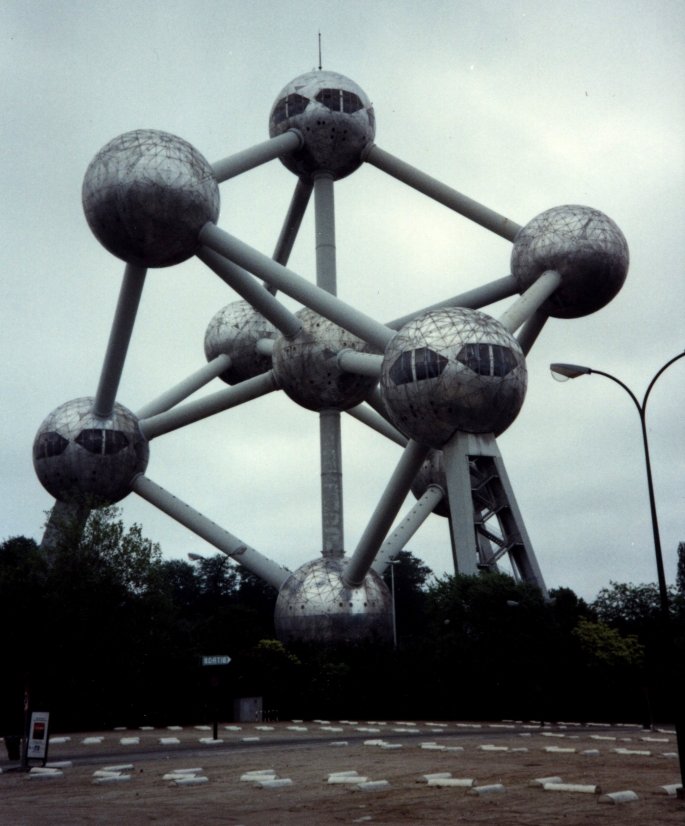
- Atomium and Mini-Europe Iconic landmarks accessible by tram or metro.
- Tour & Taxis Park Urban green space for events and relaxation.
- Pannenhuis Park Walking and cycling paths adjacent to the station.
Photographers will enjoy capturing the contrast between Bockstael’s modernist infrastructure and the historic Laeken neighborhood.
Community Participation and Green Infrastructure
A hallmark of Bockstael’s renewal is its participatory approach. Residents have actively shaped the design and function of new public spaces, transforming them into community “commons.” The District Commission and local associations ensure that ongoing improvements reflect the needs and ambitions of the neighborhood (City of Brussels).
Frequently Asked Questions (FAQ)
Q: What are the opening hours of Bockstael Railway Station?
A: The station operates daily, generally from 5:00 AM to midnight. Check the SNCB/NMBS website for up-to-date schedules.
Q: How can I purchase tickets?
A: Tickets are available at station counters and machines, or online via the SNCB/NMBS platform and STIB/MIVB apps.
Q: Is the station accessible for people with reduced mobility?
A: Yes, with ramps, lifts, tactile paving, and barrier-free access throughout.
Q: What are some nearby attractions?
A: Highlights include the Royal Castle of Laeken, Atomium, Laeken Cemetery, and green spaces like Tour & Taxis Park.
Q: Does Bockstael offer guided tours or host special events?
A: The station itself does not offer tours, but community events and markets are held nearby. Several Brussels tours include Laeken’s cultural sites.