

Origins and Early History
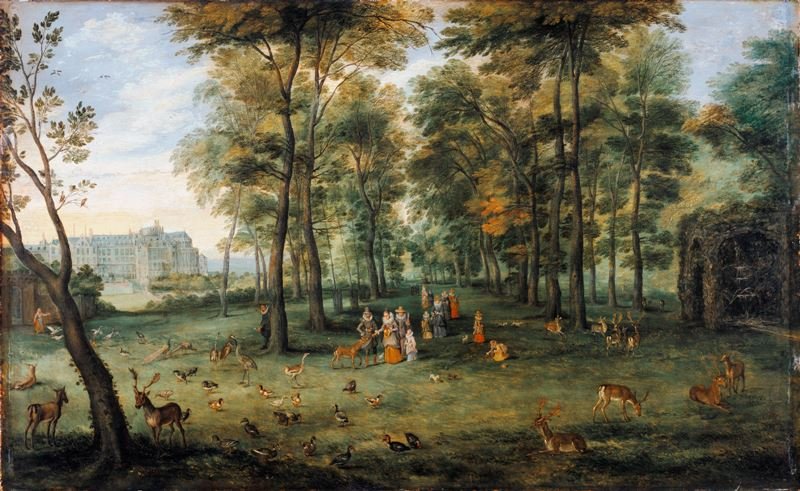
Brussels Park’s site was once the hunting grounds of the Dukes of Brabant, part of the Coudenberg Palace estate, a symbol of ducal and later Habsburg power in Brussels. Following the palace’s destruction by fire in 1731, the grounds languished until the late 18th century, when the Austrian Habsburgs initiated a major urban renewal project reflecting Enlightenment ideals (makeabucketlist.co.uk; britannica.com).
18th Century: Design & Development
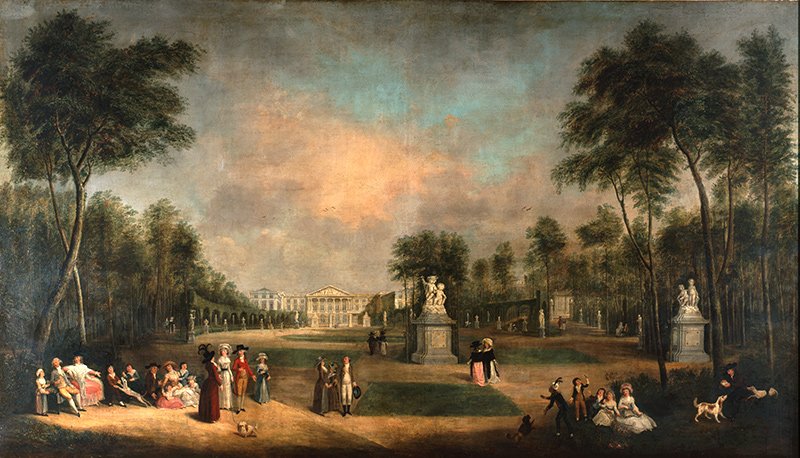
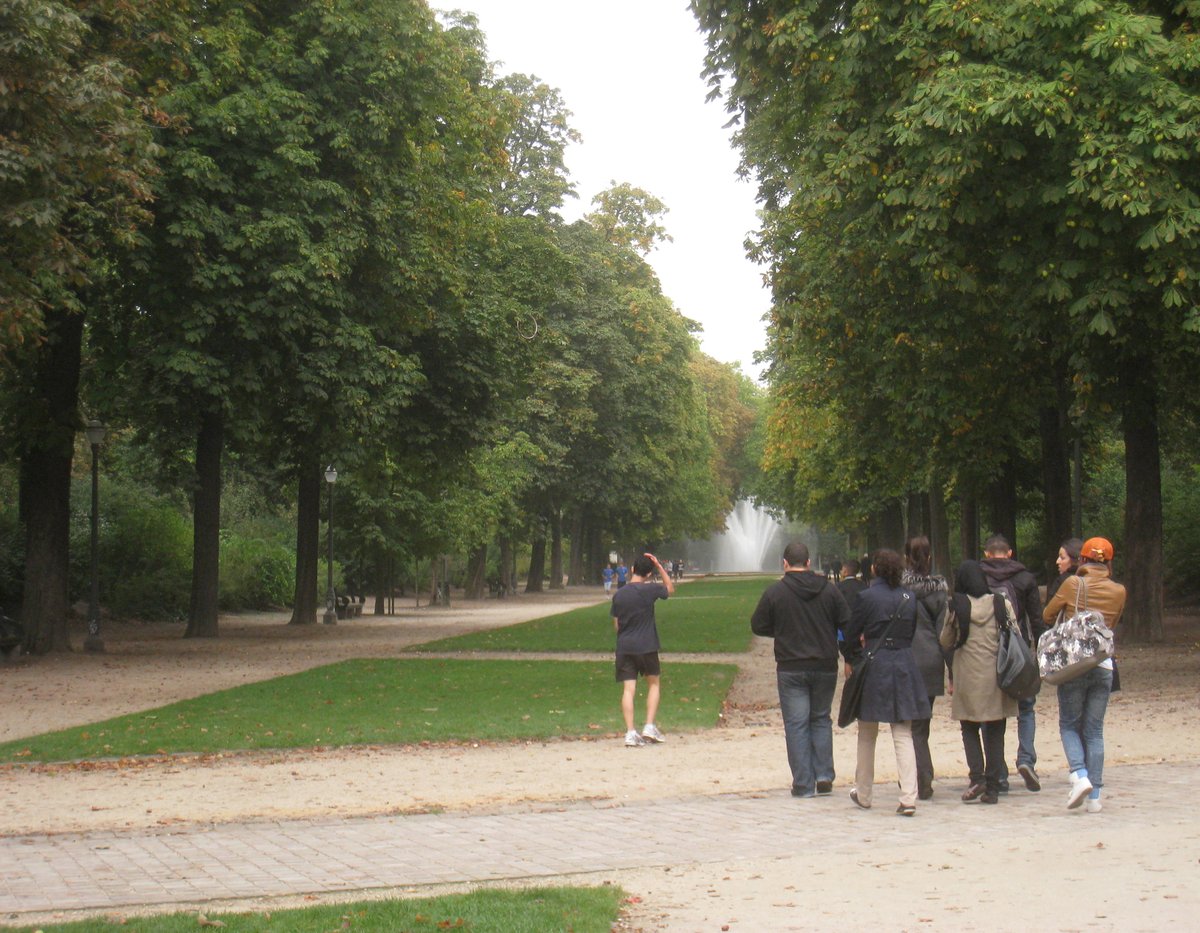
Under the guidance of architect Gilles-Barnabé Guimard and landscape architect Joachim Zinner, the park was laid out between 1776 and 1780 in a neoclassical style. Its symmetrical layout, broad avenues, and geometric parterres embody the rationality and order prized during the Enlightenment (touristplaces.guide; worldwildschooling.com).
Public Access and National Symbolism
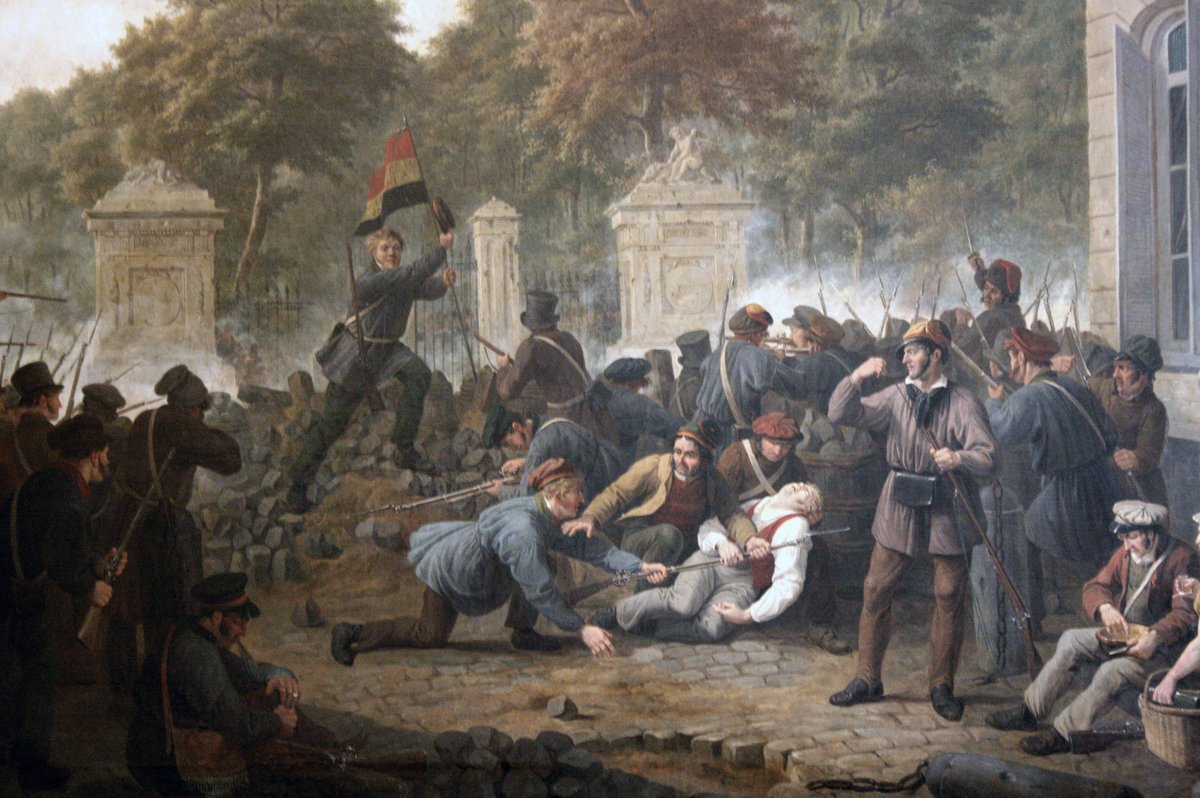
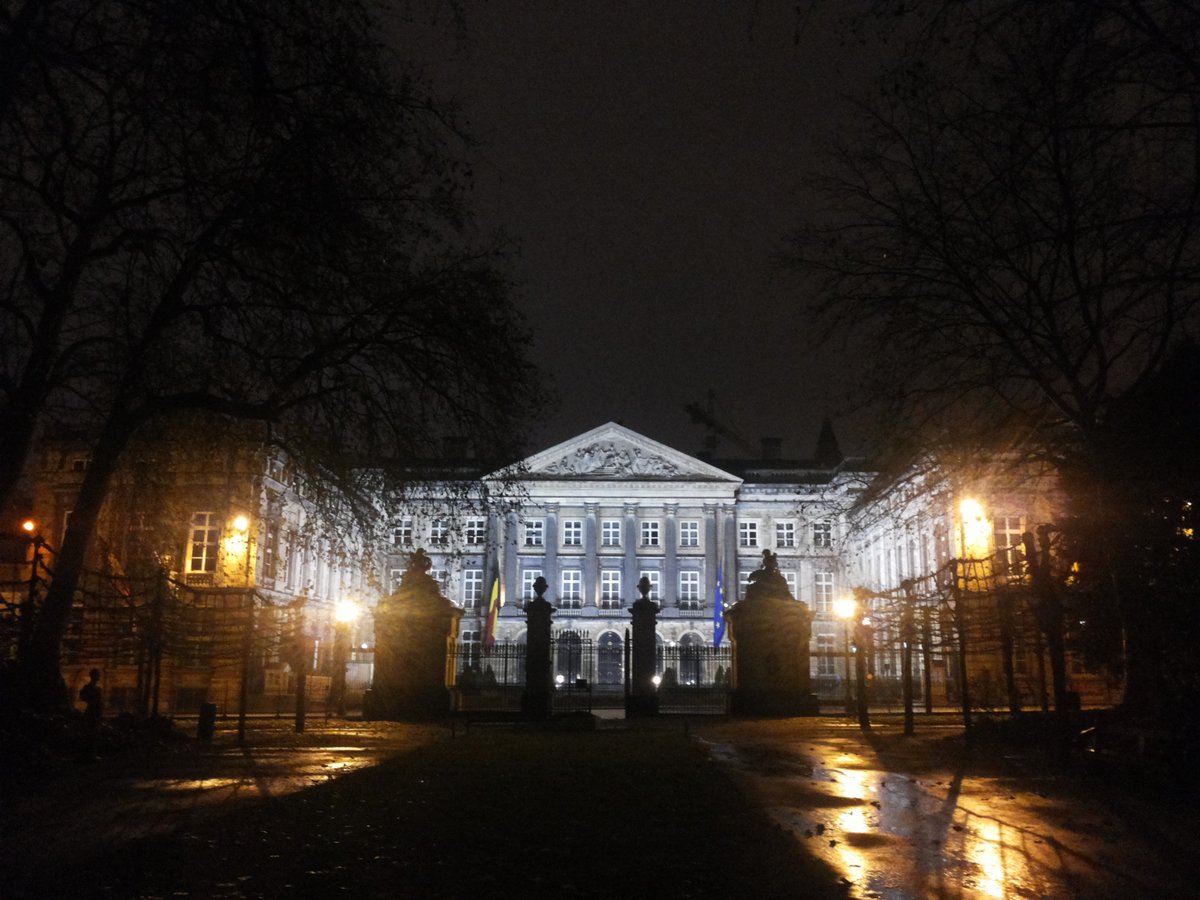
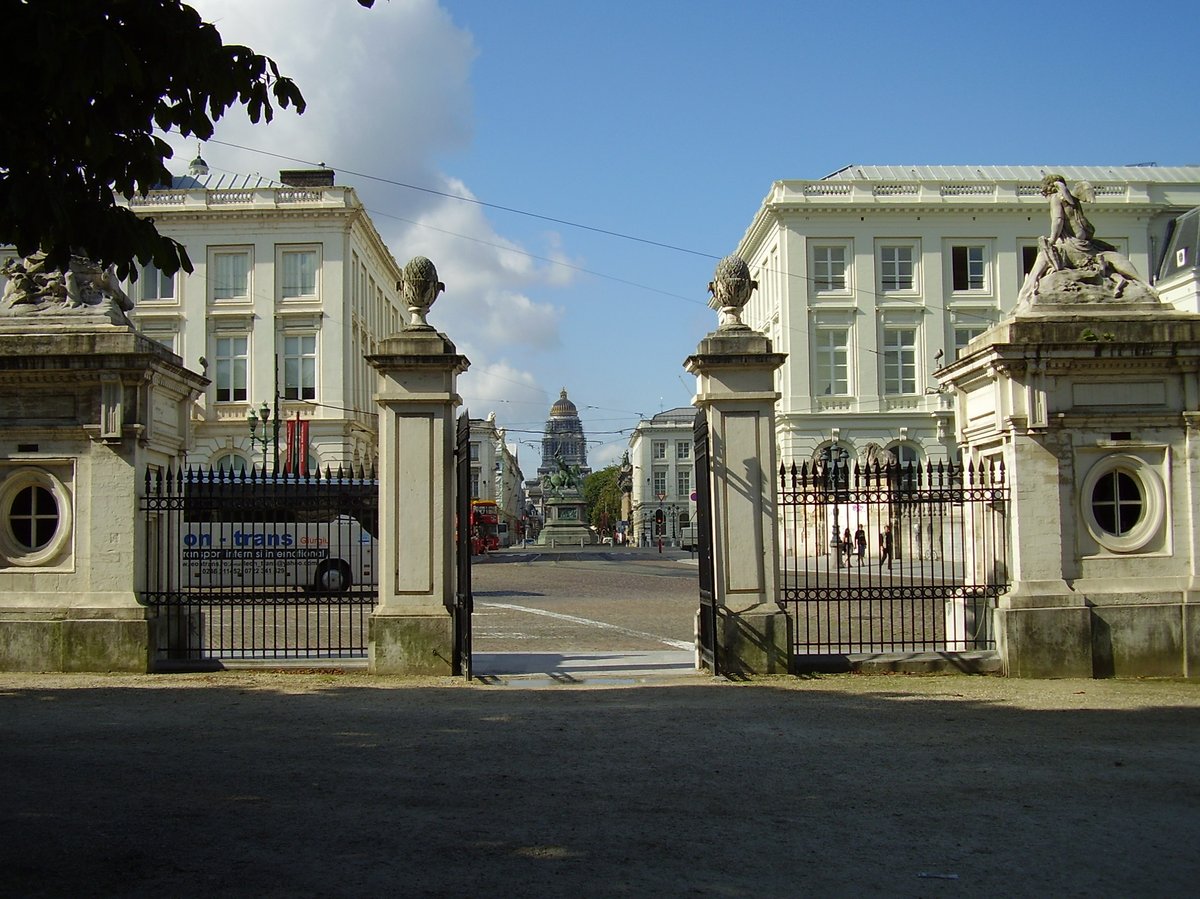
Brussels Park became a symbol of the democratization of urban spaces when it opened to the public in 1865, shortly after Belgium’s independence. Its location—bordered by the Royal Palace, Belgian Parliament, and Place Royale—made it a focal point for national celebrations, political rallies, and public gatherings (touristplaces.guide; britannica.com).
20th Century Renovations & Modern Use
The 20th century brought renovations to accommodate growing city life, with new paths, seating, and landscaping. The park cemented its reputation as a venue for open-air concerts, cultural festivals, and community events. Its sculptures and monuments—such as the bust of Peter the Great—further enrich its historical significance (makeabucketlist.co.uk).
Visitor Information
Visiting Hours
Brussels Park is open daily. Typical hours are:
- Spring/Summer (April–September) 7:30 AM – 8:00 PM
- Autumn/Winter (October–March) 8:00 AM – 6:00 PM
On public holidays or during special events, hours may vary—check the official website for updates.
Tickets and Admission
- Entry Free of charge
- Special events/guided tours Some may require tickets—verify details in advance
Accessibility
- Wheelchair/stroller accessible Paved paths, ramps, and benches
- Public transport Metro stations Parc/Park and Trône/Troon are nearby; multiple bus and tram lines serve the area (Visit.Brussels)
- Bicycle racks Available at park entrances
Travel Tips
- Best time to visit Spring and summer for blooming gardens and outdoor events
- Quietest times Early mornings and late afternoons
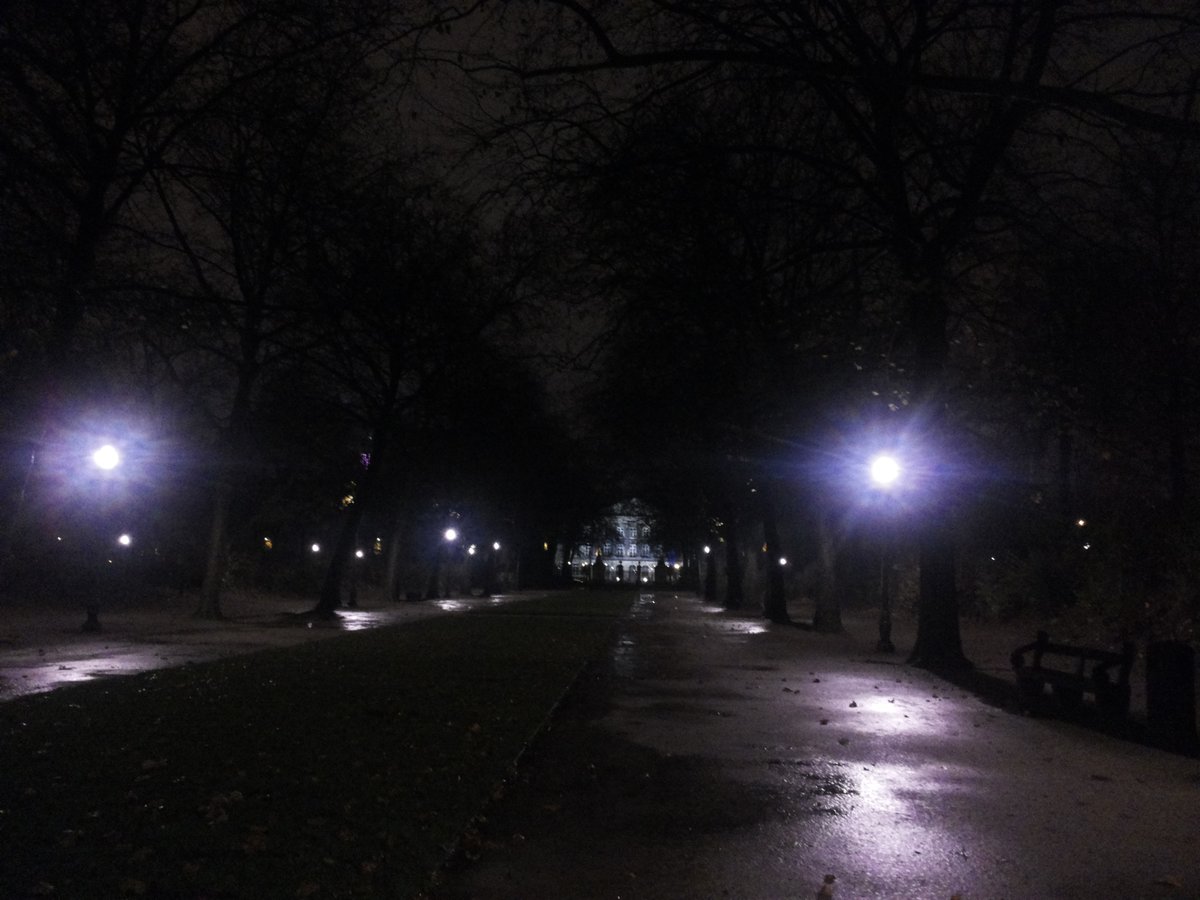
- Photography Best light during early morning or late afternoon; scenic spots include the central pond and main avenues
Main Attractions and Features
Historic Monuments and Statues
Throughout the park, visitors will find statues honoring Belgian monarchs and cultural figures, including King Leopold II and Peter the Great (mytripwise.com). Plaques provide historical context, making the park an open-air museum.
Gardens and Landscaping
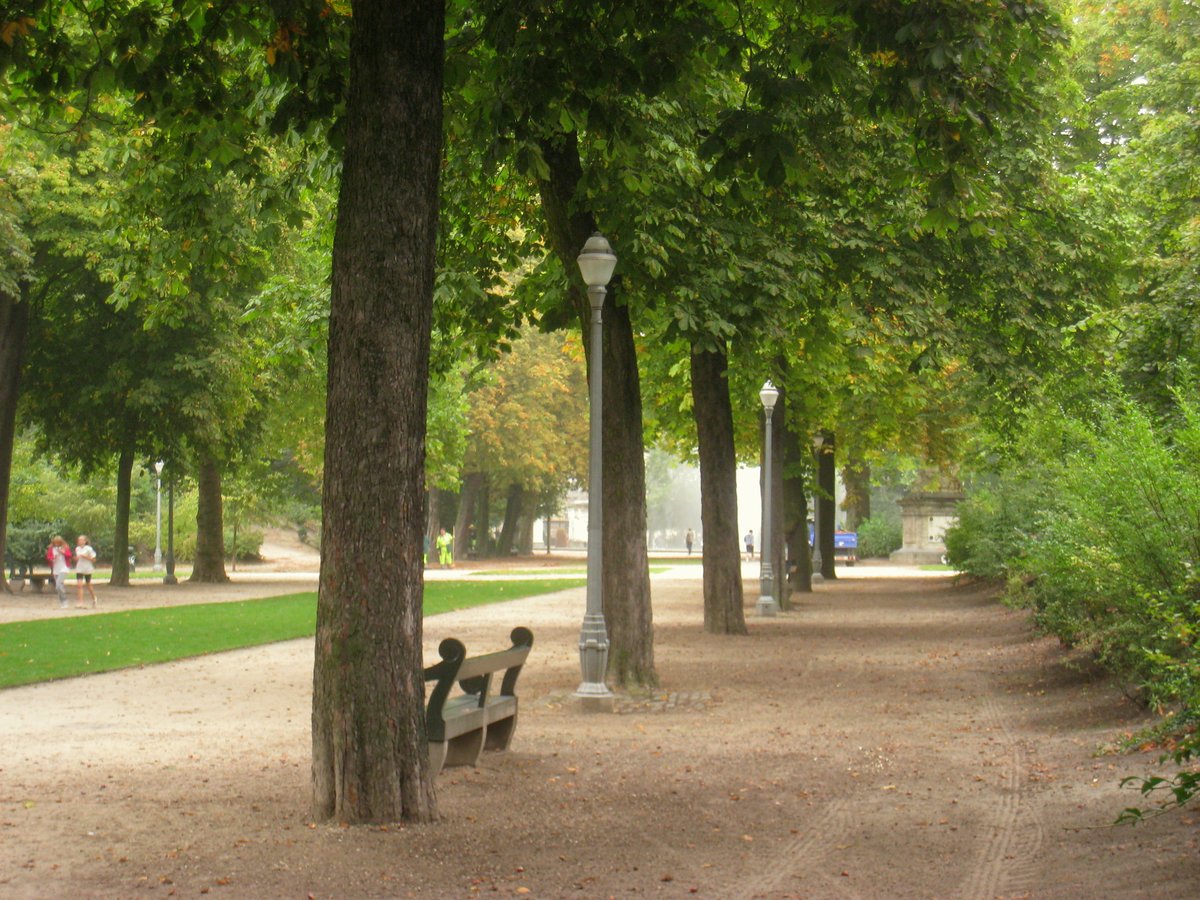
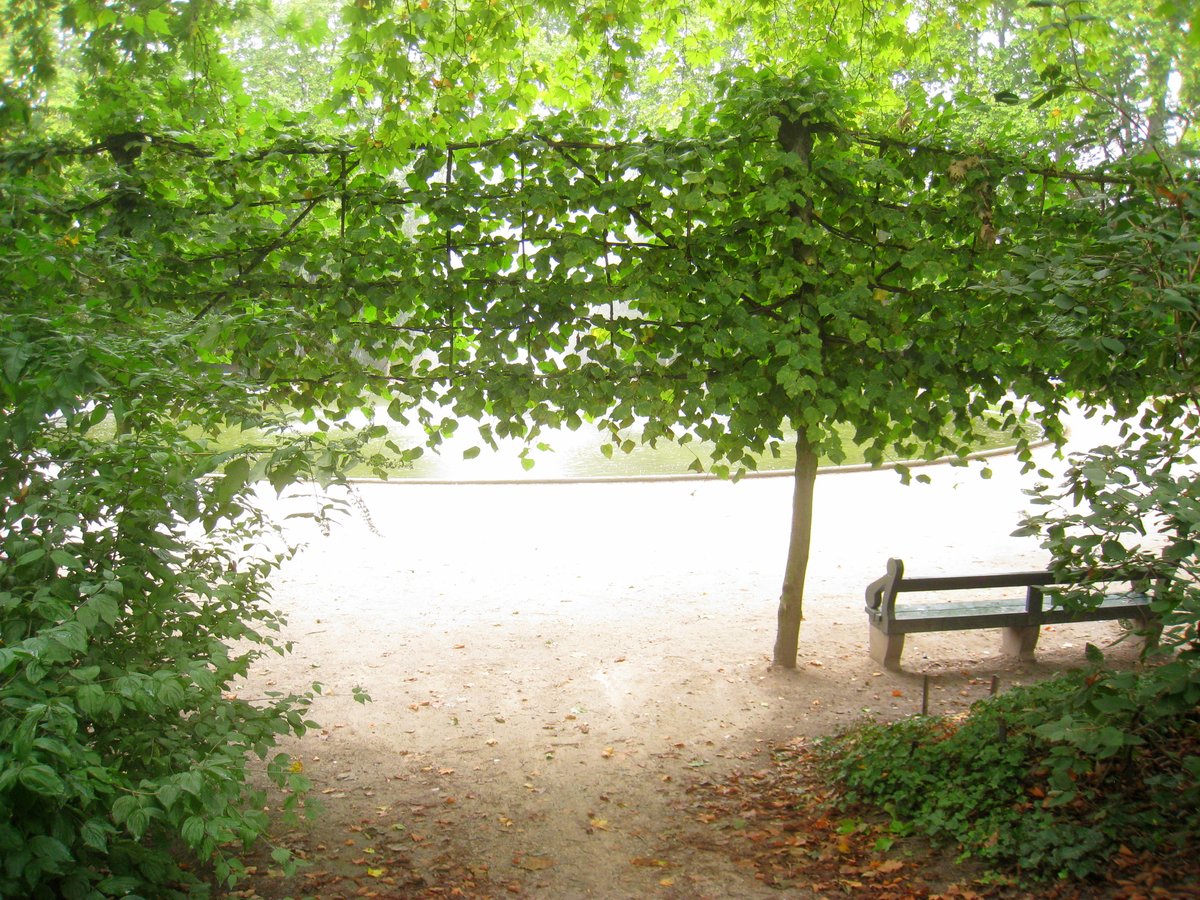
The park’s design blends French geometric order with English landscape elements. Mature chestnut, lime, and plane trees provide shade, while seasonal flowerbeds create vibrant displays. The central pond, home to swans and ducks, is a tranquil focal point (brussels-express.eu).
Fountains and Water Features
Several fountains, including the prominent central fountain surrounded by benches, offer relaxing spots to unwind (fullsuitcase.com).
Open-Air Art and Sculptures
Numerous 19th-century sculptures and allegorical figures are placed throughout, celebrating the arts, sciences, and virtues (brussels-express.eu).
Notable Buildings
- Royal Park Theatre 18th-century venue with regular performances (Wikipedia)
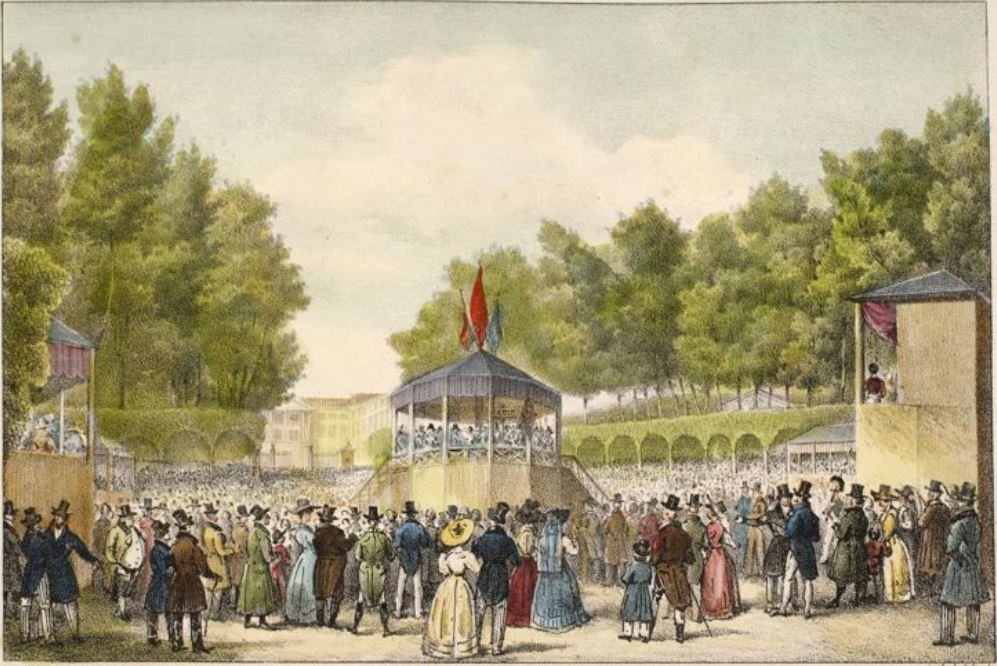
- Vauxhall of Brussels Open-air theater hosting concerts and cultural events
- Muziekkiosk (Music Gazebo) Site of summer music performances (Go Travel Daily)
Recreational Facilities
- Playgrounds Suitable for families with children
- Seating Benches along avenues and near the pond
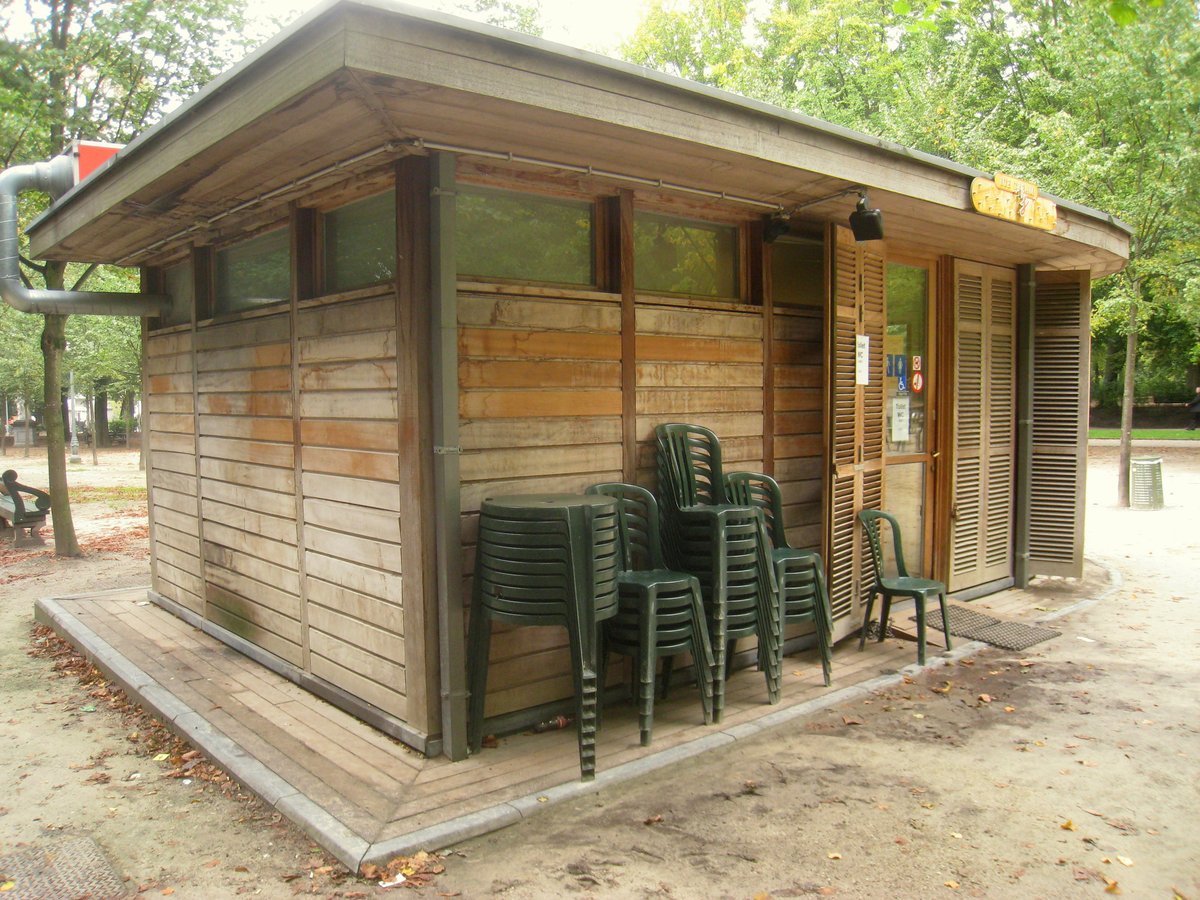
- Cafés/Kiosks Seasonal kiosks and nearby cafés offer refreshments (wanderlustandlife.com)
Events and Cultural Activities
Brussels Park is a year-round venue for open-air concerts, art installations, and festivals. Highlights include:
- Summer Open-Air Cinema (Four Around the World)
- Concerts at Muziekkiosk and Vauxhall
- Ommegang Festival (Visit Brussels)
- Classissimo Festival (classical music, August)
- National Day (July 21) Parades and fireworks
Guided Tours and Experiences
Guided walking tours often include Brussels Park as a central highlight, focusing on its historical, architectural, and artistic features. In 2025, select tours offer access to restricted areas of the Royal Palace and interactive park exhibits (mytripwise.com). Check with local providers or the Brussels Info Place for schedules and bookings.
Practical Visitor Tips
- Wear comfortable shoes The park covers a large area, ideal for strolling.
- Layered clothing recommended Brussels weather can be unpredictable.
- Dogs allowed Must be leashed; owners must clean up after pets.
- Restrooms available Some may require a small fee.
- Personal photography welcome For professional shoots, request permission from city authorities.
Frequently Asked Questions (FAQ)
Q: What are the park’s visiting hours?
A: Open daily, generally from 7:30 AM to 8:00 PM in spring/summer, and 8:00 AM to 6:00 PM in autumn/winter. Some sources mention 24/7 access, but daylight hours are recommended for safety.
Q: Is there an entry fee or ticket required?
A: No, entry is free. Special events or guided tours may require advance booking and a fee.
Q: Is Brussels Park wheelchair accessible?
A: Yes, main paths are paved and accessible.
Q: Can I bring my dog?
A: Yes, but keep dogs on a leash.
Q: Are guided tours available?
A: Yes, via local operators and the Brussels Info Place (Visit Brussels).
Q: Are there events to look out for?
A: Summer concerts, open-air cinema, Ommegang Festival, and more.