Baroque Foundations and Symbolism
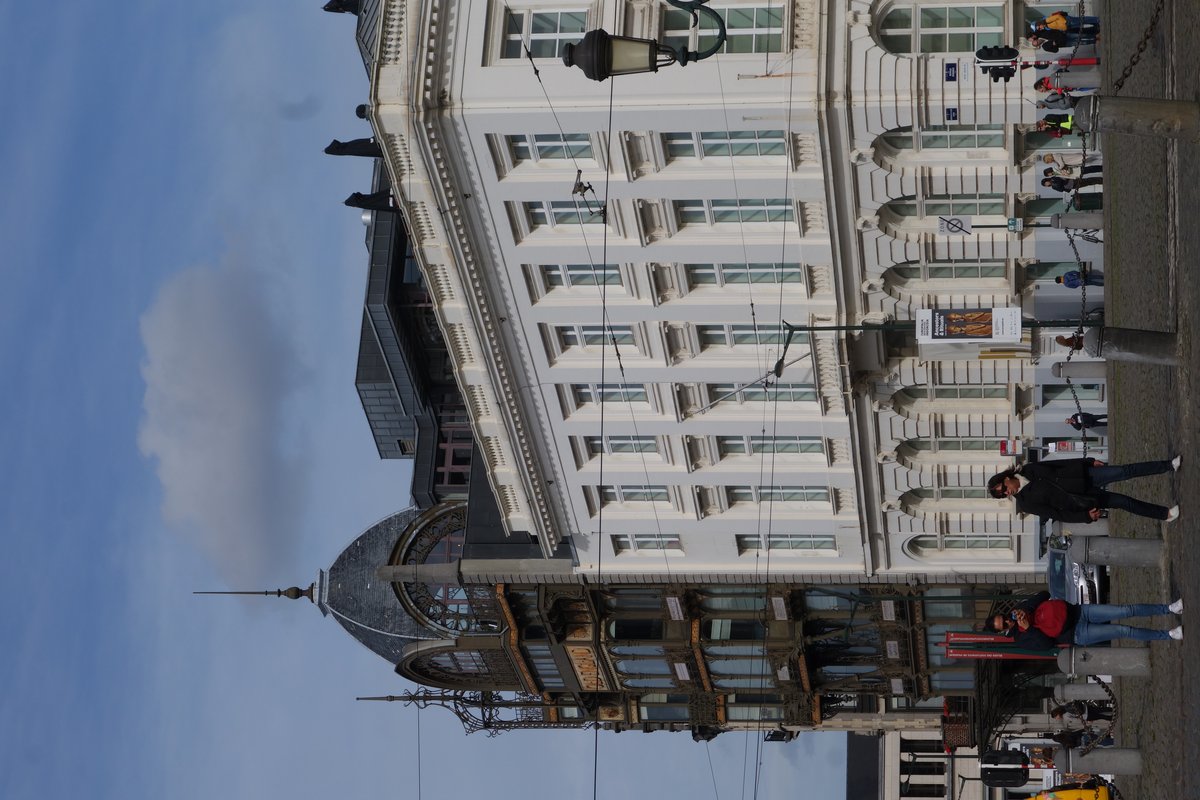
Bellona House was constructed around 1697 by Jean Cosyn, a master sculptor-architect who played an instrumental role in restoring Brussels’ Grand Place after its destruction in 1695. The building’s façade is a striking example of Flemish Baroque, crowned by a bust of Bellona, the Roman goddess of war—an allegorical figure commemorating the 1697 Battle of Zenta and symbolizing valor and imperial triumph (Heritage Days; Bruxelles Ma Belle).
The decorative program features a trophy backdrop and medallions with Roman emperors, reinforcing its martial theme. The site’s origins as part of the Convent of Our Lady of the Rose Planted in Jericho further embed Bellona House in Brussels’ layered religious and civic history (Atlas Obscura).
Evolution and Preservation
Throughout the 18th and 19th centuries, Bellona House endured urban changes while retaining its architectural integrity. In 1913, under Mayor Charles Buls, the City of Brussels acquired the structure to safeguard its heritage (Heritage Days).
The 1980s marked a turning point: artist Serge Creuz revitalized Bellona House as a center for live performance. A major architectural innovation arrived in 1995, when architect Olivier Noterman and engineer René Greisch installed a modern glass roof over the courtyard, protecting the historic façade and creating a luminous, weather-protected event space (Bruxelles Ma Belle).
Artistic and Cultural Significance
Bellona House’s façade and interior reflect late 17th-century European artistic and political currents, celebrating military victory and civic pride. Today, La Bellone operates as a “maison du spectacle vivant,” supporting Brussels’ vibrant theater, dance, and interdisciplinary arts scenes. The venue hosts rehearsals, workshops, exhibitions, and performances, fostering a close connection between artists and the public (Live the World; Brussels Pictures).
Visitor Information
Visiting Hours
- General Opening Monday 09:00–15:00; Tuesday–Friday 09:00–17:00
- Evenings/Weekends Variable, depending on scheduled events or performances
- Special Events Open to the public during Brussels Heritage Days and select festivals. Always check the official calendar for up-to-date hours.
Tickets and Entry
- Entry Free on open days and during Heritage Days; some performances and workshops require paid tickets (€5–€20).
- Booking Advance booking is advised for popular events. Tickets can be purchased online via the official Bellona House website or at the venue box office during opening hours.
Accessibility
- Physical Access The main entrance, corridor, and courtyard are wheelchair accessible; accessible restrooms are available.
- Visitor Needs Due to the historic nature of the building, some areas may have limited accessibility. Contact the venue in advance to discuss specific requirements.
Getting There
- Address 46 Rue de Flandre/Vlaamsesteenweg, Brussels
- Public Transport Short walk from Sainte-Catherine Metro and tram/bus lines serving the city center
- Parking Limited nearby; public transport is highly recommended
Events and Guided Tours
- Performances and Workshops Regularly scheduled across the performing arts (theater, dance, music, interdisciplinary).
- Guided Tours Offered on Heritage Days and occasionally by appointment; available mainly in French and Dutch, with some English-language options during major events.
Nearby Attractions
- Grand Place Iconic Brussels square, UNESCO World Heritage site
- Maison des Boulangers Historic guild house (Roi d’Espagne)
- Mont des Arts Cultural district with museums and gardens
- Magritte Museum Dedicated to the renowned surrealist artist
The Dansaert and Sainte-Catherine districts nearby are known for trendy shops, cafes, seafood restaurants, and art walks (Visit Brussels).
Frequently Asked Questions (FAQ)
Q: What are Bellona House’s regular visiting hours?
A: Monday 9:00–15:00; Tuesday–Friday 9:00–17:00. Evening and weekend hours depend on scheduled events.
Q: How much do tickets cost?
A: Entry is free on open days, with ticketed performances and workshops usually ranging from €5–€20.
Q: Can I buy tickets onsite?
A: Yes, but advance online booking is recommended for popular events.
Q: Are guided tours available?
A: Occasionally, especially during Heritage Days or by appointment.
Q: Is Bellona House accessible for visitors with disabilities?
A: The main areas are accessible; contact the venue in advance regarding specific needs.
Q: Can I take photographs inside?
A: Photography is permitted in most public areas, except during performances or rehearsals.
Q: Are events held in English?
A: Most events are in French or Dutch; some offer English translation—check event details in advance.
Visuals and Media
- Façade The Baroque entrance, complete with the bust of Bellona (Brussels Pictures)
- Courtyard Luminous space under the glass roof
- Virtual Tours Available on Bellona House’s official website (if provided)
Plan Your Visit
- Arrive early to enjoy the courtyard before crowds
- Combine your visit with local dining or a walk in the Dansaert district
- Download the Audiala app for live updates, event alerts, and exclusive content
- For broader exploration, consider the Brussels Card for discounts at museums and attractions
Additional Note: Bellona House Europa
Important: Do not confuse Bellona House (La Bellone) with the headquarters of Bellona Europa, an environmental NGO located in the European Quarter. The NGO’s offices are not open to tourists and require event registration for entry (Bellona Europa). If you are interested in environmental policy events, check the NGO’s website for their specific visitor protocols.