


Origins and Historical Context
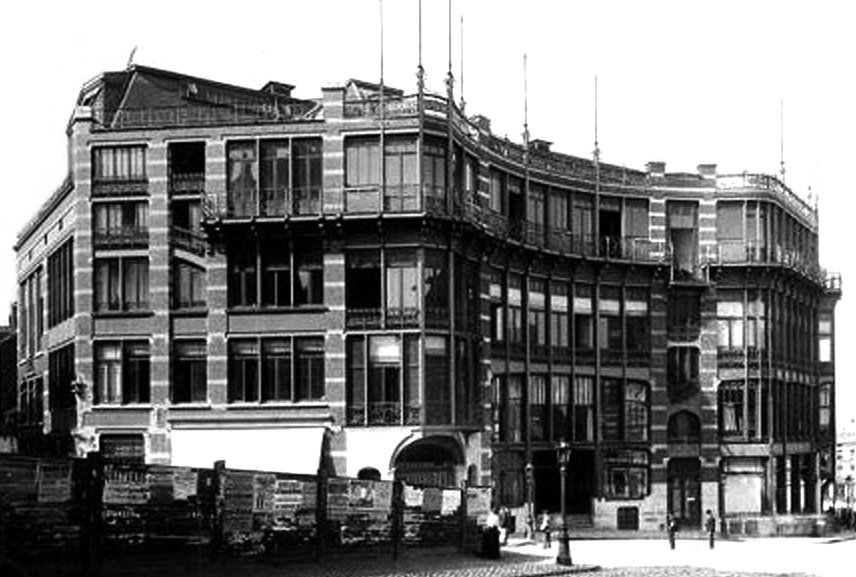
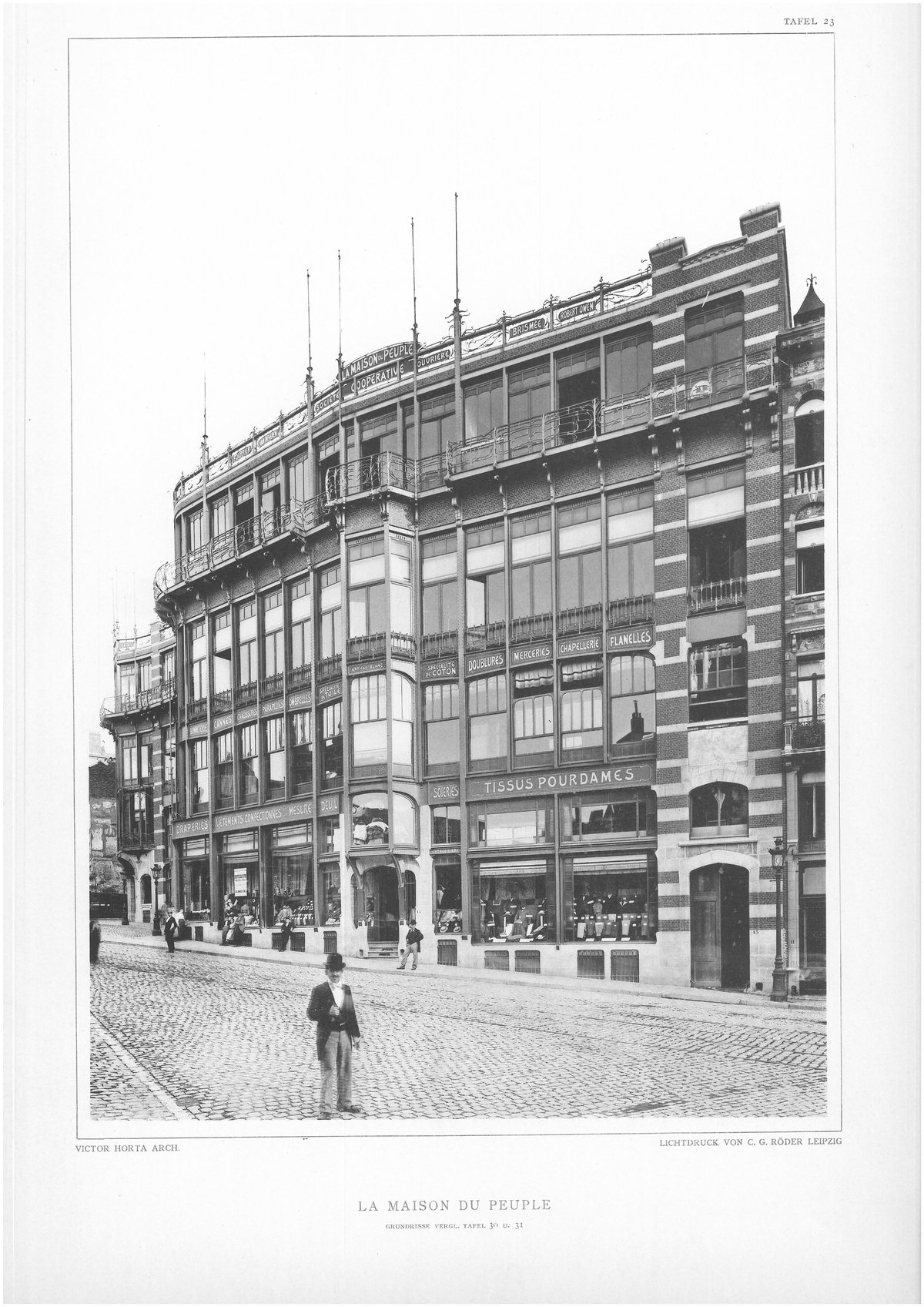
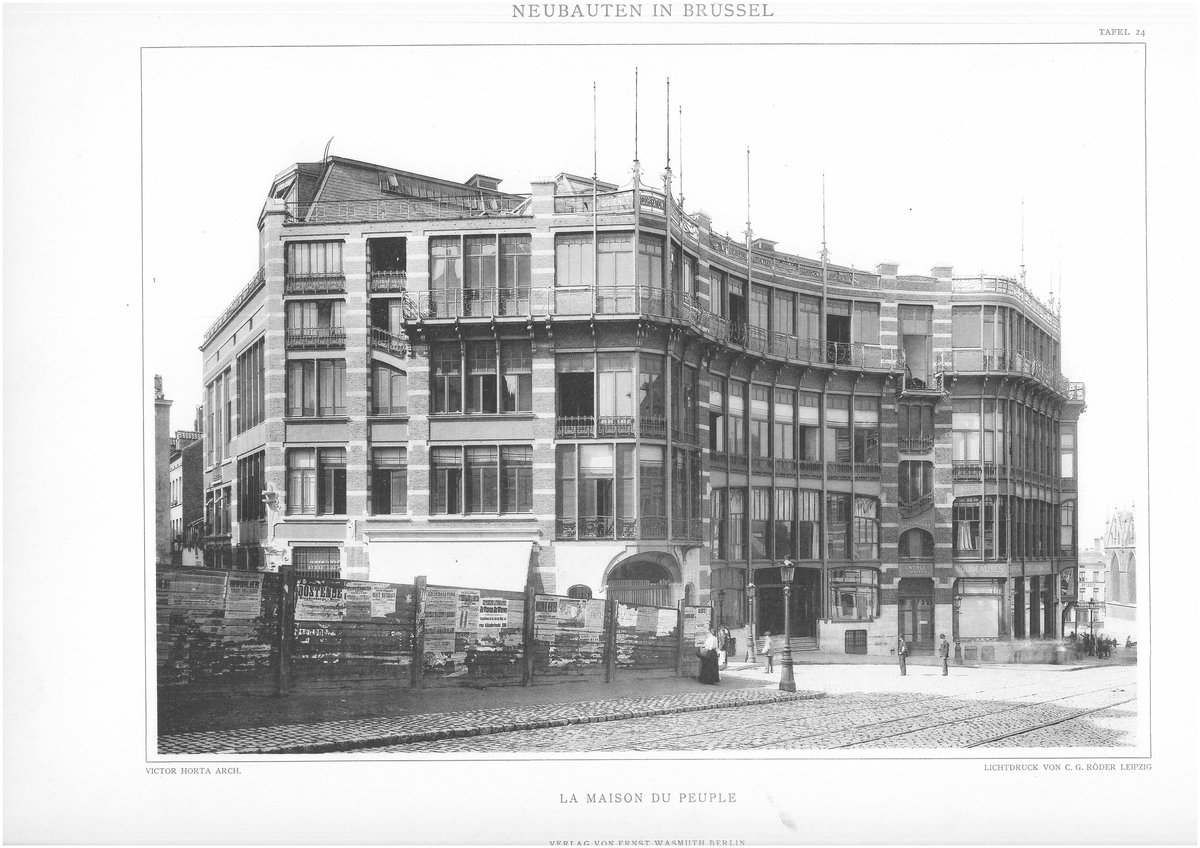
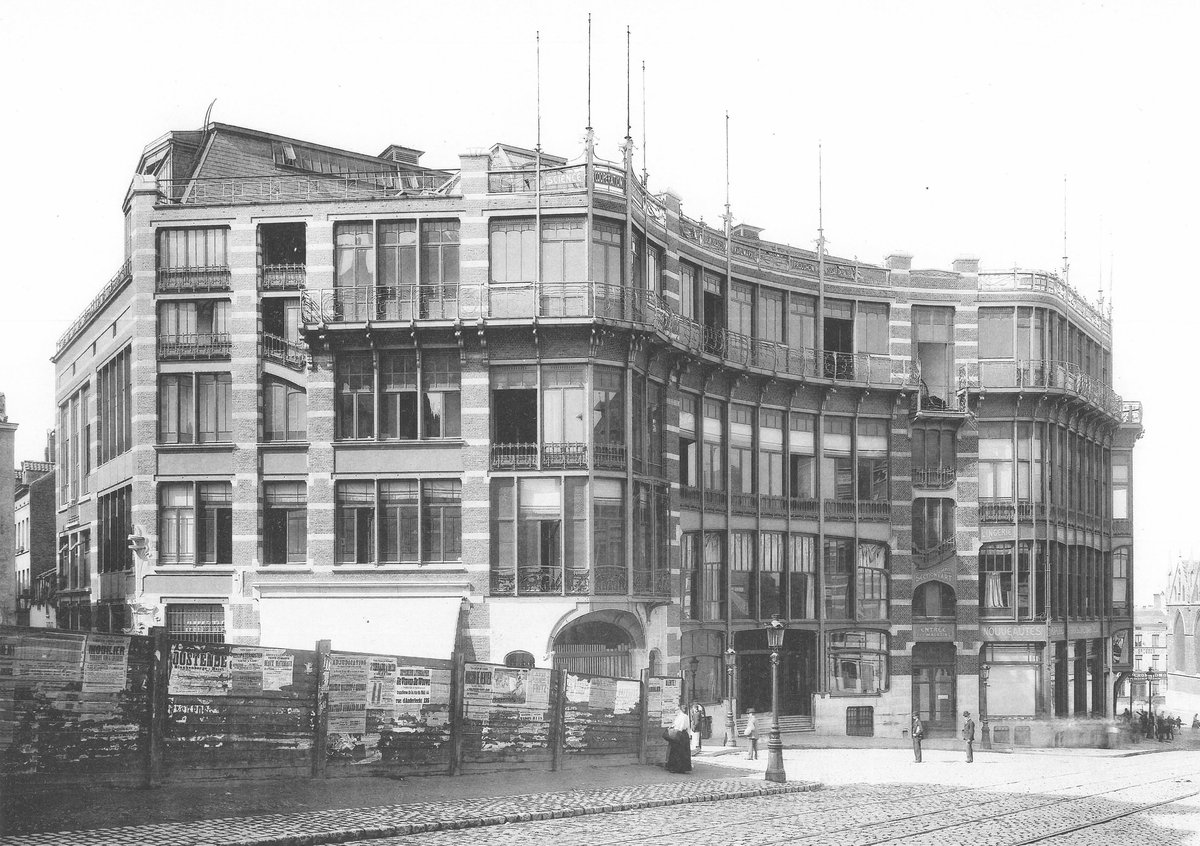
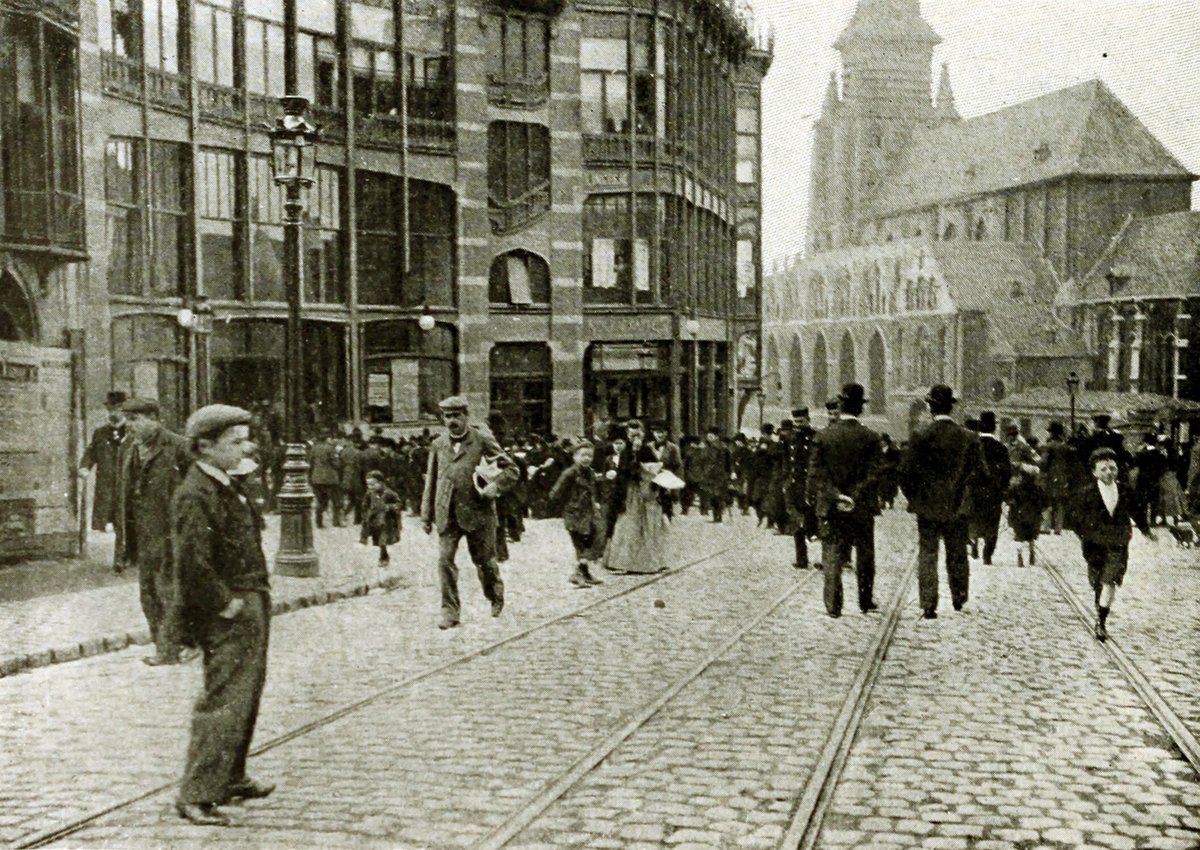
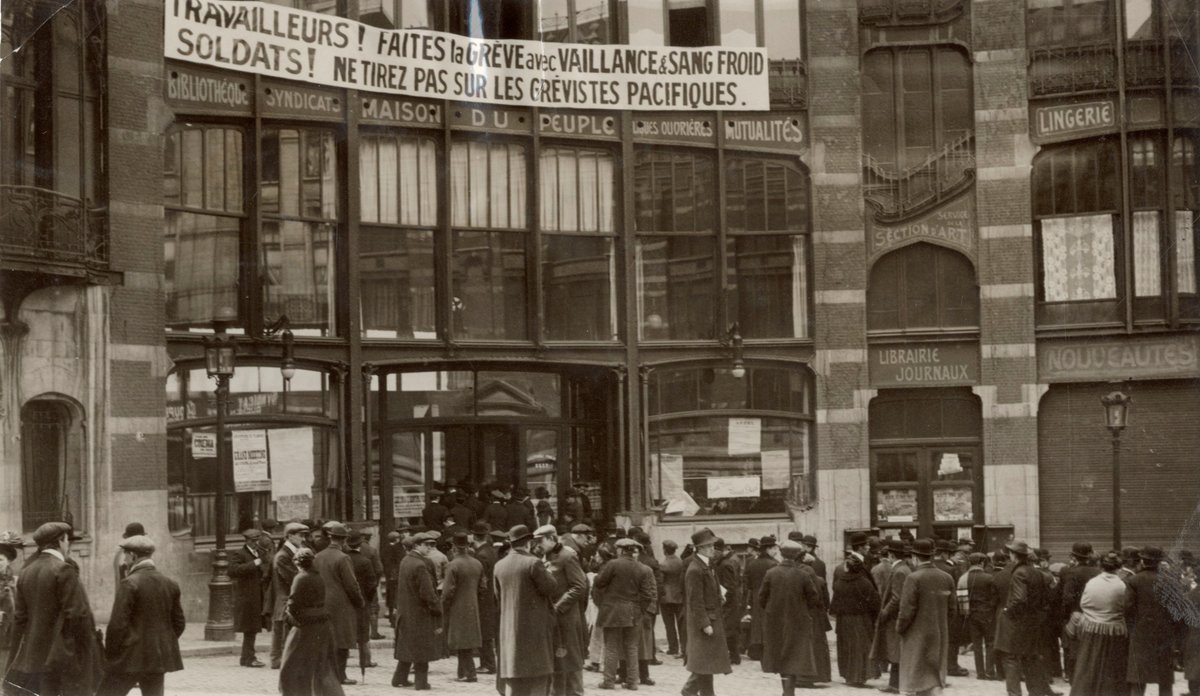
Commissioned by the Belgian Workers’ Party at the dawn of the 20th century, the Maison du Peuple was conceived as a functional headquarters to embody socialist ideals and provide dignified spaces for workers. Victor Horta’s innovative design reflected the party’s goals of education, cultural engagement, and community support. The building quickly became a center for political meetings, cultural events, and public gatherings, playing a crucial role in the life of Brussels’ working class (urban.brussels; hiddenarchitecture.net).
Architectural Significance and Innovations
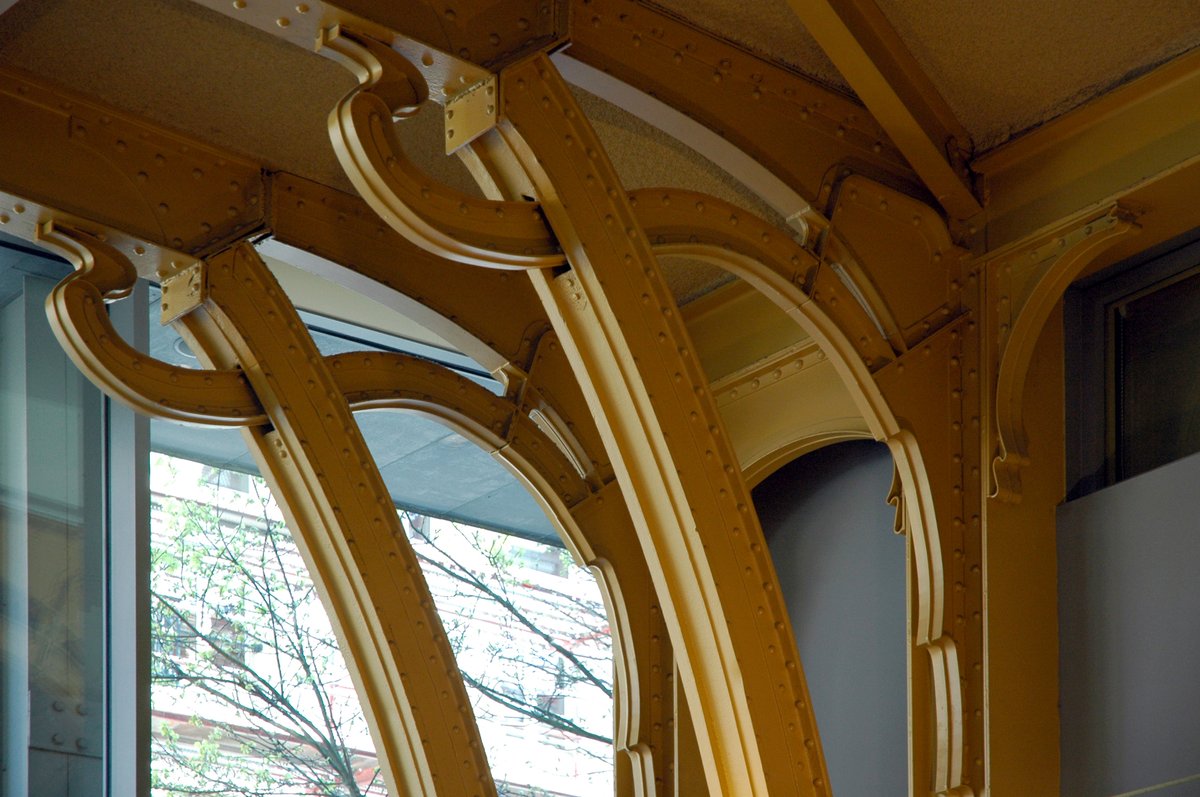
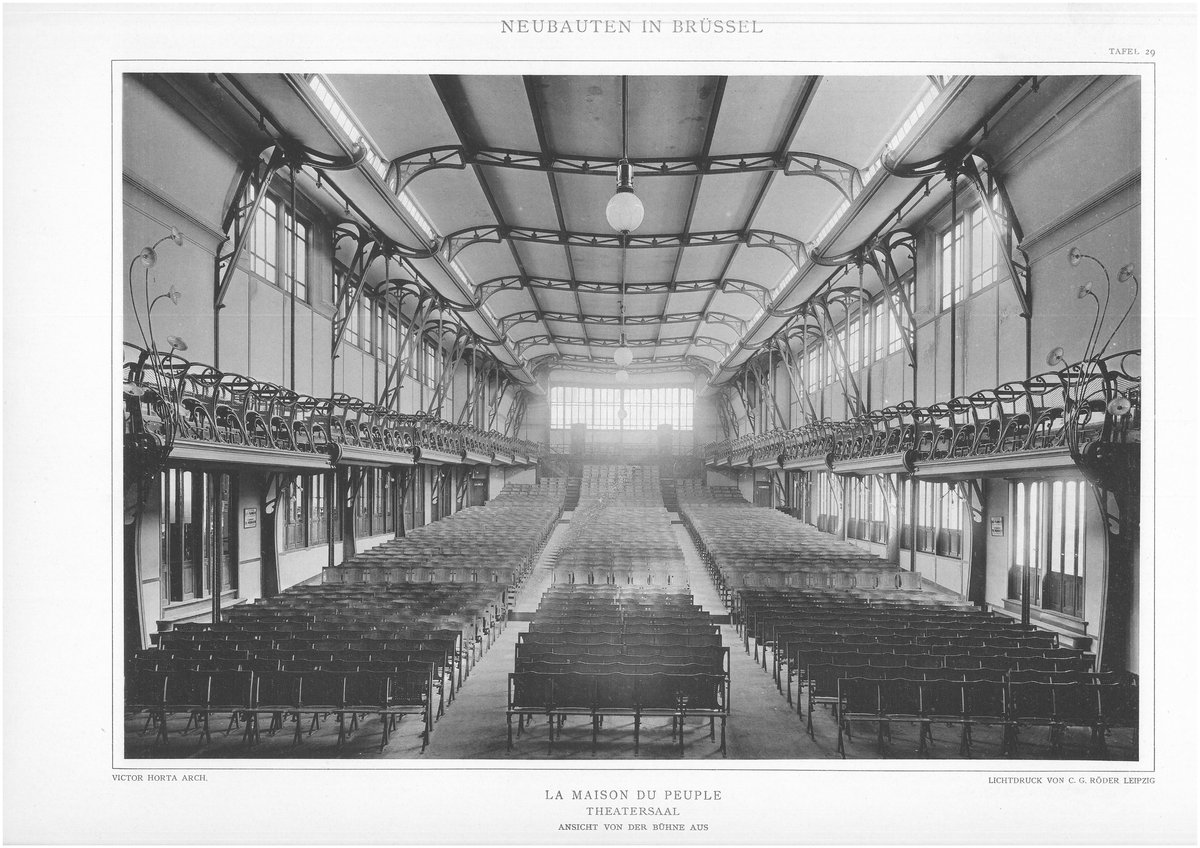
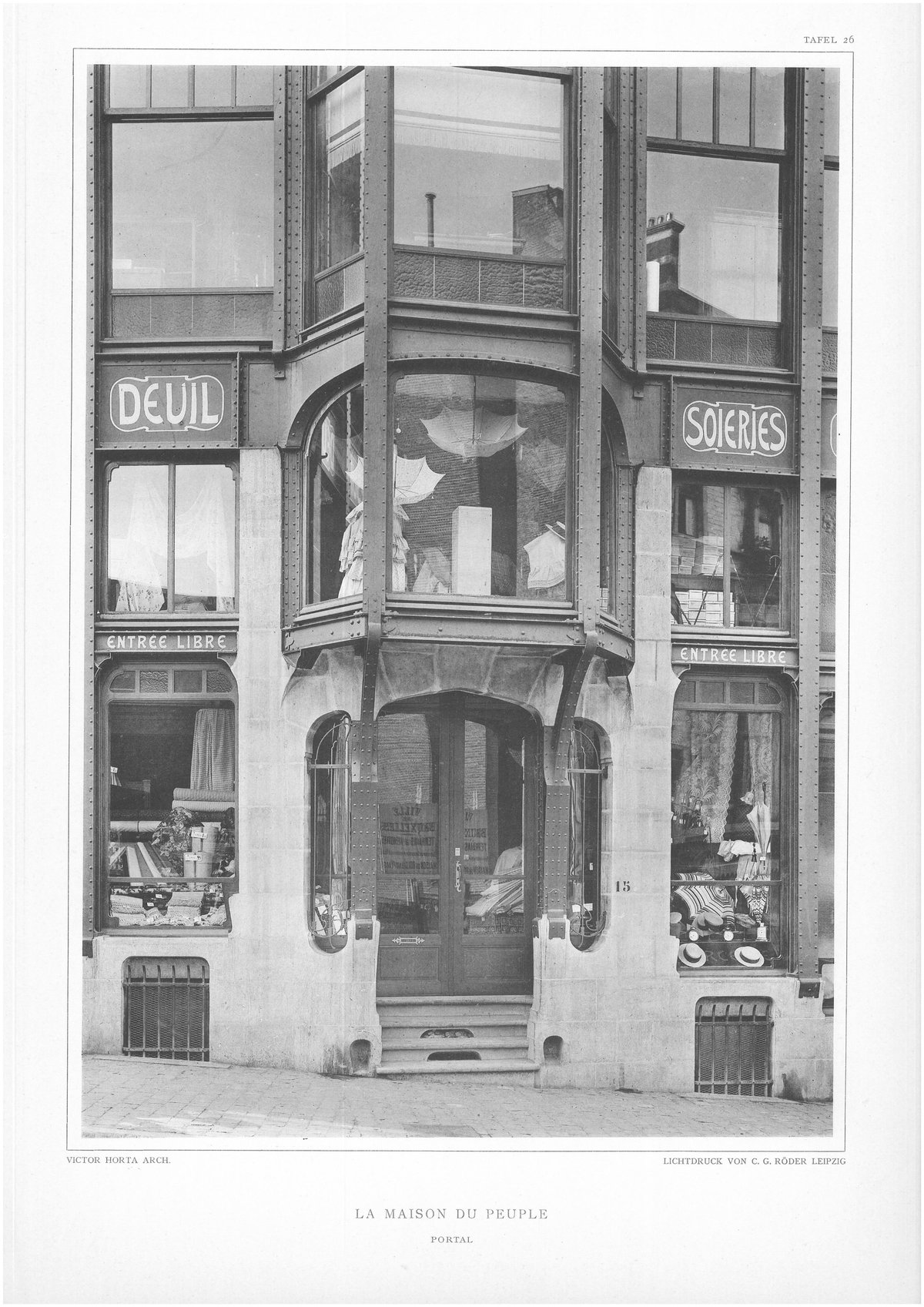
Victor Horta’s Maison du Peuple is celebrated as a crowning achievement of Art Nouveau architecture. Horta employed a steel skeleton frame—a pioneering technique in Brussels at the time—enabling vast open interiors and flexible spaces. The extensive use of glass invited natural light, while the façade and interiors featured flowing lines and organic motifs, seamlessly marrying form and function. The building’s grand auditorium, intricate ironwork, and custom furniture underscored Horta’s holistic design philosophy (urban.brussels; hiddenarchitecture.net).
Demolition and Legacy
Despite its immense cultural and architectural value, the Maison du Peuple was demolished in 1965, replaced by the Blaton Tower. This act of “Brusselisation” became a rallying point for heritage conservation, sparking national and international protests. The loss of the Maison du Peuple galvanized preservation efforts and shifted public consciousness around the importance of protecting architectural heritage (theurgetowander.com; BrusselsLife.be; The Independent).
Fragments of the original building, such as ironwork and decorative elements, survive today in places like the Horta metro station in Saint-Gilles and the Horta Museum, allowing visitors to connect tangibly with this lost masterpiece.
Virtual Reconstructions and How to Visit Today
Virtual Tour Access
Urban Brussels, in partnership with the Horta Museum and Alice Laboratory, has created a free 3D virtual tour. This immersive experience allows users to explore the building’s original spaces, including the offices, ballroom, and café, reconstructed as they appeared at the turn of the century. The tour is accessible online at any time and features interactive elements, historical context, and detailed visuals (urban.brussels).
Visiting Related Victor Horta Sites in Brussels
While the Maison du Peuple itself no longer stands, Victor Horta’s legacy endures at several key sites:
- Horta Museum Horta’s preserved home and studio, open Tuesday to Sunday, 10:00 AM–5:00 PM. Advance ticket booking is recommended. Horta Museum Official Website
- Hôtel Tassel, Hôtel Solvay, Hôtel van Eetvelde: Outstanding examples of Horta’s residential architecture, open to visitors on select days.
- Horta Metro Station (Saint-Gilles) Features original ironwork fragments from the Maison du Peuple, accessible daily as part of the Brussels metro system (BrusselsLife.be).
Guided Tours
Several organizations offer walking tours that highlight Victor Horta’s architectural contributions and the story of the Maison du Peuple. These tours often include visits to Art Nouveau landmarks in the Ixelles and Saint-Gilles districts (visit.brussels).
Practical Visitor Information
- Horta Museum Open Tuesday to Sunday, 10:00 AM–5:00 PM. Tickets approximately €10 for adults, with reductions for students and seniors. The museum is accessible with advance notice (Horta Museum).
- Maison du Peuple Cultural Venue (Saint-Gilles) Open most days, typically 10:00 AM–6:00 PM. General admission is often free; tickets may be required for special events. Check the Saint-Gilles Culture website for schedules.
- Guided Tours Book in advance via visit.brussels or local providers. Tours generally last 2–3 hours and cost €20–€30 per person.
- Accessibility Most major museums and the Horta metro station are accessible to visitors with reduced mobility.
- Transportation Brussels’ tram and metro networks provide convenient access to all major Art Nouveau sites.
Frequently Asked Questions (FAQ)
Q: Can I visit the original Maison du Peuple?
A: The original building was demolished in 1965. Its legacy can be explored virtually, at the Horta Museum, and through preserved fragments at the Horta metro station (urban.brussels; BrusselsLife.be).
Q: How do I access the Maison du Peuple virtual tour?
A: The tour is free and available online via urban.brussels.
Q: Where can I see Victor Horta’s work in Brussels?
A: The Horta Museum, Hôtel Tassel, Hôtel Solvay, and Hôtel van Eetvelde are open to visitors, offering insight into Horta’s Art Nouveau style.
Q: Are guided tours available?
A: Yes, several providers offer Art Nouveau walking tours that include Horta’s buildings and the Maison du Peuple’s history (visit.brussels).
Q: Is the Horta Museum accessible for visitors with reduced mobility?
A: Yes, with advance notice.
Discover More
The Maison du Peuple remains a powerful symbol of Brussels’ commitment to social progress, community, and architectural innovation. While the building itself is lost, its spirit is preserved through virtual experiences, museum exhibitions, and the dynamic cultural life of the city. We encourage you to explore the virtual tour, visit Horta’s surviving buildings, and join guided tours to connect with this remarkable chapter in Brussels’ history.
For updates, ticket bookings, and more on Brussels’ Art Nouveau heritage, download the Audiala app and follow us for exclusive guides and event news.