
Origins and Early Development
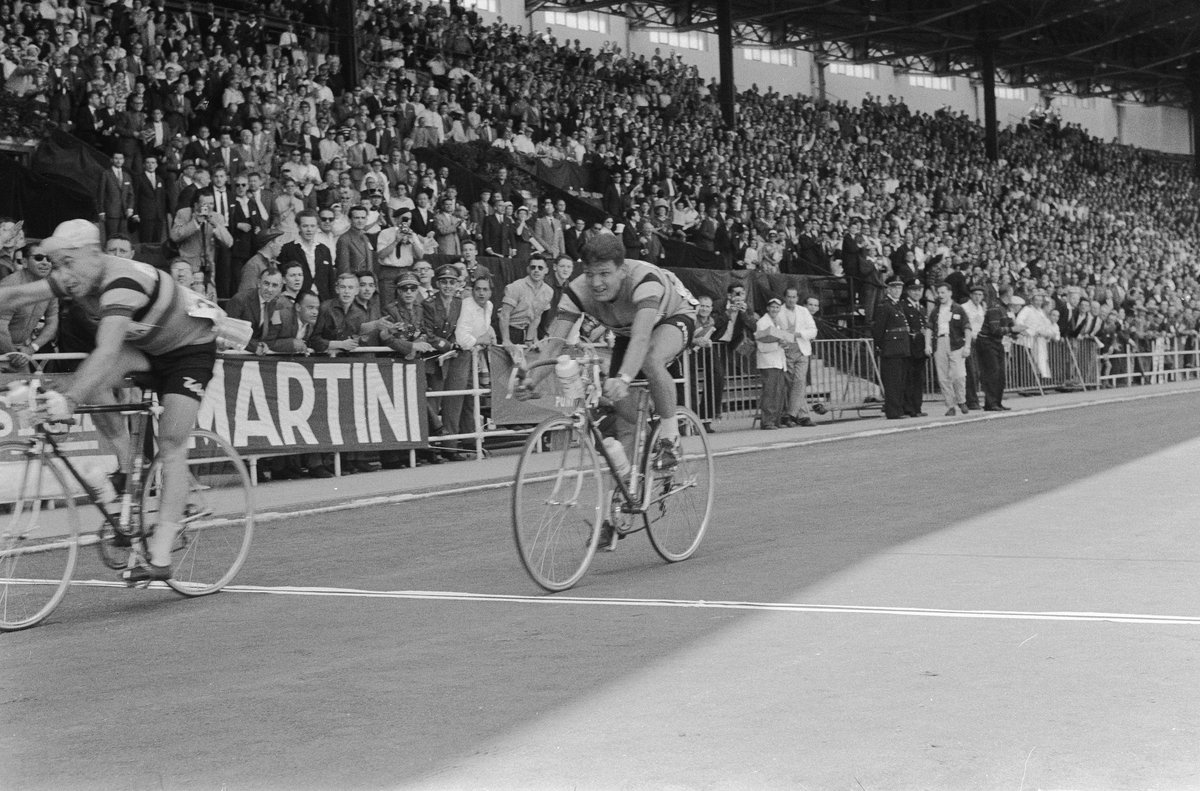
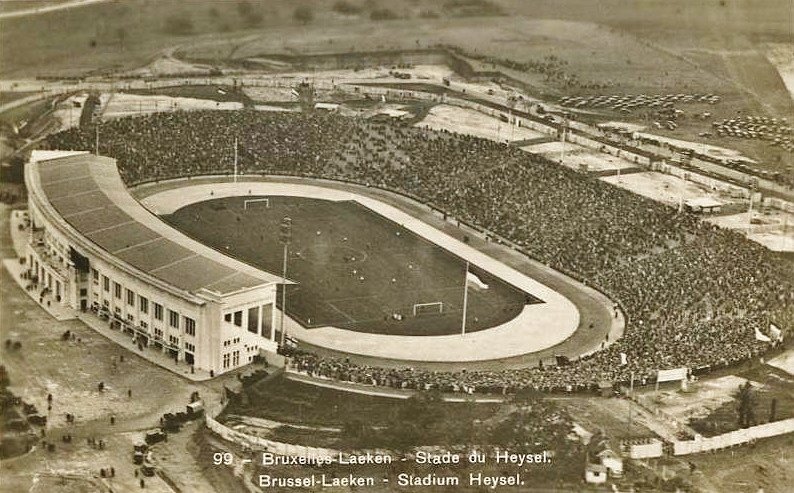
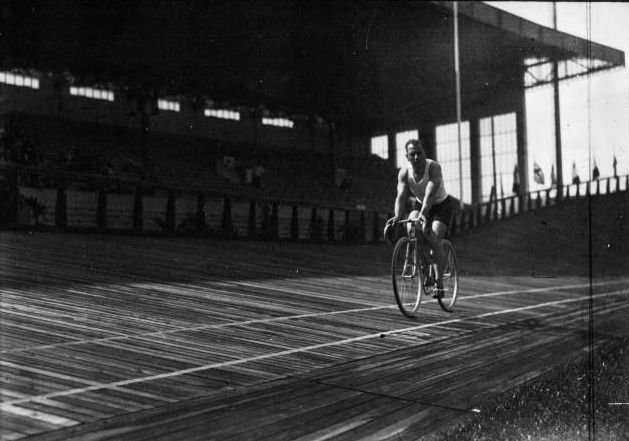
King Baudouin Stadium began as the Centenary Stadium (Stade du Centenaire), constructed to mark Belgium’s 100th anniversary of independence. The project was approved in 1927, designed by architect Joseph Van Neck, and officially opened in August 1930 with the Track Cycling World Championships. Its original Art Deco-inspired design and 75,000-seat capacity made it the largest venue in Belgium at the time, symbolizing the nation’s sporting ambition and architectural innovation (Bruxelles ma Belle).
Transformation and Modernization
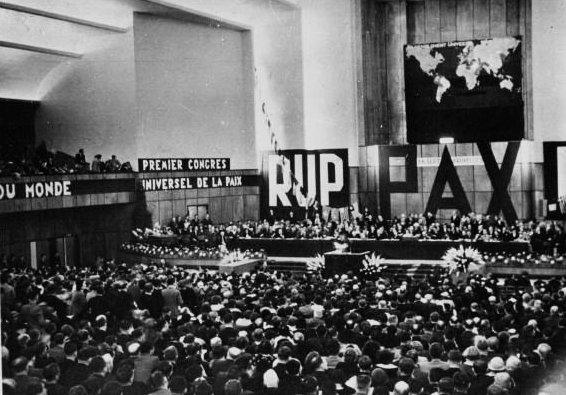
Known as Heysel Stadium for much of the 20th century, it became internationally recognized—both for major football finals and the tragic Heysel disaster in 1985, which profoundly impacted European stadium safety standards (Bruxelles ma Belle). In 1995, a comprehensive renovation transformed the venue, reducing capacity to about 50,000 and adding modern facilities, improved spectator safety, and compliance with UEFA standards. The stadium was renamed in honor of King Baudouin I and has since continued to host major sporting and cultural events (Wikipedia).
Major Sporting and Cultural Events
Home to the Belgian national football team, the Red Devils, King Baudouin Stadium has hosted significant fixtures, including the 1980 UEFA European Championship Final and iconic matches during Belgium’s 2018 FIFA World Cup campaign. It is also the site of the annual Memorial Van Damme athletics meet and large-scale concerts by international superstars, cementing its status as a hub for both sports and entertainment (Bruxelles ma Belle, Football Tripper).
Stadium Architecture and Facilities
Layout and Capacity
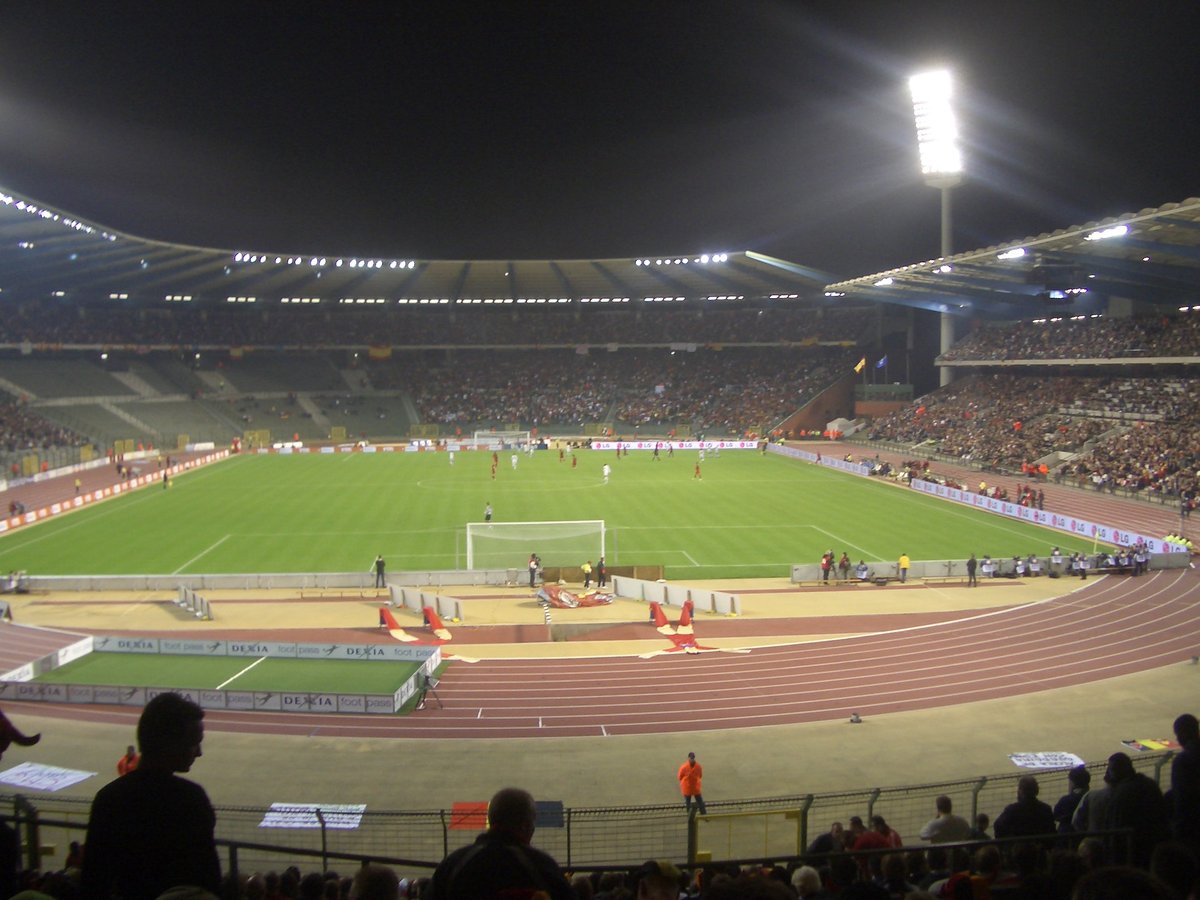
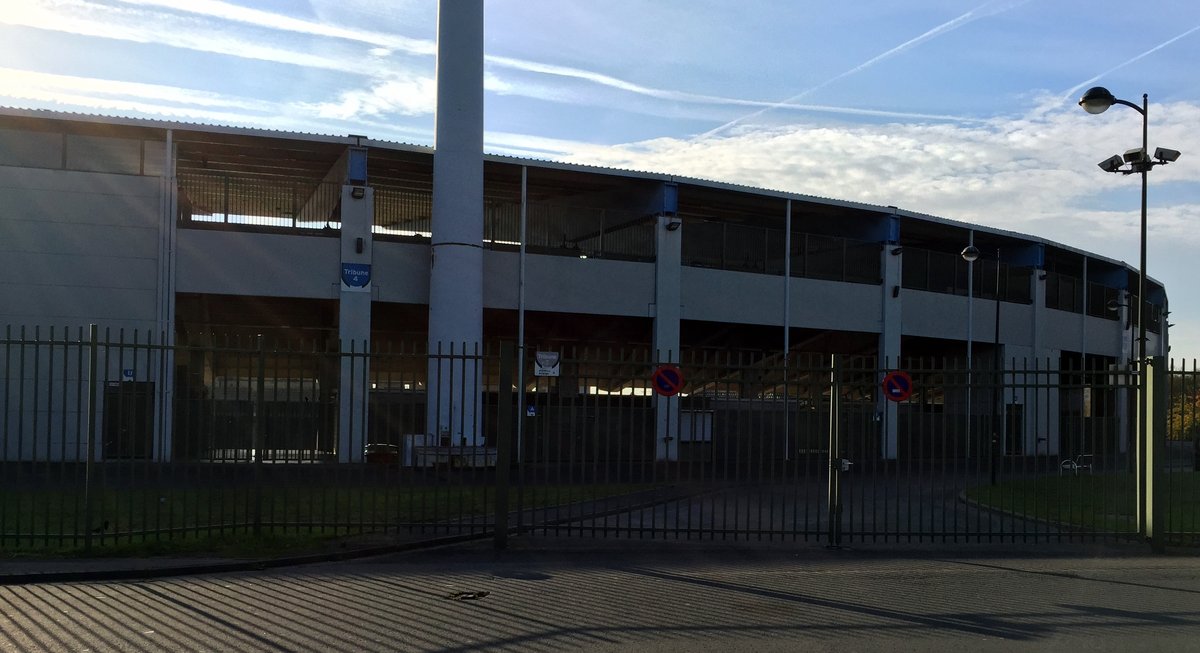
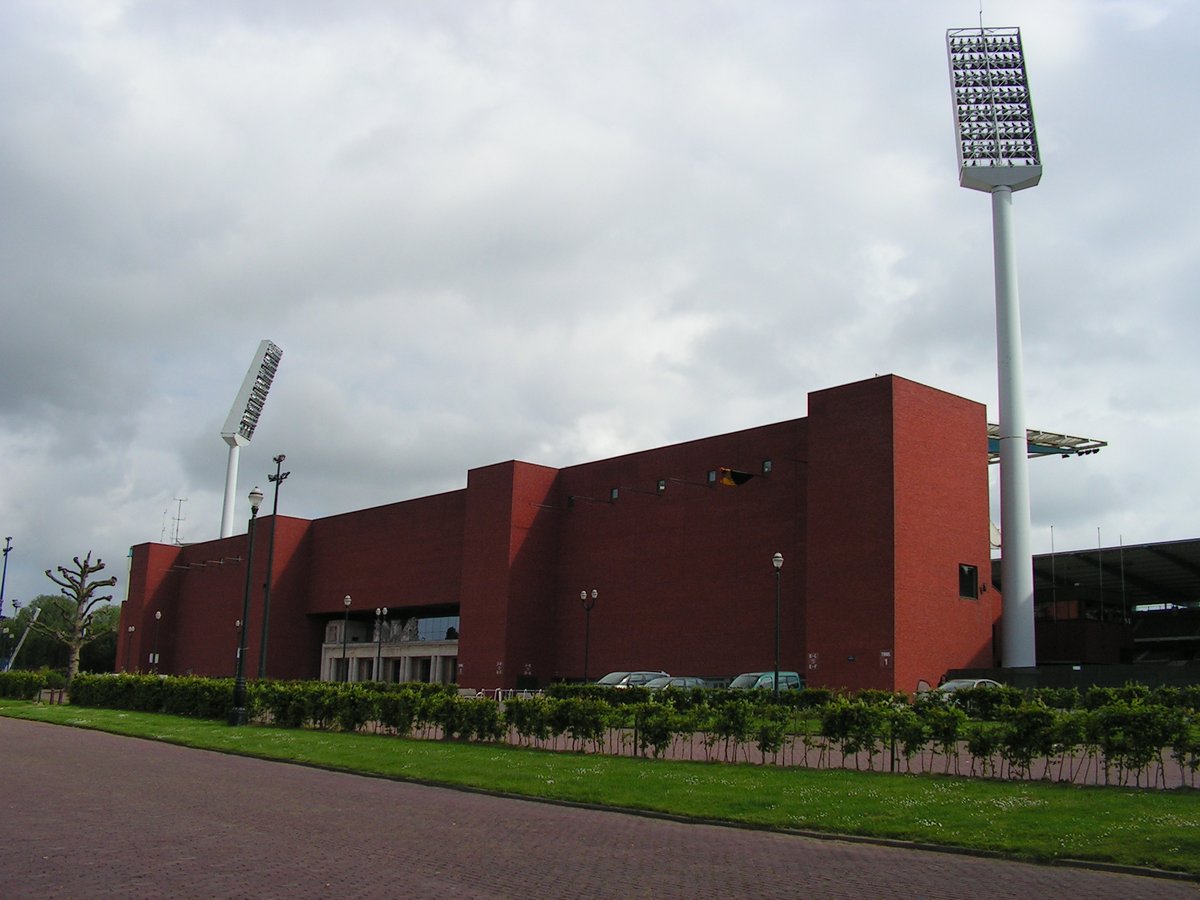
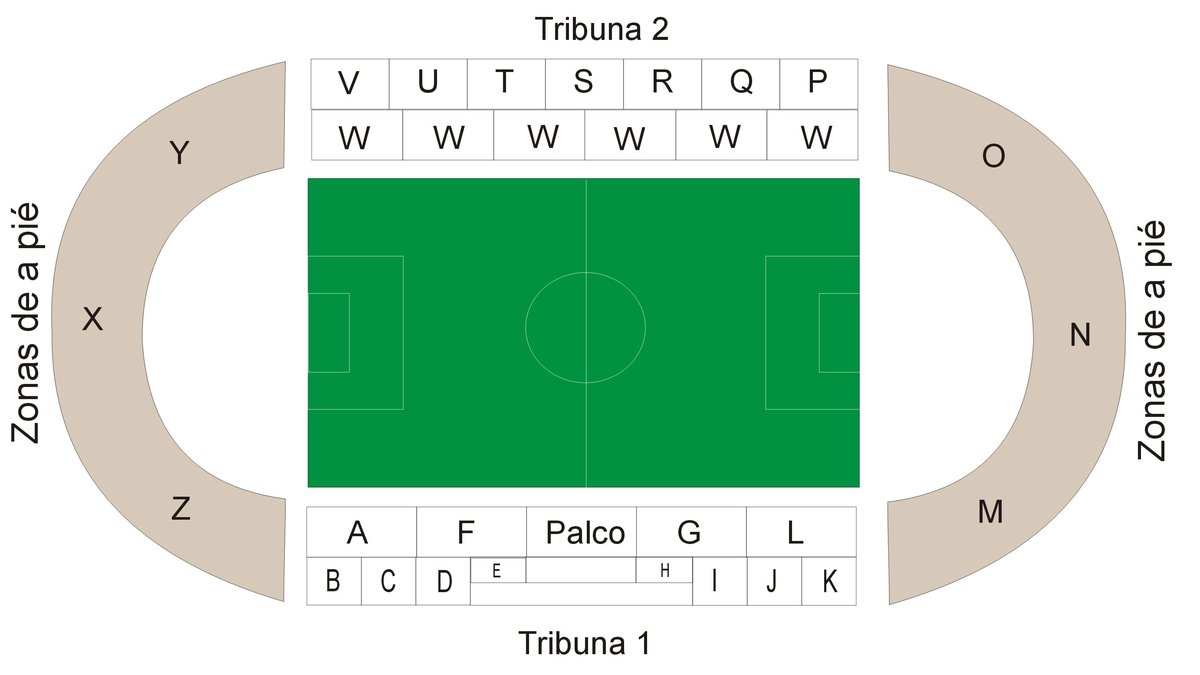
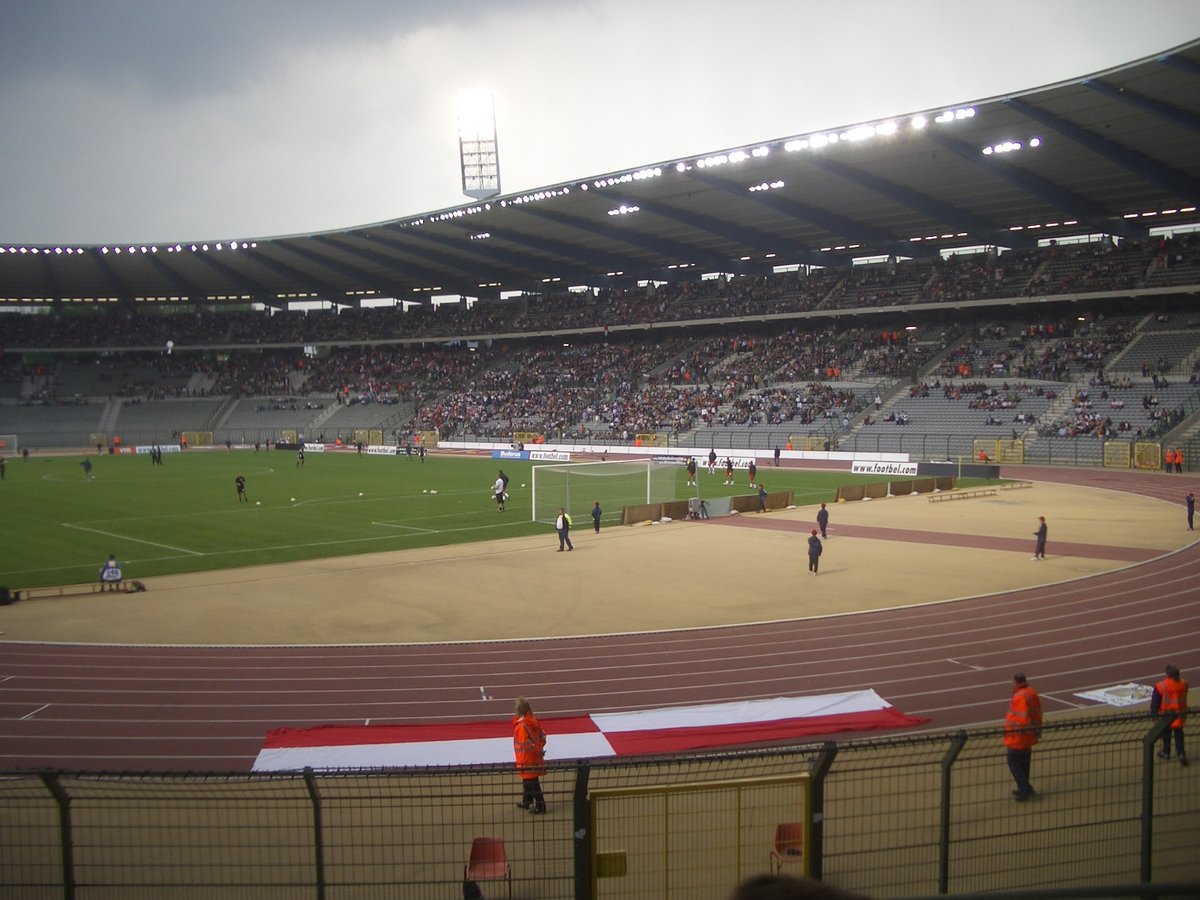
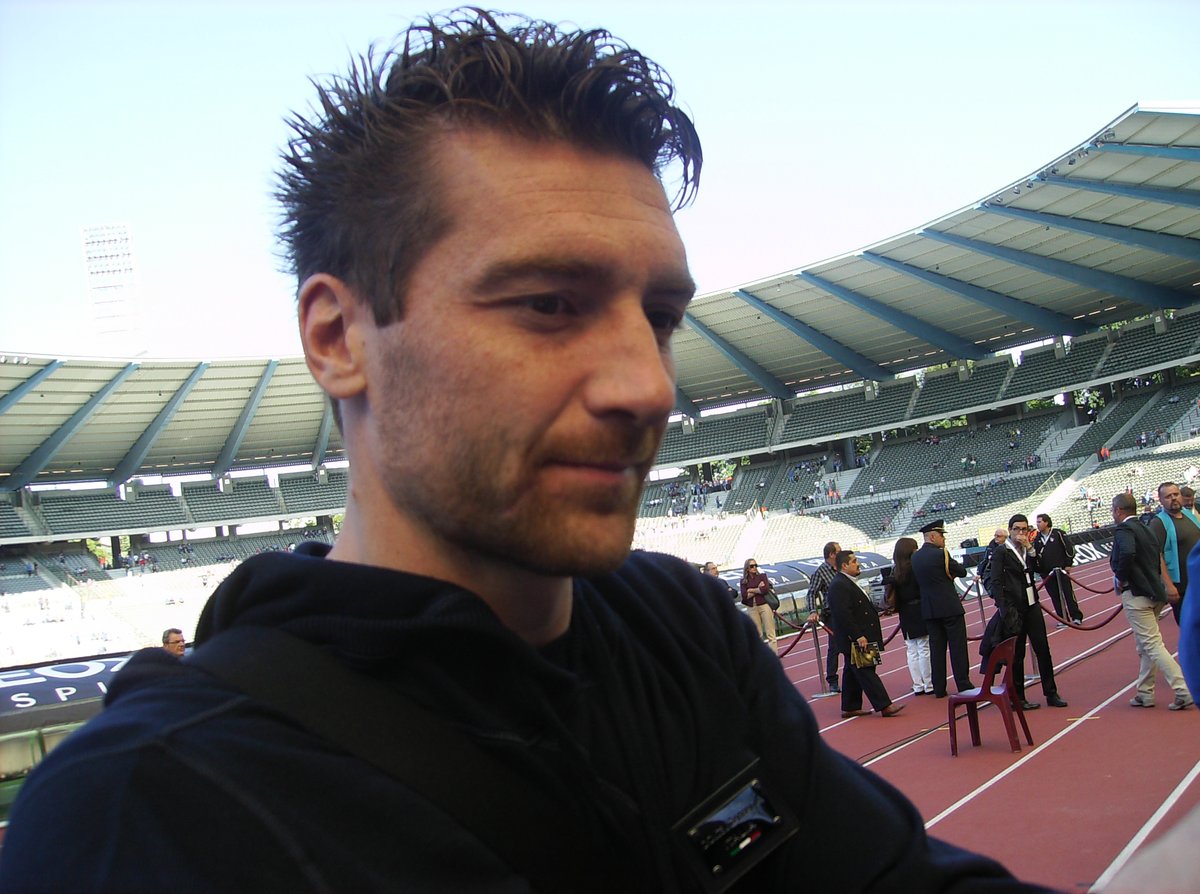
The stadium features a classic oval bowl layout and seats approximately 50,093 spectators (stadiumseatingplan.com). The grandstand provides optimal views for football and athletics, while spacious concourses ensure smooth movement and access to amenities. The iconic Marathon Tower, open plazas, and distinctive roof structure are notable architectural highlights.
Modern Features and Accessibility
Recent upgrades have emphasized sustainability (LED lighting, water-saving fixtures, recycling stations) and comfort. The stadium is fully wheelchair accessible, with dedicated seating, accessible restrooms, tactile guidance paths, and support staff available for visitors with reduced mobility (ballsportsguide.com).
Interior Spaces
VIP lounges, hospitality suites, media centers, and state-of-the-art safety and evacuation systems ensure a comfortable and secure experience for all attendees. Food and beverage outlets, souvenir shops, and medical assistance points are conveniently located throughout the venue.
Visiting Hours, Tickets, and Tours
Visiting Hours
- Event Days Open to ticket holders; hours depend on event schedule.
- Guided Tours Typically available on weekdays from 10:00 AM to 5:00 PM, and on Saturday afternoons for the “Parcours découverte” tour (brussels.be). Always confirm times on the official website before planning your visit.
Tickets
- Football Matches and Concerts Purchase in advance through authorized sellers or official federations. On-site sales are uncommon.
- Guided Tours Book online or through the stadium’s visitor center. As of 2025, tickets are €6 for adults and €4 for children; group rates are available (footballtripper.com).
Entry and Regulations
- Main Entrance Marathon Gate, 135 Avenue de Marathon.
- Bag Policy Only small bags permitted; security checks apply.
- Prohibited Items Smoking (including e-cigarettes) is banned indoors; designated outdoor areas provided.
Getting There
By Public Transport
- Metro Line 6 (stations: Roi Baudouin/Koning Boudewijn, Heysel/Heizel, Houba-Brugmann). Event-day closures for crowd control may occur.
- Tram & Bus Multiple lines serve the Heysel area; increased frequency during major events (kingbaudouinstadium.be).
- Train Brussels’ main stations connect with metro lines to the stadium.
By Bicycle
- Dedicated cycling paths and “Villo!” bike-sharing stations are nearby. Supervised bicycle parking is available during events (kingbaudouinstadium.be).
By Car
- Car Park C Romeinsesteenweg, 1853 Strombeek-Bever; 10,000 spaces (event days, pre-sale only).
- Trade Mart & Car Park E Avenue de Madrid, 1,000 spaces each (open for select events).
- Park & Ride Recommended to park on city outskirts and use public transport for final approach.
Nearby Attractions
- Atomium
- Mini-Europe
- Bruparck Entertainment Complex
- Royal Domain of Laeken
- Brussels Exhibition Centre
All are within walking distance, making the stadium an ideal stop on a broader exploration of Brussels’ historical and cultural sites (wikipedia).
Amenities and Services
- Seating 50,000+ for sports; up to 67,000 for concerts (footballtripper.com).
- Food & Drink Multiple concessions and event fanzones.
- Wi-Fi Available in select areas.
- Accessibility Full access and facilities for guests with disabilities. Notify in advance for assistance.
- Accommodation Hotels and budget options are available nearby; book early for major events.
Tips for Visitors
- Weather The stadium is open-air; dress for changing conditions.
- Languages French and Dutch are official; English is widely spoken.
- Photography Best spots include the Marathon Tower, panoramic stands, and the athletics track.
- Safety Follow event-specific mobility plans; review current health or security updates before arrival.
Frequently Asked Questions (FAQ)
Q: What are King Baudouin Stadium’s visiting hours?
A: The stadium is open during scheduled events and guided tours; check the official website for current times.
Q: How do I buy tickets?
A: Purchase online through official platforms or at the box office. Tour tickets are available via the stadium website.
Q: Is the stadium accessible for disabled visitors?
A: Yes; dedicated access points, seating, and assistance services are provided.
Q: Are there discounts for families or groups?
A: Reduced rates for children and group bookings are available for tours.
Q: What are the best transport options?
A: Public transport (metro, tram, bus) is recommended. Parking is limited during events.
Useful Links
- Official King Baudouin Stadium Website
- Bruxelles ma Belle
- Football Tripper – King Baudouin Stadium Guide
- Brussels City Official Website
- Villo! Bike Sharing
- Brussels Public Transport (STIB/MIVB)
- Belgian Football Association
- Stadium Seating Plan