
What to Expect When Visiting Viiskulma
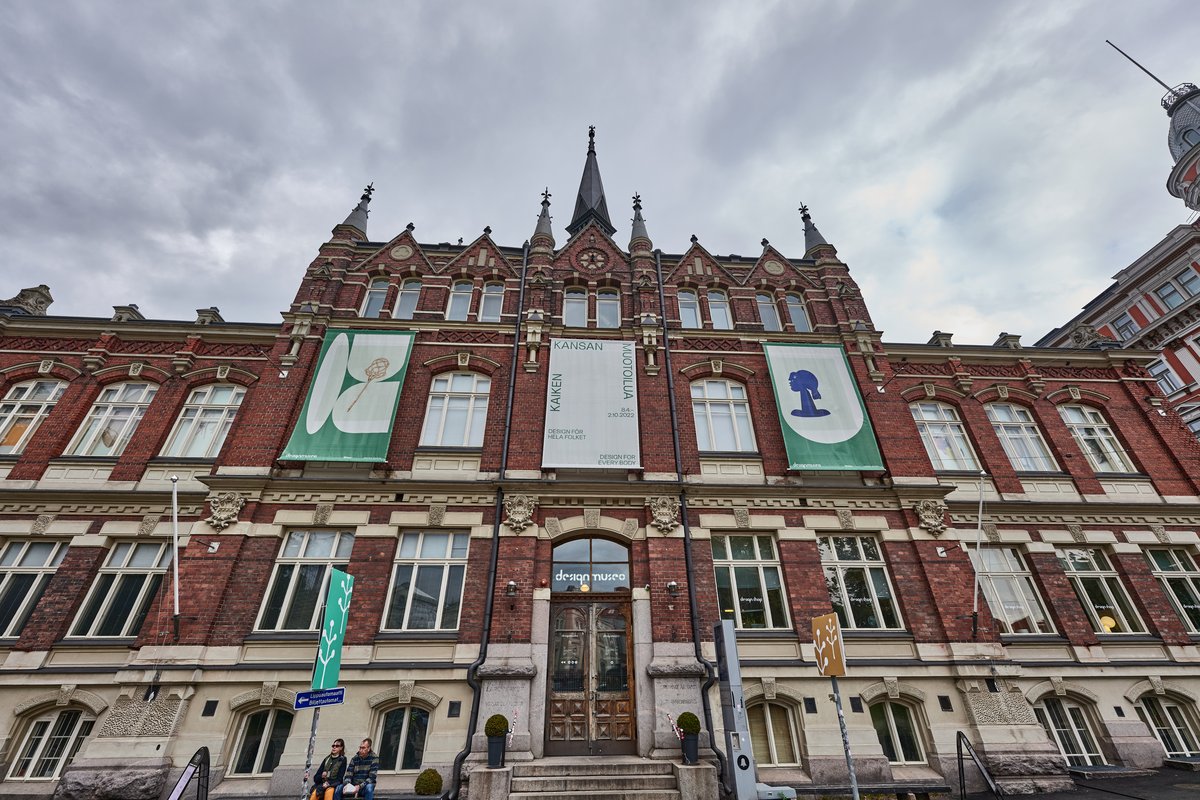
Viiskulma is an open-air public landmark, accessible 24/7 without tickets or entrance fees. The area is highly pedestrian-friendly and well-served by public transport. The best time to visit is during daylight hours to appreciate its architectural detail and lively street culture. Within walking distance are the Design Museum, Museum of Finnish Architecture, St. John’s Church, and a vibrant selection of shops and cafés.
Essential Visitor Information
Getting to Viiskulma
- By Tram Lines 1, 3, and 6 stop at the Fredrikinkatu or Viiskulma stops.
- By Bus Multiple routes serve Punavuori and Ullanlinna.
- By Foot/Bike Easily accessible from central Helsinki on foot or by bicycle.
Accessibility
The area is largely wheelchair-accessible, with smooth pavements and curb cuts. While most shops and cafés provide step-free access, some historic buildings may have stairs or uneven entryways.
Hours & Tickets
- Viiskulma Open 24/7, no tickets required.
- Nearby Venues Local businesses generally open between 9:00–18:00, with some extending hours on weekends. Museums and galleries may have separate admissions and hours—check individual sites for details.
Historical and Architectural Highlights
Early Urban Development
Viiskulma’s development mirrors Helsinki’s growth, especially after the city became Finland’s capital in 1812. The intersection, once on the city’s edge, became integral as new neighborhoods arose to accommodate a booming population (MyHelsinki).
Architectural Evolution
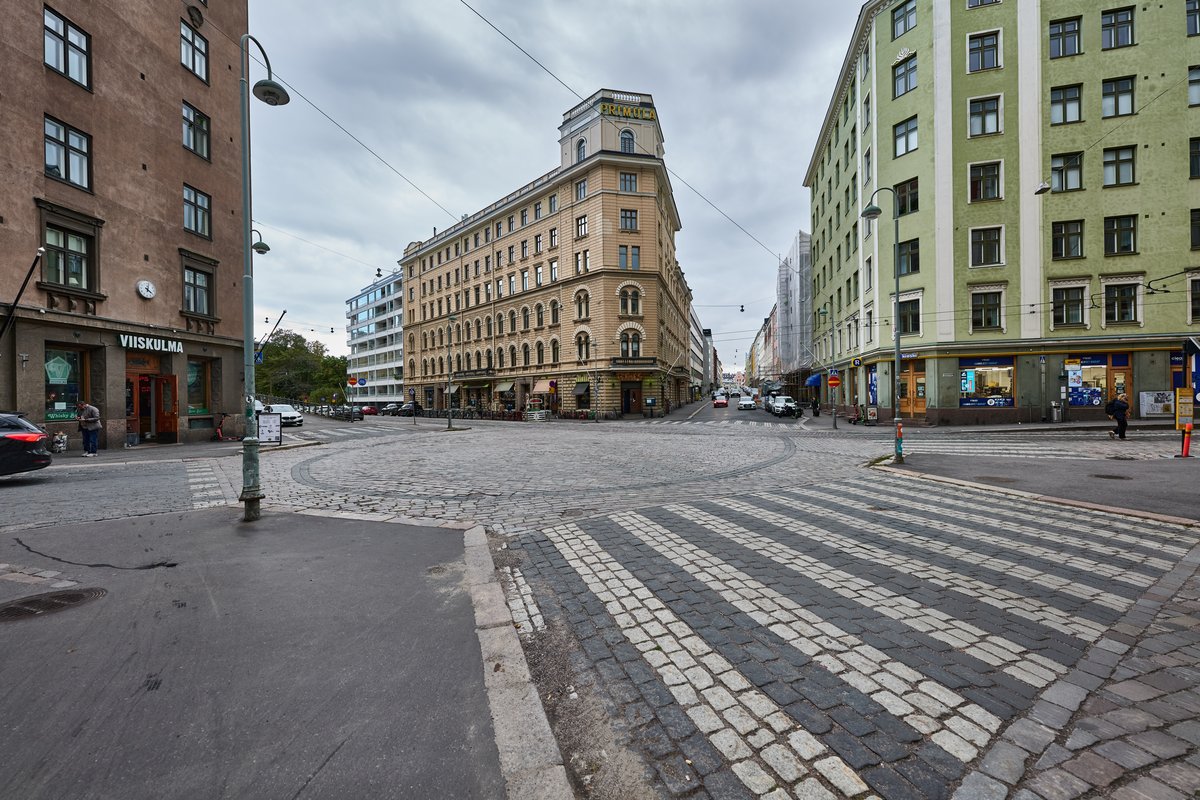
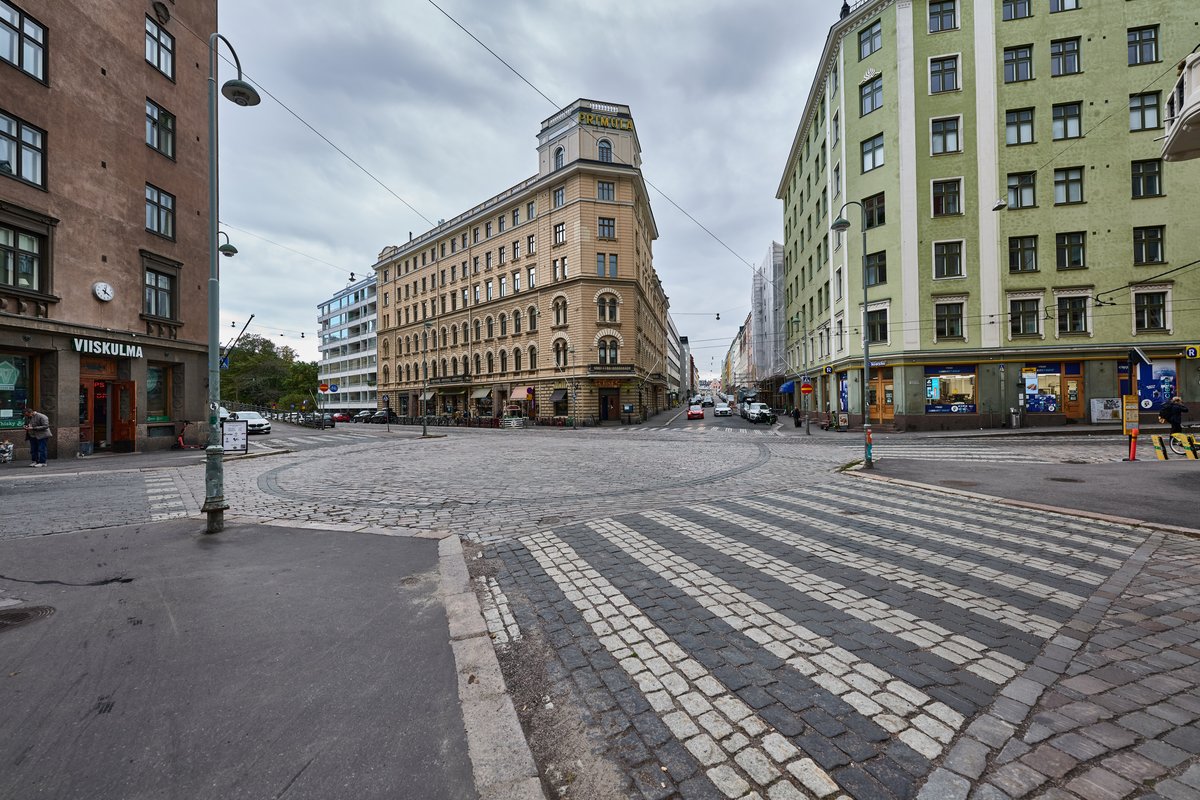
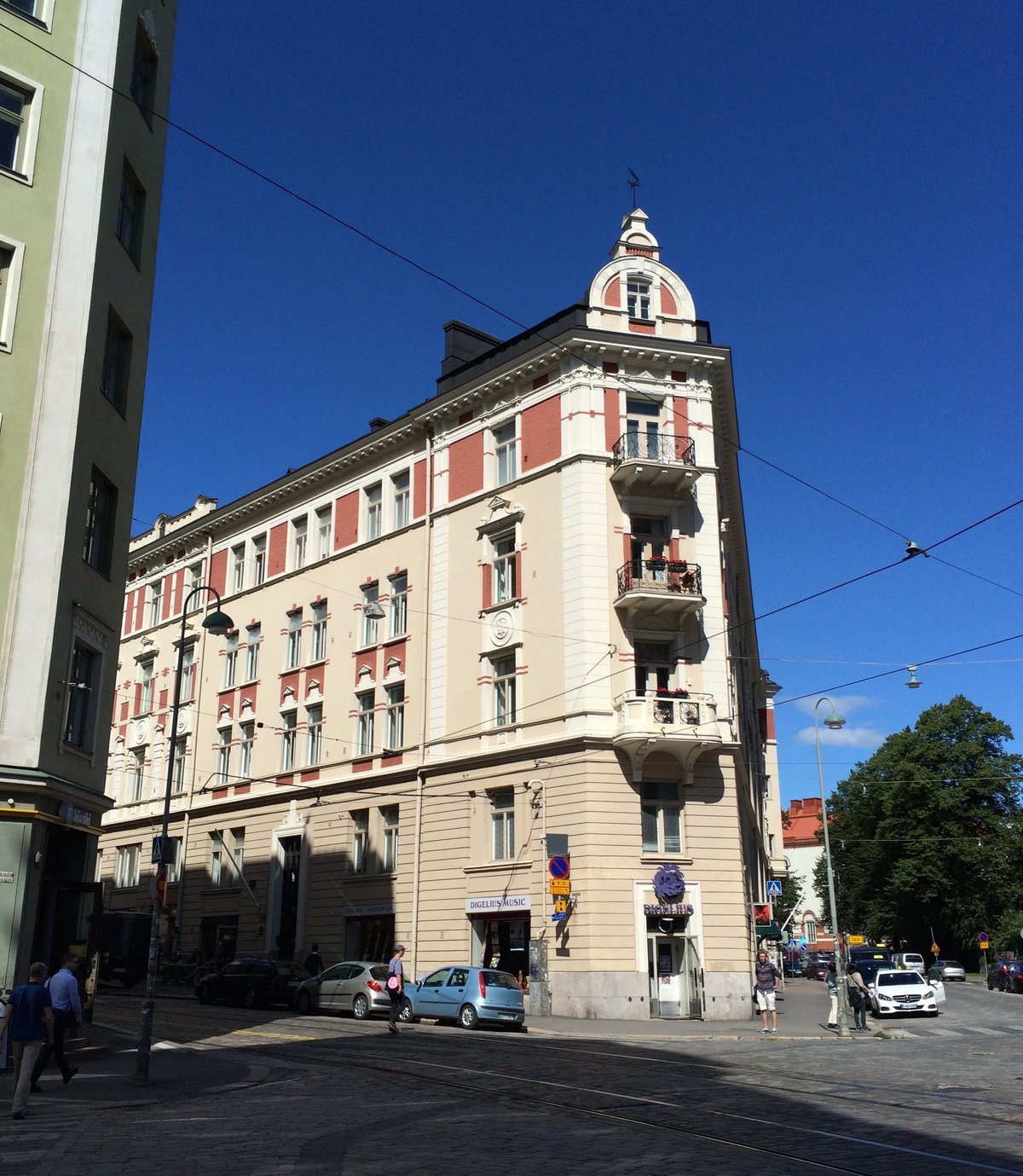
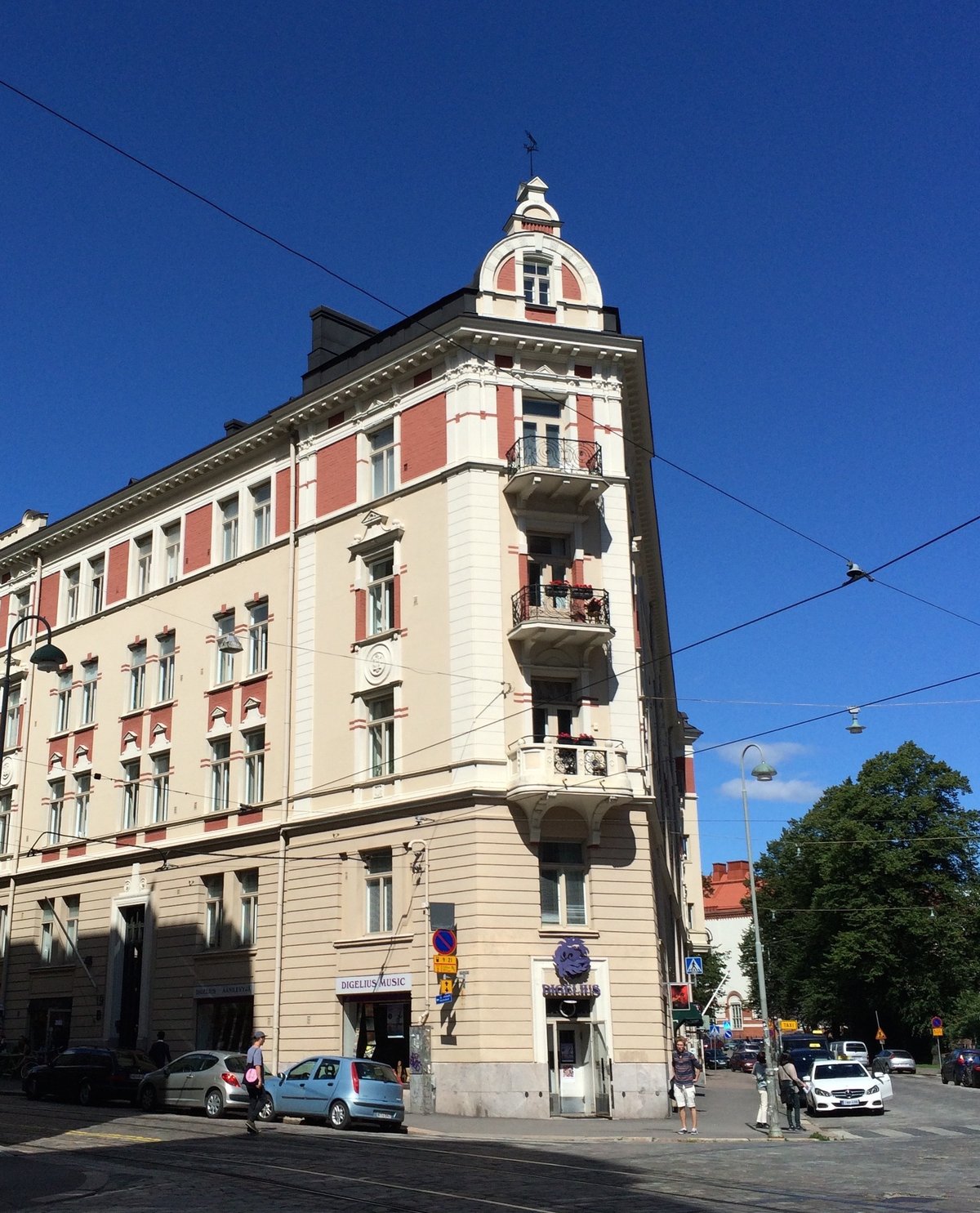
Five prominent buildings define the intersection, each representing a different architectural style and era (Wikipedia):
- Fredrikinkatu 19 (1896) Neo-Renaissance by Nyström, Petrelius & Penttilä.
- Laivurinkatu 10 (1890) Art Nouveau by Selim A. Lindqvist; home to the Primula bakery and restaurant.
- Laivurinrinne 1 (1928) Nordic Classicism by E. Ikäläinen.
- Tarkk’ampujankatu 20 (1927) Nordic Classicism by Väinö Vähäkallio.
- Fredrikinkatu 12 (1927) Architect unknown, but features Nordic Classicist design.
These buildings, together with cobblestone streets and irregular sightlines, create a distinctive and photogenic urban environment.
Notable Landmarks and Institutions
- Digelius Music An iconic independent record shop, open since 1971.
- Primula Bakery One of Helsinki’s oldest bakeries, famous for Finnish pastries.
- Former Merano Cinema Historic cinema building at Laivurinrinne 1.
- Nearby Sinebrychoff Art Museum, Design Museum, Museum of Finnish Architecture.
Cultural Identity, Community, and Events
Viiskulma has historically marked the boundary between working-class Punavuori and affluent Ullanlinna, but today it thrives as a creative, cosmopolitan enclave (Elastic Spaces; The Nordic Nomad). Its street-level culture features independent shops, cafés, record stores, and design boutiques. Regular pop-up markets, art installations, and music events animate the neighborhood, particularly in summer and during city-wide festivals such as Helsinki Design Week (Mayamaceka; Adventure Backpack).
Practical Tips for Visitors
- Photography Best during morning or golden hour for dramatic light and vibrant façades.
- Cafés & Food Try local cafés and the Primula bakery for Finnish specialties; vegan and vegetarian options are widely available.
- Shopping Explore boutiques and design stores for unique gifts.
- Self-Guided Walks Wander the five streets radiating from the intersection for varied architecture and street life.
- Public Restrooms Available in nearby parks and large cafés.
- Local Etiquette Finns value personal space and quiet conversation. English is widely spoken.
Nearby Attractions
- Design Museum Finland’s design history (Bon Traveler).
- Sinebrychoff Art Museum European art collection (Helsinki.com).
- Hietalahti Market Hall Historic food market.
- Kaivopuisto Park Green spaces and seaside paths.
- Iso Roobertinkatu Lively pedestrian shopping street.
Sustainable Travel
Viiskulma is part of a city committed to sustainability. Support local, eco-conscious businesses, use public transport or walk, and recycle where possible.
Frequently Asked Questions (FAQ)
Q: Are there entry fees to visit Viiskulma?
A: No, Viiskulma is a public space—free and open to all.
Q: Is the area accessible for wheelchair users?
A: Yes, most streets and venues are accessible, though some historic buildings may have steps or uneven entrances.
Q: What are the best times to visit?
A: Daytime in spring through autumn offers the liveliest experience and best light for photography.
Q: Are guided tours available?
A: General Helsinki walking tours often include Viiskulma. Check with local tour providers for schedules.
Q: Can I find vegan or vegetarian food options?
A: Yes, the area features several vegan- and vegetarian-friendly cafés and restaurants.
Q: Where can I get tourist information?
A: The main Tourist Information Office is at Aleksanterinkatu 24; mobile info points operate seasonally.
Safety, Health, and Useful Contacts
- Emergency 112 (police, fire, ambulance)
- Tourist Information +358 9 310 13300 (MyHelsinki)
- Viiskulma Health Station +358 9 310 45930 (Hel.fi)
Summary and Next Steps
Viiskulma is an intersection where Helsinki’s history, architecture, and lively urban culture converge. Its free, round-the-clock accessibility, eclectic local businesses, and proximity to major attractions make it an essential Helsinki experience. For the best visit: come during daylight hours, explore the five radiating streets, enjoy local treats, and capture the unique blend of old and new. Download the Audiala app for self-guided audio tours, consult official tourism resources, and follow local channels for event updates (MyHelsinki; Stadissa.fi).
Ready to discover Helsinki’s Five Corners? Start your urban adventure in Viiskulma and experience the true heart of the city’s creative district.