Introduction
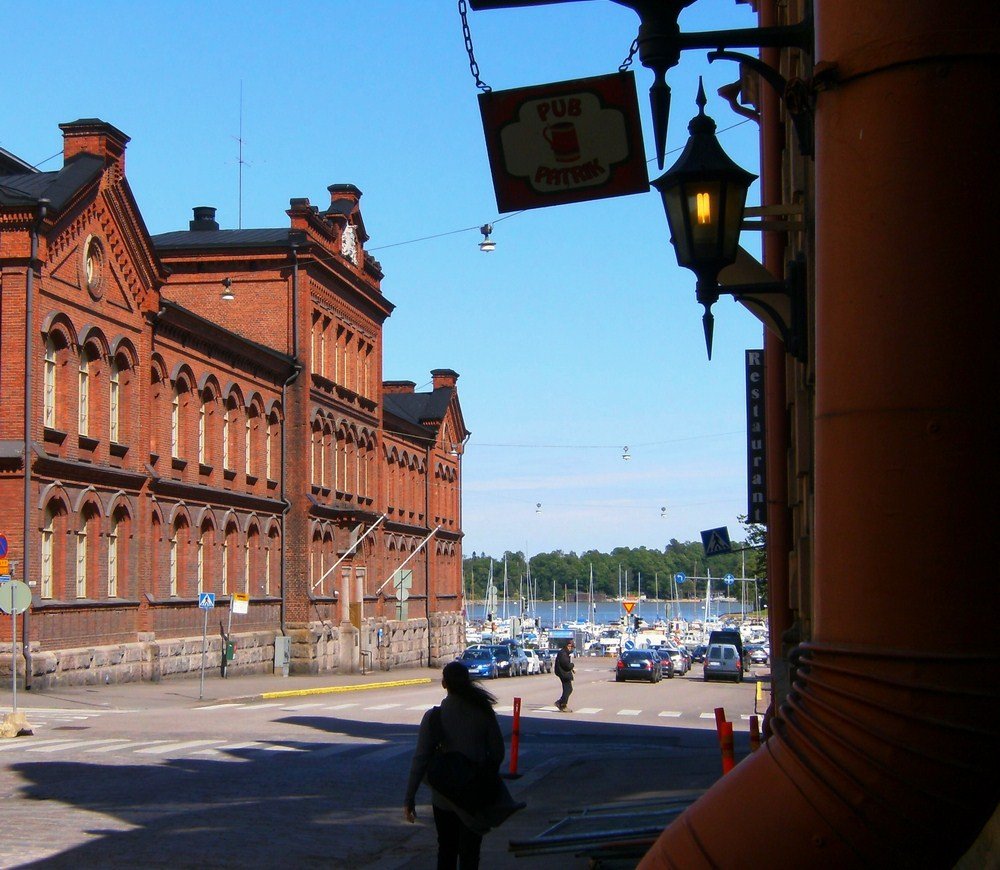
Step off the ferry at Market Square in Helsinki and the first thing that hits you is the smell of the sea mixed with coffee and rye bread. This is a capital that feels more like an archipelago village than a Nordic metropolis: the Baltic glints between buildings, wooden ferries chug past parliament, and the light changes so dramatically that even the greyest November afternoon turns the façades into theatre.
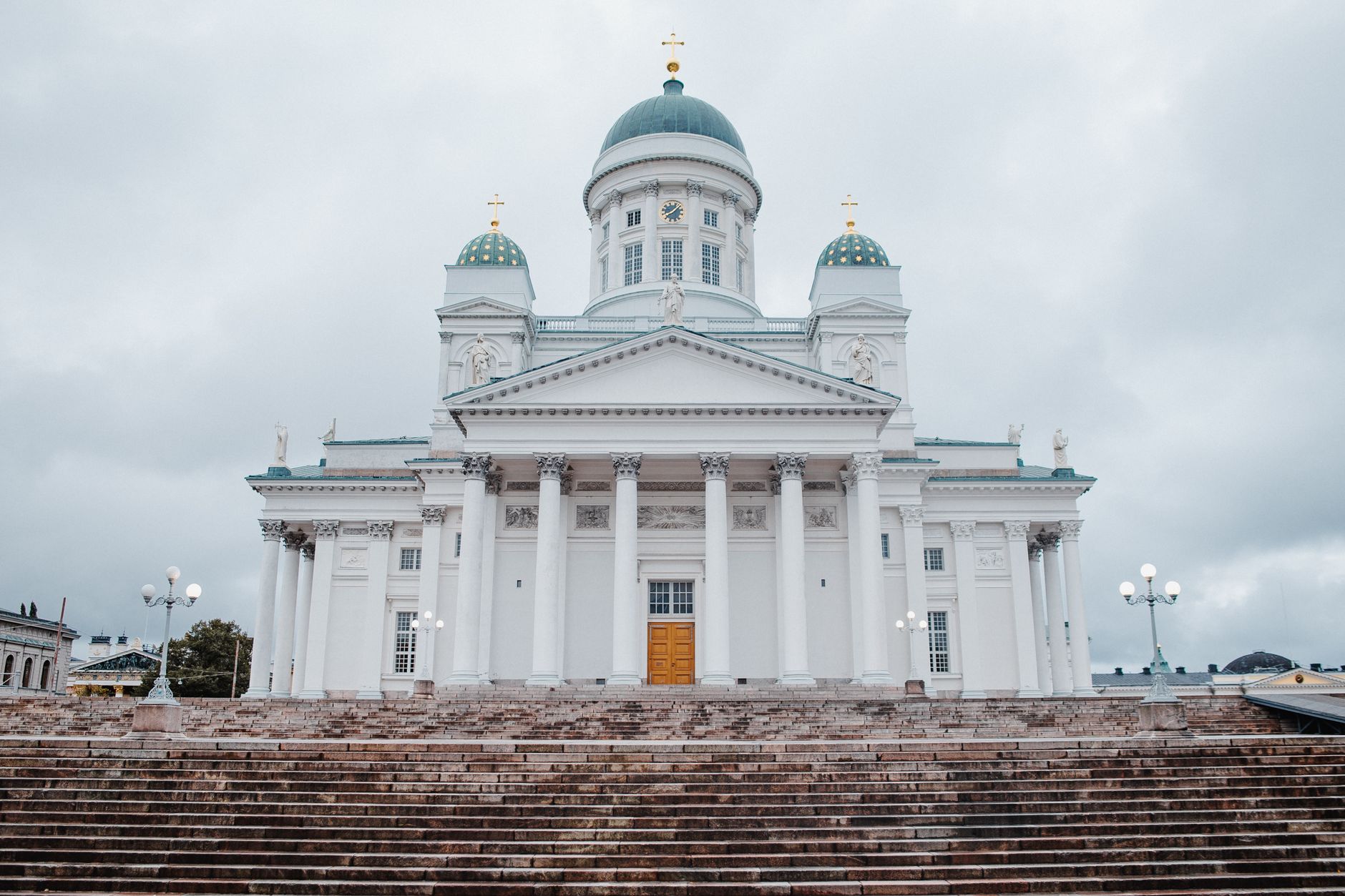
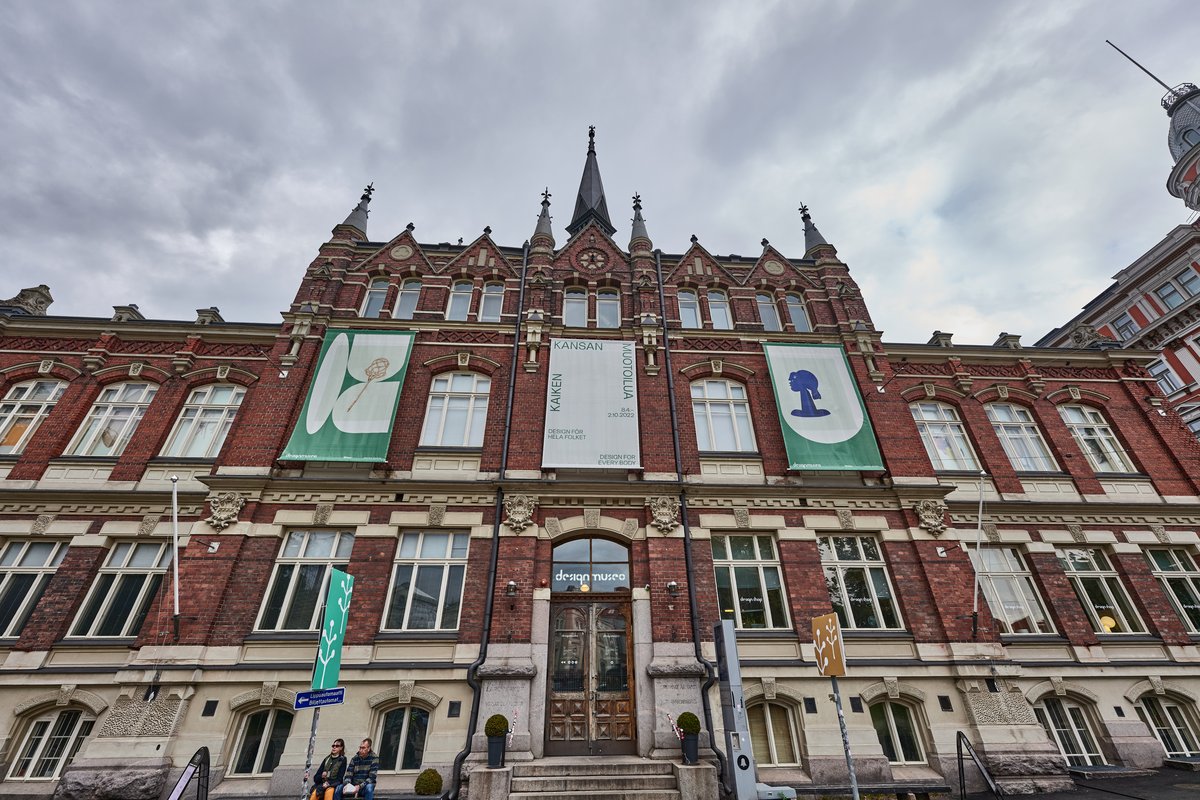
The surprise is how deeply nature and design are braided together here. Helsinki is built on granite that still pokes through the pavement, yet it also holds one of Europe’s richest concentrations of Jugendstil buildings, Alvar Aalto masterpieces, and contemporary wooden architecture. You can walk from the neoclassical perfection of Senate Square to the raw rock interior of Temppeliaukio Church in twenty minutes and feel you’ve crossed centuries, not neighbourhoods.
What ultimately changes your understanding of the city is its quiet confidence. Helsinki doesn’t shout. Instead it offers small, precise pleasures: the echo of your footsteps inside the domed galleries of Amos Rex, the warmth of a cinnamon bun eaten on a red cottage porch by the sea at Café Regatta, or the way the city simply hands you back to the forest once you reach the edge of Central Park. It is a place that rewards the curious rather than the checklist traveller.
Places to Visit
The Most Interesting Places in Helsinki
Central Park
Central Park Helsinki, locally known as Keskuspuisto, is a remarkable urban green space that stretches approximately 10 kilometers through the heart of…
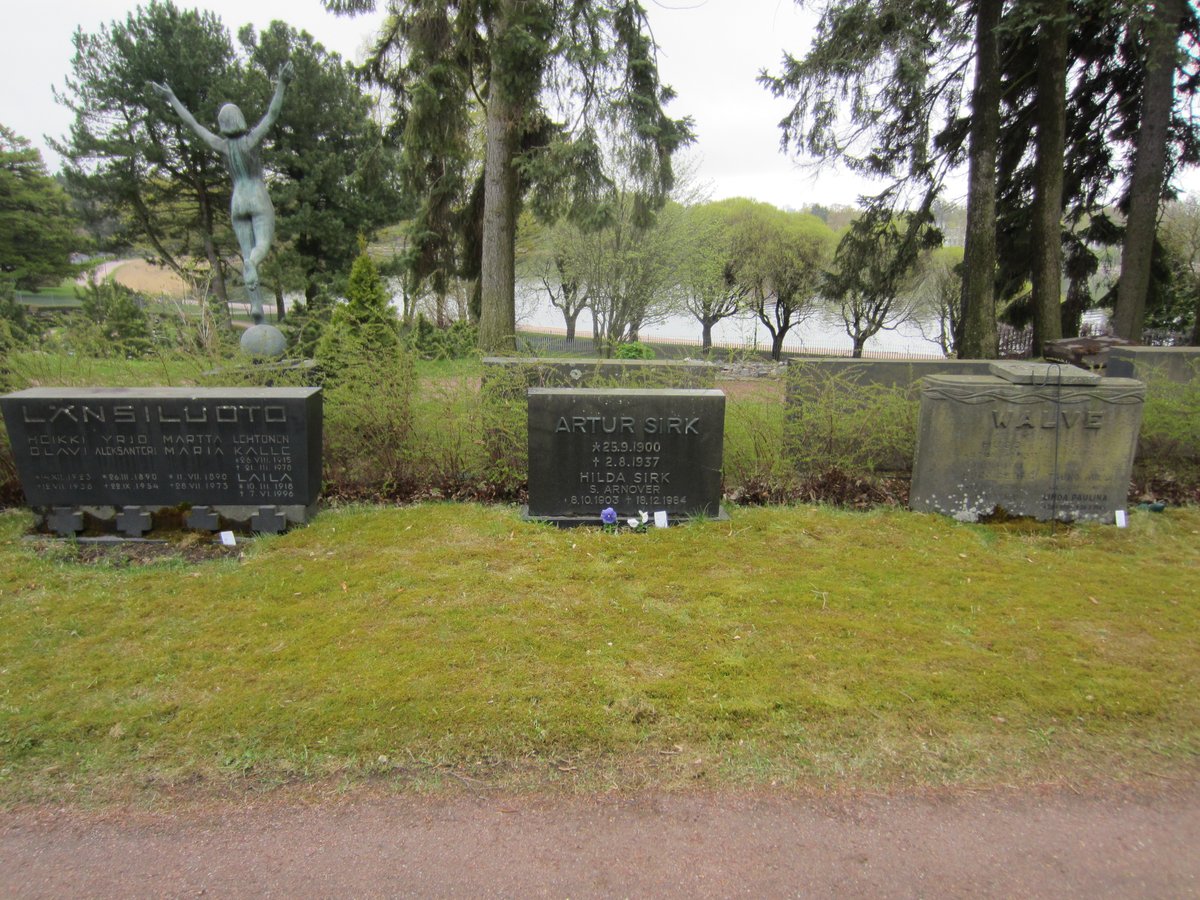
Hietaniemi Cemetery
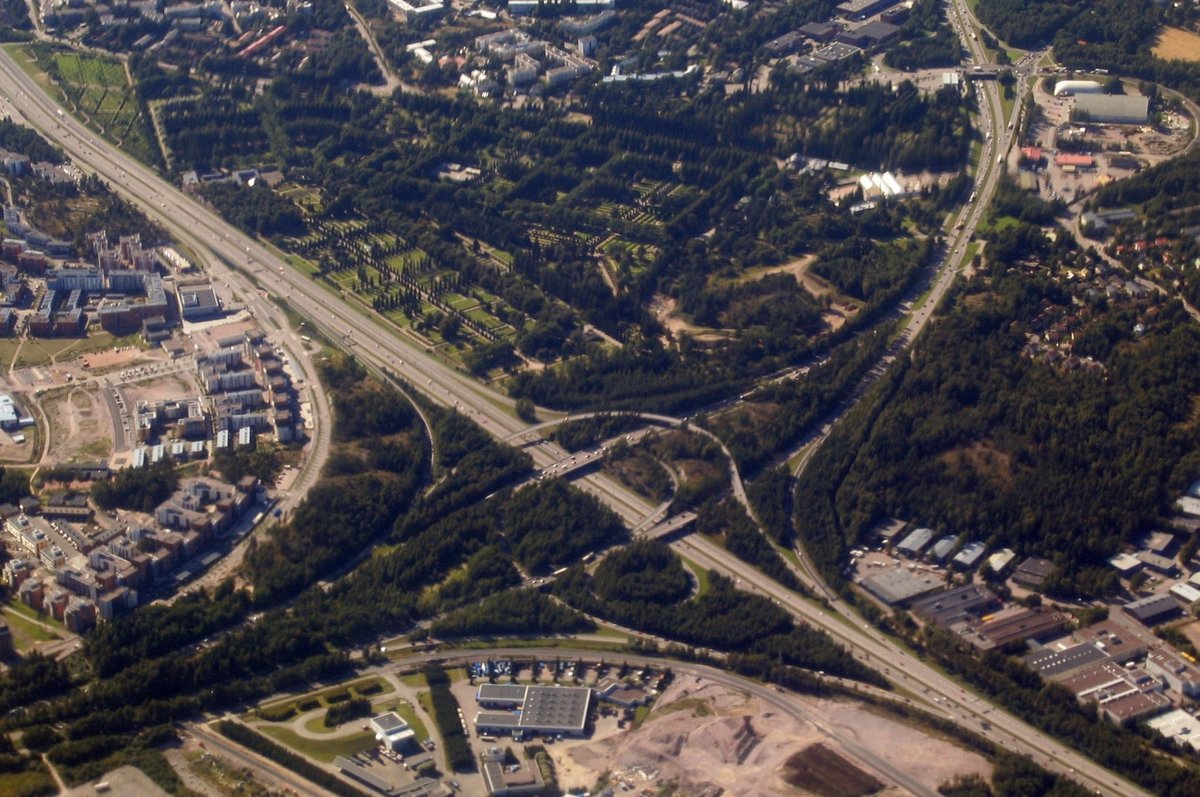
Situated in the heart of Helsinki, Hietaniemi Cemetery (Finnish: Hietaniemen hautausmaa) stands as one of Finland’s most revered historical sites and cultural…
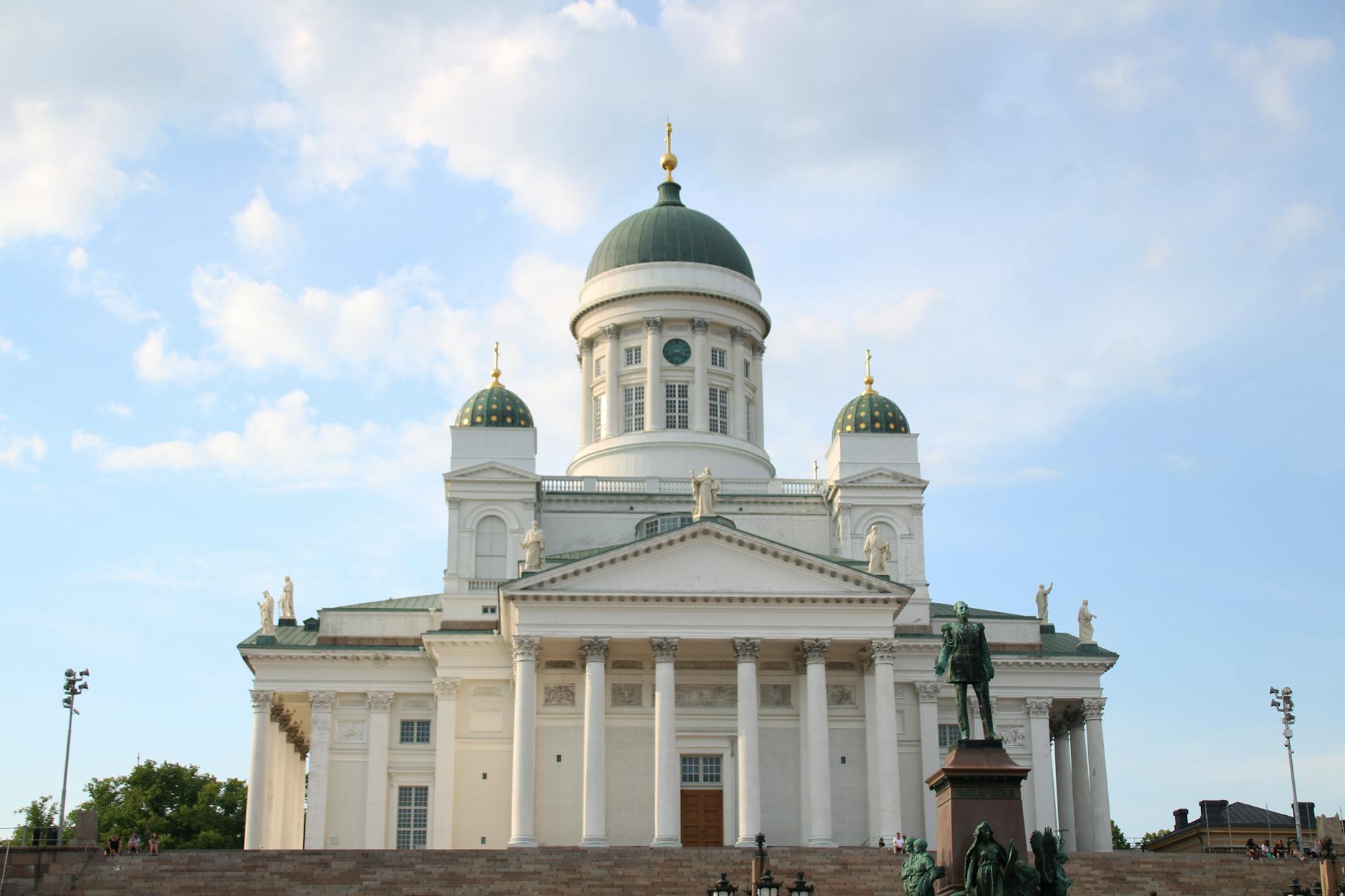
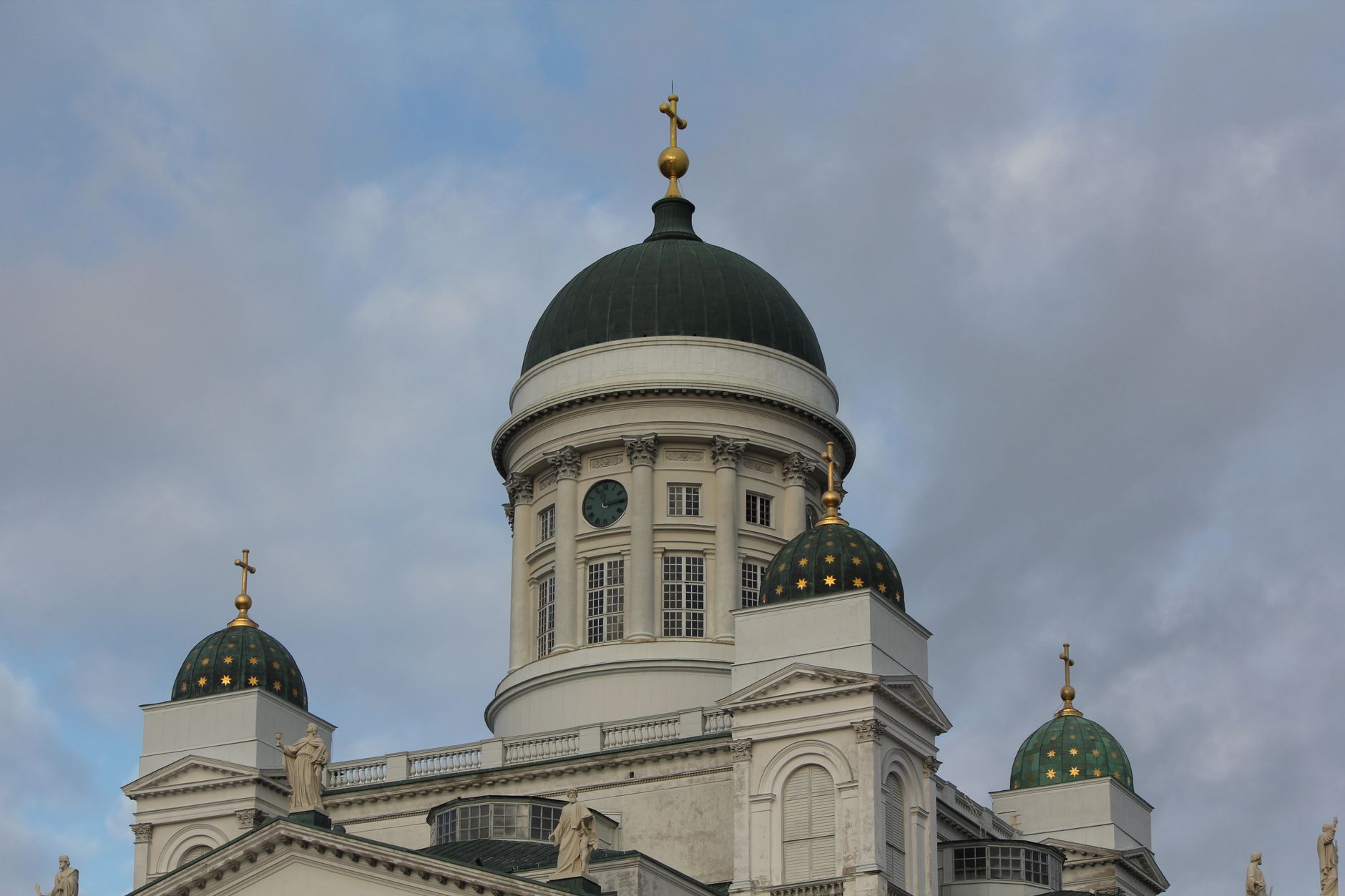
Helsinki Cathedral
Helsinki Cathedral stands as one of Finland's most renowned landmarks, celebrated for its striking neoclassical architecture and profound historical…
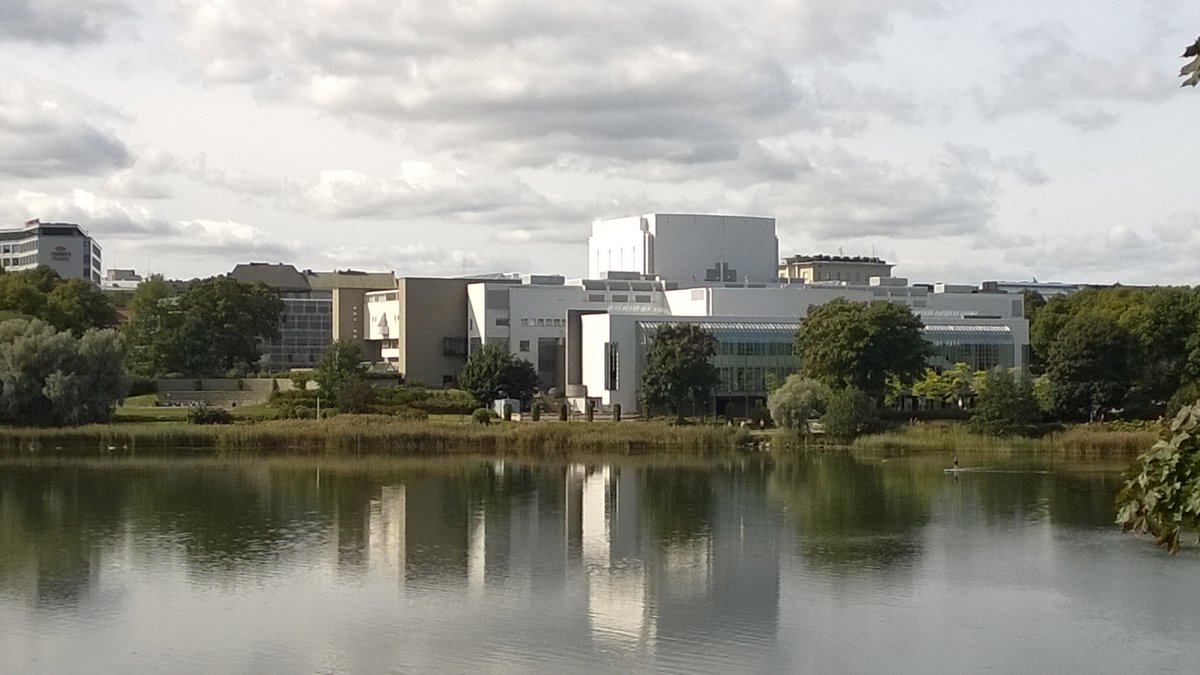
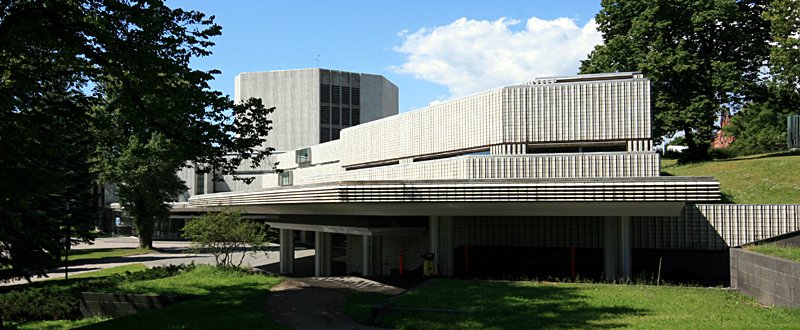
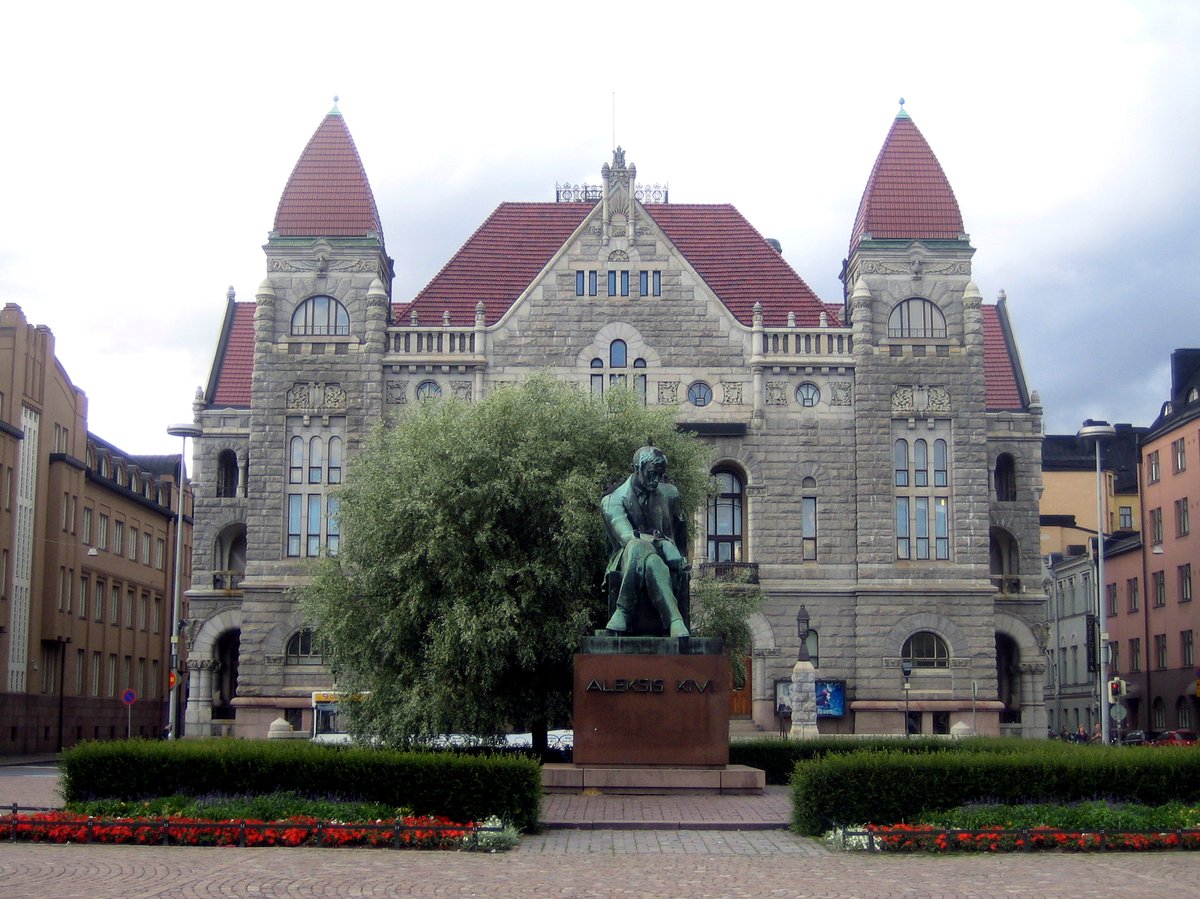
Finnish National Opera
The Finnish National Opera and Ballet stands as a cultural jewel in Helsinki, Finland, offering visitors a rich blend of historical significance,…
Senate Square
Senate Square, known as 'Senaatintori' in Finnish, stands as a testament to Helsinki's rich historical and cultural heritage.
National Museum of Finland
Nestled in the heart of Helsinki, the National Museum of Finland (Suomen kansallismuseo) stands as a monumental testament to the rich cultural heritage and…
Helsinki City Theatre
Nestled in the heart of Finland’s capital, the Helsinki City Theatre (Helsingin Kaupunginteatteri) stands as a distinguished cultural landmark that seamlessly…
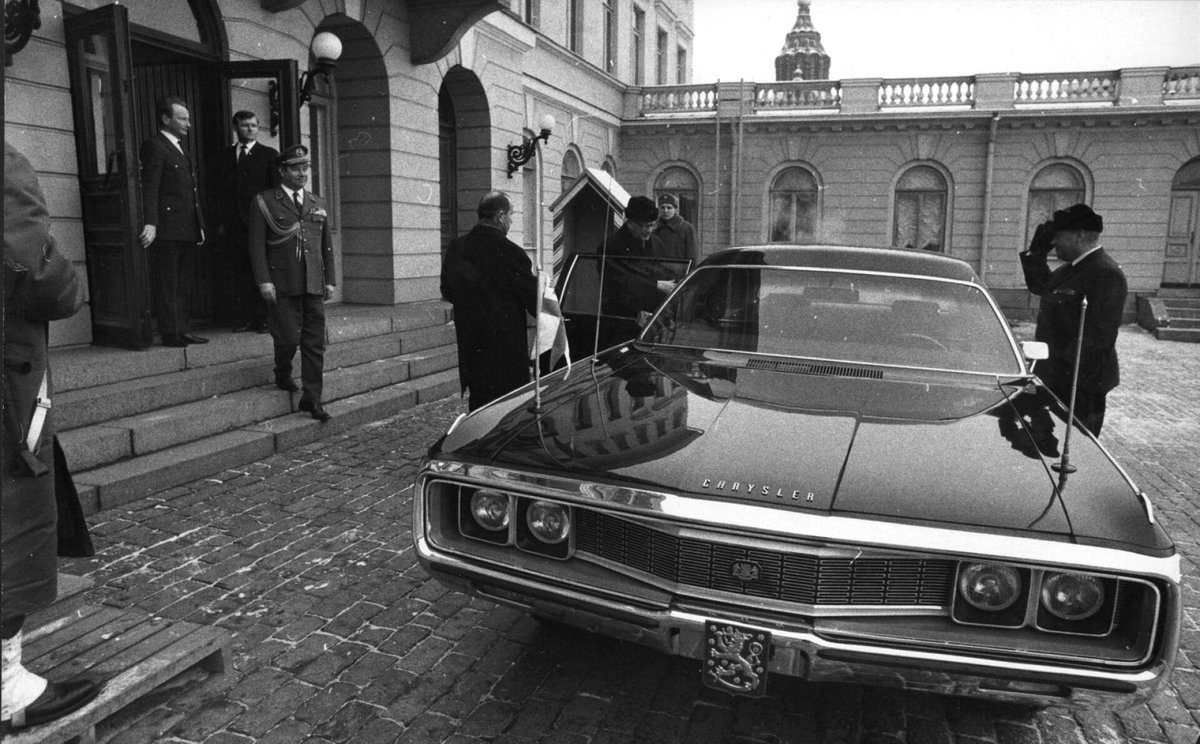
Presidential Palace
The Presidential Palace in Helsinki, locally known as Presidentinlinna, stands as a prominent symbol of Finland’s political heritage and architectural grandeur.
Uspenski Cathedral
Helsinki's Orthodox cathedral was built from 700,000 bricks salvaged from a Crimean War fortress. It's Finnish-run, not Russian — a distinction that matters deeply.
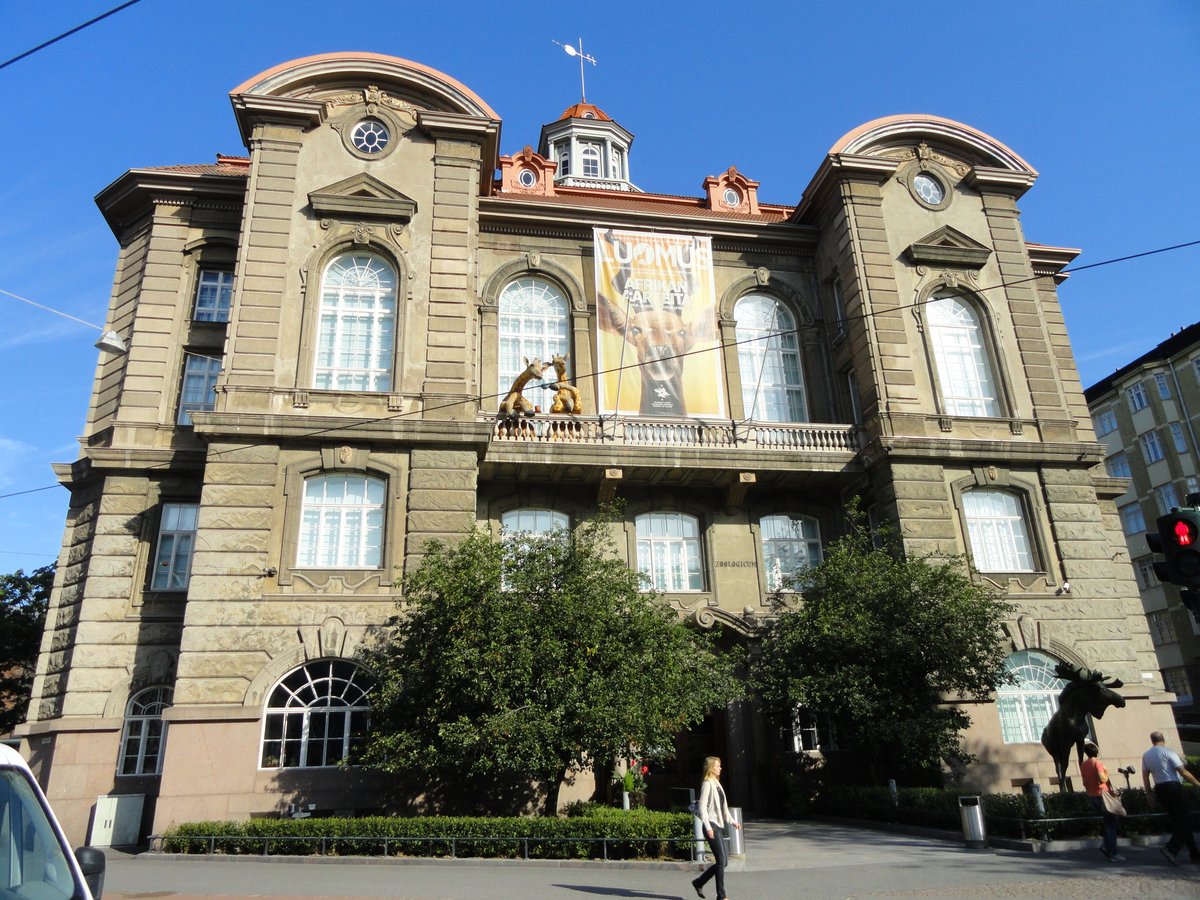
Finnish Museum of Natural History
Situated in the vibrant heart of Helsinki, the Finnish Museum of Natural History (Luonnontieteellinen keskusmuseo, LUOMUS) stands as a beacon for nature…
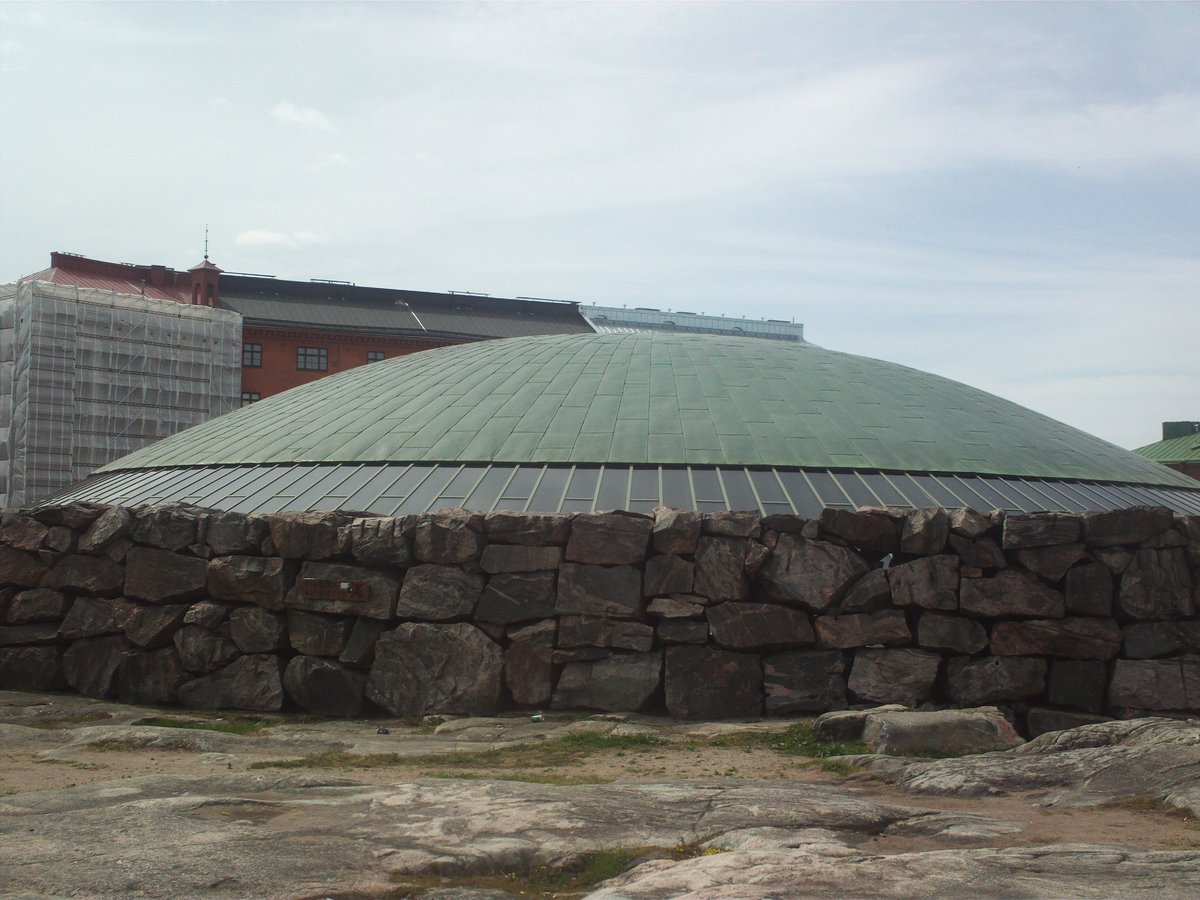
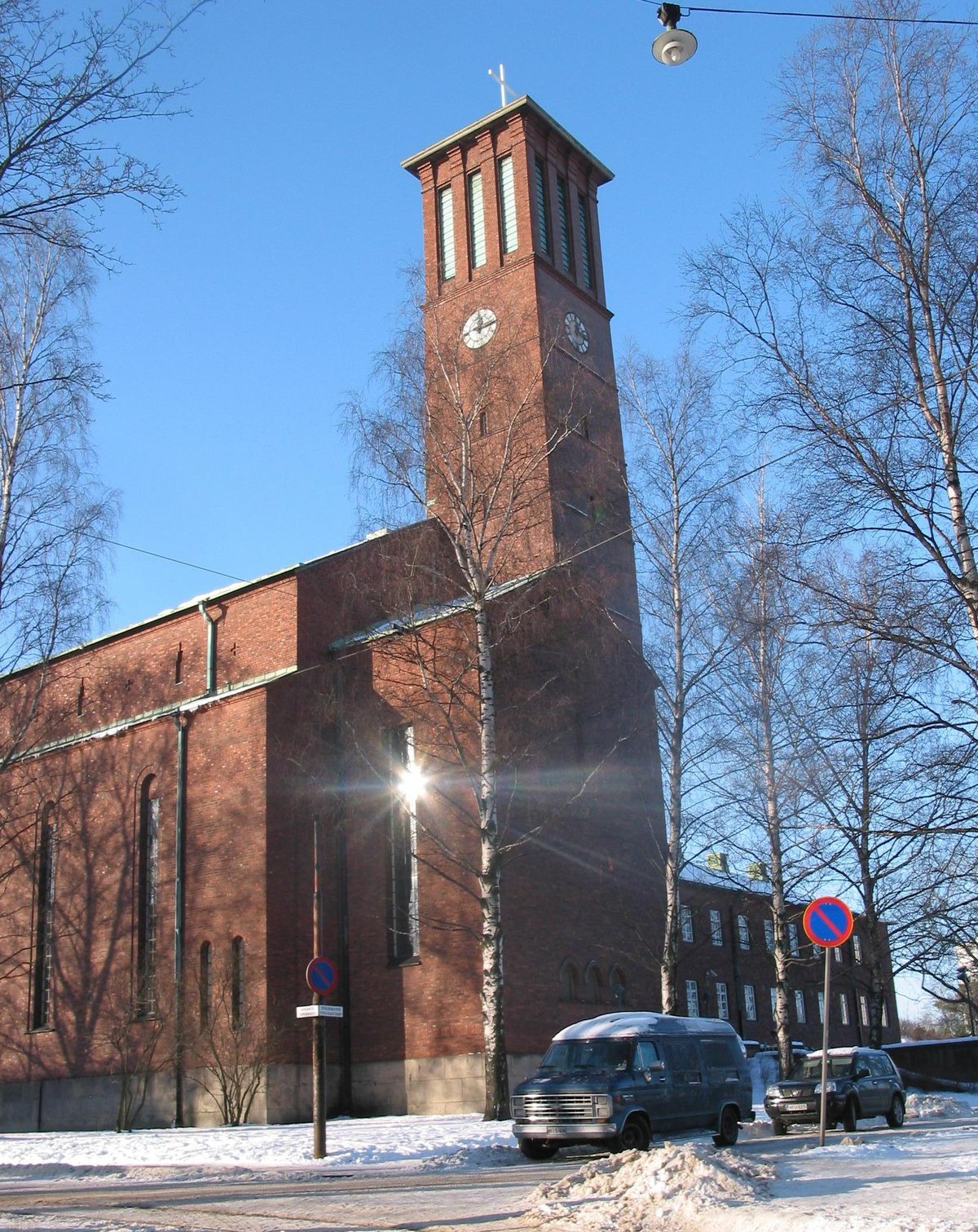
Temppeliaukio Church
Nestled in the heart of Helsinki’s Töölö district, Temppeliaukio Church—commonly known as the Rock Church—is an architectural marvel that uniquely blends…
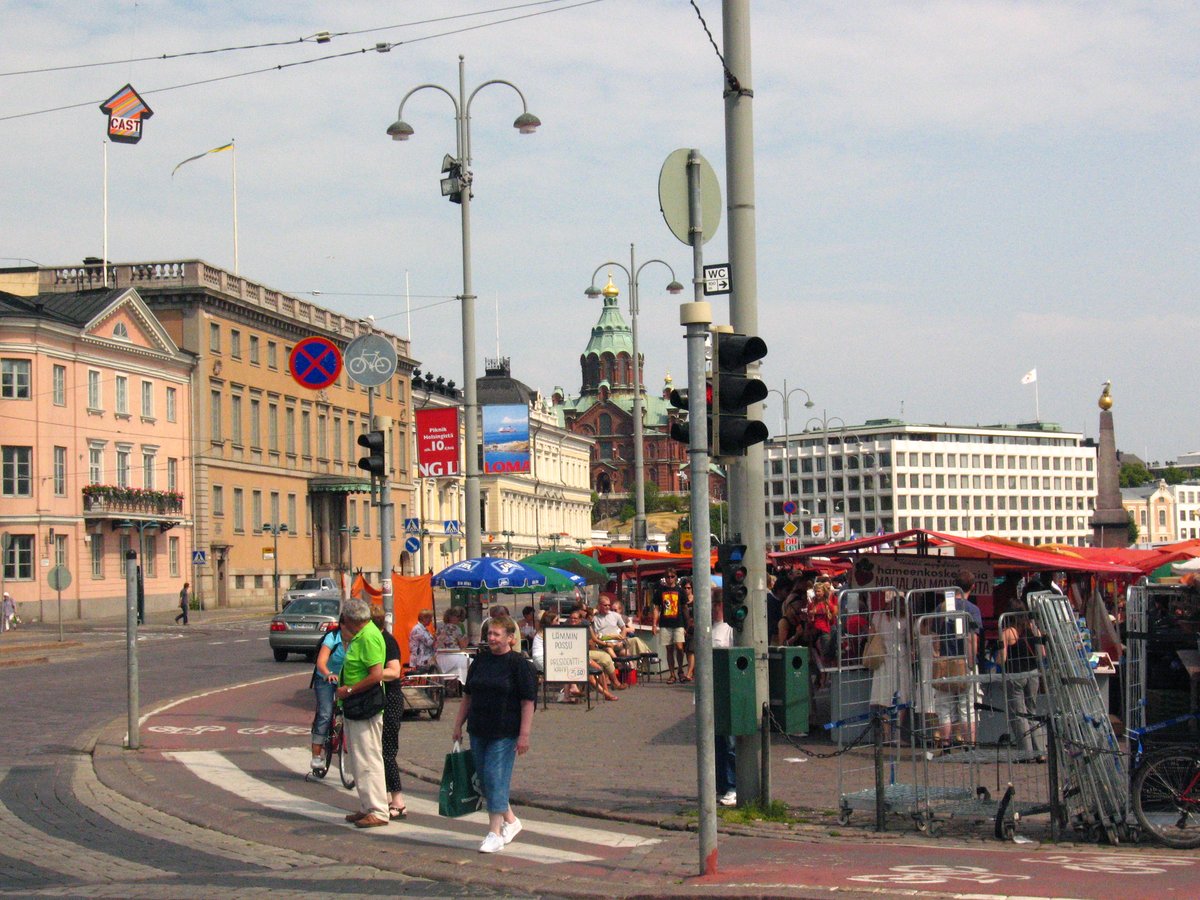
Kauppatori
Kauppatori, also known as Market Square, is a cornerstone of Helsinki's cultural and economic landscape.
What Makes This City Special
Suomenlinna Sea Fortress
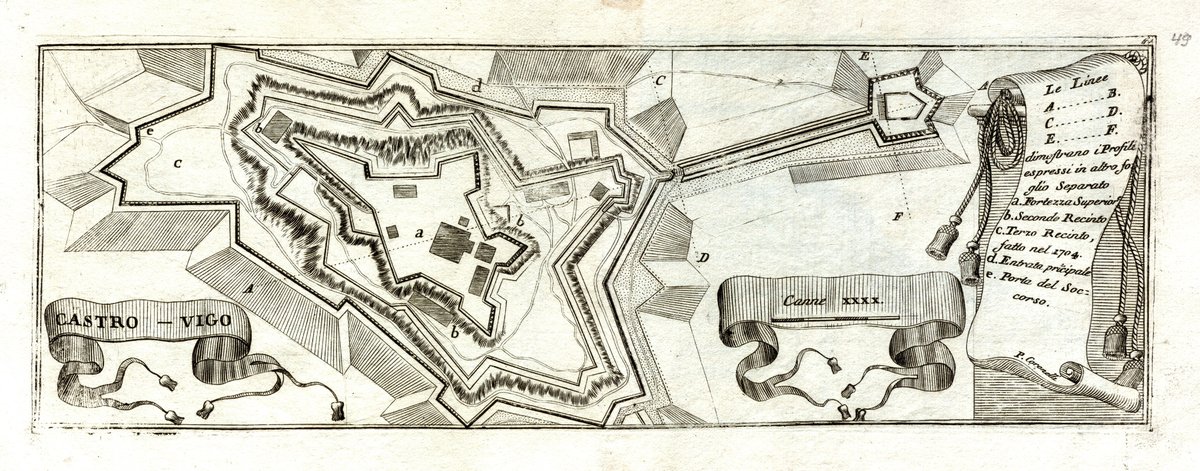
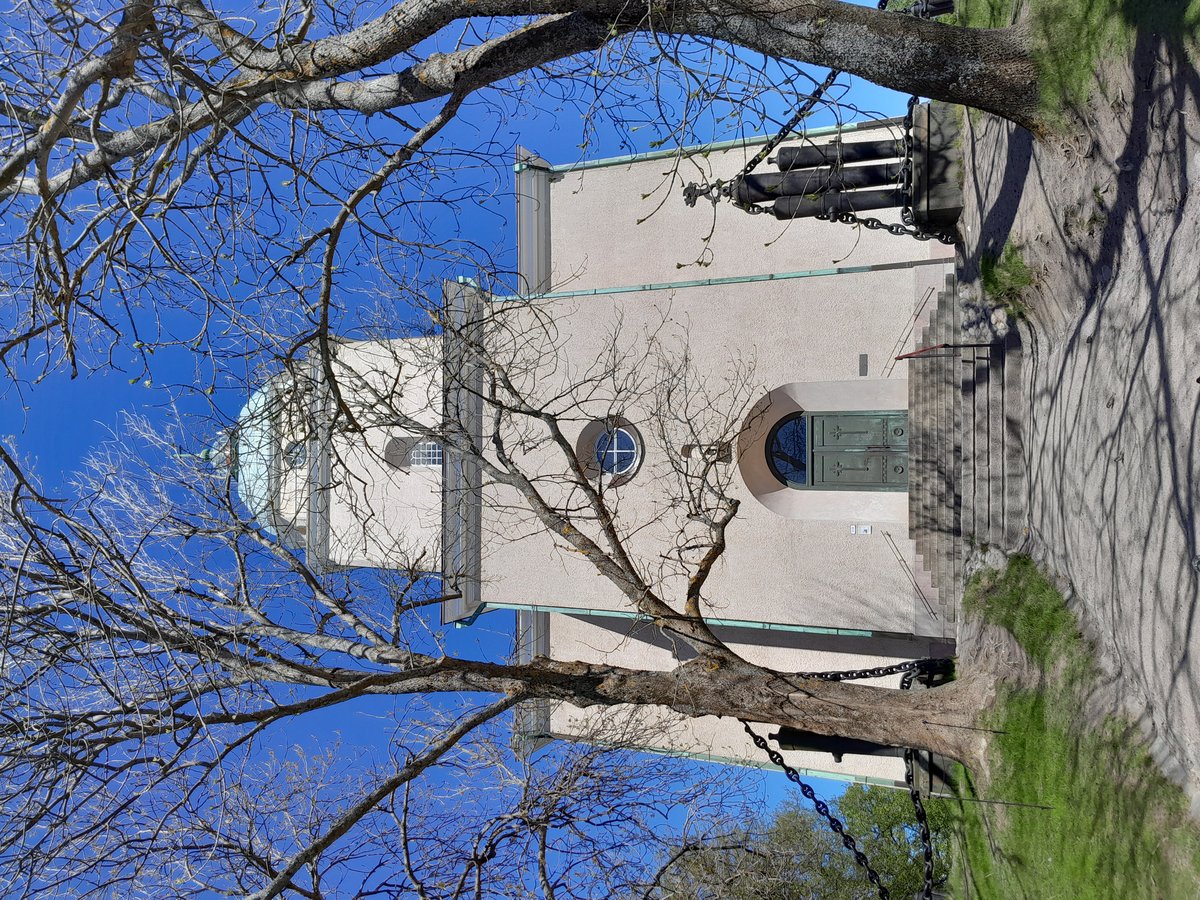
A UNESCO-listed fortress spread across six islands, Suomenlinna is less a monument than a living district where 800 people still live among 18th-century ramparts and sea batteries. Take the 15-minute HSL ferry from Market Square and follow the marked Blue Route; the light reflecting off the granite walls and the smell of salt and pine change how you see every other European fortress.
Layered Architecture
Helsinki carries three distinct stories in stone: the neoclassical white empire centre around Senate Square, nearly 600 Jugendstil and National Romantic buildings from the early 1900s, and the later modernist works of Alvar Aalto. Walk from Helsinki Central Station (Eliel Saarinen) to Katajanokka or Finlandia Hall and the city reads like an architectural textbook you can touch.
Urban Nature
Central Park cuts 11 km through the city from the Olympic Stadium almost to the sea, while islands such as Lonna, Harakka and Lammassaari feel like secret countryside only minutes from the centre. The duckboard path across Lammassaari’s wetlands at dusk, with birds calling and no traffic noise, is one of Helsinki’s most quietly profound experiences.
Contemporary Art & Design
The trio of Amos Rex’s underground domed galleries, Kiasma’s striking Steven Holl building, and the Ateneum together give Helsinki one of Europe’s most coherent modern art scenes. Add Oodi’s award-winning library as a public living room and you understand why the city treats culture as everyday infrastructure rather than an event.
Historical Timeline
From Swedish Outpost to Independent Capital
Helsinki's layers of fire, empire, and quiet defiance
Gustav Vasa Plants a Town
On 12 June 1550, King Gustav I of Sweden ordered a new trading town built at the mouth of the Vantaanjoki to rival Tallinn. Burghers were forcibly moved from other Finnish towns. The first wooden settlement rose on peasant land with a church on Kellomäki and a market by the harbor. The experiment struggled for decades in the wrong location.
The Great Relocation
The struggling town was moved several kilometers south to the Vironniemi peninsula, closer to open sea. This shift created the core of today's Kruununhaka, Senate Square, and Market Square. The new site offered better harbor access but left the town exposed to naval attack and repeated fires.
The Plague Claims the City
Bubonic plague swept through the wooden town, killing hundreds. Bodies were buried in what is now called Ruttopuisto – Plague Park – in the heart of the modern city. The name still carries the memory of that grim summer when death walked the streets between the wooden houses.
Burned by Retreating Swedes
As Russian forces advanced during the Great Northern War, Swedish troops torched their own town and bridges. Helsinki was left in ashes. The Russian occupation that followed lasted until 1721. Reconstruction only truly began once peace returned.
Sveaborg Fortress Begins
Swedish authorities started construction of a massive sea fortress on the islands off Helsinki under the command of Augustin Ehrensvärd. At its peak, 6,000–8,000 soldiers and prisoners labored on the project. The fortress, known as Viapori to Finns, transformed the small town into a military stronghold and nearly tripled its population.
Sederholm House Rises
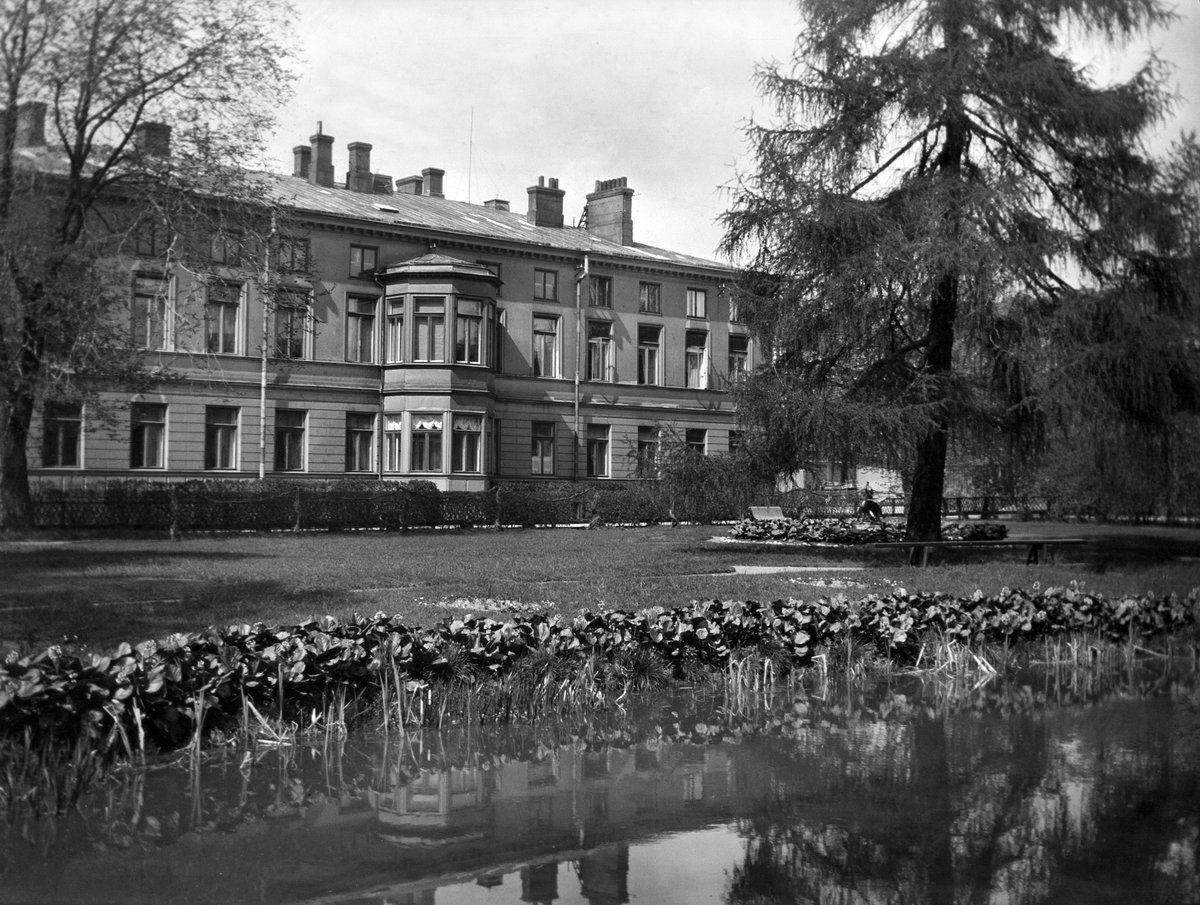
The oldest surviving stone building in central Helsinki was completed. While the rest of the town remained wooden and vulnerable to fire, this merchant's house stood as a small symbol of permanence on the edge of the growing fortress town.
Helsinki Burns Again
During the Finnish War, the city was once more reduced to ashes. The destruction cleared the way for radical rebuilding. The Swedish fortress of Sveaborg surrendered to the Russians in a moment still remembered as a national humiliation.
Birth of the Grand Duchy
Finland was transferred from Sweden to the Russian Empire as an autonomous Grand Duchy. Helsinki, though still a smoking ruin, suddenly found itself on the path to becoming a capital. The shift changed the city's destiny forever.
Helsinki Becomes Capital
Tsar Alexander I declared Helsinki the new capital of the Grand Duchy, replacing Turku. The decision triggered one of Northern Europe's most ambitious neoclassical building programs. The city would be remade in the image of a proper imperial capital.
Ehrenström Begins the Plan
Johan Albrecht Ehrenström was appointed to design the new capital. Working with the German architect Carl Ludvig Engel, he created the Senate Square ensemble that still defines Helsinki's monumental heart. Their vision replaced the burned wooden town with stone and symmetry.
Helsinki Cathedral Rises
Construction began on the great neoclassical cathedral dominating Senate Square. Completed in 1852, its white columns and green dome became the city's most recognizable silhouette. The building announced Helsinki's new status to every ship approaching from the sea.
Uspenski Cathedral Completed
The red-brick Orthodox cathedral on the hill above the harbor was finished. Its golden onion domes announced the Russian imperial presence as clearly as the Lutheran cathedral announced the Finnish one. For decades the two cathedrals stared at each other across the city.
Paavo Nurmi Enters the World
The future Olympic legend was born. Though not a native Helsinkian, Nurmi would later live in the city, open a shop on the Esplanade, and become one of its most recognizable faces. His nine Olympic golds helped put Helsinki on the international sporting map.
Eliel Saarinen's Station
Construction began on Helsinki Central Railway Station to designs by Eliel Saarinen. When completed in 1919, its granite mass and national-romantic details became a statement of Finnish identity within the Russian Empire. The station remains one of the city's most powerful architectural statements.
Mika Waltari is Born
The future author of The Egyptian entered the world in Helsinki. Waltari would spend almost his entire life in the city, drawing on its streets, cafés, and intellectual circles for his work. His international success brought Finnish literature to a global audience.
Independence Declared
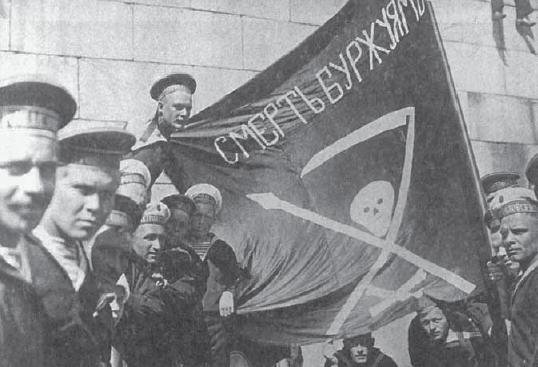
On 6 December 1917, Finland declared independence from Russia. Helsinki became capital of a sovereign state for the first time. The city's streets, still full of Russian soldiers and Baltic Fleet sailors, would soon witness revolution and civil war.
The Civil War Divides Helsinki
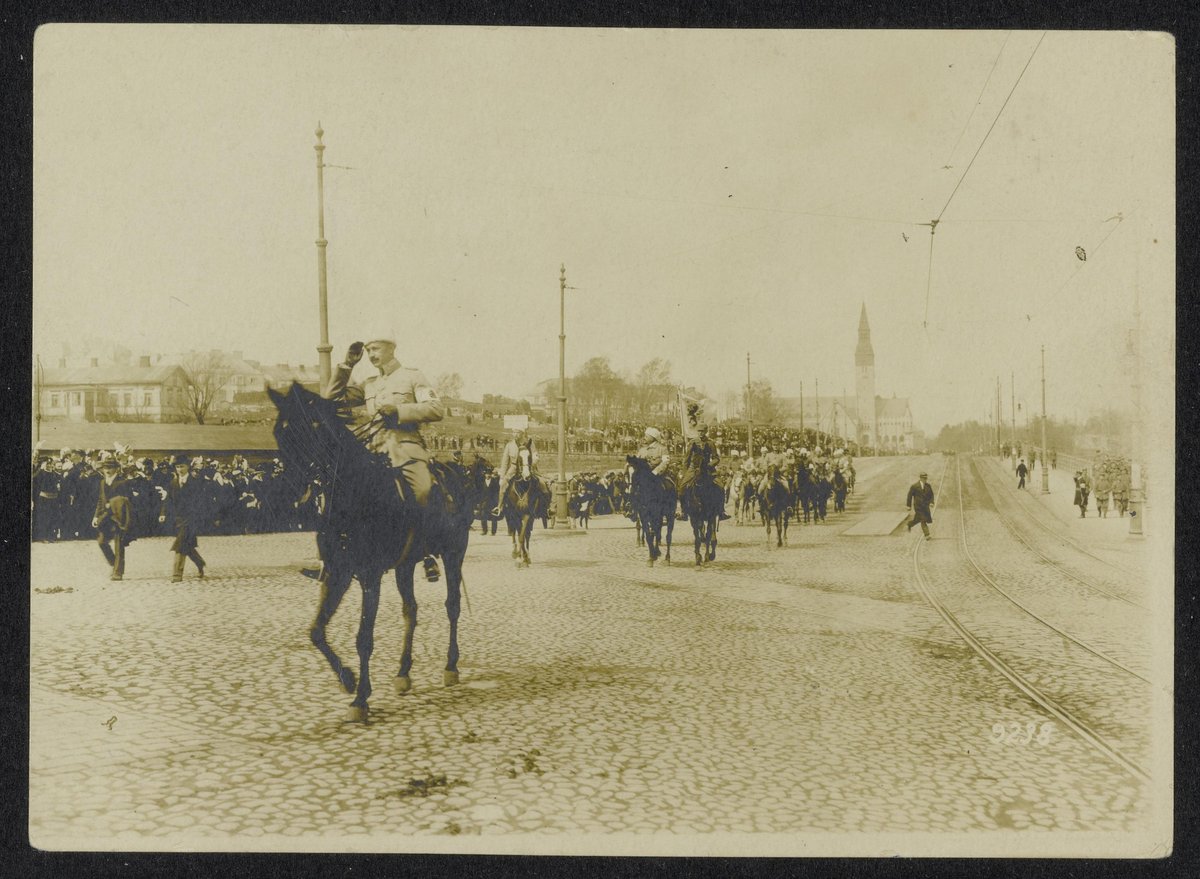
In January the Red revolution seized Helsinki. The city served as capital of Red Finland until German and White forces captured it in April. Over 400 died in the fighting. In the aftermath, thousands of Red prisoners filled camps around the city. The scars of those months still run deep.
Mannerheim Settles in Kaivopuisto
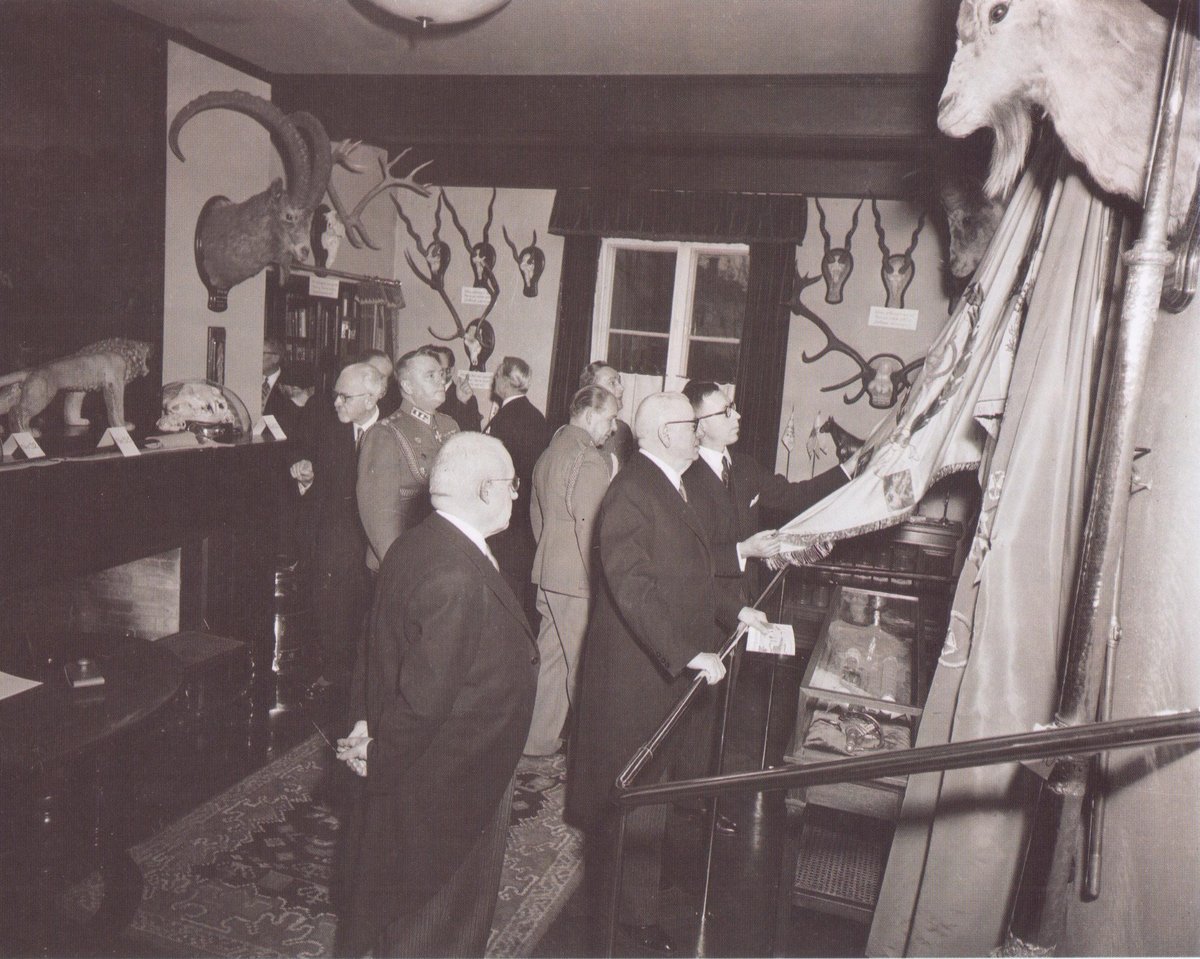
The hero of the Civil War and future president moved into a villa in Kaivopuisto. The house, now the Mannerheim Museum, preserves his Spartan bedroom and hunting trophies. From here the marshal watched over the young republic he had helped create.
Voluntary Evacuation
As war with the Soviet Union loomed, around 100,000 Helsinki residents left for the countryside. The city prepared for attack. When the bombs eventually fell, Helsinki's air defenses proved remarkably effective, saving the city from the fate of many European capitals.
The Olympics Arrive
Helsinki finally hosted the Olympic Games that had been canceled by war in 1940. Paavo Nurmi lit the flame. The event brought the first traffic lights to the city, new housing, and an international coming-out party. For two weeks Helsinki stood at the center of the world.
Jean Sibelius Dies
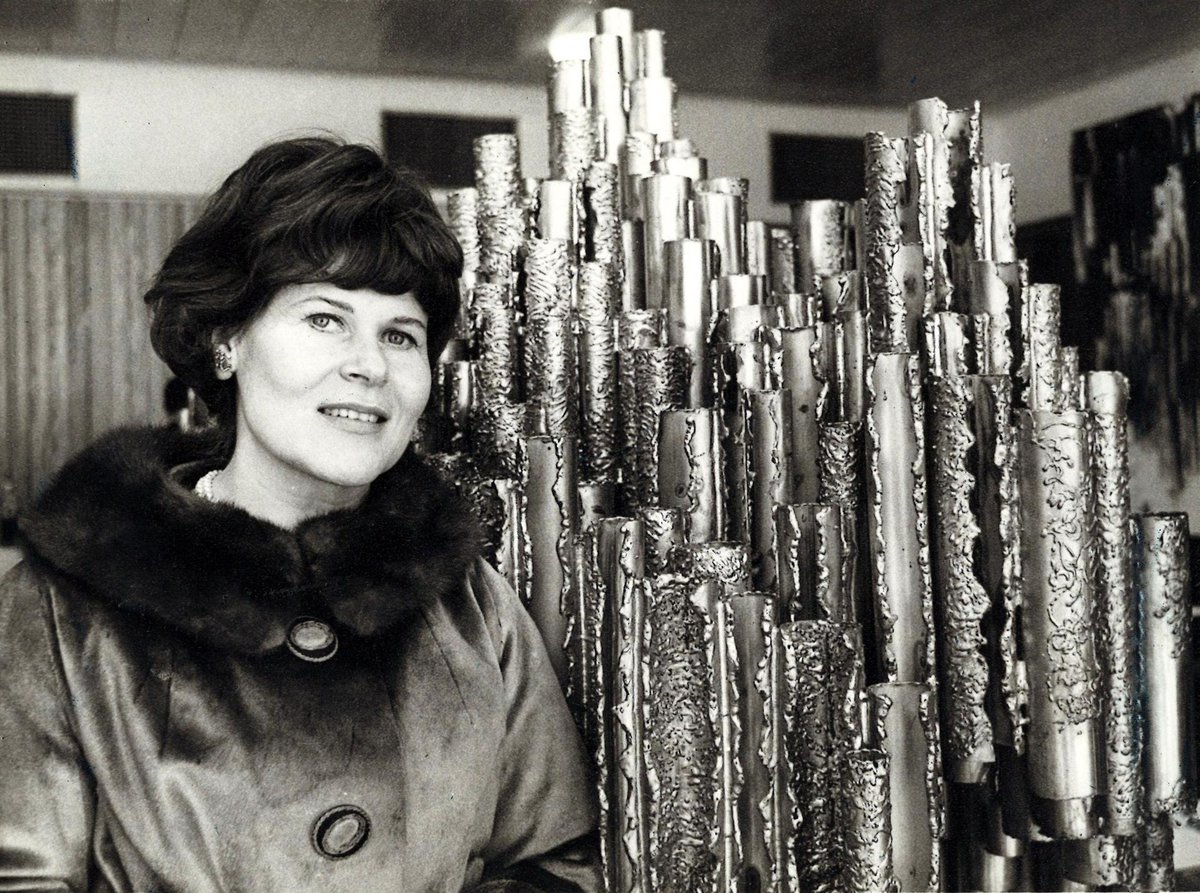
Finland's greatest composer died in his home at Ainola, but his spirit had long belonged to Helsinki. The city where he studied, taught, and saw his early works premiered mourned him deeply. His monument of steel pipes in Töölö Bay remains one of the city's most visited sites.
Rock Church is Consecrated
Temppeliaukio Church, carved directly into solid granite, opened in Töölö. Its copper dome and natural light created one of modern Helsinki's most distinctive interiors. The church quickly became both a working Lutheran parish and one of the city's most powerful architectural statements.
The Helsinki Final Act
Thirty-five nations signed the Helsinki Accords in the Finlandia Hall designed by Alvar Aalto. The agreement became a cornerstone of Cold War diplomacy and human rights. For a moment, the eyes of the world were fixed on this small northern capital.
Finland Joins the European Union
Finland became a member of the European Union. Helsinki transitioned from Cold War border capital to fully European capital. The city began to shed some of its earlier reserve and embrace a more international identity.
Oodi Opens Its Doors
The new central library Oodi opened on the eve of Finnish Independence Day. More than just books, it was designed as the city's living room with 3D printing workshops, cinemas, and public saunas. Within months it had welcomed over a million visitors.
Notable Figures
Tove Jansson
1914–2001 · Author and artistTove Jansson grew up in Helsinki, painted murals for the city hall, and created the Moomins here. You can still feel her presence in the quiet parks of Katajanokka and the Tove Jansson Park named after her. She would probably smile at how the city has embraced both her serious paintings and the cheerful hippos she invented.
Alvar Aalto
1898–1976 · Architect and designerAalto moved his office to Helsinki in 1933 and built Finlandia Hall and the Academic Bookstore here. He shaped the look of modern Helsinki from his home and studio in Munkkiniemi. Today he would likely be pleased with the recent renovation of Finlandia Hall and the way the city still values thoughtful, human-scale modernism.
Jean Sibelius
1865–1957 · ComposerThough not born in the city, Sibelius studied at the Helsinki Music Institute, taught there, and had his early works premiered in Helsinki concert halls. The striking monument in Sibelius Park captures the swirling energy of his music. He would recognise the same light and silence he loved in the surrounding forests.
Eliel Saarinen
1873–1950 · ArchitectSaarinen designed Helsinki Central Railway Station, one of the finest Art Nouveau buildings in the Nordic countries. The station still functions exactly as he intended, with its massive clock and granite bears. Walking through it today feels like stepping into his bold vision for a young independent Finland.
Linus Torvalds
born 1969 · Software engineerTorvalds created Linux while studying at the University of Helsinki in the early 1990s. The operating system that powers most of the internet began in a student room here. He still returns to the city, where computer science students continue the same tradition of practical, slightly rebellious innovation.
Plan your visit
Practical guides for Helsinki — pick the format that matches your trip.
Helsinki Money-Saving Passes & Cards
Thinking about a Helsinki pass? Here’s the honest math on Helsinki Card, Helsinki City Pass, Museum Card, and HSL tickets, with the cases where each saves money.
Helsinki First-Timer Tips: Local Hacks Without the Marketing
Honest Helsinki tips from a local: airport zone trap, real sauna etiquette, Kauppatori prices, free museum days, and the scam at Senate Square to skip.
Photo Gallery
Explore Helsinki in Pictures
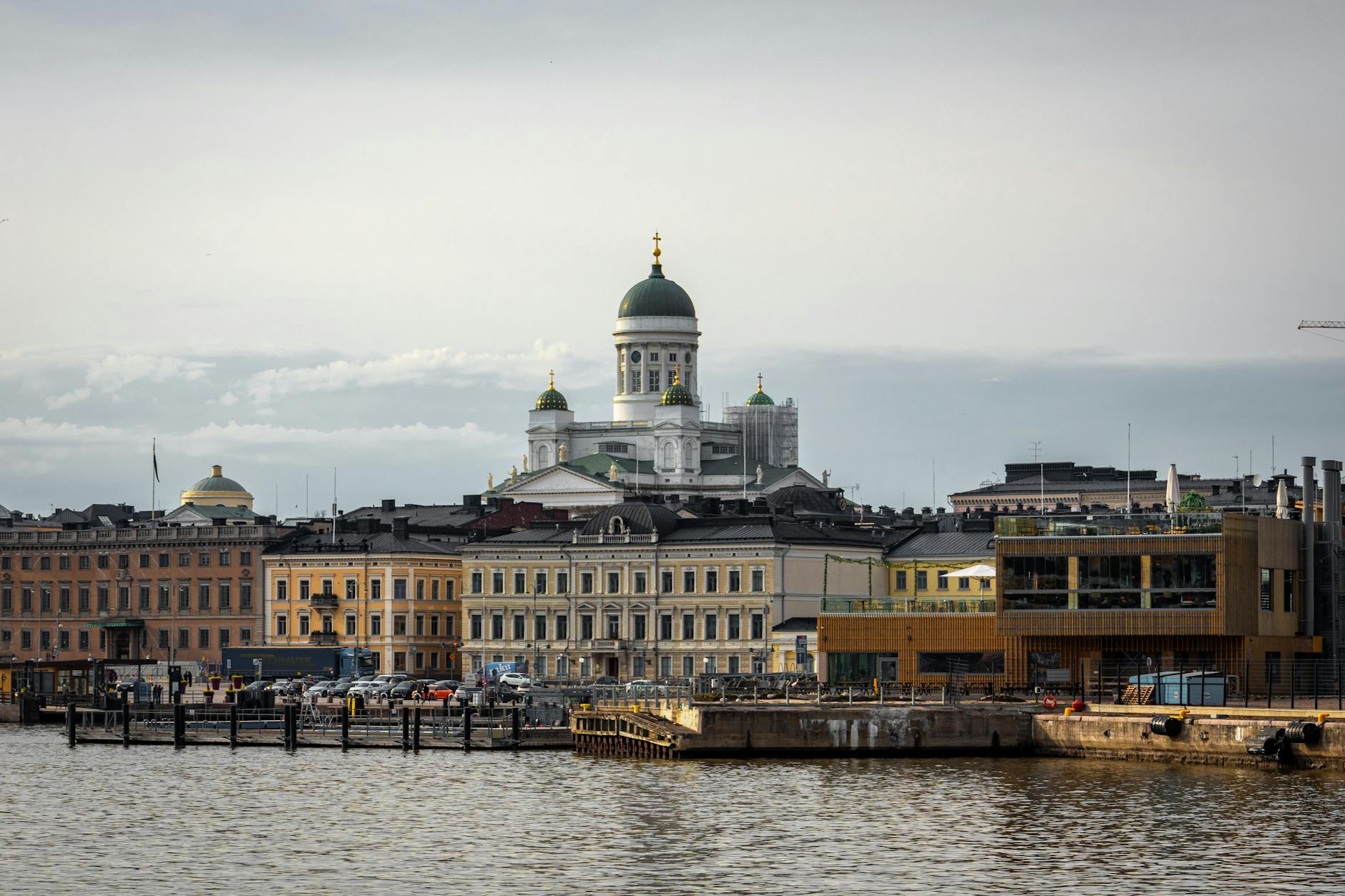
The iconic Helsinki Cathedral towers over the historic waterfront skyline in Finland's capital city.
Vish Pix on Pexels · Pexels License
The majestic Helsinki Cathedral stands as a prominent neoclassical landmark in the heart of Finland's capital city.
Caio Cezar on Pexels · Pexels License
A bright, sunny day at the Helsinki harbor showcases the city's blend of historic market architecture and modern waterfront buildings.
Sergei Gussev on Pexels · Pexels License
The historic Old Market Hall stands prominently in a quiet square in Helsinki, Finland, showcasing its unique brick and stone architectural design.
Manish Jain on Pexels · Pexels License
A view of the historic Helsinki City Hall overlooking a bustling market square filled with white tents in the heart of Finland's capital.
Manish Jain on Pexels · Pexels License
The majestic Helsinki Cathedral stands as a prominent neoclassical landmark in the heart of Finland's capital city.
Aleksei Pribõlovski on Pexels · Pexels License
The majestic green domes and neoclassical architecture of the Helsinki Cathedral stand out against the Finnish sky.
Imme Dekker on Pexels · Pexels License
Practical Information
Getting There
Helsinki Airport (HEL) lies 20 km north of the centre. The I and P trains run directly from the terminal to Helsinki Central Railway Station in 27–32 minutes every 10–15 minutes (ABC ticket required). In 2026 the HSL bus 600 also connects Railway Square to the airport in 40–50 minutes, though check for Veromies diversions after 27 April.
Getting Around
HSL operates an integrated system of two metro lines (M1, M2), 13 tram routes including the new line 13, buses, commuter trains and the Suomenlinna ferry — one ticket covers everything. In 2026 an adult ABC 1-day ticket costs €12.80; the app is the easiest way to buy. Helsinki has over 1,500 km of cycle paths and nearly 4,600 city bikes from April to October (season pass €35).
Climate & Best Time
Winter (Dec–Feb) averages −3.8 °C to −0.7 °C with short days; summer (Jun–Aug) reaches 14.9–18.1 °C with long daylight and 57–81 mm monthly rain. The clearest seasonal window for first-time visitors is June–August when ferries run at full schedule and outdoor life peaks. Late May and September offer milder crowds and softer light.
Language & Currency
Finnish and Swedish are official, yet English is spoken fluently almost everywhere a visitor needs it. The euro is used everywhere; cards and mobile payments are accepted even in small cafés. Tipping is not expected — rounding up is enough if service genuinely impresses you.
Where to Eat
Don't Leave Without Trying
Lappi Ravintola
local favoriteOrder: Reindeer sauté, salmon soup, and anything with lingonberry or cloudberry — this is where locals eat Lapland classics without the tourist-trap feeling.
Lappi nails the rare balance of being genuinely Finnish while remaining welcoming to visitors. The rustic cabin atmosphere and seasonal game dishes make this the place to understand what Helsinki eats when it wants to feel like home.
Musiikkitalo - concert and event venue
cafeOrder: Cinnamon bun (pulla) with coffee — the cafe here captures that effortless Helsinki sophistication, especially if you're catching a concert or just need a proper break.
This isn't just a venue cafe; it's where Helsinki's cultural crowd actually sits. The space feels like a secret even though it's in plain sight, and the pastries are genuinely excellent.
Fazer Café Kluuvikatu
cafeOrder: The Karl Fazer chocolate cake (a Finnish institution since 1891) and fresh cinnamon bun — this is where Helsinki goes for an afternoon coffee that feels like a small ritual.
Fazer is a Finnish heritage brand, and this central location is the real deal: busy, unpretentious, and always packed with locals who know a good pastry. The high review count reflects its role as a genuine neighborhood anchor.
Ekberg 1852
cafeOrder: Cinnamon bun (pulla) and a coffee — Ekberg is Finland's oldest bakery-café, and the pastries taste like they've been perfected over 170 years.
This place is a living piece of Helsinki history. The location on Bulevardi feels like stepping into a different era, and the baking is genuinely exceptional—no shortcuts, no trend-chasing.
Kappeli
local favoriteOrder: Seasonal Nordic fish and game — the kitchen here respects ingredients above all, and the terrace views over Esplanade Park are unbeatable for an evening out.
Kappeli sits at the heart of Helsinki's most elegant promenade and delivers sophisticated Nordic cooking without the stuffiness. It's where locals celebrate without feeling like tourists.
Restaurant Zetor
local favoriteOrder: Baltic herring, meatballs with lingonberry, and a local beer — Zetor is deliberately rough-around-the-edges Finnish, and that's the whole point.
This is where Helsinki goes when it wants to feel authentically Finnish without pretense. The tractor-seat bar stools and farm-kitsch decor aren't ironic—they're genuine, and the food is solid traditional fare.
Scandic Grand Marina
local favoriteOrder: Fresh fish and seafood with a harbor view — this is convenient if you're staying nearby or exploring Katajanokka, and the 24-hour availability makes it reliable for any time of day.
Located on the waterfront in a historic district, Grand Marina offers reliable Nordic cooking with a view. It's a solid choice when you want comfort and consistency without hunting for reservations.
Hotel Marski by Scandic
quick biteOrder: Salmon soup and traditional Finnish sides — Marski is centrally located and open around the clock, making it a reliable fallback for solid Nordic food whenever you need it.
Right on Mannerheimintie in the heart of Helsinki, Marski offers dependable Nordic fare with the convenience of 24-hour service. It's the kind of place that works whether you're hungry at midnight or planning a proper dinner.
Dining Tips
- check Book destination dinners (fine dining) well in advance—Helsinki's best tables fill quickly.
- check Eat lunch early and at market halls for authentic traditional dishes at better value.
- check Hakaniemi Market Square operates Mon-Sat, 6:30-15:00—go early for the best selection of fresh food and local specialties.
- check Helsinki's food culture works best as a mix: one serious dinner, one market-hall lunch, and one old-school Finnish classic.
- check Kallio, Punavuori, and Teurastamo are neighborhoods to wander for food discovery rather than single-destination trips.
Restaurant data powered by Google
Tips for Visitors
Suomenlinna Ferry
Take the HSL ferry from Market Square (15 min, included in day ticket). Buy a 24-hour HSL ticket (€9.00 as of 2026) instead of single tickets – it covers all trams, buses, metro and island ferries.
Visit in May or September
May brings lilacs to Katajanokka and Senate Square with almost 19 hours of daylight; September offers mushroom foraging weather, fewer crowds and the Baltic Herring Market in October.
Market Hall Lunch
Head to Old Market Hall or Hakaniemi Market Hall between 11:00-14:00 for salmon soup (lohikeitto) or fried Baltic herring. These weekday lunches are the most authentic and affordable way to eat local.
Kahvittelu Ritual
Join locals for coffee and a pulla or cinnamon bun at least once a day. Café Regatta by the sea or Ekberg (Finland’s oldest café) both capture the everyday Helsinki ritual perfectly.
Free Museum Days
Many museums including Helsinki City Museum and HAM are free. Ateneum and Kiasma offer free entry on the first Friday of the month (check current rules as they change).
Urban Nature Escape
Take tram 4 or 2 to Lammassaari or walk the duckboard trail through wetlands. It feels like you’ve left the city completely yet remains inside Helsinki city limits.
Explore the city with a personal guide in your pocket
Your Personal Curator, in Your Pocket.
Audio guides for 1,100+ cities across 96 countries. History, stories, and local insight — offline ready.
Audiala App
Available on iOS & Android
Join 50k+ Curators
Frequently Asked
Is Helsinki worth visiting? add
Yes, especially if you like design, architecture, and nature inside a capital city. Helsinki surprises with its 600+ Art Nouveau buildings, easy access to the archipelago, and the way forests and sea penetrate right into the urban fabric.
How many days do you need in Helsinki? add
Three full days is the realistic minimum to cover the historic centre, Suomenlinna, and one museum cluster. Four or five days lets you add a day trip to Porvoo or Nuuksio National Park and explore neighbourhoods like Kallio or Punavuori properly.
Is Helsinki expensive to visit? add
Accommodation and restaurants are pricey, but many experiences are free or cheap. Use the HSL day ticket, eat lunch in market halls, visit free museums, and walk or use trams extensively. A careful visitor can keep daily costs reasonable.
How do you get to Suomenlinna from Helsinki? add
Take the HSL ferry from Market Square. The journey takes 15 minutes and runs year-round. The same ticket works for the return trip and all city public transport.
Is Helsinki safe for tourists? add
Helsinki is one of Europe’s safest capitals. Normal big-city precautions apply, especially in the Kallio area late at night, but violent crime is rare and pickpocketing is uncommon compared to other European cities.
When is the best time to visit Helsinki? add
Late spring (May) and early autumn (September) are ideal. You avoid the peak summer crowds while still getting long daylight hours and pleasant temperatures. Winter offers genuine Nordic darkness and possible northern lights.
Sources
- verified MyHelsinki Official Tourism Portal — Primary source for attractions, neighbourhoods, food recommendations, and practical visitor information.
- verified Suomenlinna Official Site — Official information about the UNESCO Sea Fortress, ferry schedules, and on-site facilities.
- verified Helsinki City Museum — Used for architectural context, Art Nouveau buildings, and local social history.
Last reviewed: