

Historical Development and Architectural Landmarks
Hietalahdentori emerged in the late 1800s amid Helsinki’s rapid urbanization under Russian rule (SpottingHistory). Its prime location—at the intersection of Abrahaminkatu, Bulevardi, Hietalahdenkatu, and Lönnrotinkatu—ensured easy access to the city center (Stadissa.fi). The square quickly evolved into a central marketplace, where Helsinki’s maritime tradition was evident in the fresh catch and produce brought by boat.
To address issues of food safety and hygiene, the Hietalahti Market Hall (Hietalahden kauppahalli) was constructed in 1903, designed by Selim A. Lindqvist. This Art Nouveau market hall became the heart of the square, offering a sheltered space for vendors and preserving the historic character of the area (fi.wikipedia). Nearby, the Neo-Renaissance Polytechnic School building, designed by Frans Sjöström in the 1870s, stands as a reminder of Helsinki’s educational and architectural ambitions.
Market Culture and 20th-Century Transformations
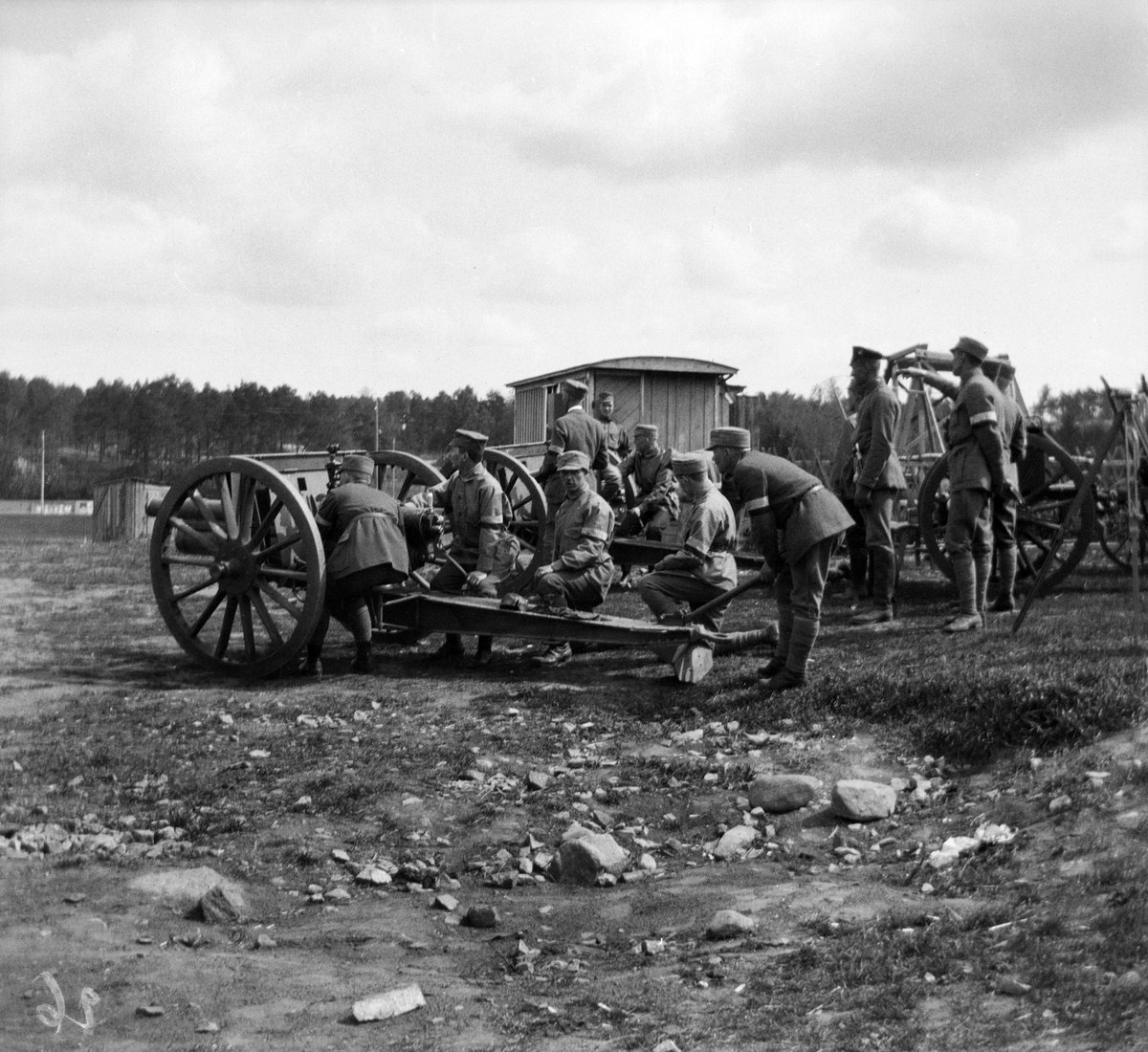
Hietalahdentori’s official market was established in 1906 and soon gained a reputation for high-quality food and vibrant social life (en.wikipedia). The square’s role shifted during World War I, when it was repurposed as a horse barracks for Russian troops, highlighting its strategic importance.
Despite a decline in the 1960s due to increasing car use and conversion of the square into parking, Hietalahdentori maintained its presence as a recognizable part of Helsinki’s urban fabric (fi.wikipedia). A significant revival began with the introduction of the "Hietsun kirpputori" flea market, bringing new energy and sustainability values to the space.
The Flea Market Era and Modern Significance
Today, Hietalahdentori is synonymous with its renowned flea market, which operates from May to September and draws crowds in search of vintage items, antiques, and unique finds (MyHelsinki). The flea market embodies Finnish values of minimalism and circular economy, promoting sustainable shopping and community engagement.
The market hall, revitalized in the 2010s, now hosts a diverse mix of restaurants and specialty food vendors, blending local tradition with contemporary tastes (Stadissa.fi). The lively terraces and outdoor dining areas have become popular gathering spots, especially during the warmer months.
In the 1990s, the square gained the nickname "Punainen Tori" ("Red Square") due to the influx of Russian goods, reflecting its ever-evolving cultural and economic significance (Stadissa.fi).
Visiting Hietalahdentori: Practical Information
Opening Hours
- Market Square Daily, 6:00 AM–6:00 PM (flea market on weekends, May–September).
- Hietalahti Market Hall Typically 8:00 AM–6:00 PM (varies by vendor).
- Flea Market Season May–September, weekends 10:00 AM–3:00 PM, additional hours in July (Official Event Info).
Tickets
- Entry to both the market square and the market hall is free.
- No tickets are required for general access.
Accessibility
- The square and market hall are wheelchair accessible.
- Tram lines 6 and 7 stop at Hietalahdentori; the area is also pedestrian and bike friendly.
Getting There
- 10–15 minutes’ walk from Helsinki Central Station.
- Easy access via trams 6, 7, and 9, and bus lines 20 and 30.
- Limited nearby parking; public transport or city bikes recommended.
Best Time to Visit
- Early mornings for fresh goods and fewer crowds.
- Flea market weekends during summer for the fullest experience.
Photographic Spots
- The Art Nouveau market hall, bustling flea market scenes, and harbor views offer excellent photo opportunities.
Facilities
- Public restrooms in the market hall and nearby parks.
- Ample seating and accessible pathways.
Special Events and Urban Heritage
Hietalahdentori is a venue for a wide range of seasonal and cultural events, from open-air concerts and pop-up food festivals to art installations and Helsinki Day celebrations (MyHelsinki). The square’s integration into citywide happenings, such as Helsinki Design Week and the Helsinki Biennial, further enhances its role as a cultural hub (Helsingin Torit).
Sustainability at Hietalahdentori
Hietalahdentori demonstrates Helsinki’s commitment to sustainability and circular economy principles:
- Sustainable Shopping The flea market promotes second-hand purchasing, upcycling, and mindful consumption (Helsinki Partners).
- Market Hall Practices Vendors prioritize local, seasonal, and plant-based ingredients, and food waste is minimized through rescue initiatives (MyHelsinki).
- Eco-Infrastructure Recycling stations and the use of biodegradable packaging support resource efficiency (Open Access Government).
- Energy Efficiency The renovated market hall incorporates LED lighting, improved insulation, and energy-saving appliances.
Visitors are encouraged to bring reusable bags, shop from ethical vendors, and utilize recycling facilities.
Nearby Attractions
- Hietaniemi Beach Popular urban beach for swimming and events.
- Design District Helsinki Renowned for boutiques, galleries, and design studios.
- Museums HAM Helsinki Art Museum, Amos Rex, and Kiasma are all nearby.
- Parks Sinebrychoff Park and Esplanade Park offer green respite.
- Saunas Explore Finnish sauna culture at Löyly or Allas Sea Pool.
- Other Market Squares Visit Kauppatori (Market Square) and the Old Market Hall near the harbor for more local experiences.
Frequently Asked Questions (FAQ)
Q: What are the opening hours of Hietalahdentori and the market hall?
A: The market square operates daily from 6:00 AM–6:00 PM; the flea market is open on weekends May–September, typically 10:00 AM–3:00 PM. The market hall usually opens from 8:00 AM–6:00 PM.
Q: Is there an entry fee?
A: No, entry to the market square, flea market, and market hall is free.
Q: How do I get there?
A: Use tram lines 6, 7, or 9, or walk from Helsinki Central Station. Public transport is recommended.
Q: Is Hietalahdentori wheelchair accessible?
A: Yes, both the square and market hall have accessible pathways and facilities.
Q: Are pets allowed?
A: Pets are welcome in outdoor areas but not inside the market hall (except service animals).
Q: Are there guided tours?
A: Yes, several walking tours include Hietalahdentori. Check local tourism sites for schedules.