
Museum Origins and Founding
The National Museum of Finland traces its roots to the late 19th century, a time marked by a growing sense of Finnish nationhood. Officially founded in 1893, the museum’s original collections were drawn from the Finnish Antiquarian Society and the State Historical Museum, encompassing archaeological finds, ethnographic items, coins, medals, and historical documents (museo.fi; wikipedia). The museum’s establishment reflected a broader movement to preserve and showcase Finland’s cultural heritage.
Architectural Development and Symbolism
National Romanticism in Finnish Architecture
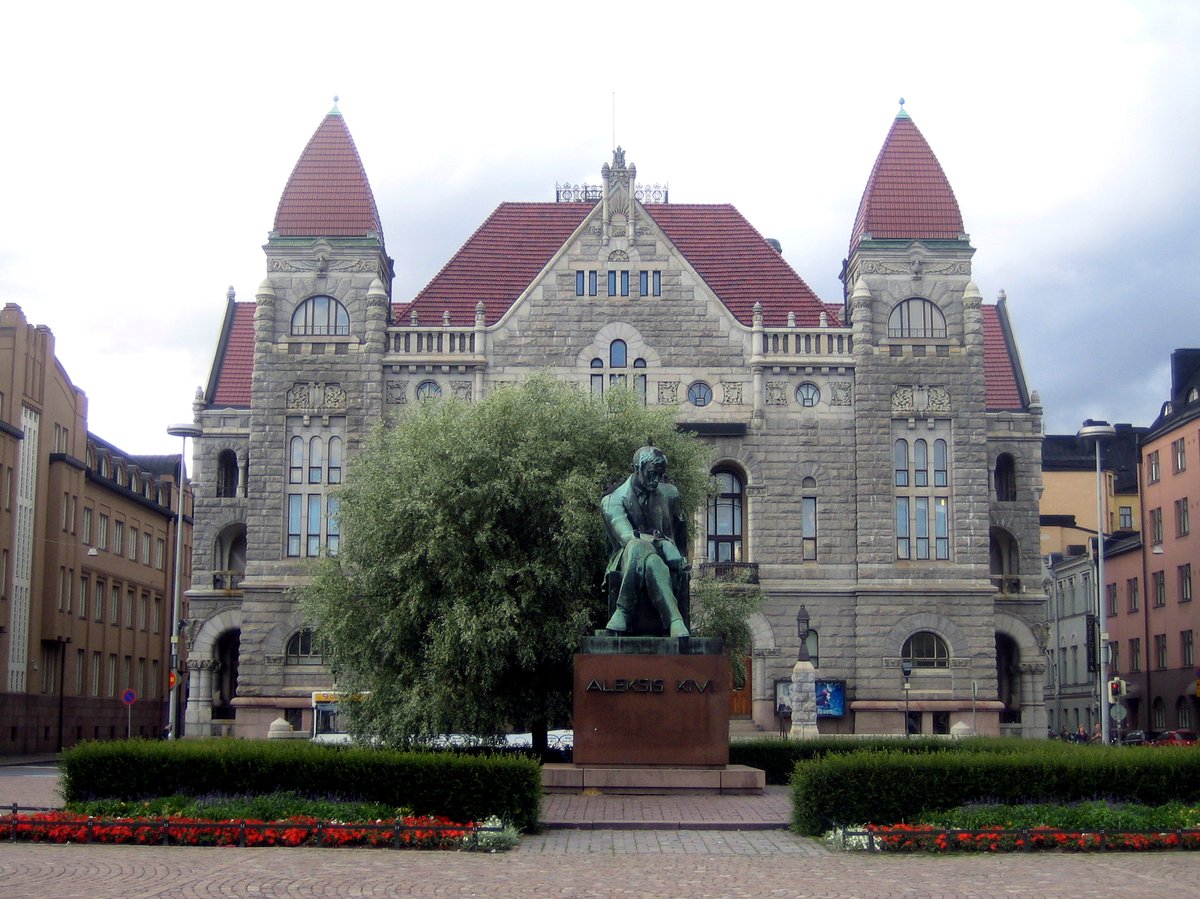
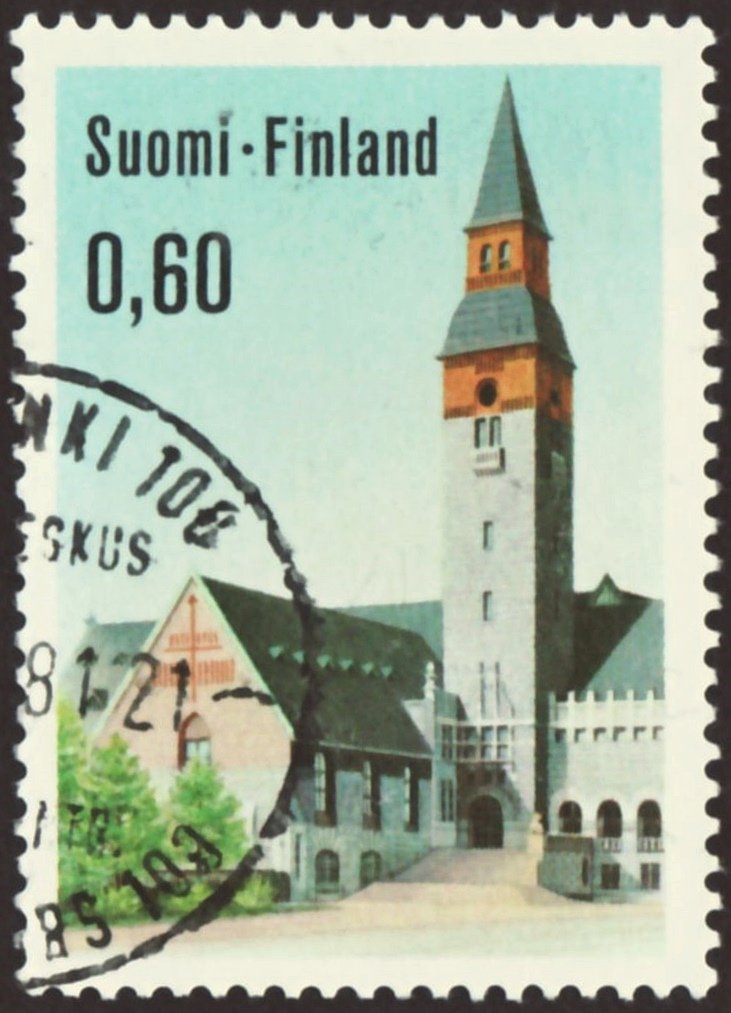
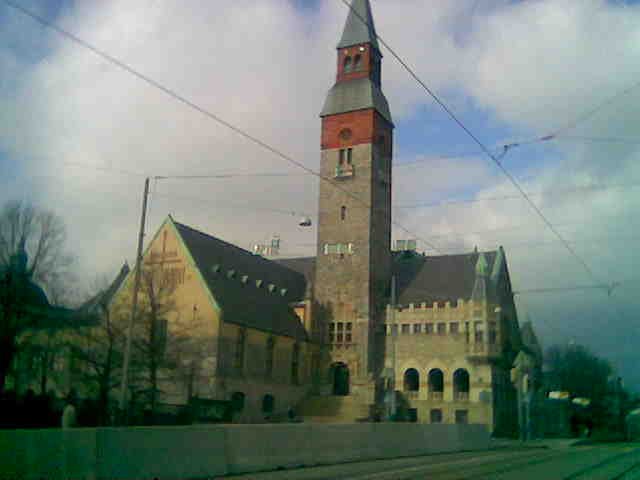
The museum’s building, located at Mannerheimintie 34, is a landmark of Finnish National Romanticism. Designed by Gesellius, Lindgren, and Saarinen, construction began in 1905 and was completed in 1910, with the museum opening to the public in 1916 (wikipedia). The robust granite façade, castle-like tower, and intricate steatite decorations evoke Finland’s natural landscape and historical resilience (Finnish Architecture; Museums.eu; MyHelsinki).
Inside, the vaulted central hall and the celebrated Kalevala frescoes by Akseli Gallén-Kallela create a striking narrative environment. Painted in 1928, these frescoes depict scenes from Finland’s national epic and are accessible to all visitors free of charge (VisitFinland; Kansallismuseo).
Evolution Through Independence and Modernization
After Finland’s independence in 1917, the institution was renamed the National Museum of Finland, solidifying its role in preserving national heritage (museo.fi). The museum’s scope expanded to include all eras of Finnish history, from the Stone Age to the 21st century, including pivotal moments such as the Finnish War of Independence and World War II (museo.fi).
A significant renovation completed in 2000 modernized the museum’s facilities and interpretive approaches, while respecting its architectural heritage (wikipedia).
Expansion and Renovation Projects
In the 2020s, the museum embarked on the ambitious “Atlas” expansion, designed by JKMM Architects, adding a new entrance, exhibition spaces, and a garden restaurant (blooloop.com). However, as of June 2025, budget cuts have postponed the reopening, which is now expected no earlier than spring 2027 (wikipedia).
Collections and Exhibition Highlights
The museum’s collections exceed half a million objects, reflecting Finland’s diverse history and global connections (Kansallismuseo).
Prehistory and Archaeology
Ancient tools, pottery, jewelry, and weapons chart the story of human settlement in Finland, spanning over 10,000 years (Museo.fi; Finna Collections).
Medieval and Early Modern Era
Medieval church art, coins, armor, religious artifacts, and objects from the era of Swedish and Russian rule illustrate the complexity of Finnish society’s development (Museo.fi; The Broke Backpacker).
Treasure Troves
A dazzling collection of coins, medals, jewelry, ceremonial regalia, and armor, this section is among the museum’s most popular (The Broke Backpacker; Live the World).
Folk Culture and Ethnography
Traditional costumes, household goods, agricultural tools, and reconstructed rural interiors offer a vibrant glimpse into everyday Finnish life in the 18th and 19th centuries (Museo.fi).
Independence and Modern Finland
Artifacts and personal stories document the struggle for independence, wartime experiences, and Finland’s evolution into a modern democracy (Museo.fi).
International Collections
Notably, the museum houses a significant collection of Native American artifacts from Mesa Verde, Colorado, donated by Gustaf Nordenskiöld (Live the World).
Special and Temporary Exhibitions
The museum regularly hosts special exhibitions on contemporary themes, art, design, and cultural anniversaries. Recent events have included immersive experiences and family-friendly programming (Kansallismuseo.fi).
Visitor Information: Hours, Tickets, Accessibility, and Tours
Visiting Hours
As of June 2025, the museum is closed for renovation. Upon reopening (expected spring 2027), typical hours will be Tuesday–Sunday, 11:00–18:00. Always verify current hours on the official website.
Tickets
Prior to closure, ticket prices were:
- Adults €14–18
- Reduced (students/seniors) €6–11
- Children under 18 Free
- Museum Card Accepted
- Online purchase Often discounted (Kansallismuseo)
Tickets are unavailable during closure; check for updates before your visit.
Accessibility
The museum is wheelchair accessible, with elevators, ramps, and accessible restrooms. Assistance is available; most exhibit information is in Finnish and English (Visit Finland).
Guided Tours and Services
Guided tours (in Finnish and English) and audio guides are available. Family-friendly workshops and interactive exhibits, such as the VINTTI Workshop, enhance the experience (Maps of World).
Facilities
Amenities include a café, museum shop, cloakrooms, lockers, rest areas, and free Wi-Fi. Staff are known for their helpfulness (WhichMuseum).
The Museum’s Role in Finnish Cultural Identity
The National Museum actively promotes Finnish identity through research, education, and public programming. Managed by the Finnish Heritage Agency, it connects visitors to Finland’s multifaceted past and cultural story (kansallismuseo.fi). Its affiliated sites, such as the Seurasaari Open-Air Museum, deepen public engagement with regional traditions and lifestyles.
Notable Milestones
- 1893 Museum founded
- 1916 Official opening
- 1917 Renamed after independence
- 1928 Kalevala frescoes completed
- 2000 Major renovation and reopening
- 2020s Atlas expansion launched
- 2025 Renovation ongoing; reopening postponed
The Museum’s Place in Helsinki and Finnish Tourism
Centrally located, the museum is a cornerstone of Helsinki’s cultural landscape and ranks among Finland’s top attractions (weareglobaltravellers.com; Museo.fi). Its proximity to sites like the Parliament House and Ateneum Art Museum makes it ideal for a day of exploration. Affiliated museums remain open during renovation (Kansallismuseo).
Frequently Asked Questions (FAQ)
Q: When will the National Museum of Finland reopen?
A: Spring 2027 (subject to change; check official updates).
Q: How much are tickets?
A: Adults €14–18, reduced €6–11, children under 18 free (prices may change after reopening).
Q: Is the museum wheelchair accessible?
A: Yes, with elevators, ramps, and accessible restrooms.
Q: Are guided tours available?
A: Yes, in Finnish and English, with audio guide options.
Q: What other Helsinki historical sites should I visit?
A: Consider the Seurasaari Open-Air Museum, Ateneum Art Museum, Temppeliaukio Church, and Helsinki Cathedral.
Tips for Visiting
- Allocate 2–3 hours to explore the collections.
- Combine your museum visit with nearby attractions.
- Buy tickets online post-renovation for discounts and quicker entry.
- Check for workshops, special exhibitions, or family programming.
- Confirm accessibility features after reopening.
Enhance Your Experience
Download the Audiala app for audio guides, interactive maps, and up-to-date information. For digital explorations, visit the Finna Collection for online access to artifacts.
Summary
The National Museum of Finland is a vital institution preserving the nation’s historical and artistic legacy. From its National Romantic architecture and symbolic frescoes to its vast, diverse collections, the museum offers a unique window into Finland’s past, present, and evolving identity. Although the main site is closed for renovation until 2027, affiliated museums and digital resources ensure that the nation’s story remains accessible. Stay informed about reopening details, ticketing, and special events by checking the official website.