About Munkkiniemi Church
Historical Background
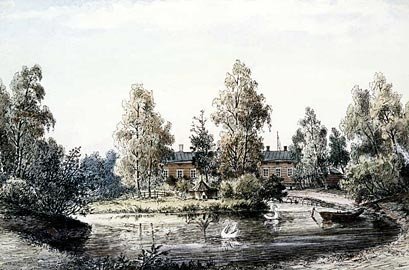
Munkkiniemi, dating to the Middle Ages, is a district steeped in history. Although its name means "Monk Cape," there was never a monastery here—rather, the area was linked to the 14th-century Padise Monastery and benefitted from medieval fishing trade routes. In the 20th century, the rural landscape was transformed by Eliel Saarinen’s 1917 town plan into a thoughtfully designed urban district.
Against this backdrop, Munkkiniemi Church emerged in 1954 as a spiritual and cultural center, serving the growing population and particularly the Swedish-speaking Finnish community. Its design marks Helsinki’s shift from National Romanticism and Functionalism to modernism, mirroring broader European post-war trends (Just Moving Around).
Visitor Information
Visiting Hours
- Monday–Sunday 10:00 AM – 6:00 PM
- Closed Major public holidays and during private ceremonies or maintenance (check the official website for updates).
Tickets and Entrance
- Admission Free for all visitors.
- Donations Welcome to support church maintenance and community programs.
Accessibility
- Wheelchair accessible Ramps and accessible restrooms available.
- Assistive listening devices Provided upon request.
- Guide dogs Permitted.
Guided Tours
- Availability By appointment, especially for groups or during cultural festivals.
- Booking Contact the parish office via the official website.
Photography
- Permitted During visiting hours, except during services or private events.
- Restrictions No flash or tripod use without permission; professional photography requires advance approval.
Getting There
- By Tram Line 4 from Helsinki city center to Munkkiniemi.
- By Bus Lines 10, 14, and others stop nearby.
- Cycling Excellent bike lanes.
- Car Limited street parking available.
Architectural Highlights
Munkkiniemi Church is a striking example of Finnish modernism:
- Exterior Constructed from red brick, with rectilinear forms and minimal ornamentation, the church blends durability with warmth. The church tower stands as a local landmark.
- Interior The nave is bathed in natural light from tall, narrow windows. Exposed brick and light wood create a tranquil atmosphere. The altar is simply adorned, in keeping with Lutheran principles.
- Artistic Elements Modest stained glass and locally crafted furnishings add subtle color and symbolism. The church exemplifies the Finnish Gesamtkunstwerk ideal, where architecture and art are harmoniously integrated (Mexico Historico).
- Integration with Nature Large windows frame views of the landscaped grounds, reinforcing the connection between sacred space and the natural world.
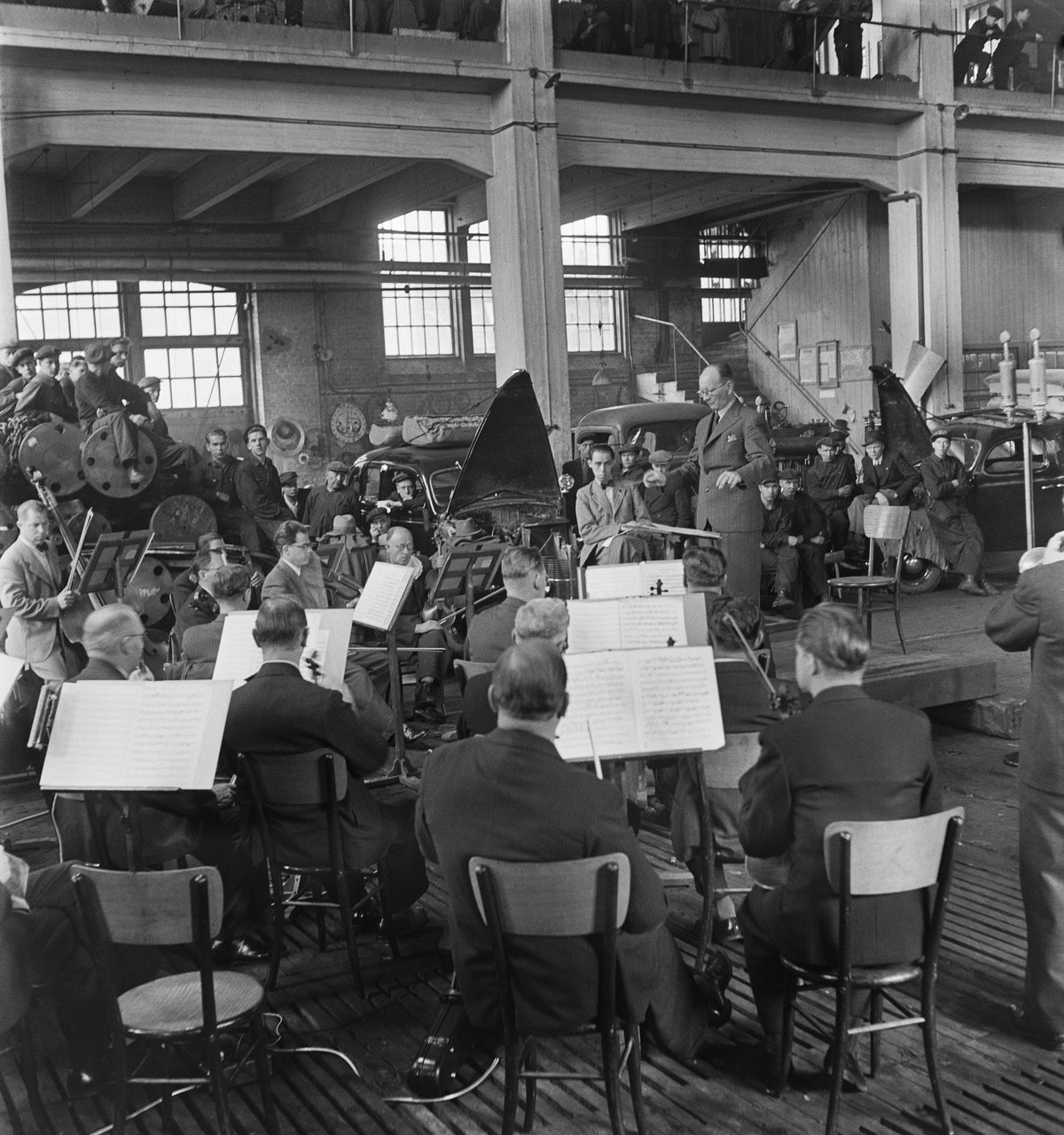
- Acoustics The design supports excellent sound quality, making the church a preferred venue for concerts.
Neighborhood and Nearby Attractions
Munkkiniemi Church is ideally situated for exploring western Helsinki:
- Studio Aalto Home and studio of architect Alvar Aalto, a short walk away.
- Munkkiniemi Manor Grounds Historic parklands perfect for walks and picnics.
- Munkkiniemi Beach Scenic views of the Gulf of Finland.
- Sibelius Monument A 20-minute walk or short tram ride.
- Seurasaari Open-Air Museum Accessible by public transport, offering insight into Finnish rural heritage.
- Local Cafés and Parks Ideal for post-visit refreshments and relaxation.
Cultural and Community Significance
Linguistic and Religious Context
Munkkiniemi Church is integral to Helsinki’s Swedish-speaking community, with Swedish as the primary liturgical language. The congregation maintains its heritage while embracing inclusivity (University of Vaasa Report).
Governance and Social Role
A locally elected parish board manages church activities and finances, with active participation in Helsinki's broader Lutheran networks. The church hosts regular worship, rites of passage, youth programming, and intergenerational events, underlining its role as both a spiritual and social center.
Adaptation and Tradition
The 2011 merger with Munkkivuori congregation enhanced services and resources. The church balances heritage preservation with modern programming, maintaining relevance for all generations.
Frequently Asked Questions (FAQ)
Is there an admission fee?
No, admission is free.
What are the visiting hours?
Daily, 10:00 AM–6:00 PM; check the official website for variations.
Can I book a guided tour?
Yes, tours are available by appointment or during select events.
Is the church accessible for people with disabilities?
Yes, with ramps, accessible restrooms, and assistive devices.
Are photos allowed?
Yes, outside service times. No flash or tripods without permission.
How do I get there from central Helsinki?
Tram 4 and several bus lines connect the city center to Munkkiniemi.
Plan Your Visit
Munkkiniemi Church offers a serene, architecturally distinguished, and culturally rich experience. Combine your visit with other Helsinki landmarks for a comprehensive exploration of the city’s western districts. For the latest schedules and events, always confirm via the parish website or the Audiala app.
Sample Itinerary:
- Morning: Visit Munkkiniemi Church and enjoy the gardens.
- Midday: Explore Studio Aalto or Munkkiniemi Manor.
- Afternoon: Relax at Munkkiniemi Beach or visit the Sibelius Monument.
Travel Tips:
- Wear comfortable shoes.
- Helsinki is safe, but standard precautions are advised.
- English is widely spoken; staff are helpful and welcoming.