Historical Development of Maunula Church
Origins and Architectural Context
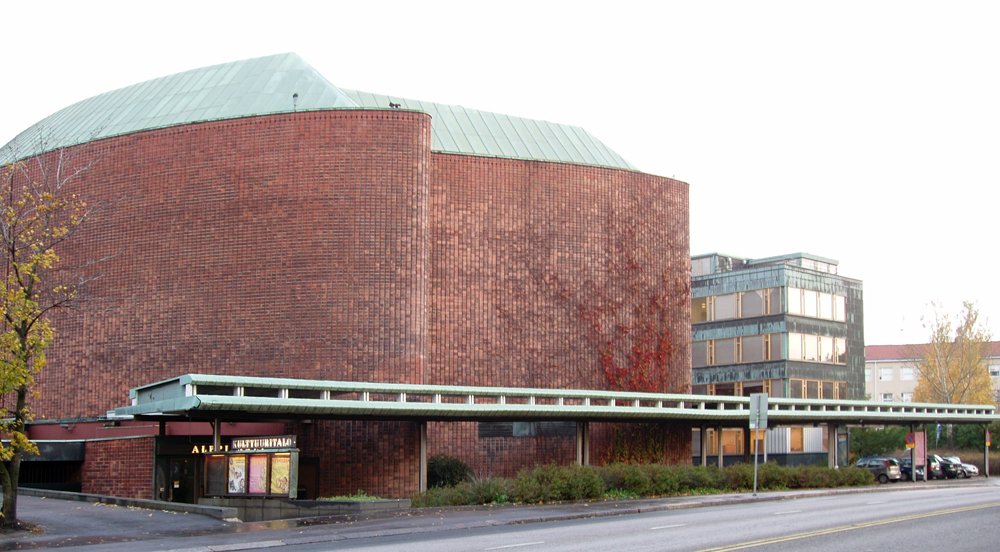
Maunula Church (Maunulan kirkko) was constructed during Helsinki’s post-war expansion, with its design reflecting the principles of Finnish modernism—clean lines, functional spaces, and a harmonious relationship with the surrounding landscape. The Maunula district itself is recognized by the Finnish Heritage Agency as a nationally significant built cultural environment. The church’s architecture is defined by its integration into the broader Maunula House complex, which blends cultural, educational, and social facilities.
Community Significance
As part of the Evangelical Lutheran Church of Finland, Maunula Church serves both spiritual and social purposes. Beyond religious services, it hosts concerts, exhibitions, and community gatherings. Its accessible design and location exemplify the post-war Finnish ideal of seamlessly incorporating public buildings into the fabric of daily life.
Renovation and Modernization
Rationale and Scope
By the early 21st century, Maunula Church required updates to its aging infrastructure and facilities. The City of Helsinki’s renovation project focuses on:
- Preserving the historical architecture
- Upgrading technical systems (heating, ventilation, electrical, plumbing)
- Improving energy efficiency
- Enhancing accessibility for all visitors
Key Features
- Structural Preservation Restoration uses original or sympathetic materials and methods to maintain architectural integrity.
- Energy Efficiency Installation of modern insulation, energy-saving windows, and LED lighting.
- Accessibility Addition of elevators, barrier-free entrances, and accessible restrooms.
- Flexible Spaces Interiors are updated for multipurpose use, supporting worship, cultural events, and meetings.
- Outdoor Improvements Enhanced landscaping and public art installations in adjacent Maunula Park.
Timeline
Renovation is scheduled from autumn 2025 through the end of 2027, coordinated to minimize disruption to the community and adjacent facilities.
Visiting Maunula Church
Visiting Hours
- Monday–Friday 9:00 AM – 6:00 PM
- Saturday 10:00 AM – 4:00 PM
- Sunday Closed for public visits (open for services and special events)
Note: Hours may vary during holidays or renovations. Always confirm on the official website.
Tickets and Entrance
- Entry Free of charge (no tickets required)
- Donations Appreciated to support church maintenance and community activities
Accessibility
- Physical Access Elevators, ramps, and barrier-free entrances
- Facilities Accessible restrooms, open interior layout for easy navigation
- Transportation Served by Helsinki public transit (bus lines), with limited street parking
Guided Tours
- Availability By appointment; contact Maunula House or the parish office
- Languages Finnish, English, and other languages upon request
Nearby Attractions
- Maunula Park Adjacent green space with public art installations
- Local Cafés and Shops Within walking distance
- Other Helsinki Sites Helsinki Cathedral, Temppeliaukio (Rock) Church, and Helsinki City Museum, easily accessible by public transport (Wanderlog)
Architectural and Cultural Significance
Maunula Church is a prime example of Nordic modernism, characterized by minimalist design, abundant natural light, and the use of brick, glass, and wood. The interior, renovated by Lukkaroinen Architects, balances original features with modern comfort, including custom furnishings and flexible sanctuary spaces (Lukkaroinen Architects). The church’s understated exterior, open-plan interiors, and artful landscaping create spaces for reflection and community interaction.
Community Role and Participatory Design
Maunula Church is integrated with Maunula House, a multipurpose community center encompassing a library, youth center, and adult education facilities (Maunula House). The complex is a model of participatory design, shaped through resident workshops and collaborative planning (Archipendium). Features such as a youth-run café and dedicated spaces for diverse groups highlight the commitment to inclusivity and social integration (Finnish Architecture).
The center supports immigrant integration, intergenerational activities, and multicultural events. Notably, the public artwork “Family Trees: Betula pendula (1948–2016)” by IC-98 in Maunula Park symbolizes the connection between community, art, and the environment.
Practical Visitor Tips and Frequently Asked Questions
Tips for Visitors
- Best Time to Visit Weekdays outside service hours are quietest; mornings and late afternoons provide excellent natural lighting for photography.
- Dress Code Modest attire is recommended.
- Photography Permitted for personal use; avoid flash and respect privacy during services/events.
- Language Staff and volunteers often speak English; most signage is in Finnish.
- Amenities Restrooms available; cafés and shops nearby.
Frequently Asked Questions (FAQ)
Q: What are the church’s opening hours?
A: Monday–Friday 9:00–18:00, Saturday 10:00–16:00; closed to the public on Sundays except for services.
Q: Is there an entrance fee or need for tickets?
A: No, entry is free; donations are welcome.
Q: Are guided tours offered?
A: Yes, by request; contact Maunula House or the parish office in advance.
Q: Is the church accessible to people with disabilities?
A: Yes, renovations ensure full accessibility.
Q: How do I get there?
A: By public transport (bus lines) or limited street parking; full details on the MyHelsinki page.