
Historical Background and Olympic Legacy
Origins and Construction
Töölö Rowing Stadium was built for the 1940 Summer Olympics, which were canceled due to World War II. Its waterfront position on Töölönlahti Bay was chosen for optimal rowing and canoeing, and its functionalist design reflected the architectural trends of the era (Comodo.fi).
The 1952 Helsinki Olympics
Although Helsinki finally hosted the Games in 1952, rowing events were relocated due to challenging sea breezes. The stadium remained integral to the Olympics by hosting the canoeing competitions, marking its contribution to Finnish and Olympic history (Wikipedia).
Architectural and Urban Significance
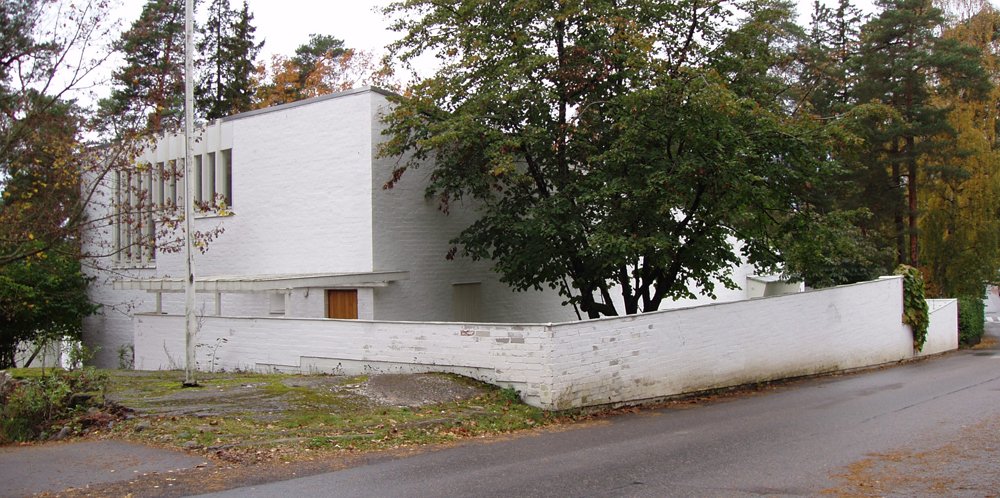
As a highlight of Helsinki’s Olympic-era functionalist movement, the stadium features clean lines, honest materials, and thoughtful integration with the bay’s natural landscape. The proximity to other Olympic sites, such as the Helsinki Olympic Stadium and the Swimming Stadium, reinforced Töölö’s role as a sporting and recreational district (Finnish Design Shop).
Visiting Töölö Rowing Stadium: Practical Information
Visiting Hours and Tickets
- Hours Open to the public year-round, with recommended visits between 6:00 AM and 9:00 PM (May–September). Off-season access may be limited due to weather.
- Tickets Entry to the stadium grounds is free. Special events or guided tours may require tickets—check local event listings or official tourism sites.
Accessibility
The stadium is wheelchair accessible, featuring paved and gently sloping paths. Most facilities are suitable for visitors with reduced mobility.
Getting There
- Public Transport Tram lines 4 and 10, and several buses serve Töölö. The nearest Hop On-Hop Off stop is at Runeberginkatu 57 (Stromma).
- Cycling/Walking Töölö is bike- and pedestrian-friendly, with scenic routes along Töölönlahti Bay.
- Car Limited street parking is available, but public transport is recommended, especially during events.
Facilities and Amenities
- Grandstand seating Panoramic views of the bay and competitions.
- Boat ramps and docks For club and event use.
- Changing rooms Primarily for athletes during organized events.
- Walking paths and parkland Green spaces for recreation and relaxation.
- Nearby refreshments Café Regatta (Merikannontie 8) offers Finnish pastries and coffee (Stromma).
Activities and Events
Rowing and Canoeing
The stadium is a hub for local rowing and canoeing clubs. Visitors may see training sessions or, during public events, join supervised water sports.
Community and Cultural Events
Töölö Rowing Stadium regularly hosts community gatherings, outdoor fitness classes, charity events, and, on occasion, public viewings of major happenings like Eurovision (My Helsinki).
Recreation
The area is open for walking, jogging, picnicking, and photography. Its proximity to parks and monuments makes it a natural stop on Helsinki’s cultural walks.
Nearby Attractions
- Sibelius Monument Iconic sculpture in Sibelius Park (check status for renovations) (Stromma).
- Café Regatta Beloved lakeside café.
- Olympic Stadium & Tower Panoramic city views and sports museum (Discovering Finland).
- TAHTO Sports Museum Dedicated to Finnish sporting heritage.
- Winter Garden An indoor botanical garden nearby.
Food and Refreshments
- Café Regatta Finnish coffee and pastries.
- Restaurant Kuu Modern Finnish cuisine.
- Fat Lizard Töölö Wood-fired dishes and craft beers.
- Café Tin Tin Tango Neighborhood café with breakfast options.
Accessibility and Inclusivity
- Families Open spaces and nearby playgrounds are ideal for children.
- Groups Group visits are welcome; coordinate large activities with local clubs.
- Facilities While most paths are wheelchair accessible, some older facilities may be less so—contact Helsinki Tourist Information for specific needs.
Tips for Your Visit
- Best Time May–September for events and pleasant weather.
- Dress Code Comfortable, weather-appropriate clothing (light jacket for sea breezes).
- Safety Well-patrolled and safe; standard urban precautions apply.
- Photography Excellent for capturing waterside and architectural views.
- Restrooms Available in parks and nearby cafés.
Frequently Asked Questions (FAQ)
Q: What are the stadium's visiting hours?
A: Typically 6:00 AM–9:00 PM (May–September); check for seasonal changes.
Q: Is there an entrance fee?
A: No, the grounds are free to access. Tickets may be needed for special events.
Q: Are guided tours available?
A: Guided tours are not regular but may be included in broader city sightseeing routes.
Q: Is it accessible for wheelchair users?
A: Yes, with most paths paved and accessible.
Q: Can visitors try rowing or canoeing?
A: Occasionally during public events, under supervision.
Sustainability and Etiquette
- Eco-Friendly Use public transport, recycle, respect the environment (Stromma).
- Local Customs Finns value quiet and privacy in public spaces.
Weather Considerations
- Summer Mild (18–22°C), long daylight hours, many events.
- Winter Bay may freeze; still accessible, but dress warmly and beware of ice.
Visuals and Media
Explore high-quality images and virtual tours on Helsinki tourism platforms. Highlights include panoramic bay shots, stadium architecture, and event photography.