
The Emergence of Malmi Station and Finnish Railways
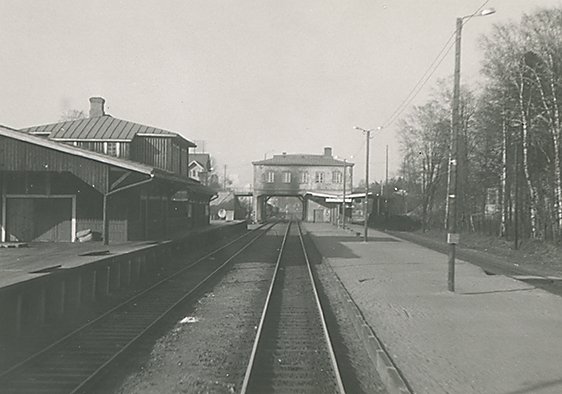
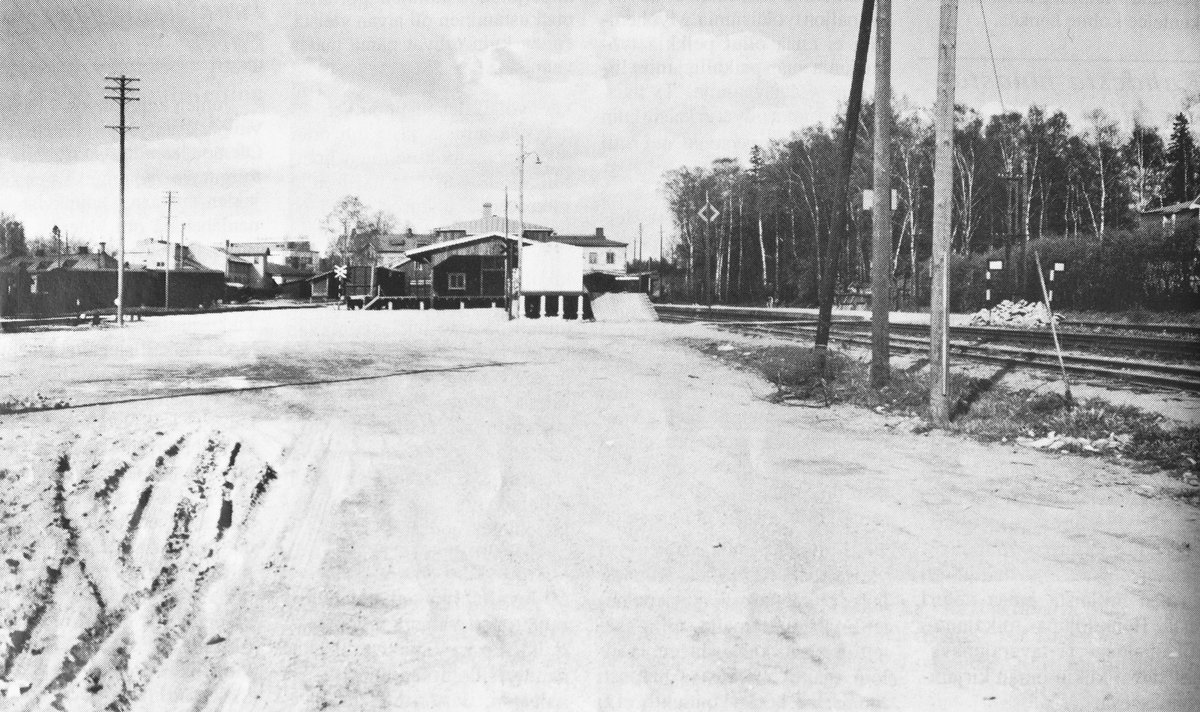
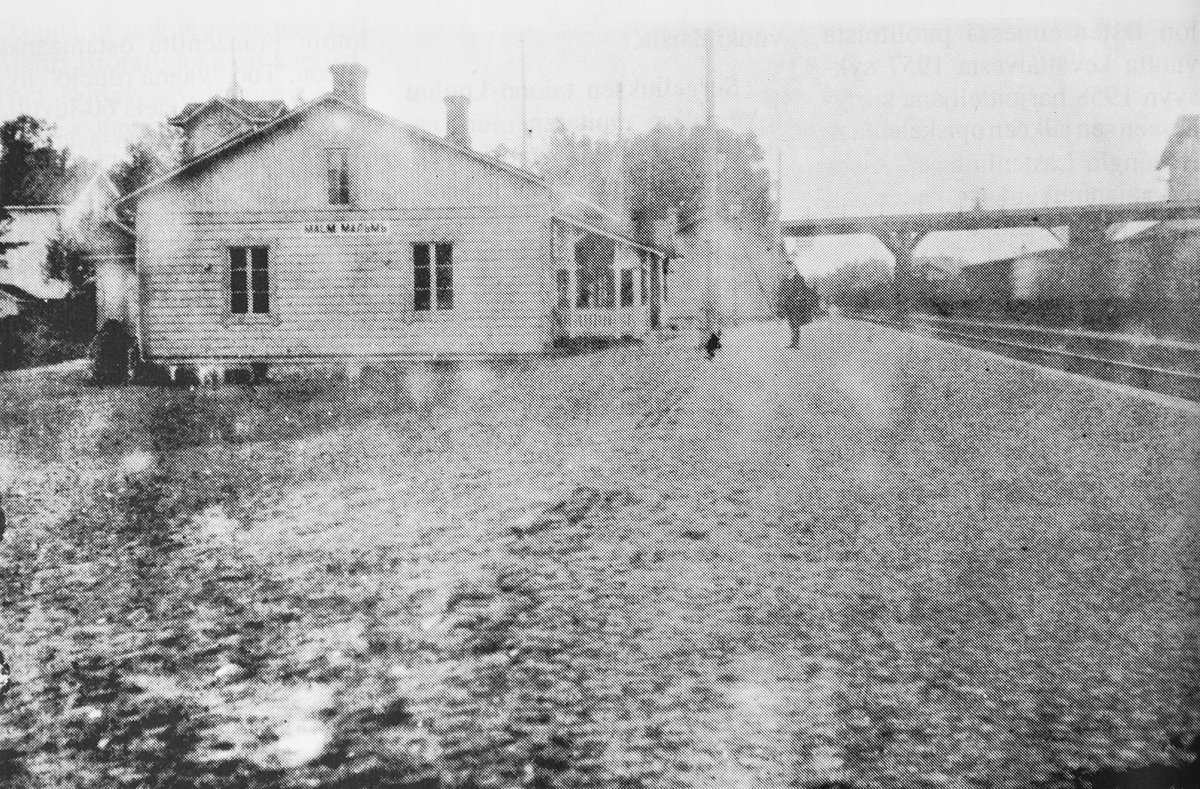
Malmi Railway Station’s history is deeply intertwined with the birth and growth of Finland’s rail network. The country’s rail era began in 1862 with the Helsinki–Hämeenlinna line, laying the foundation for modern transportation and facilitating Helsinki’s suburban expansion (Wikipedia: History of rail transport in Finland). Malmi’s establishment as a station responded directly to the need for suburban connections, supporting both industrial activities and the mobility needs of residents during the country’s time as a Grand Duchy under Russian rule.
Malmi’s Role in Helsinki’s Urbanization
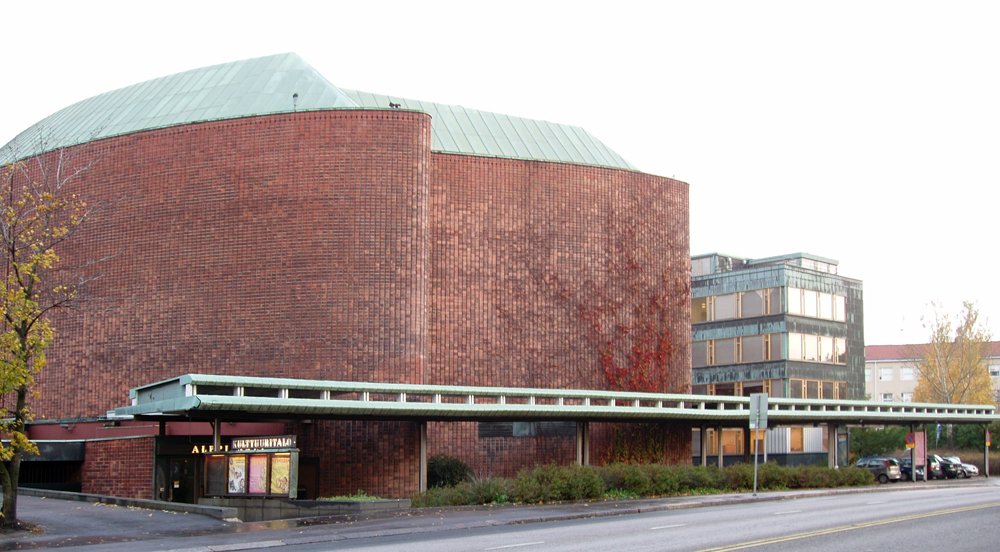
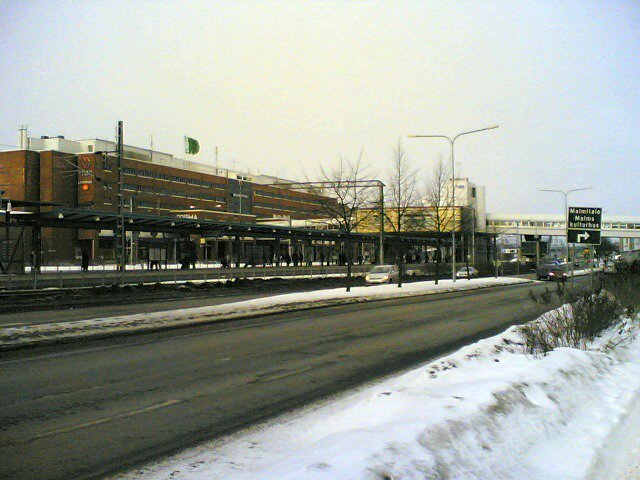
With Helsinki’s rapid population growth in the late 19th and early 20th centuries, Malmi evolved into a crucial commuter hub. Its strategic location enabled efficient movement between the city center and developing northeastern suburbs. The presence of local amenities—grocery stores, cafes, restaurants, and cultural venues like Malmitalo—transformed Malmi into a focal point for both daily life and community events (MyHelsinki: Noli Malmi).
Architectural Evolution and Infrastructure
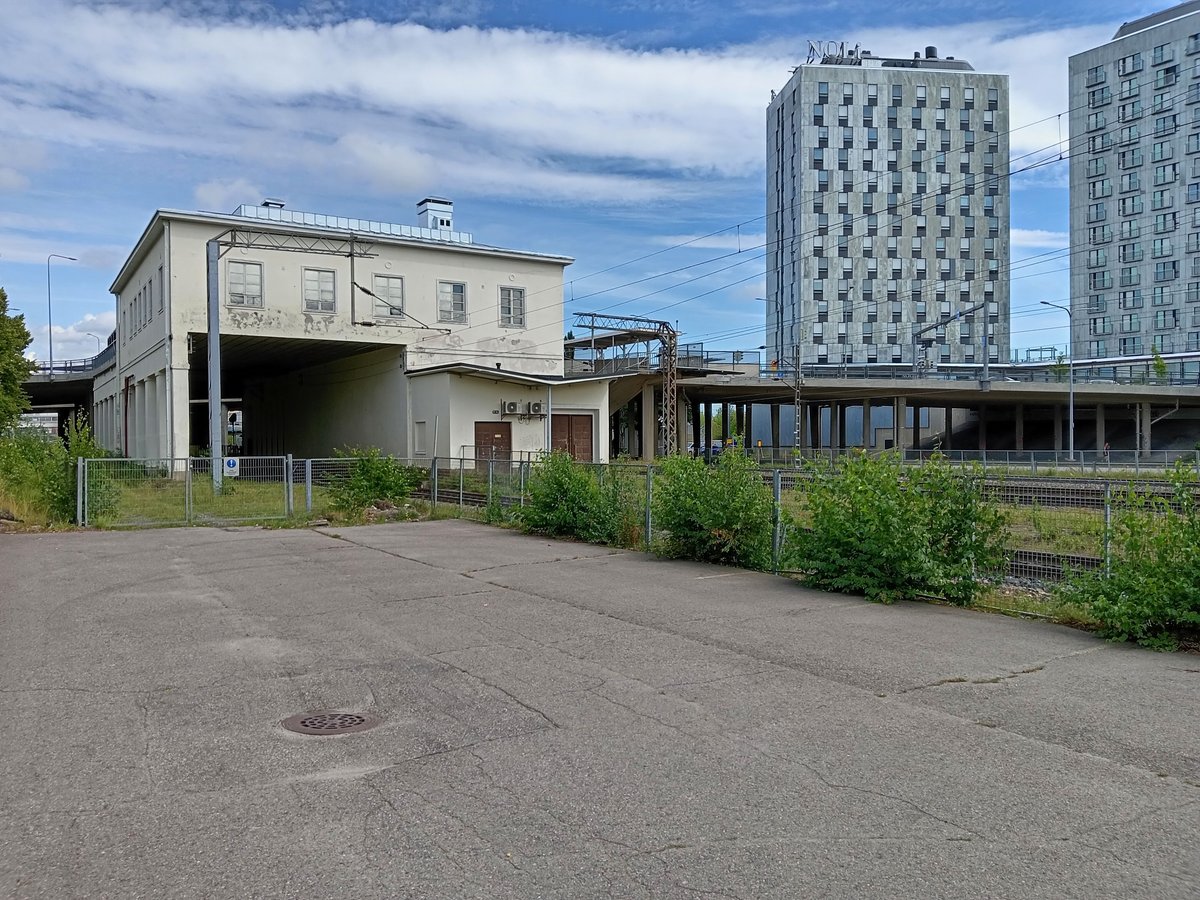
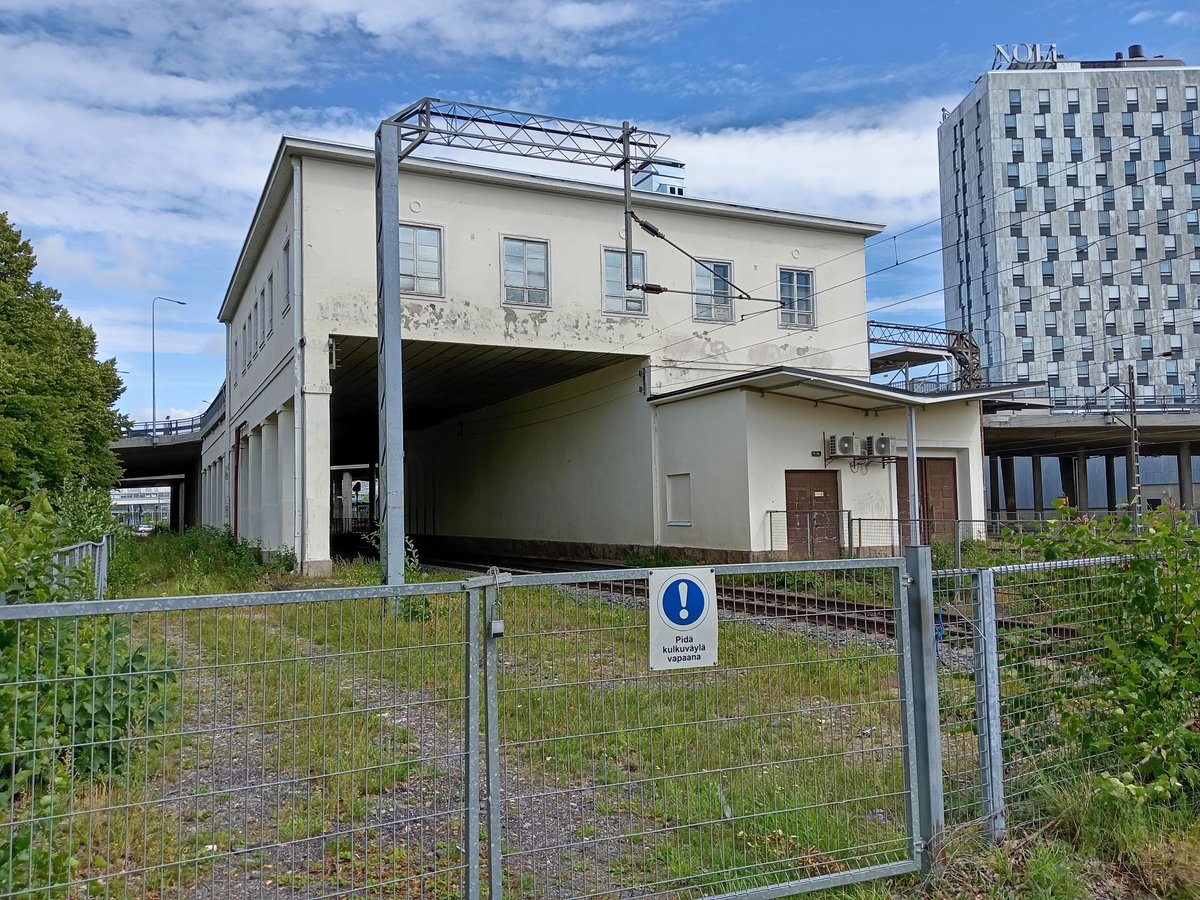
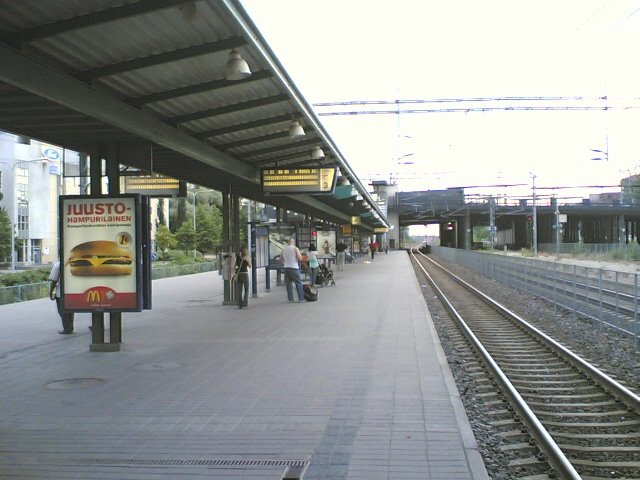
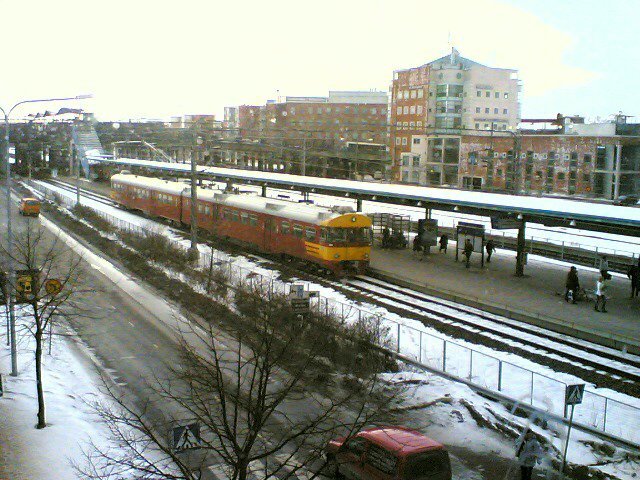
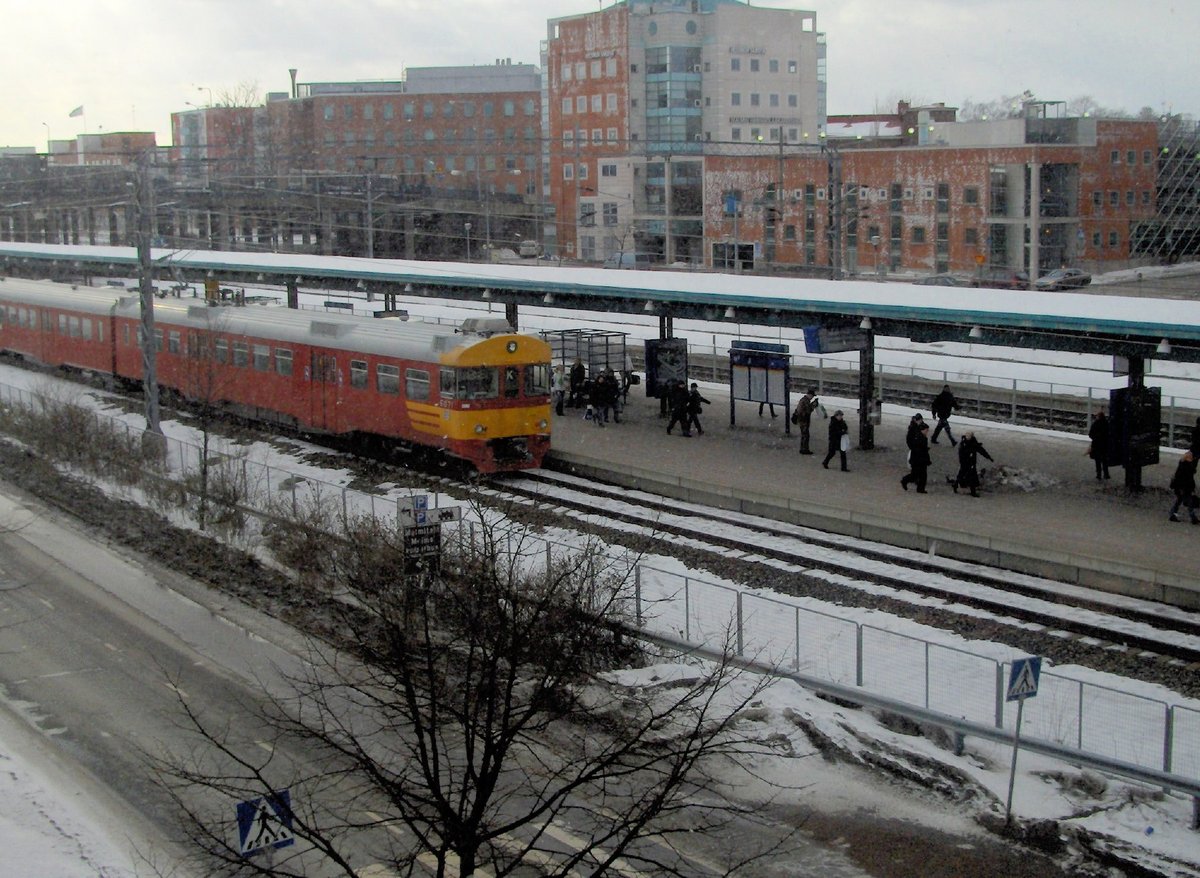
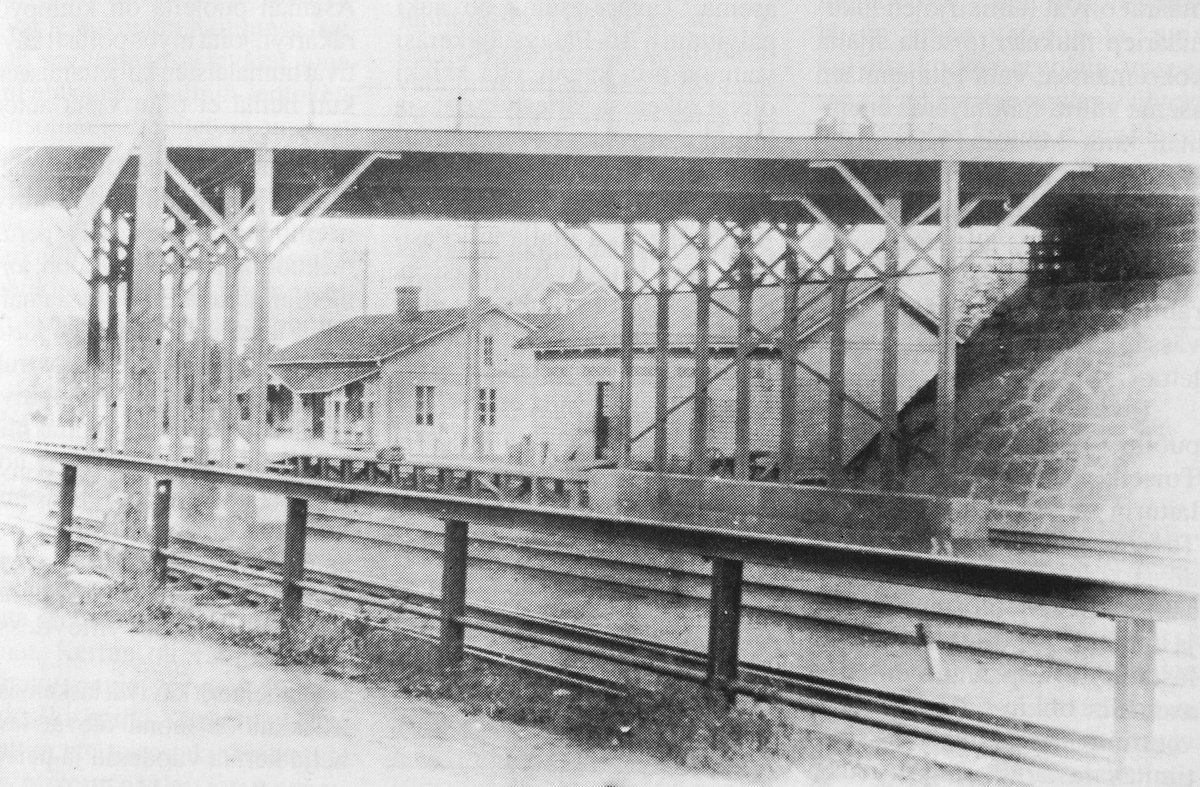
Unlike the iconic Helsinki Central Station, Malmi Railway Station was designed for functionality and efficiency, reflecting its role as a suburban stop. Over decades, the station has been upgraded to accommodate growing passenger numbers and to meet modern standards of accessibility. Integration with Helsinki’s bus network and the addition of new platforms, ramps, elevators, and tactile paving have ensured seamless multimodal transport (Wikipedia: History of rail transport in Finland).
Visitor Information: Hours, Tickets, and Accessibility
Visiting Hours
Malmi Railway Station operates daily, with train services typically running from 5:00 AM to midnight. The platforms are accessible whenever trains are running, but facilities like ticketing machines and customer support follow standard operating hours. For the latest service times, check the VR Official Website or HSL Website.
Tickets
Tickets are available via:
- Self-service machines at the station (accepting cards and cash)
- The HSL mobile app
- Online through VR and HSL
Ticket types include single tickets, day passes, and multi-day cards with discounts for students, seniors, and children. Prices depend on zones and journey length; for current fares, consult the HSL Website.
Accessibility
Malmi Station is fully accessible, with:
- Step-free access to all platforms
- Elevators and ramps
- Tactile guidance and audible announcements
- Advance request assistance for travelers with special needs (rautatieasema.info)
Guided Tours, Events, and Photo Opportunities
While the station itself does not regularly host guided tours, local organizations and the Malmitalo cultural centre offer district walks and history-themed events. Malmi is also a rewarding location for photography, with unique architectural features and lively public spaces such as Ylä- and Ala-Malmi squares, as well as scenic spots like Longinoja stream and Ala-Malmi Park.
Malmi in the Context of Finnish Rail Expansion
Malmi’s strategic position on the main northbound line made it a key stop during Finland’s railway expansion, connecting Helsinki to cities like Tampere, Turku, and St. Petersburg. With the construction of Helsinki-Vantaa Airport, Malmi became an important transfer point for air and rail travelers, offering efficient access to both the city center and the airport (MyHelsinki: Noli Malmi).
Community and Cultural Impact
Malmi Railway Station is more than a transit point—it is a catalyst for social, commercial, and cultural vitality. The adjacent Malmitalo cultural centre hosts concerts, exhibitions, and community gatherings, while the lively squares and parks offer recreational opportunities. Local shops, cafes, and periodic markets contribute to a vibrant atmosphere (MyHelsinki: Noli Malmi; Malmitalo Official Site).
Modernization and Urban Development
Ongoing investments in infrastructure, such as the Viikki-Malmi light rail project, are set to enhance Malmi’s connectivity and urban quality even further. The light rail, expected to be completed in the early 2030s, will link Malmi to other major districts and reinforce Helsinki’s “15-minute city” vision (Helsinki City News; Railway Pro).
Safety and Visitor Experience
Malmi is generally considered safe, with well-lit platforms, CCTV surveillance, and regular public transport services. Standard precautions with personal belongings are advised. The area benefits from modern housing, reasonable rents, and easy access to essential services (Reddit: Is it safe to live in Malmi).
Frequently Asked Questions (FAQ)
Q: What are Malmi Railway Station’s opening hours?
A: Train services operate from approximately 5:00 AM to midnight. Platforms are accessible during these times.
Q: How can I buy tickets at Malmi Station?
A: Use ticket machines at the station, the HSL or VR mobile apps, or purchase online.
Q: Is Malmi Station wheelchair accessible?
A: Yes, with elevators, ramps, and tactile guidance for visually impaired travelers.
Q: Are there guided tours or special events at Malmi Station?
A: While not regularly hosted at the station, local organizations and Malmitalo offer events and walking tours.
Q: What nearby attractions are worth visiting?
A: Malmitalo cultural centre, Malmi Airport, Ylä- and Ala-Malmi squares, Longinoja stream, and local parks.