
Historical Background
Origins and Development
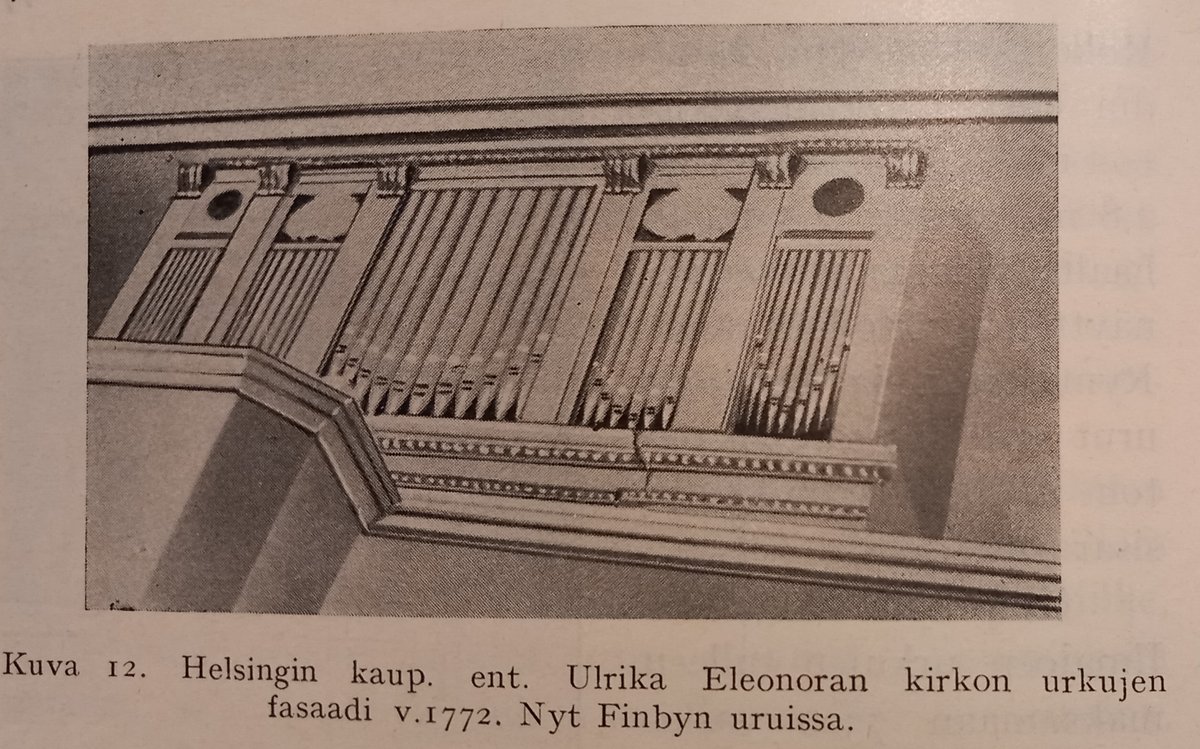
The Helsinki Old Church was constructed between 1824 and 1826 to accommodate the city’s growing Lutheran congregation after outgrowing the 18th-century Ulrika Eleonora Church. Engel’s neoclassical wooden design was initially intended as a temporary solution, pending completion of the Helsinki Cathedral, but its understated elegance secured its place as a permanent fixture in Helsinki’s cityscape. The church was consecrated on December 17, 1826, and has served as a center for worship and community ever since (Beautiful Helsinki; Spotting History).
Key Historical Milestones
- 1710 The area that is now Old Church Park was used as a burial ground for plague victims.
- 1826 Old Church consecrated.
- 1852 Completion of Helsinki Cathedral.
- 1854 Installation of the Ekman altarpiece.
- 1869 Installation of Per Larsson Åkermann’s 36-stop organ.
Architectural Highlights
Neoclassical Features
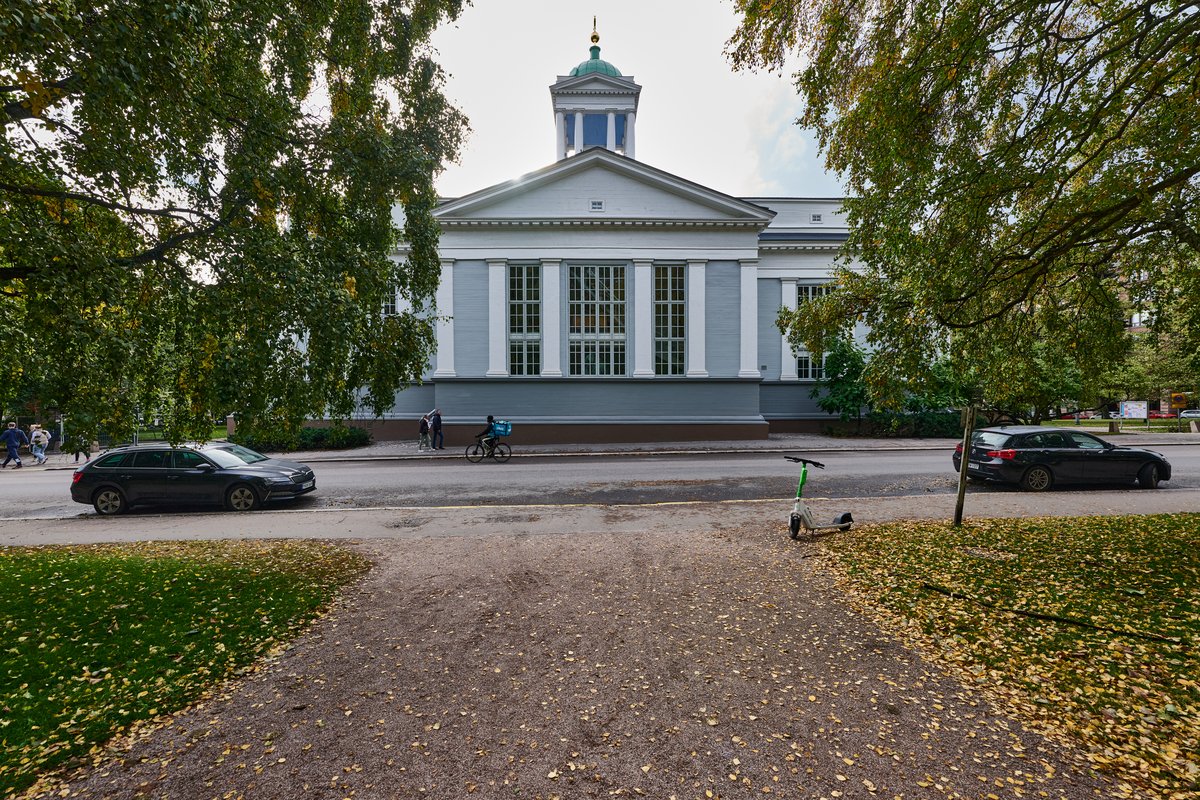
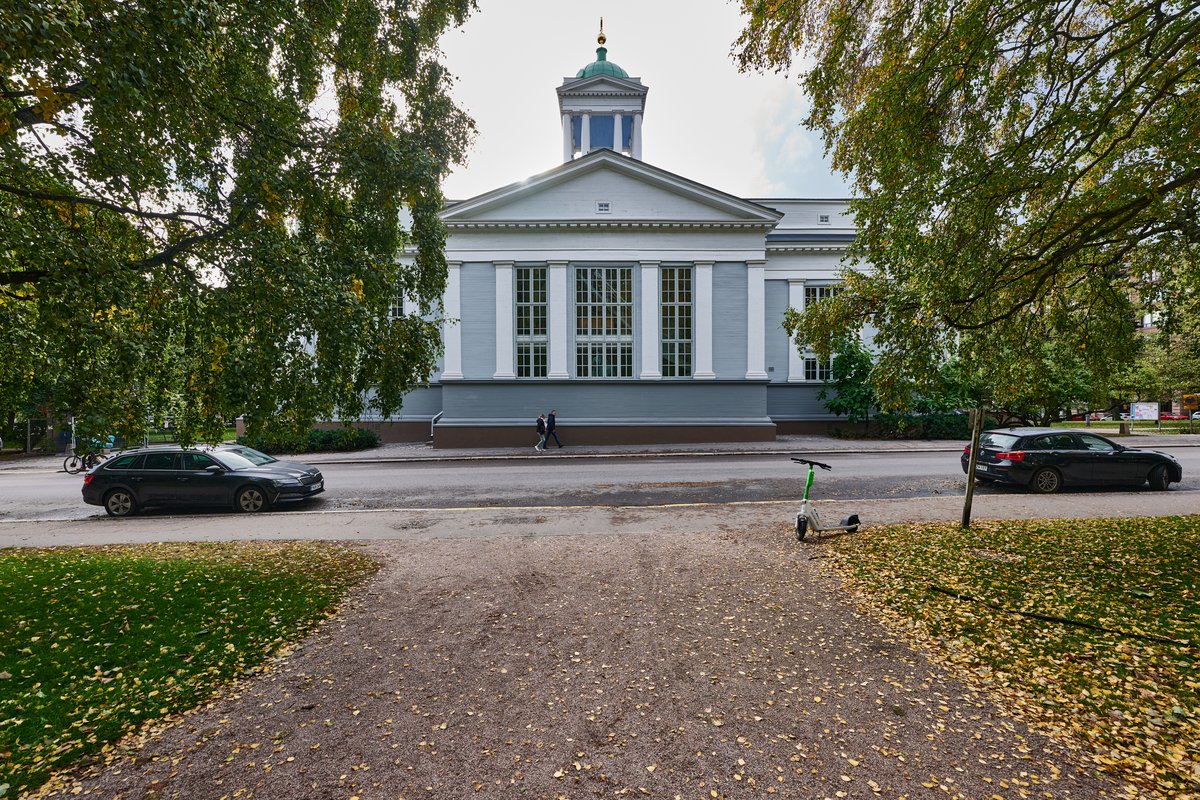
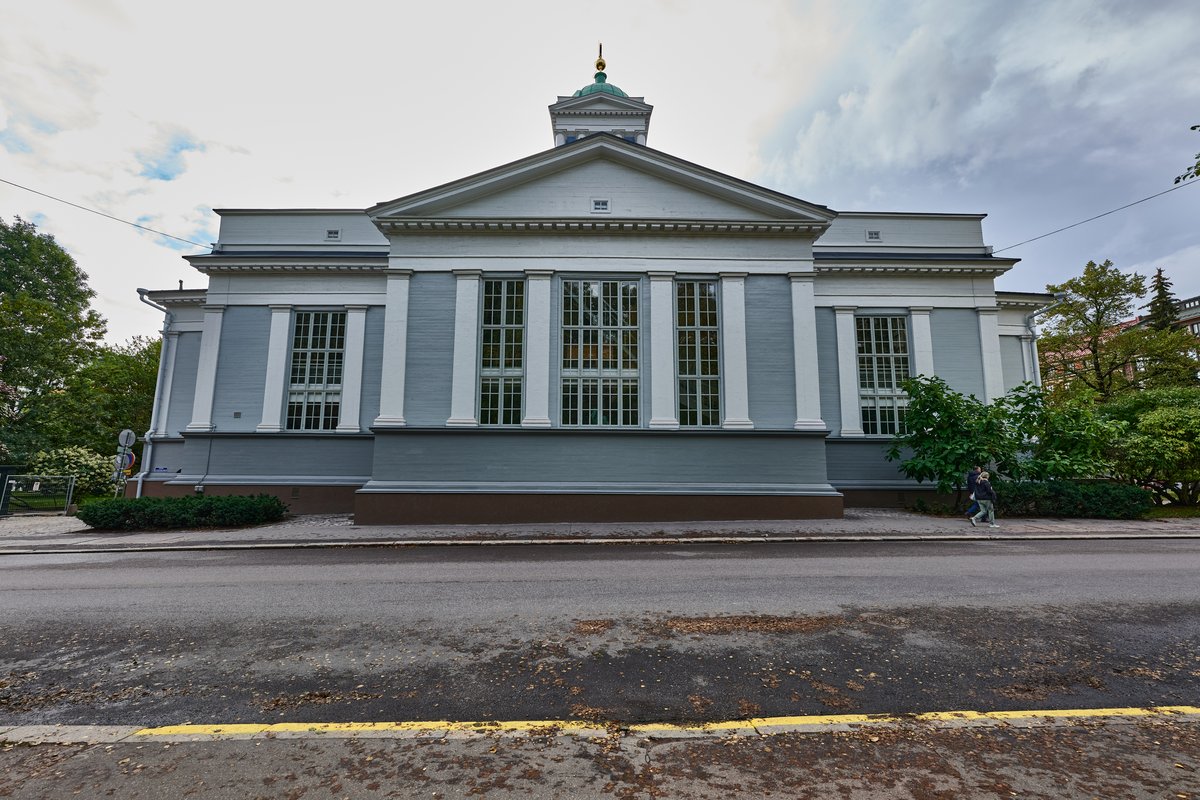
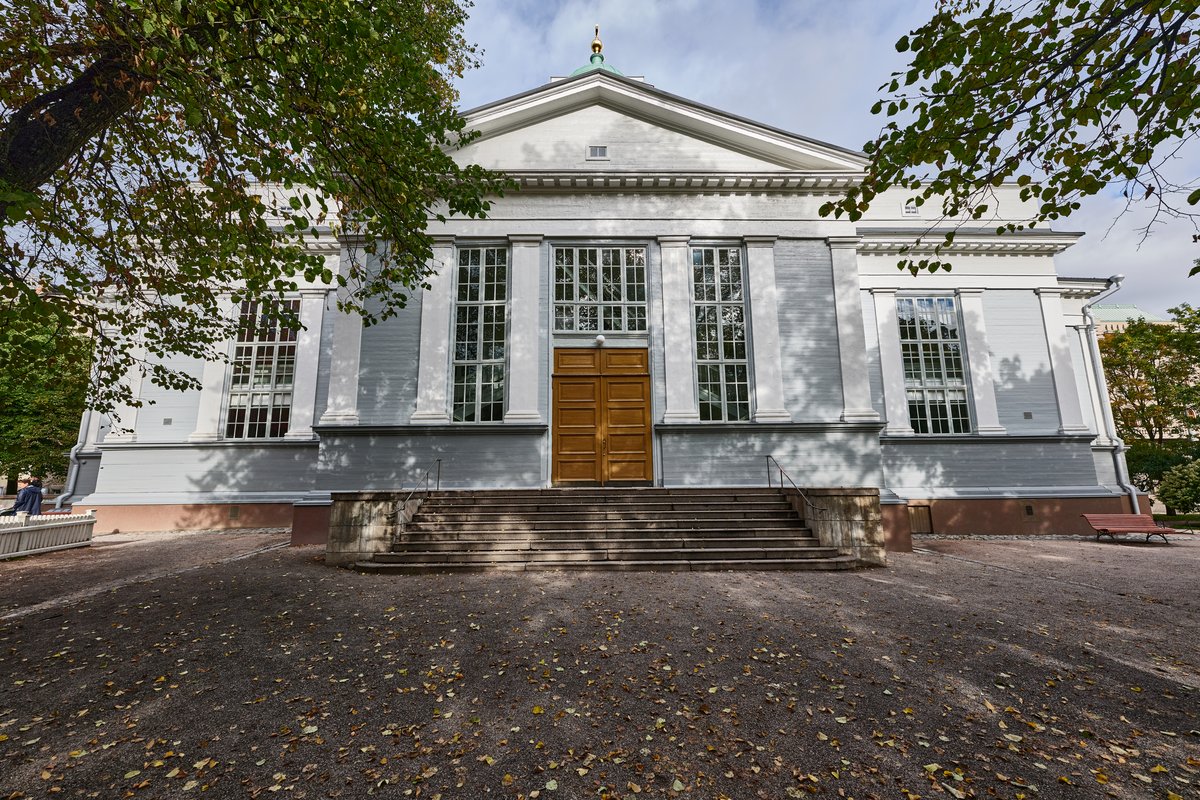
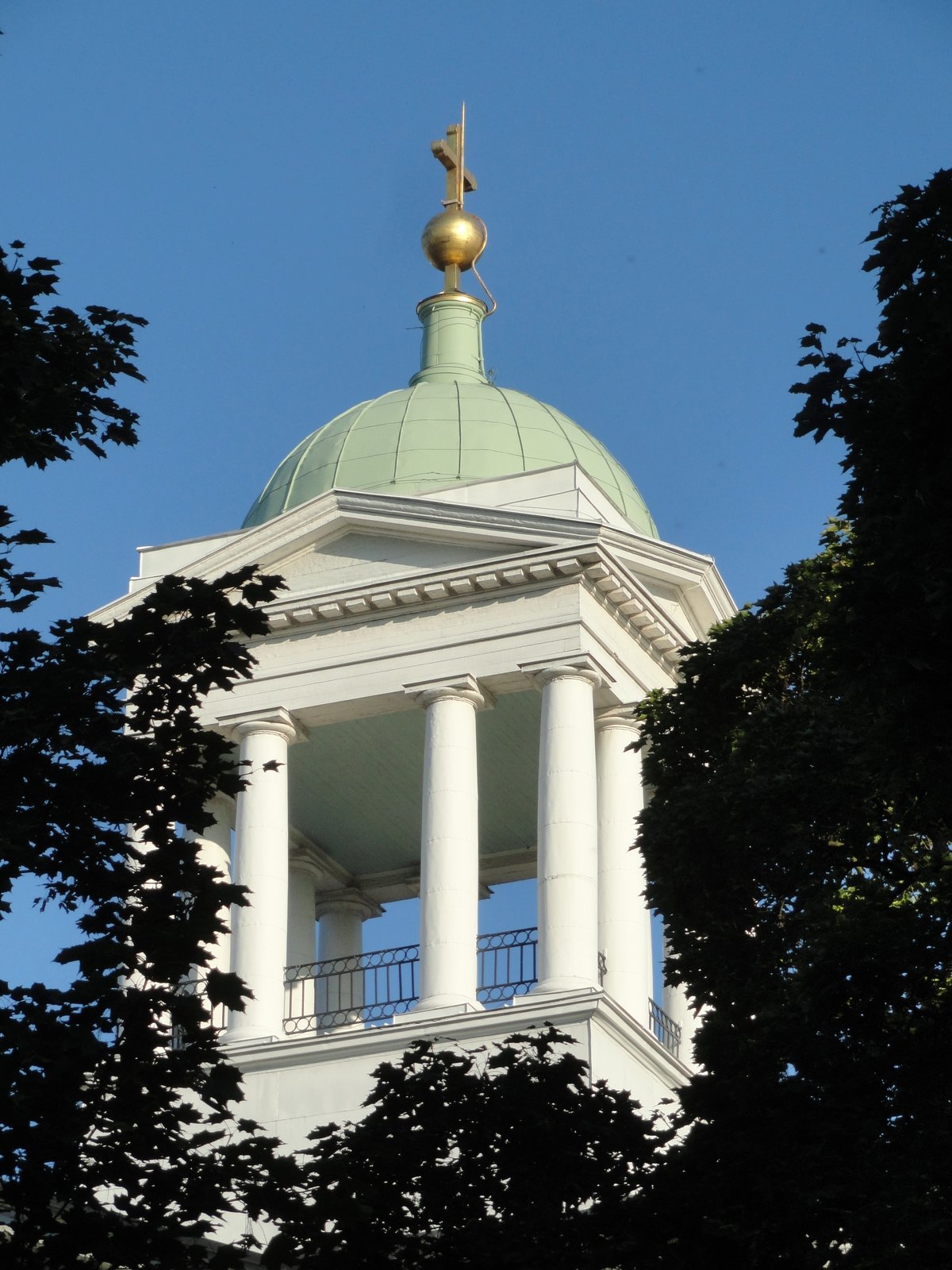
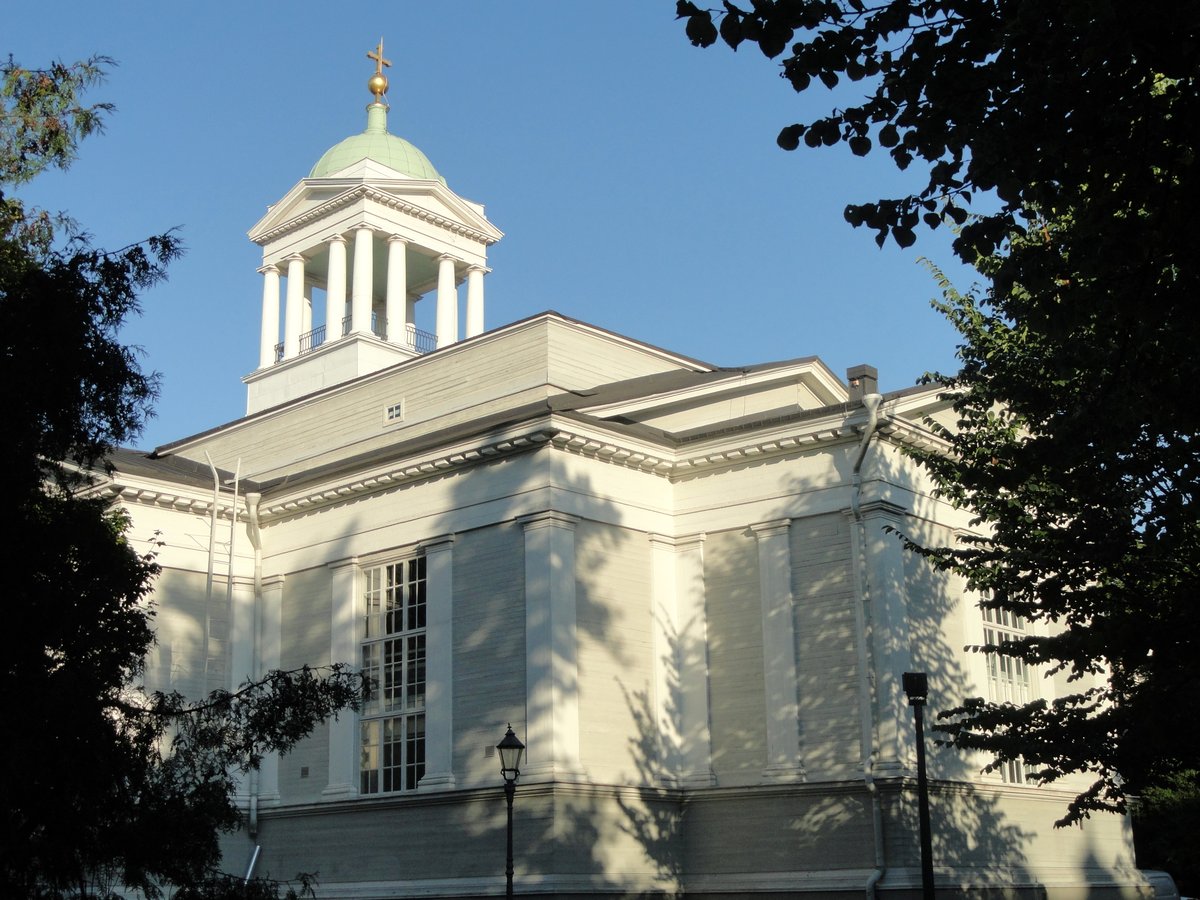
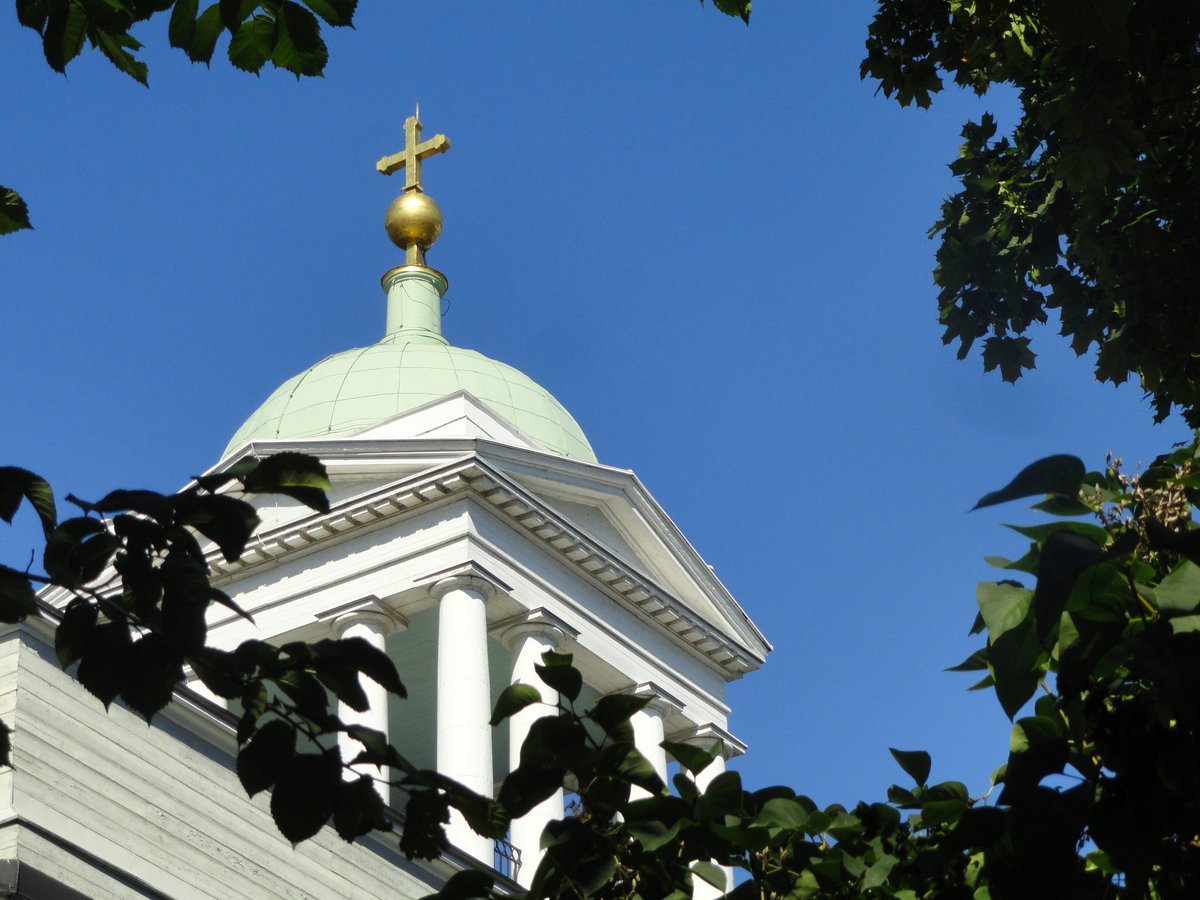
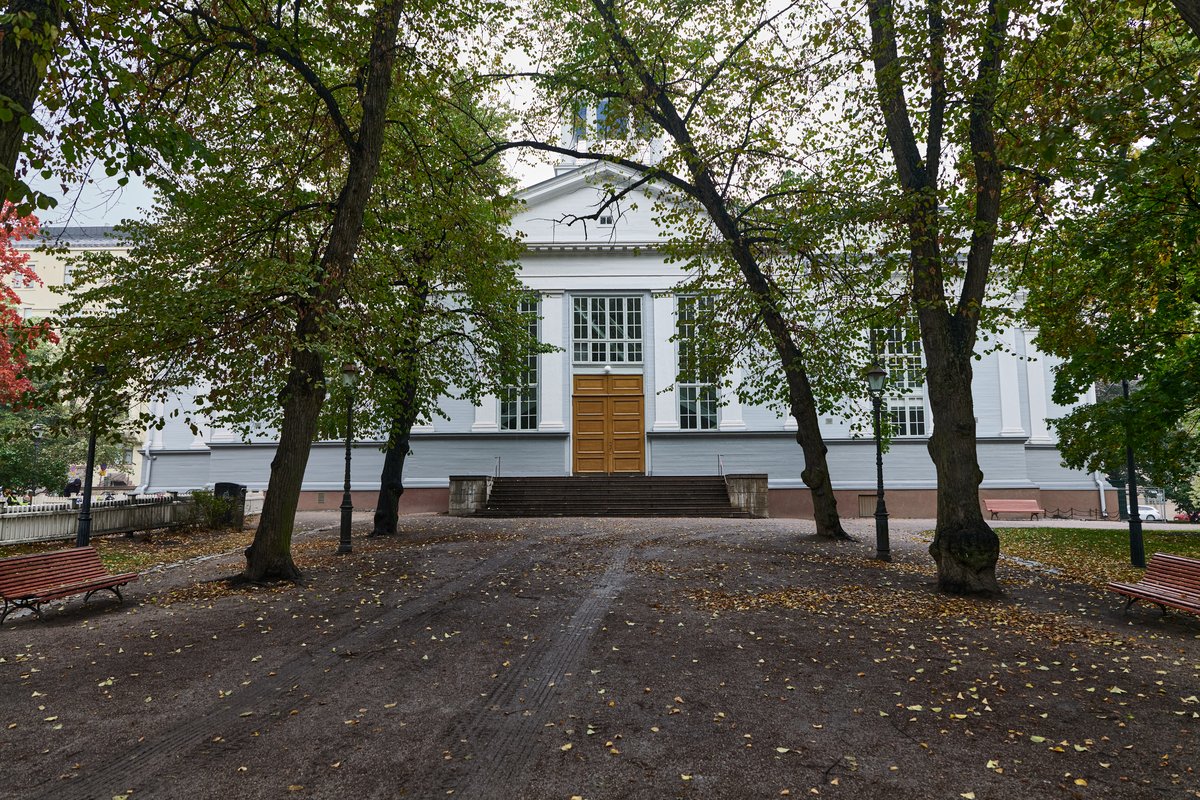
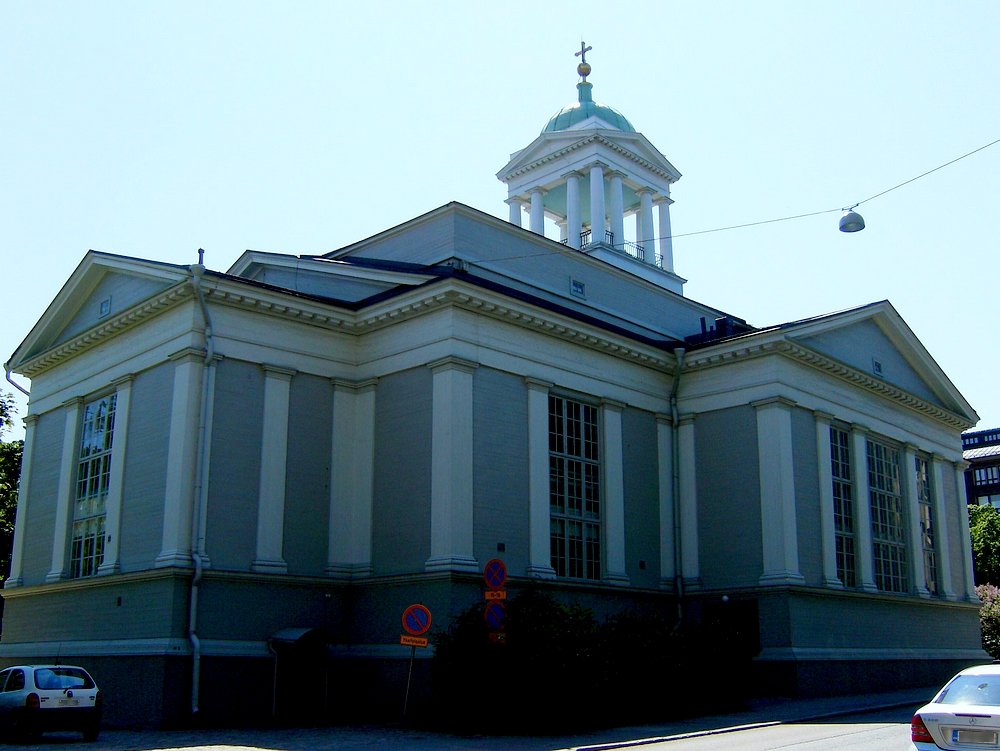
Vanha Kirkko is a prime example of neoclassical architecture: clean lines, symmetry, and restrained ornamentation. The church’s exterior is painted in soft white and pastel hues, and its wooden construction—unusual among Helsinki’s ecclesiastical buildings—reflects its “temporary” origin. The Doric columns, gabled facades, and cross-shaped plan evoke classical ideals of harmony and proportion (Finnish Architecture; MyHelsinki).
Interior and Furnishings
- Sanctuary The interior’s simple white palette and ample natural light create a peaceful atmosphere. Wooden pews and minimal decorative elements reflect Lutheran values of clarity and modesty.
- Pulpit The only surviving furnishing from the Ulrika Eleonora Church, linking the Old Church to Helsinki’s earlier religious history (Wikipedia).
- Altarpiece Painted by Robert Wilhelm Ekman in 1854, originally commissioned for Helsinki Cathedral.
- Organ The 36-stop organ, installed in 1869, is renowned for its acoustics and features in regular concerts (MyHelsinki).
Artistic and Structural Details
The church’s nave is divided by Tuscan square masonry columns supporting a high wooden vault, producing a spacious and airy interior. The wooden façade, maintained with regular oil painting, has accumulated layers of history and subtle patina over nearly two centuries (Finnish Architecture).
Visitor Information: Visiting Hours, Tickets, and Accessibility
Opening Hours
- General Opening Tuesday to Friday, 12:00 – 15:00.
- Weekend and Holiday Hours May vary; check the official parish website for up-to-date information.
Tickets and Fees
- Admission Free. Donations are welcome but not required.
Accessibility
- The church and surrounding park are wheelchair accessible, with paved paths and ramps (Audiala).
- Assistance can be requested for visitors with mobility challenges.
- Public toilets and seating areas are available in the park.
Photography
Photography is permitted, but please be respectful during services and events.
Old Church Park (“Plague Park”)
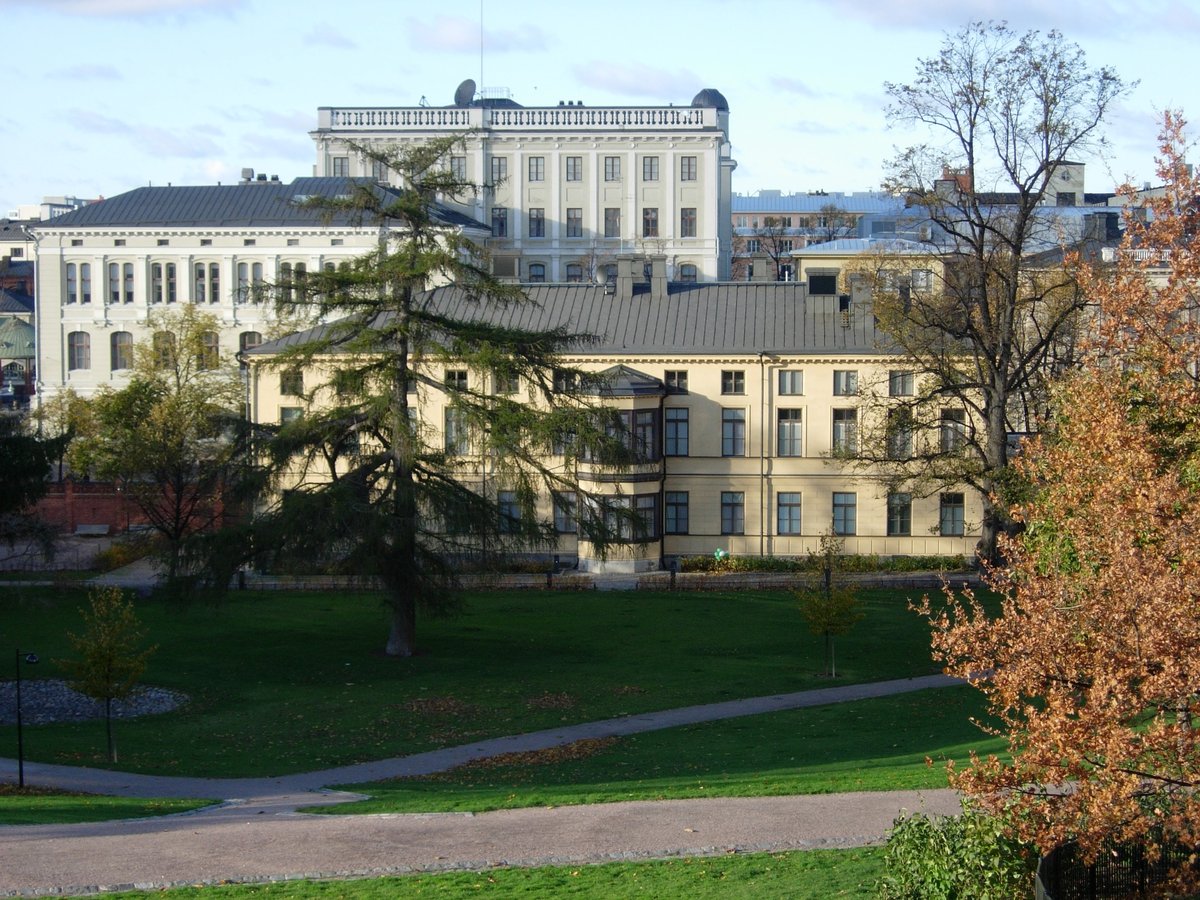
The church is set within the lush Old Church Park, bordered by Bulevardi and Annankatu. Once a cemetery for victims of the 1710 plague and Helsinki’s primary burial ground until the 1820s, the park is now a beloved public green space. Memorials and gravestones offer a poignant connection to the city’s layered history (Guide to Europe; Beautiful Helsinki).
Today, the park serves as a venue for concerts, public gatherings, and cultural festivals. Locals embrace its tranquil ambiance and the legends of a ghostly caretaker said to wander the grounds at dusk.
Events and Community Life
The Helsinki Old Church is an active parish hosting:
- Regular Lutheran services (see current schedule on the official parish website)
- Weddings, baptisms, and funerals
- Weekly organ recitals and concerts featuring the historic organ
- Cultural events such as the Night of the Arts and seasonal festivals
The church’s central location and excellent acoustics make it a favored venue for both sacred and secular performances (Spotting History; MyHelsinki).
Getting There
- Address Lönnrotinkatu 6, Helsinki
- Public Transport Easily accessible by tram (lines 3, 6, 7, 9—nearest stop: Erottaja) and bus. Helsinki Central Station is a short walk away.
- Parking Limited street parking nearby; public transport is recommended.
- Cycling City bike stations and rentals are available close to the church.
Nearby Attractions
- Helsinki Cathedral Iconic neoclassical church on Senate Square
- Ateneum Art Museum Finland’s premier art museum
- Kamppi Chapel of Silence
- Market Square (Kauppatori)
- Design District and Esplanadi Park
The church’s central location makes it an ideal starting point for exploring Helsinki’s historic and cultural sites (Audiala).
Frequently Asked Questions (FAQ)
Q: Is there an entrance fee for the Helsinki Old Church?
A: No, admission is free.
Q: What are the visiting hours?
A: Typically Tuesday–Friday, 12:00–15:00; check the official parish website for updates.
Q: Is the church accessible for people with disabilities?
A: Yes, the church and park are wheelchair accessible.
Q: Are guided tours available?
A: Occasionally, especially in summer or by request. Check the parish website or local tourism offices.
Q: Can I attend religious services or concerts?
A: Yes, both are open to the public; service and event times are posted online.
Tips for Visitors
- Best time to visit Spring through autumn for lively park activity; winter for cozy, candlelit concerts.
- Dress modestly if attending services.
- Bring a camera The natural lighting and neoclassical interiors are photogenic.
- Combine your visit with nearby attractions for a full day of cultural exploration.