
The History of Finnish Nobility
Medieval Origins and the Alsnö Act
Finnish nobility traces its roots to the Middle Ages, when Finland was part of the Kingdom of Sweden. The 1279 Alsnö Act marked the beginning of hereditary noble status, granting privileges such as land ownership and tax exemptions to those who provided military service to the crown (Finnish House of Nobility).
The Four Estates and Political Influence
By the 15th century, Finnish nobles formed one of the four estates in the Swedish realm, actively participating in governance through bodies like the Diet of Arboga in 1435. Their influence continued under Swedish rule, eventually adapting to Finland’s new status as a Grand Duchy under Russian sovereignty after 1809 (FamilySearch).
Transformation in the Modern Era
The House of Nobility was established as a hereditary association in 1818. After Finland gained independence in 1917 and adopted a unicameral parliament in 1906, the political power and privileges of the nobility waned. Today, the institution focuses on preserving the cultural and genealogical legacy of Finland’s noble families (YLE).
Architectural Highlights of Ritarihuone
Exterior Design
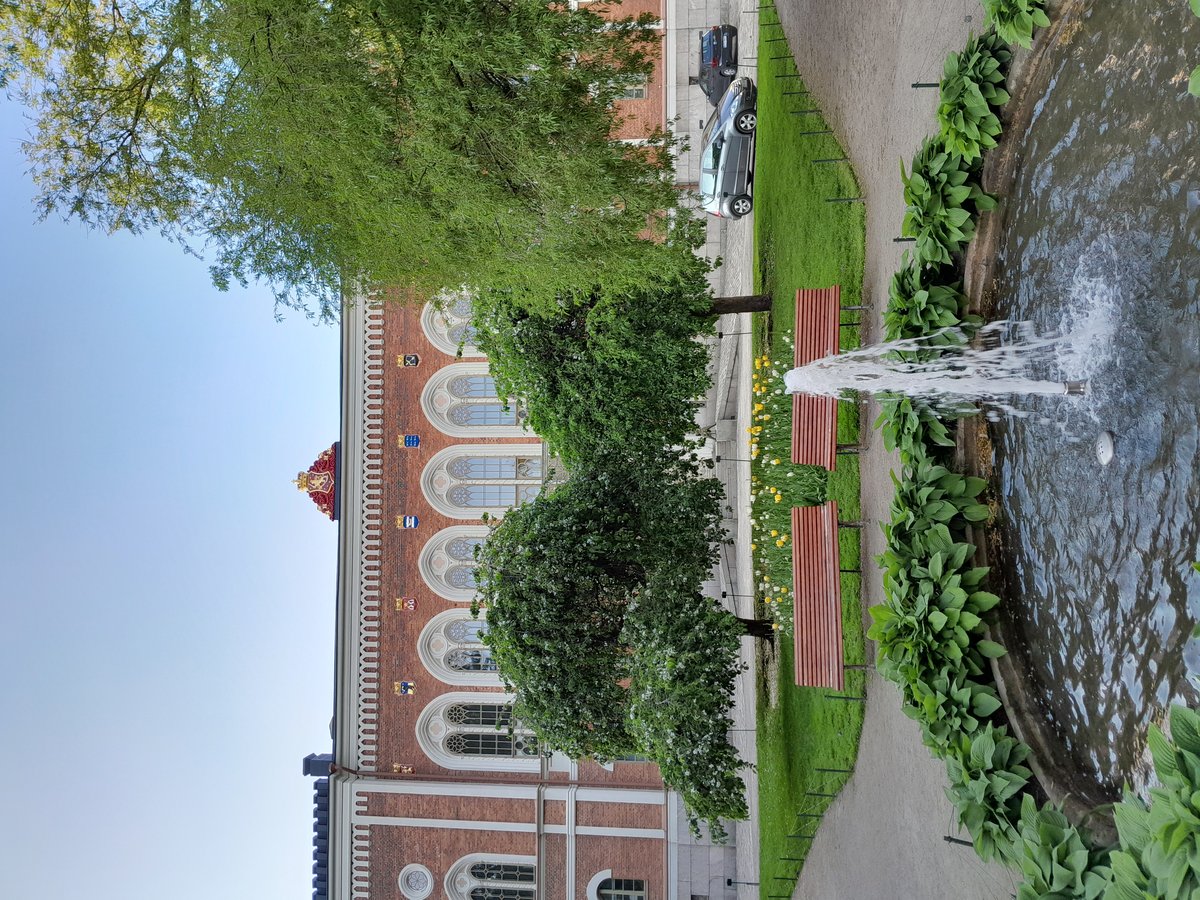
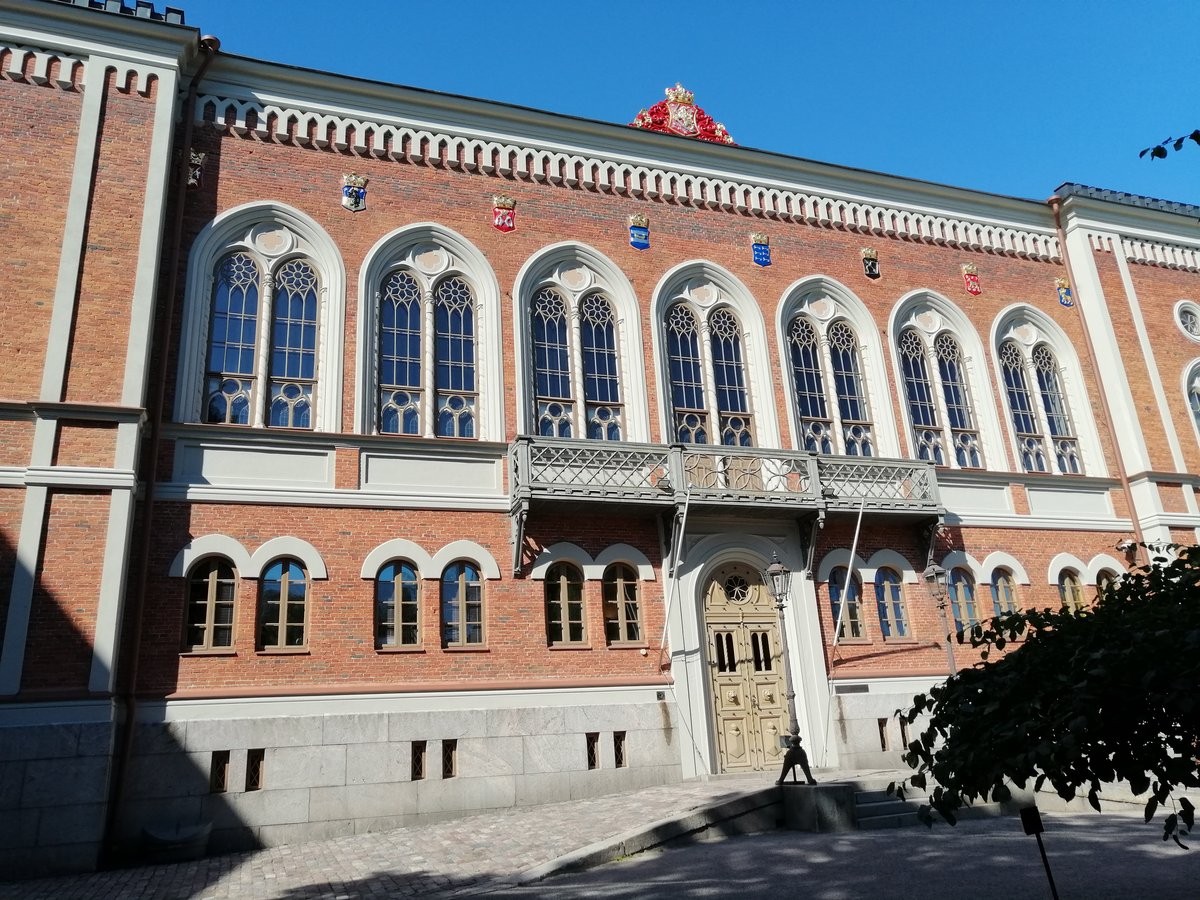
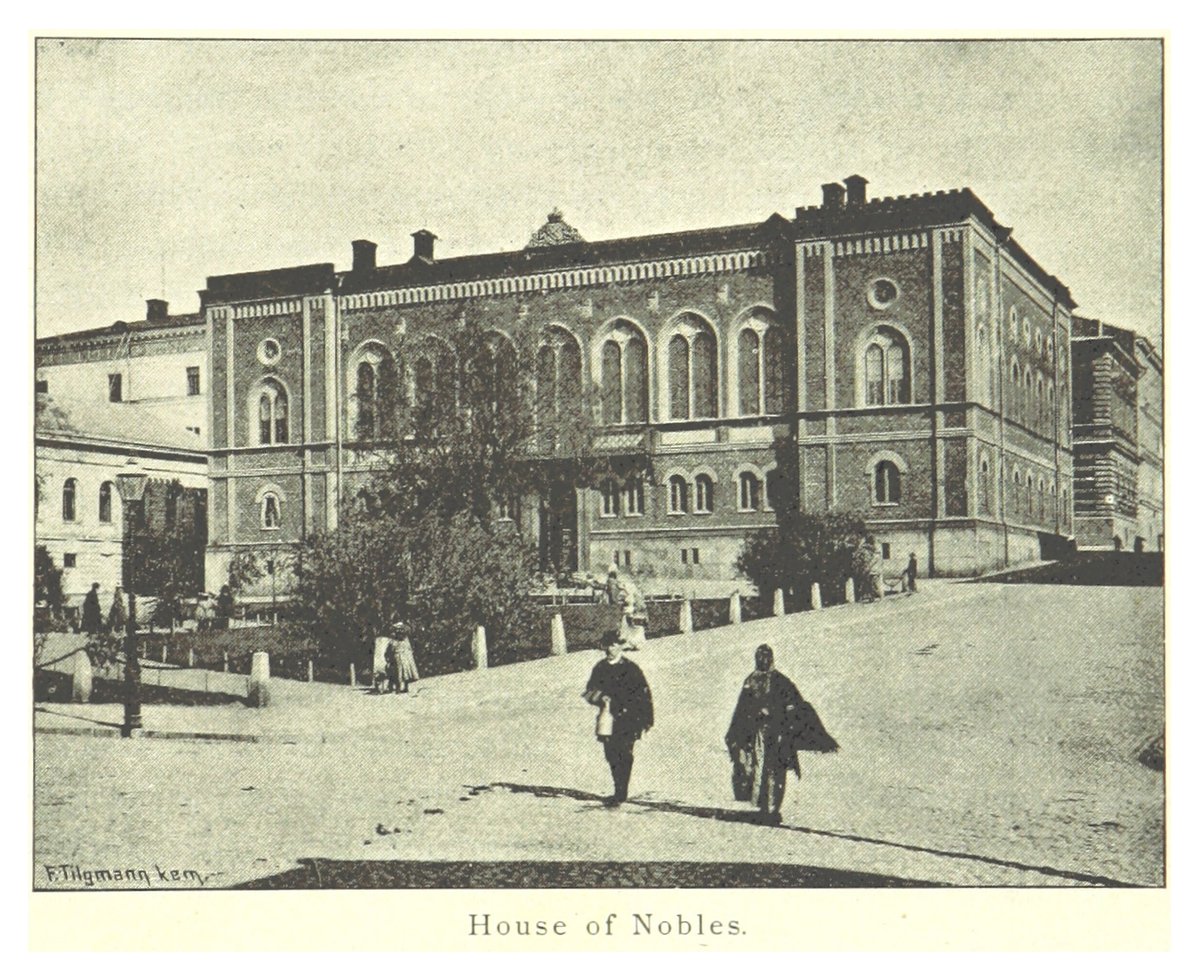
Completed in 1862, the House of Nobility is an outstanding example of neo-Gothic architecture. Designed by Georg Theodor Chiewitz, the building features pointed arches, an imposing symmetrical façade, tall windows, and decorative stonework that evoke the grandeur and chivalric traditions of European nobility (Nomad Epicureans; MyHelsinki.fi).
Interiors and Decorative Features
Step inside to discover lavish 19th-century interiors, including a ceremonial hall adorned with the coats of arms of over 300 noble families. The main assembly hall, with vaulted ceilings and intricate woodwork, showcases heraldic emblems that serve as a visual record of Finland’s aristocratic history. Period furnishings, gilded mirrors, and historical artworks further enhance the ambiance (DiscoveringFinland.com).

Cultural Importance and Modern Role
Preservation of Genealogy and Heritage
The House of Nobility maintains extensive genealogical archives, including the Pedigree Book (Adelskalendern) and the Ättartavlor series. These resources trace the lineages of noble families, updated regularly by the Chief Genealogist, and are invaluable for researchers and the public alike (Riddarhuset Publications).
A Venue for Events and Education
Beyond its historical role, Ritarihuone hosts concerts, academic gatherings, exhibitions, and cultural festivals. The institution continues to foster appreciation for Finnish heritage and provides a unique educational resource for visitors, genealogists, and historians (MyHelsinki.fi).
Planning Your Visit: Hours, Tickets, and Tours
Location and Getting There
- Address Ritarikatu 1, FI-00170 Helsinki, in the central Kruununhaka district. The site is a short walk from Senate Square and Helsinki Cathedral and is easily accessible by public transport (Travel Melodies).
Visiting Hours
- Standard Hours Tuesday–Friday: 11:00 AM – 4:00 PM; Saturday: 11:00 AM – 3:00 PM; closed Sundays, Mondays, and holidays.
- Note Some sources mention slightly different hours or seasonal closures; always check the official website for the latest updates.
Tickets and Admission
- Entry Fee Admission is generally free. Guided tours may have a nominal fee.
- Guided Tours Available by reservation in Finnish and English. Tours offer in-depth insights into the building’s architecture, noble traditions, and archives. Book via the official website.
Accessibility
- The building is wheelchair accessible, with elevators and ramps available. Visitors with special needs should contact staff in advance to ensure smooth access.
Photography
- Photography is permitted in most areas, except during certain events or in restricted rooms. Flash and tripods are typically not allowed.
What to See & Do at the House of Nobility
- Ceremonial Hall View the coats of arms of noble families adorning the walls.
- Genealogical Archives Explore extensive family records and heraldic collections.
- Special Exhibitions Attend rotating exhibitions on Finnish aristocracy and history.
- Events Check the calendar for concerts, lectures, and cultural gatherings.
- Architectural Tour Admire the neo-Gothic and neoclassical design inside and out.
Nearby Historical Sites in Helsinki
Enhance your visit by exploring these nearby attractions:
- Senate Square Iconic for Helsinki Cathedral, Government Palace, and University of Helsinki (Visit Finland).
- Uspenski Cathedral The largest Orthodox church in Western Europe.
- National Library of Finland A jewel of neoclassical architecture.
- Ateneum Art Museum Home to Finnish national art.
- Oodi Library A modern architectural marvel.
Getting There: Transport and Access
- Public Transport Trams, buses, and trains all provide easy access to the city center. The closest tram stops are a short walk away.
- Travel Tips Consider a Helsinki Travel Card or Helsinki Card for unlimited public transport and free or discounted access to major attractions (Travel Melodies).
Visitor FAQs
Q: What are the current visiting hours?
A: Typically, Tuesday to Friday 11:00 AM–4:00 PM, Saturday 11:00 AM–3:00 PM. Always verify on the official website.
Q: Is there an admission fee?
A: General admission is free. Guided tours may require a fee.
Q: How can I book a guided tour?
A: Reserve tours through the official website or by contacting the administration.
Q: Is the building accessible for wheelchairs?
A: Yes, with elevators and ramps available.
Q: Can I take photographs inside?
A: Generally yes, but flash and tripods are not allowed. Restrictions may apply during events.
Q: Are there special events or concerts?
A: Yes, Ritarihuone regularly hosts concerts and cultural events. See the events calendar online.