
What Helsinki Prison Is
Helsinki Prison, also known as Sörnäinen Prison or Helsinki Central Prison, is a landmark associated with Finland’s criminal justice system and architectural heritage. It remains an operational closed facility and is described as the only operational prison within Helsinki proper. The facility accommodates 309 male prisoners, both sentenced and on remand, and emphasizes security, humane treatment, and preparation for reintegration.
Public access is restricted, but periodic guided tours and special events have offered visitors insight into Finnish penal history. The information below also includes visitor details for a prison museum; opening hours and ticket details should be checked with the relevant official sources.
Finland’s other sites connected with prison history include Suomenlinna Prison, an open prison within the UNESCO-listed Suomenlinna Fortress, and the Prison Museum in Hämeenlinna. Background on these sites and Finland’s prison system is available from Classeturista, Perceptive Travel, Pulitzer Center, Chicago Sun-Times, and Impact Justice.
History
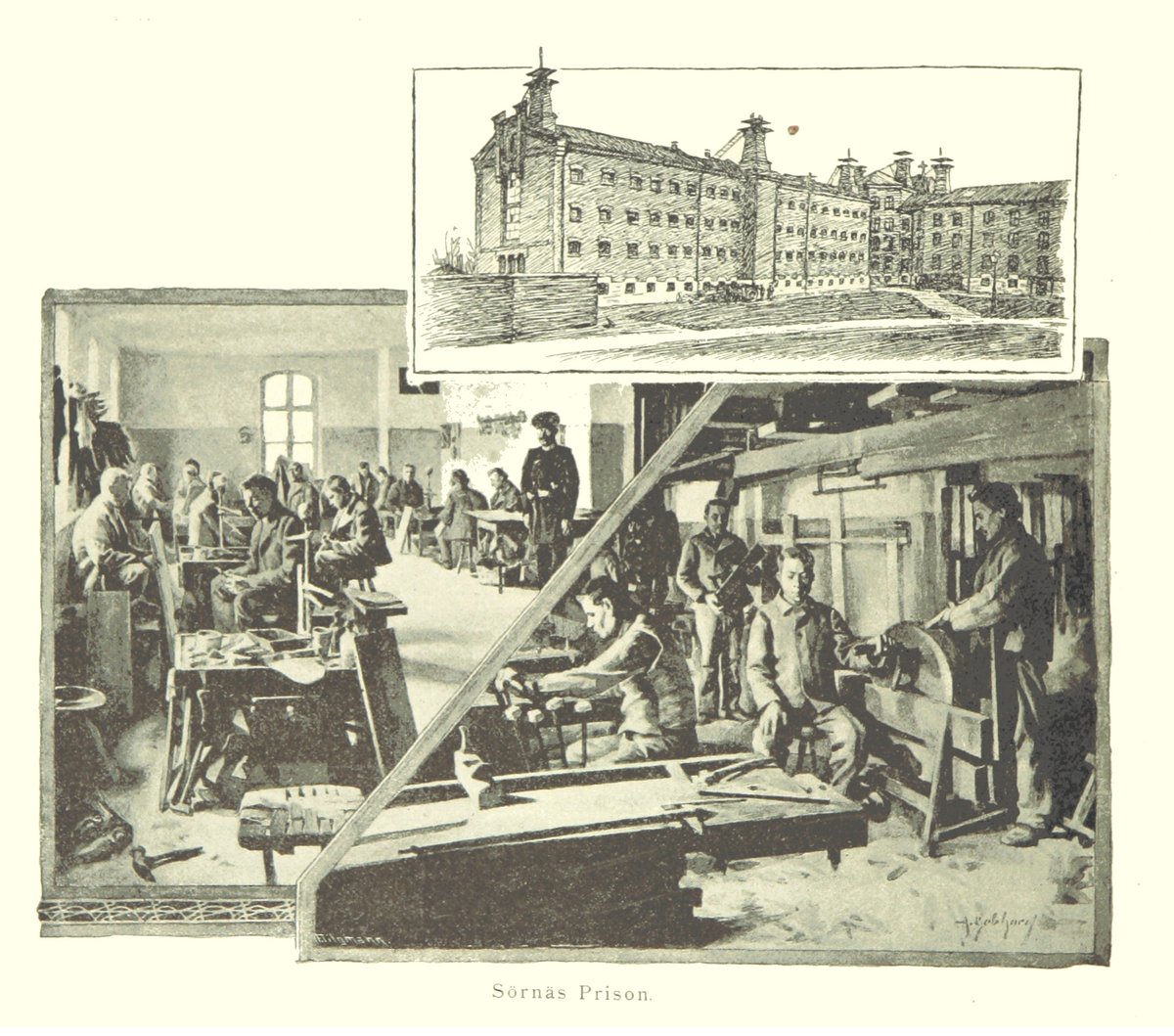
Helsinki Prison was founded in 1874 during a period of penal reform. It was built in Helsinki’s Hermanninmäki district, chosen for its proximity to the city, good transport links, and access to water and farmland. Construction began in 1875 and was completed in 1881.
The original complex contained 100 individual cells, 250 dormitory cells, communal spaces, workshops, a hospital, a church, and staff quarters. Its design reflected a prevailing European approach that combined security with opportunities for moral and practical reform.
The prison’s classical and utilitarian architecture includes a brick exterior, high walls, and barbed wire. Inside, a corridor-centred layout modelled on American penitentiary systems was designed to facilitate surveillance and order. The chapel and workshops reflected the institution’s combined aims of confinement and rehabilitation. The facility has since been expanded and modernized.
Helsinki Prison’s establishment coincided with Finland’s shift toward centralized and more humane corrections. Under inspectors such as Adolf Grotenfelt, it became a site for educational and vocational programs, psychological support, and structured routines. By the 1960s, it housed over 800 inmates, with rehabilitation intended to reduce recidivism.
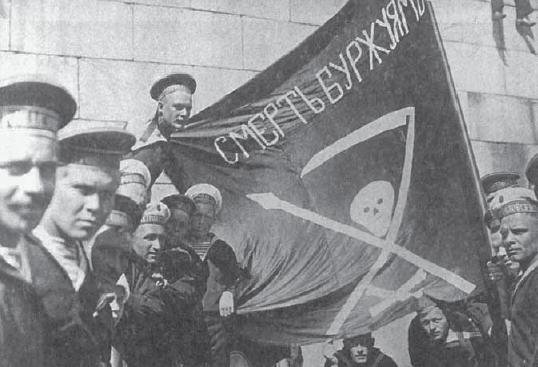
The prison has been associated with political prisoners during Finland’s 1917 independence struggle, dramatic escape attempts—notably in 1993—and stories of personal redemption. Early prison life was austere. From the 1970s onward, punitive measures were reduced in favour of education, therapy, and vocational training. Drug rehabilitation and technological improvements were introduced in the 1990s.
What to See
Helsinki Prison
When tours or special open days take place, visitors may see architectural features and exhibitions and hear historical context and stories from inside the prison. Special exhibitions may be available during open days. Photography and video are generally restricted in operational areas, though they may be permitted during guided tours or exhibitions.
Suomenlinna Open Prison
Suomenlinna Prison represents Finland’s open-prison model and is located within the historic Suomenlinna Fortress. It is integrated into the fortress landscape and has no fences or imposing gates; the model instead relies on natural geography, GPS tracking, and staff oversight. Dormitory-style living and communal responsibility are central features.
Up to 100 carefully selected inmates contribute to restoring the fortress. They earn wages, manage expenses, and take part in education and rehabilitation. The model fosters trust and autonomy and is associated with low recidivism rates.
There is no direct public access to the prison and no public prison tours. Visitors can explore the fortress year-round by ferry from Helsinki’s Market Square, and may see inmates working on restoration projects. Respect privacy and do not photograph inmates or restricted areas.
Hämeenlinna Prison Museum
The Prison Museum in Hämeenlinna, located in a former county prison, preserves the history of incarceration through exhibits on daily life, architecture, and ethical debates. See Museo.fi.
Practical Visiting Information
Location and Access
- Address Vanha Talvitie 1, 00580 Helsinki
- Public transport Tram lines 6 and 8 stop at Vanha Talvitie. See HSL Helsinki Transport.
- Parking Limited; public transport is recommended.
Access, Hours, and Tickets
Helsinki Prison is an active correctional facility, so public access is restricted. Guided tours and special open days are offered occasionally; tours are event-based, often in summer, and may require advance booking. They are subject to security regulations.
A visitor listing also gives the following museum information:
- Season June–August; Tuesday–Sunday, 11:00 AM–6:00 PM. Closed Mondays.
- Outside the season Guided tours by appointment.
- Adult admission Approximately €12.
- Discounts Reduced rates for students, seniors, and children; family and group discounts are available.
- Children under 7 Free.
- Museum Card Free entry for cardholders (HeyTripster.
Ticket prices vary by event. Check the Criminal Sanctions Agency (Rikosseuraamus) and Visit Finland for current access information, hours, and ticket availability.
Tours and Accessibility
Guided tours are described as lasting 45–60 minutes and being available in Finnish and English. Advance booking is recommended in summer. Self-guided information may include multilingual panels, brochures, and digital content.
Accessibility varies by event, and some historic areas may be challenging. The museum listing notes an elevator and accessible restrooms. Contact organizers or the museum in advance about accommodations and special needs.
Facilities and Visitor Information
The museum listing describes exhibits including authentic cells, graffiti, artifacts, interactive displays, and rotating exhibitions. It also lists restrooms, a cloakroom, gift shop, café, and free Wi-Fi.
Photography is listed as allowed in the museum without flash or tripods. Museum information is available in Finnish, Swedish, and English, with audio tours in more languages. Visitors are asked to behave respectfully and follow museum guidance. The museum is described as secure and well staffed.
Tips
- Dress warmly; stone interiors can be cool.
- Summer is peak season, so the visitor information recommends going early or on weekdays.
- Cashless payments are preferred.
- Public transport is encouraged; waste minimization and respect for heritage are also emphasized.
- For images and virtual tours, see the official museum website.
- Contact Visit Finland – The Prison; +358 (0)295 33 6000 (National Museum of Finland); [email protected].
- The Audiala app is also suggested for immersive guides and travel updates.
Nearby Places and Related Sites
- Katajanokka Prison Hotel A former prison converted into a hotel.
- Hämeenlinna County Prison Museum A museum providing further context on Finnish correctional history.
- Arabia district and Linnanmäki amusement park Suggested to combine with a visit.
- Hermanninmäki district Local parks and cultural venues are also mentioned as places to explore.
- Suomenlinna Fortress Accessible by ferry from Helsinki’s Market Square year-round.
FAQ
Can I visit Helsinki Prison?
Public access is limited because it is an operational facility. Check official channels for special tour dates.
What are the ticket prices?
Prices vary by event. The visitor listing gives an adult price of approximately €12, with reduced rates and other discounts. Check the official site for current information.
Are tours year-round?
Tours are event-based and often take place in summer. The visitor listing says that outside the June–August season, guided tours are by appointment.
Is the facility accessible?
Accessibility varies by event. The museum listing notes an elevator and accessible restrooms, but some historic areas may be challenging; inquire in advance.
What historical sites are nearby?
Katajanokka Prison Hotel, Hämeenlinna Prison Museum, and other Helsinki attractions are listed as places to visit.