
Origins and Marketplace Era
Teleki László Tér originated in the early 1800s as a convergence point for city and countryside commerce. Officially named after Count László Teleki in 1873, the square quickly became a focal marketplace for Budapest, hosting vibrant fairs and daily trading activities (World Landscape Architect). By the early 20th century, it was affectionately dubbed the “Tangó”—a nickname inspired by the tango music played by stallholders, which mirrored the square’s lively, sometimes unruly, and always colorful atmosphere (24.hu).
Wartime and Postwar Changes
In the years surrounding World War II, municipal authorities debated relocating the market due to crowding and sanitary concerns. Despite official attempts at regulation, the market remained a lifeline for locals during the war and into the postwar decades, albeit with deteriorating conditions (24.hu).
Decline and Renewal
By the late 20th century, the square suffered from neglect, losing its former vibrancy as new shopping centers emerged elsewhere in Budapest. The turning point came in the 2010s, with a European Union-supported, community-driven revitalization project (World Landscape Architect). The redesign introduced green spaces, playgrounds, and public art, transforming Teleki László Tér into an inclusive, inviting neighborhood center.
Cultural Significance
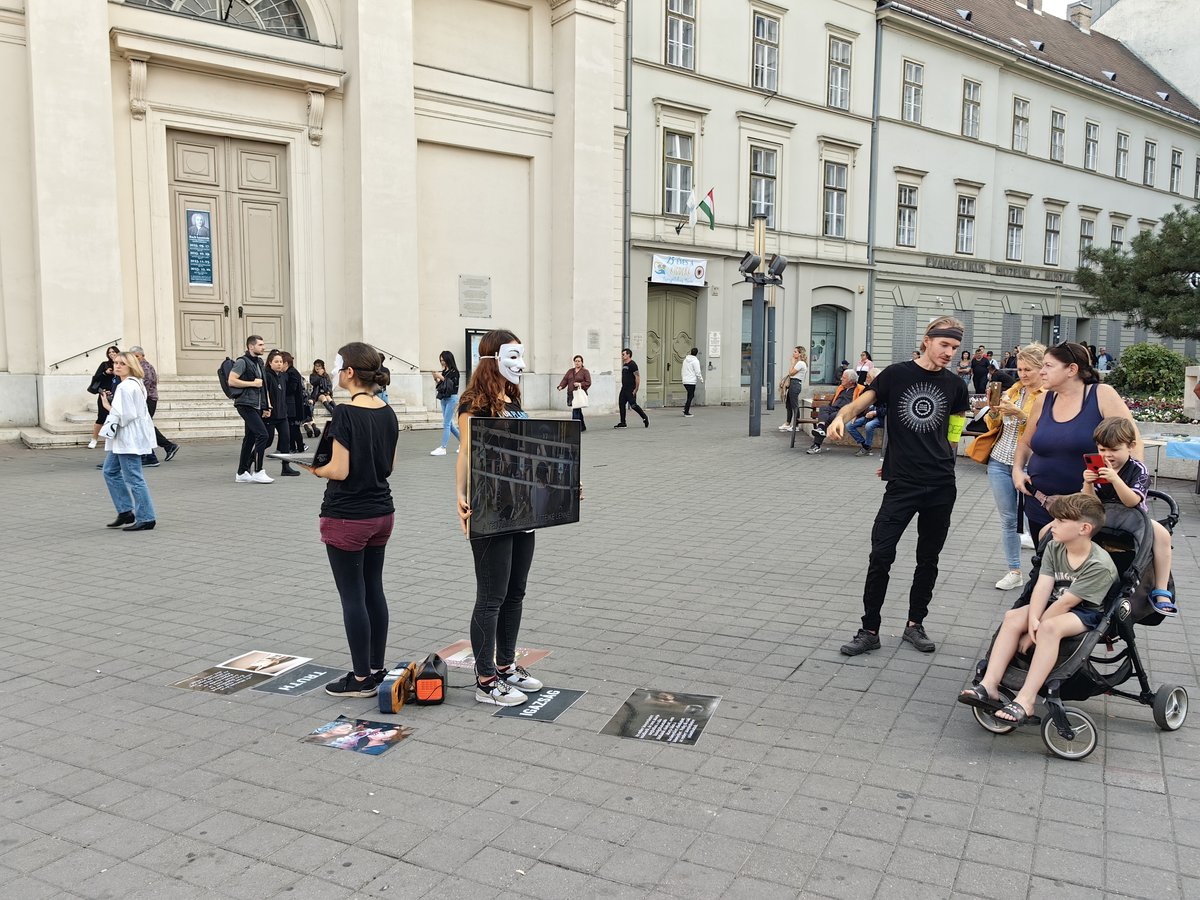
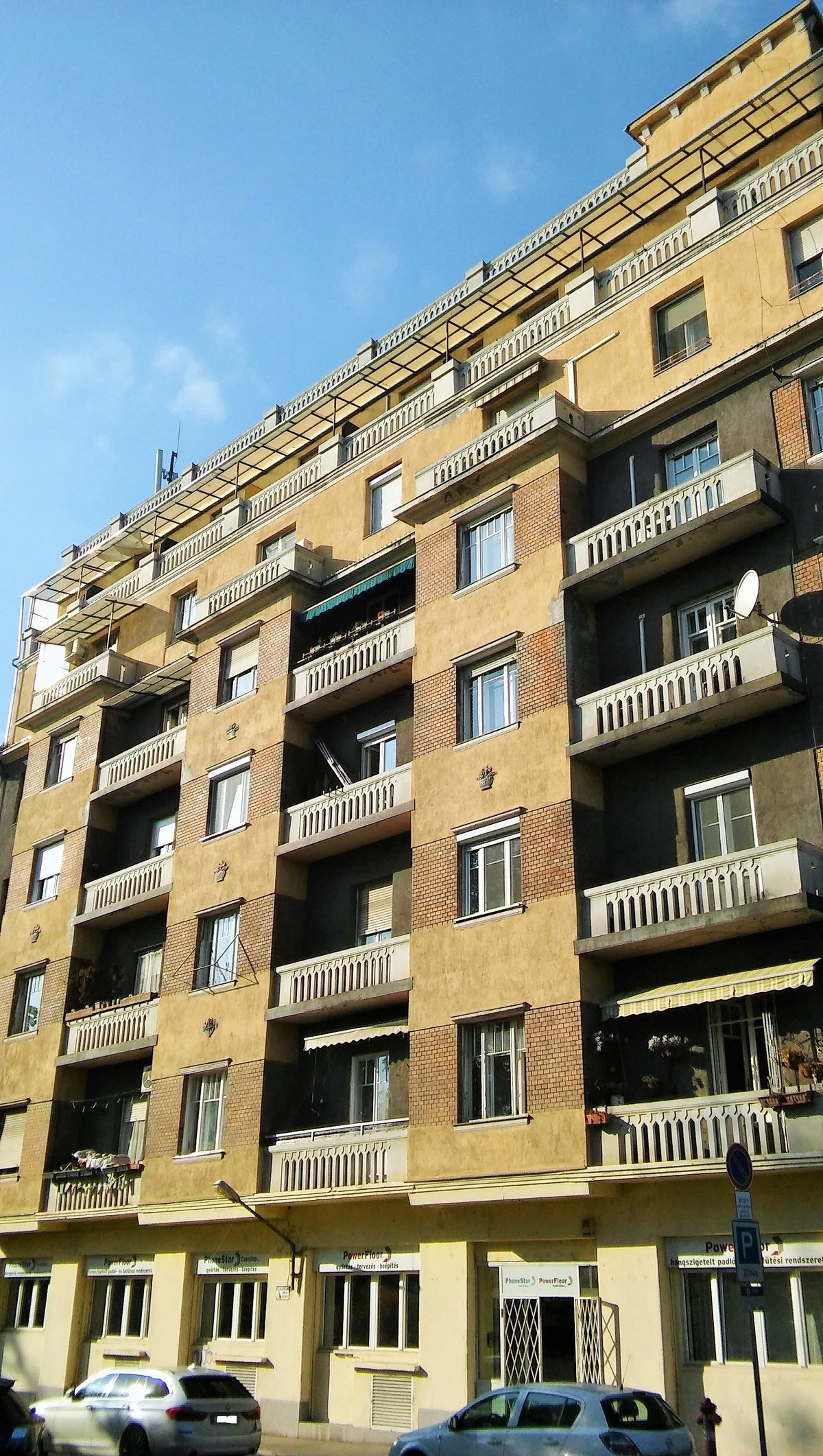
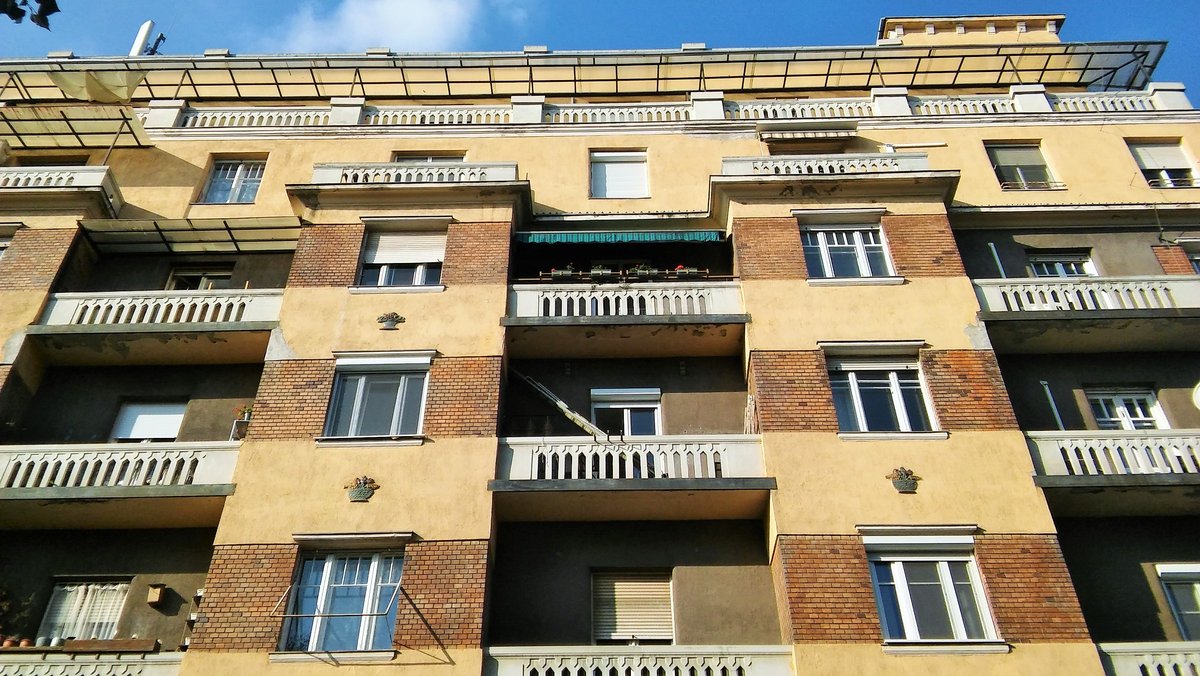
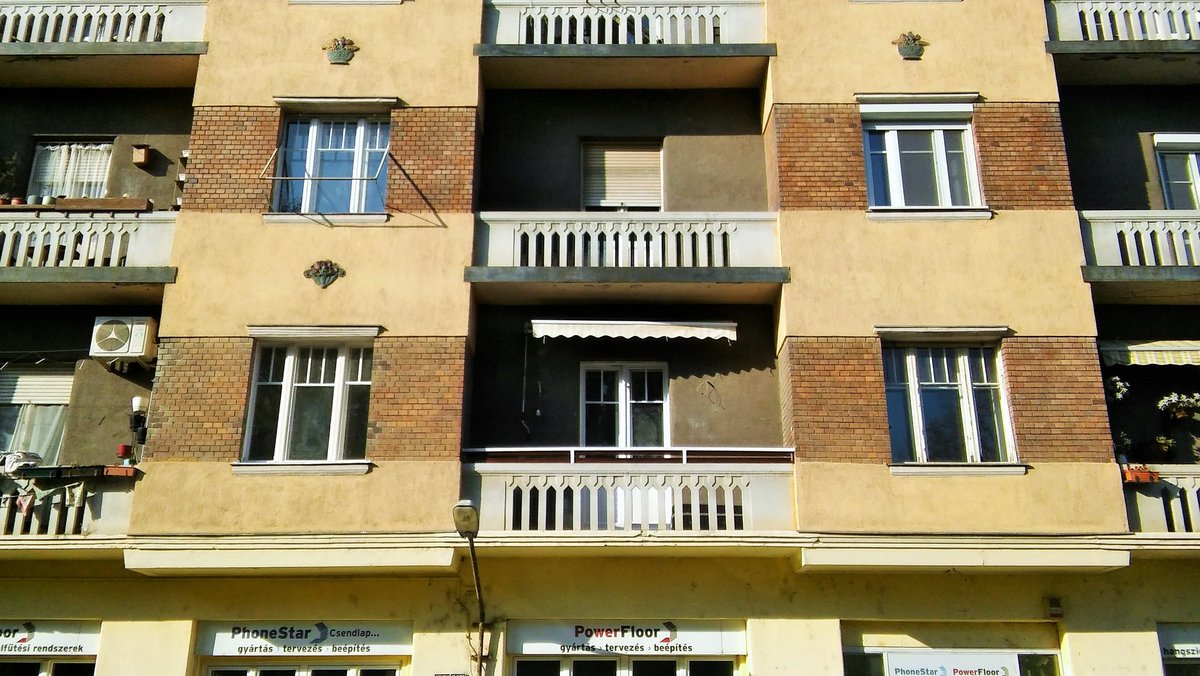
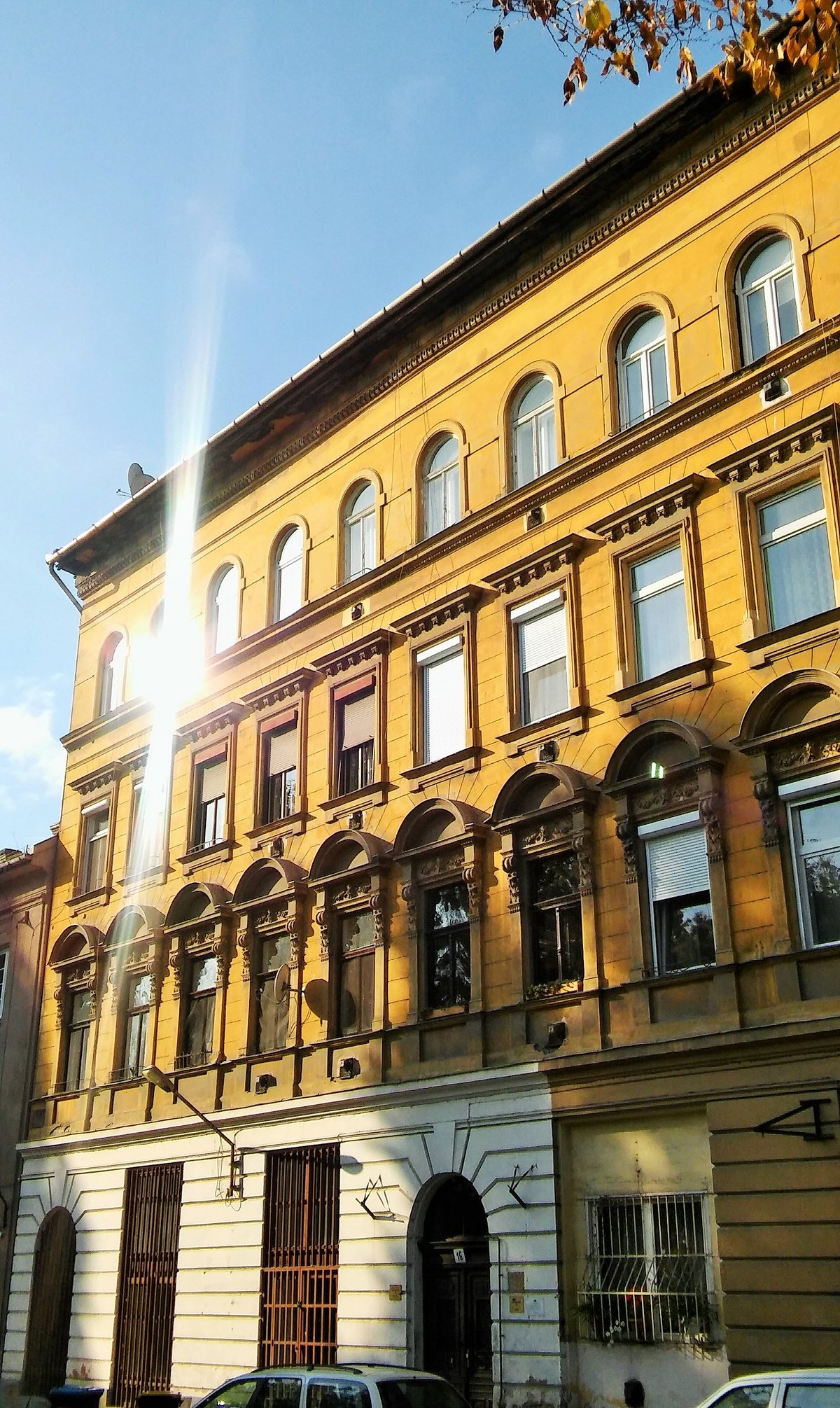
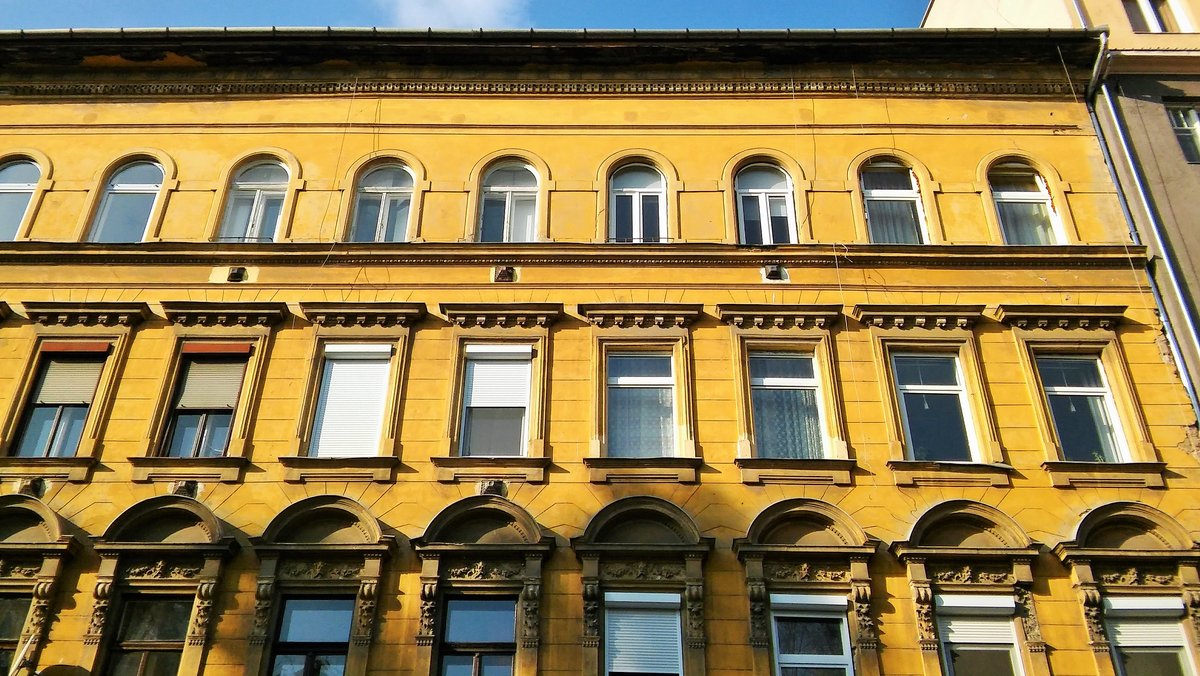
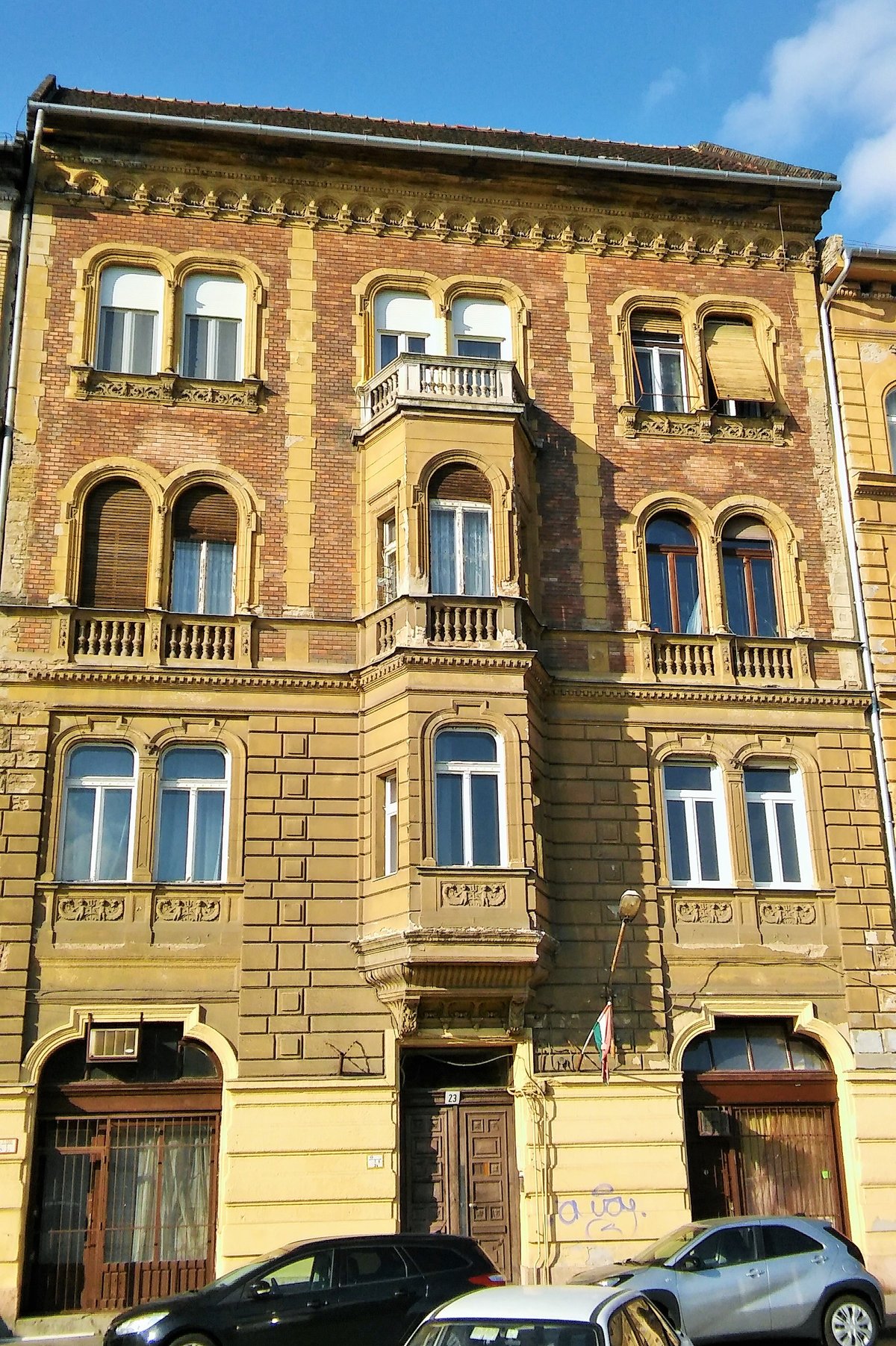
Teleki László Tér is renowned for its multicultural community and layered heritage. The market hall remains a hub for local commerce, while the restored Teleki Téri Shtiebel synagogue at No. 22 preserves the area’s deep Jewish roots (We Love Budapest). The TANGÓ Project and Teleki Square Association regularly organize public events, urban walks, and exhibitions that celebrate the square’s collective memory and contemporary renewal.
Visitor Information
Visiting Hours & Entry
- Teleki László Tér (Square & Park) Open 24 hours daily; free entry.
- Teleki téri piac (Market Hall) Monday–Saturday, 6:00–7:00 AM to 6:00–7:00 PM; closed Sundays. Entry is free.
- Teleki Téri Shtiebel Synagogue Visits by appointment; check Teleki Tér Shtiebel for details.
Accessibility
- Mobility The square, market, and public amenities are wheelchair accessible, with ramps and flat surfaces throughout.
- Transport
- Metro II. János Pál pápa tér (M4) or Semmelweis Klinikák (M3), both within a short walk.
- Tram Lines 24 and 28 stop nearby.
- Bus Several city bus routes serve the area.
- Train Keleti Railway Station is within walking distance.
Facilities & Amenities
- Restrooms Inside the market and nearby cafés.
- Seating Benches, shaded areas, and landscaped gardens.
- Playground Modern facilities for children.
- Sports Facilities FIDo Park offers courts and youth programs.
- Food & Shopping Local bakeries, cafés, and market stalls with Hungarian and international delicacies.
Travel Tips
- Best Time to Visit Weekday mornings for a lively market scene; weekends for local events.
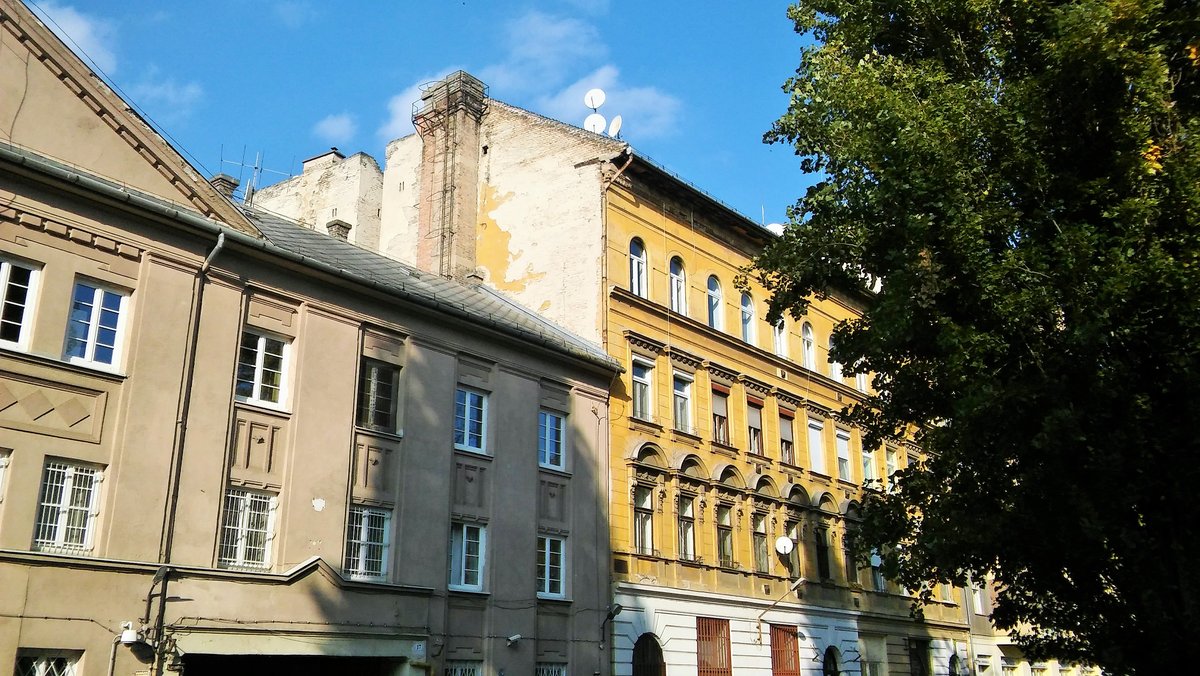
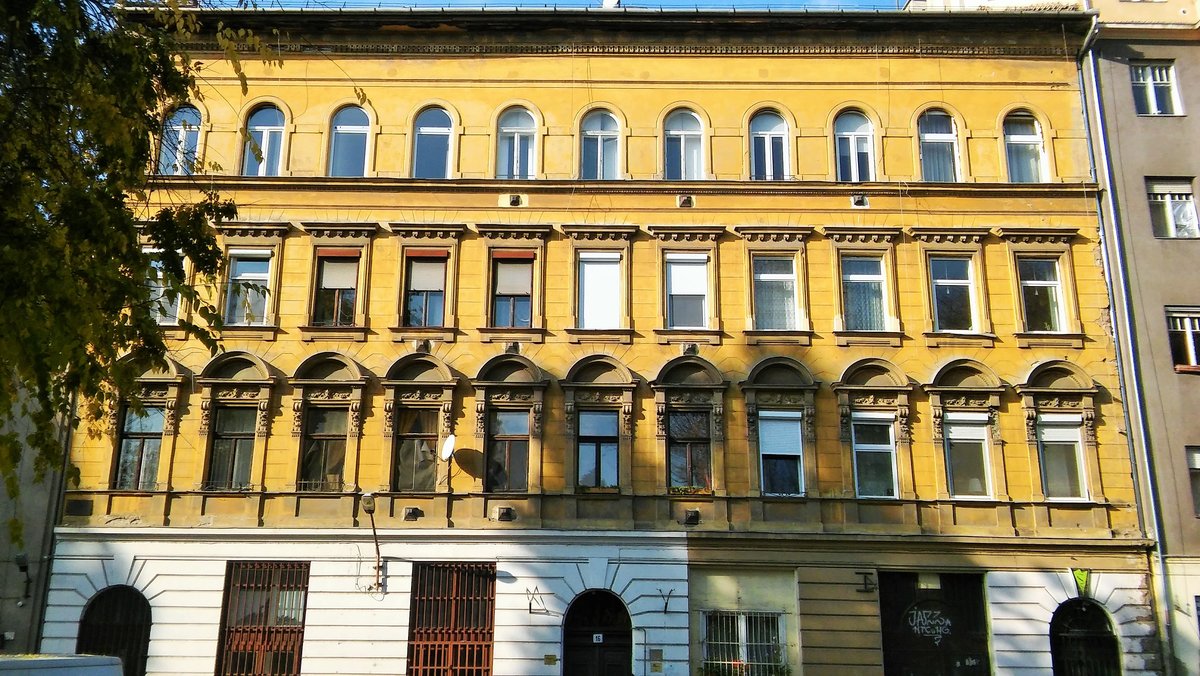
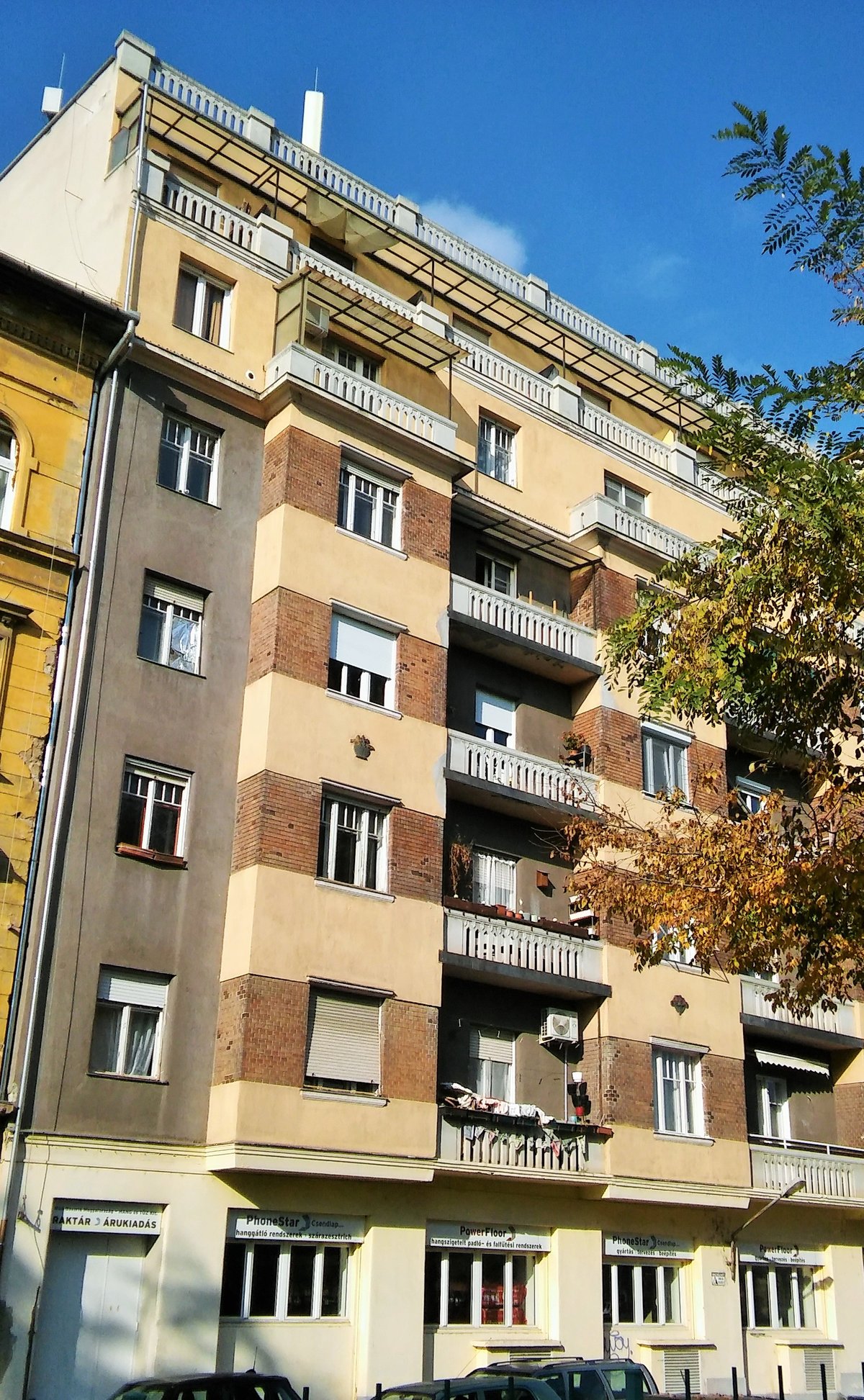
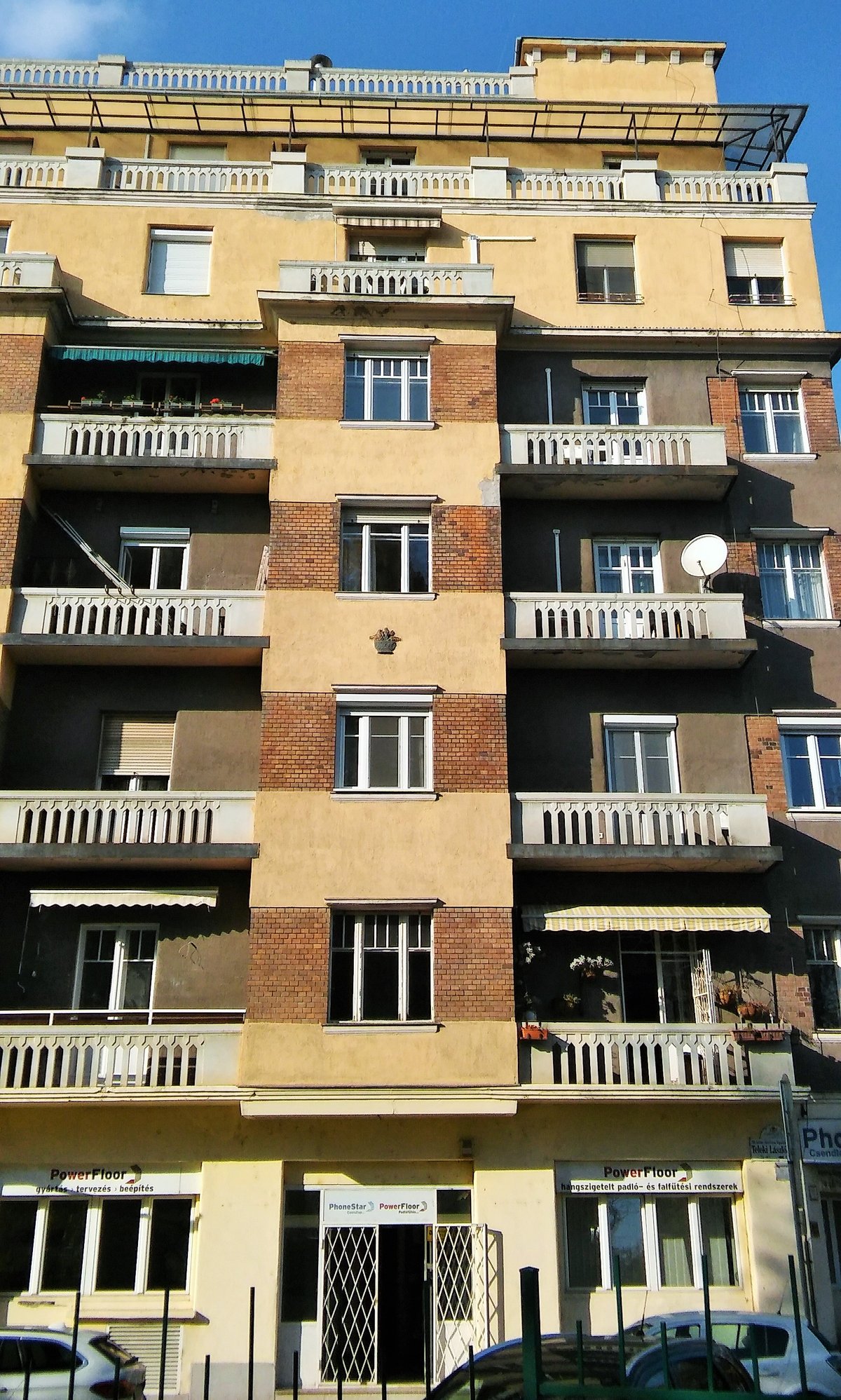
- Photography The square’s architecture, murals, and market activity provide excellent photo opportunities. Request permission before photographing people.
- Local Etiquette Greet vendors with “jó napot” (good day), and thank them with “köszönöm.” Bargaining is uncommon.
Nearby Attractions
- Fiumei Road Cemetery Historic burial ground with impressive monuments.
- Budapest Keleti Railway Station Architectural landmark and transport hub.
- Jewish Heritage Orthodox synagogue at No. 22 and the Great Synagogue on Dohány Street.
- Corvin Quarter & Palace District Notable for cafés, 19th-century architecture, and cultural venues.
- National Museum of Hungary A short journey away, ideal for history enthusiasts.
Events & Guided Tours
The Teleki Square Association and the TANGÓ Project host regular cultural events, community festivals, and guided walking tours focusing on the social and Jewish history of the square. Check local listings or the Association’s website for current schedules.
FAQ
Q: What are the visiting hours for Teleki László Tér?
A: The square and park are open 24/7; the market hall operates Monday–Saturday from early morning to early evening.
Q: Is there an entrance fee?
A: No, entry to the square and market is free.
Q: Is the area accessible for wheelchairs and strollers?
A: Yes, the square and market are fully accessible.
Q: Are guided tours available?
A: Yes, local organizations and tour operators offer thematic walks; check schedules in advance.
Q: What food options are available?
A: The market and nearby cafés offer Hungarian pastries, fresh produce, and street food.
Q: How do I reach Teleki László Tér by public transport?
A: Use Metro M4 (II. János Pál pápa tér), Metro M3 (Semmelweis Klinikák), tram lines 24/28, or buses serving District VIII.