
What Gyöngyösi Utca is
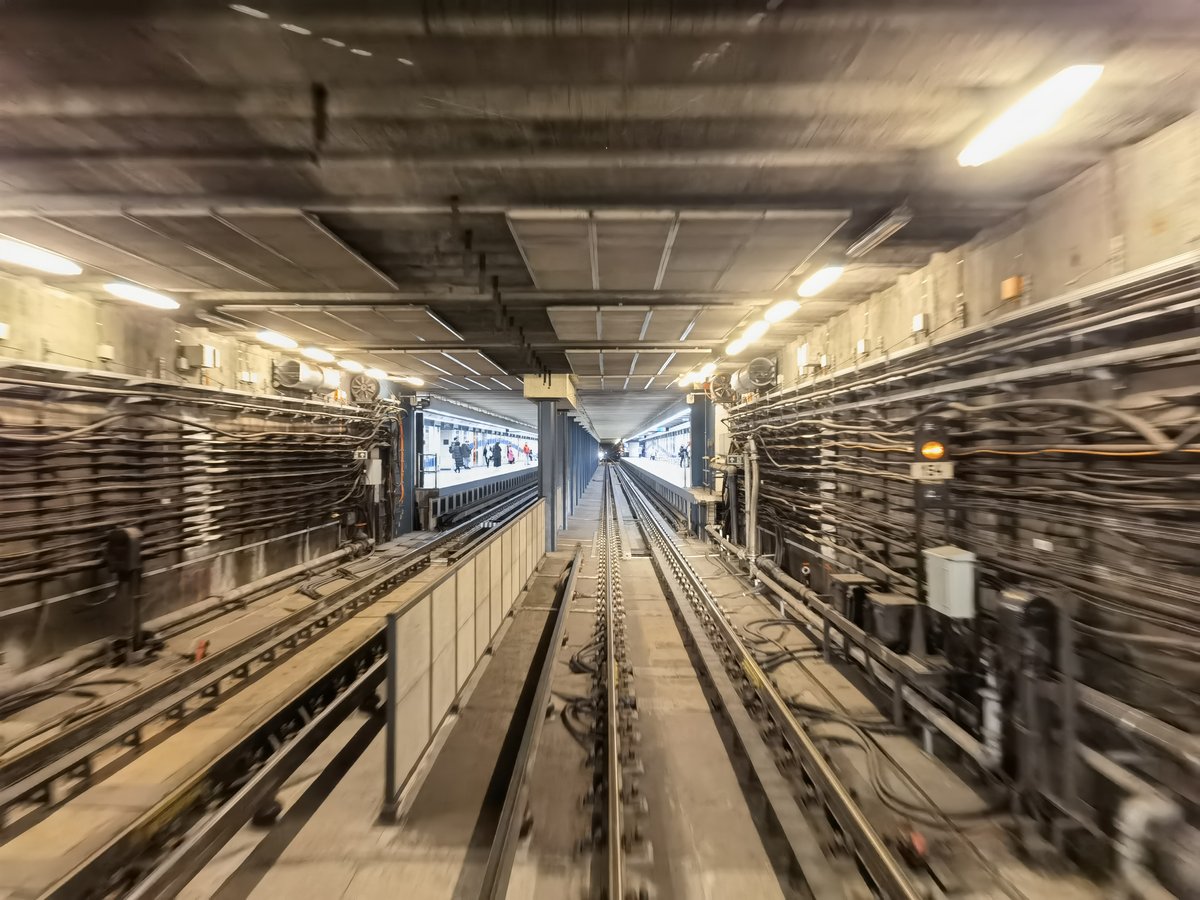
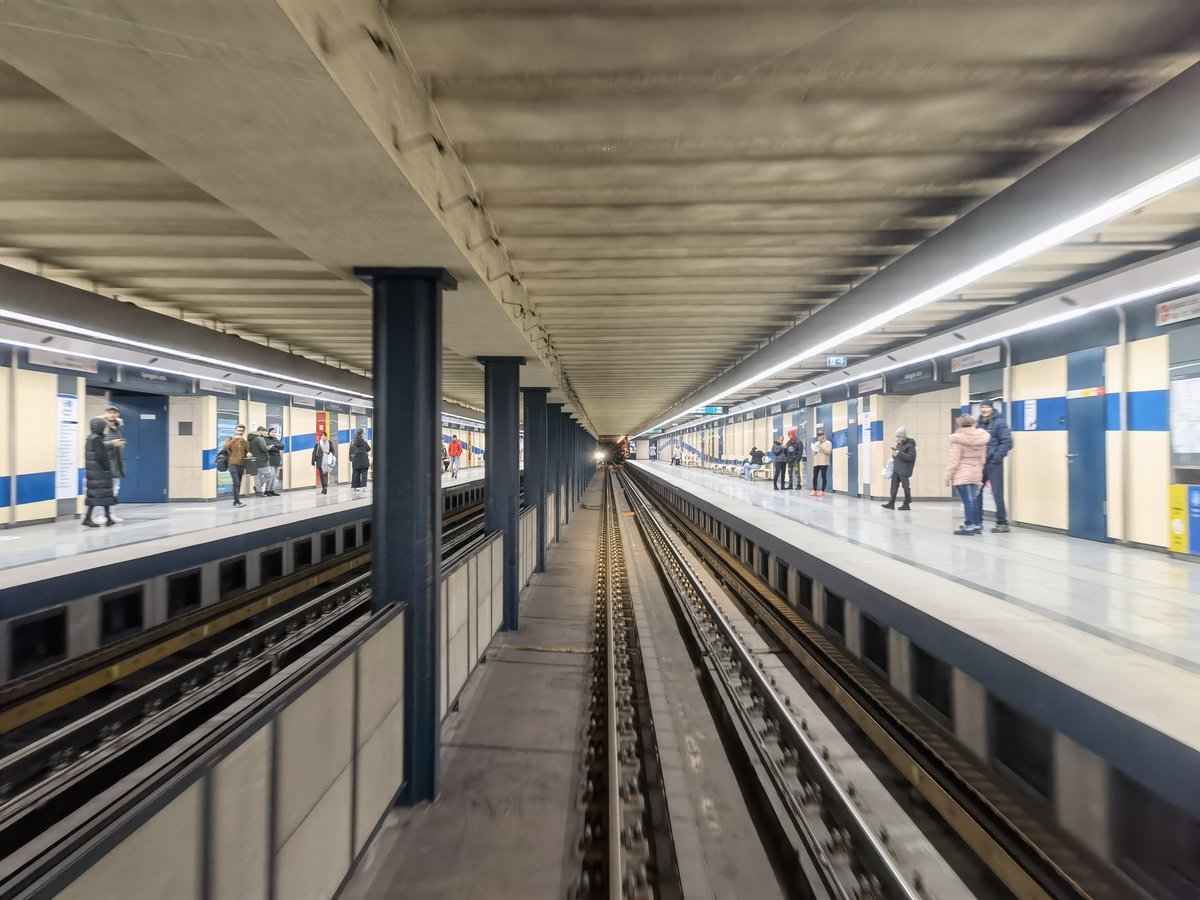
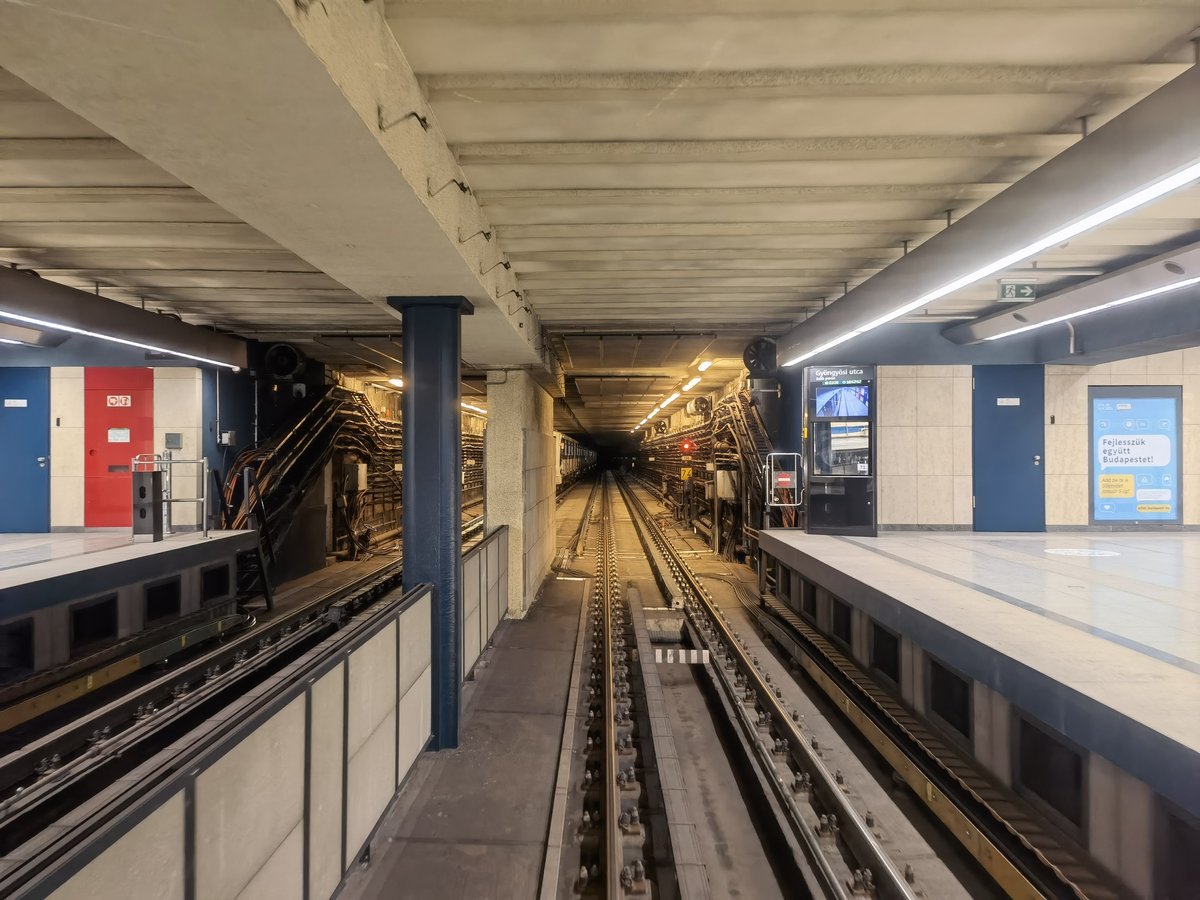
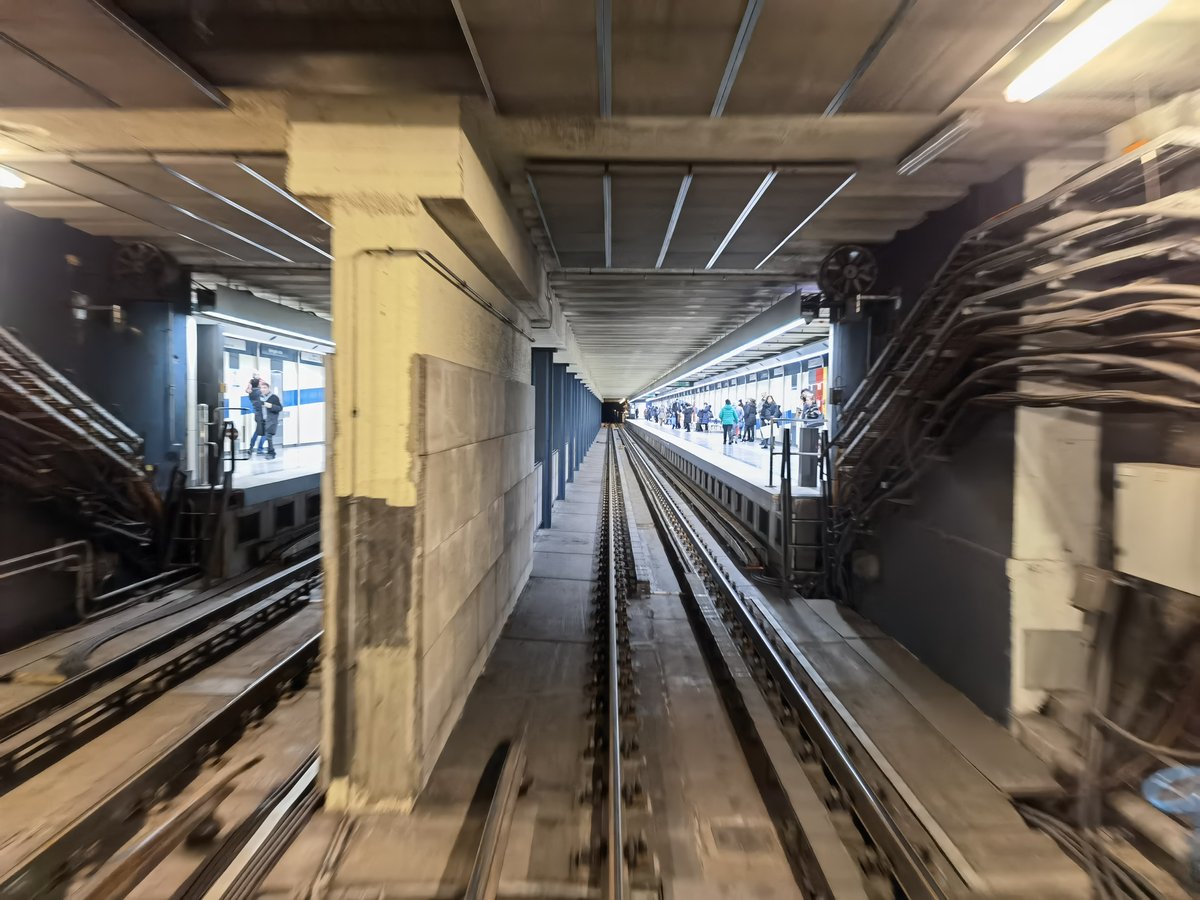
Gyöngyösi Utca is a prominent street in Budapest’s 13th district, Angyalföld. Once part of a peripheral area shaped by agriculture and industry, it is now an urban corridor with varied architecture, green spaces, shops, and convenient public transport. The M3 (Blue) metro line and other connections make it accessible from elsewhere in Budapest (History of Budapest, Gyöngyösi Utca metro station, Budapest Reconstructions 2025).
History
Gyöngyösi Utca was originally part of northern Pest’s agricultural outskirts. After Buda, Pest, and Óbuda were unified in 1873, the area began changing from rural fields into industrial and residential districts during Budapest’s late-19th-century expansion (History of Budapest).
After World War II, prefabricated apartment blocks were built to address housing needs, shaping the street’s residential character. The M3 metro station opened in 1981 and was later extended in 1990, improving access and encouraging further growth (Gyöngyösi Utca metro station, Hungarian Geographical Bulletin, 2014).
Following 1989, economic liberalization and urban renewal brought changes to the area. Former industrial sites gave way to commercial developments such as Duna Plaza, which opened in 1996, and modern residential projects including Marina City (Budapest Reconstructions 2025, Marina City). The LIFE Biodiverse City program in 2024 added urban wetlands and green corridors (Budapest Reconstructions 2025).
What to see
- Duna Plaza A major shopping and entertainment complex directly linked to the metro station.
- Vizafogó Park A revitalized green space for recreation and relaxation.
- Danube Promenade A 1.2 km riverside walkway with panoramic views and access to Margaret Island.
- Architectural variety The area includes socialist-era apartment blocks, modern residences, and the decorative facades at Gyöngyösi Utca 4.
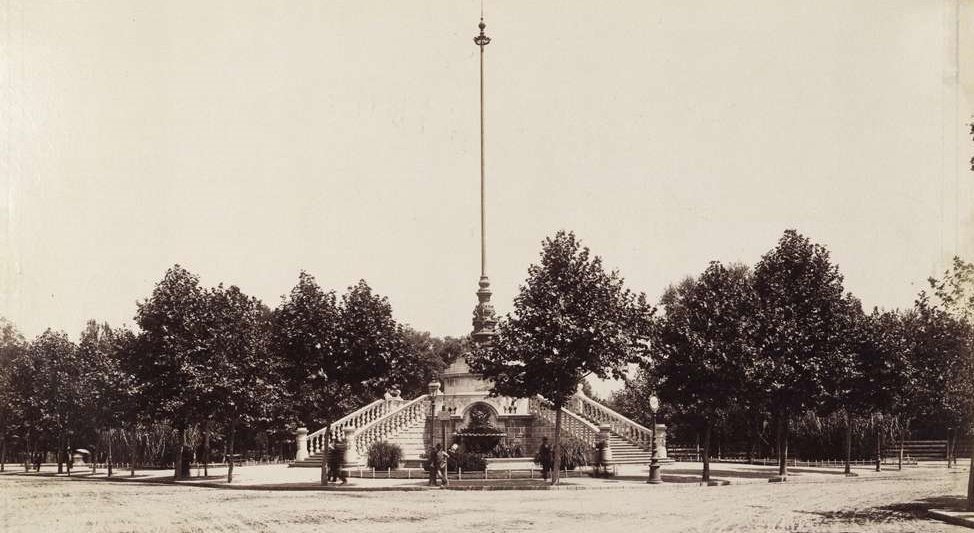
- Gyöngyösi Utca Monument A local landmark commemorating the district’s urban development.
Gyöngyösi Utca 4
Gyöngyösi Utca 4 features ornate early-20th-century facades that combine Art Nouveau and Eclectic styles. The building reflects Budapest’s architectural and urban heritage (Közterkep).
The facades can be viewed at any time, and no ticket or fee is required. Daylight is best for seeing the architectural details; morning or late afternoon is suggested for photography. Local walking tours often include the building. For schedules, check with tour providers or the Budapest 13th District Cultural Center.
Gyöngyösi Utca Monument
The monument commemorates the 13th district’s transformation from an industrial suburb into an urban area and symbolizes community resilience and growth. It is open year-round, with visiting hours listed as 9:00 AM to 6:00 PM. Entry is free.
The monument is near Gyöngyösi Utca metro station on the M3 and can also be reached by bus and bicycle lanes (futas.net, triptobudapest.hu). The area is described as accessible for visitors with mobility challenges, with elevators, tactile paving, and wheelchair-friendly pathways.
Practical visiting information
Hours and tickets
Gyöngyösi Utca is a public street, accessible at all times and free to visit. The facades at Gyöngyösi Utca 4 and public monuments also have no admission charge.
Shops, restaurants, parks, and Duna Plaza follow their own schedules and typically operate from morning to evening. The Danube promenade is open from dawn to dusk. Duna Plaza welcomes visitors daily from 10:00 AM to 8:00 PM. The monument’s listed hours are 9:00 AM to 6:00 PM year-round.
Getting there and accessibility
The area is served by the M3 (Blue) metro line at Gyöngyösi Utca station. Buses 105, 30, 30A, and 34, and tram 14 also serve the area. The station has barrier-free access (Wheelchair Travel Budapest). Metro, bus, and tram access is also listed for Gyöngyösi Utca 4, with barrier-free options (BKK Accessibility).
Dedicated bike lanes and BuBi bike-sharing stations provide additional ways to get around (Budapest Urban Development Plans).
Accommodation, tours, and events
The district has modern hotels and serviced apartments, with new accommodation options opening in 2025 (Budapest Reconstructions 2025).
Local operators offer walking tours of Angyalföld and Gyöngyösi Utca, including tours focused on architecture. Seasonal community events and markets are regularly held nearby (Budapest Tourist Information). Seasonal events and festivals are also held in the district; see the district’s event calendar for updates.
Tips
Spring through early autumn is a good time to visit for pleasant weather and riverside activities. A Budapest Card or travel pass can be used for unlimited rides on metro, bus, and tram lines (thecommonwanderer.com).
Morning or late-afternoon light is best for photographing the facades and monument; nearby parks can provide scenic backgrounds. For the facades, these times also offer good lighting for architectural details.
Nearby places
Nearby places and attractions include:
- Angyalföld Vasútállomás, a suburban rail station
- Lehel Market, a historic market hall
- Duna Plaza (utca-terkep.info)
- Dagály Thermal Bath (bbqboy.net)
- Margaret Island, a recreational park
- Central Market Hall and Budapest’s historic city center, both listed as accessible from the area
Frequently asked questions
Are there entrance fees or tickets for Gyöngyösi Utca or its monuments?
No. Public spaces and monuments are free to visit.
How do I get to Gyöngyösi Utca?
Take Metro Line 3 to Gyöngyösi Utca station; buses and trams also serve the area.
Is the area accessible for people with disabilities?
Yes. Transport stations and public areas have accessibility features.
What are the best times to visit?
Spring through autumn offers a pleasant experience, especially for enjoying the parks and Danube promenade.
Are guided tours available?
Yes. Local operators and cultural centers offer walking tours and neighborhood walks.