History and Evolution of Liget Gallery
Founding and Early Years (1983–1990)
Liget Gallery was established in 1983 by the Cultural Centre of Zugló, at a time when Hungary was still under socialist rule. Created as a quasi-independent venue, the gallery offered a rare platform for local and Central and Eastern European artists to explore experimental practices and challenge mainstream conventions. Throughout the 1980s, it played a pivotal role in nurturing avant-garde art and providing a space for creative freedom (Liget Gallery official site).
Growth and Internationalization (1990–2010)
Following Hungary’s transition to democracy in 1989–1990, Liget Gallery expanded its programming under the direction of artist Tibor Várnagy. The gallery embraced new media, conceptual art, and international collaborations, positioning itself as a leader in Hungary’s contemporary art scene. Várnagy’s tenure, which lasted until 2022, was marked by the introduction of innovative curatorial projects and cross-border exchanges.
Contemporary Focus (2010–Present)
Since 2022, Liget Gallery has been curated by Veronika Molnár, whose vision emphasizes inclusivity, feminist and ecocritical perspectives, and community engagement. The gallery continues to host a dynamic range of exhibitions, artist residencies, and events that connect local and international artists with the Budapest audience. Its programming reflects urgent global themes such as gender, ecology, migration, and activism.
Practical Visitor Information
Location and Transport
- Address H-1146 Budapest, Ajtósi Dürer sor 5, Zugló District
- Proximity Steps from City Park (Városliget), Heroes’ Square, and major transport hubs
- Public Transport
- Metro M1 (Millennium Underground) line to Hősök tere or Bajza utca (approx. 10-minute walk)
- Tram Tram 1 stops at Ajtósi Dürer sor
- Bus Lines 30, 30A, and 230 serve the area
Visiting Hours and Admission
- Opening Hours Wednesday to Friday, 16:00–19:00
- Admission Free for all visitors; special events or workshops may require advance registration or a nominal fee
- Advance Bookings Not required for general admission; group tours or workshops should be arranged in advance
Accessibility
Liget Gallery is committed to inclusivity and is wheelchair accessible. For specific needs, contact the gallery ahead of your visit.
Guided Tours and Facilities
- Guided Tours Available by prior arrangement, especially for groups and educational visits
- Facilities English-speaking staff, printed materials in Hungarian and English, basic restrooms (no café or gift shop)
- Photography Permitted unless otherwise indicated; always check with staff
For updates, check the Liget Gallery official website.
Exhibitions & Programming (2023–2025)
Liget Gallery mounts 6–8 exhibitions annually, featuring Hungarian and international artists across media—painting, sculpture, photography, video, installation, and performance. The gallery’s recent and upcoming shows reflect its commitment to social engagement and artistic experimentation.
Recent and Upcoming Exhibitions
-
2025
- Comfort Zone (May 8 – Jun 15, 2025): Examines boundaries of comfort and social space, curated by ETC. Magazine
- Alma Vetlényi: Turn the Page (Feb 13 – Apr 11, 2025): Solo exploration of new artistic directions
- Anna Zilahi: Urtica (Dec 12, 2024 – Feb 8, 2025): Art at the intersection of ecology and poetry
-
2024
- Lilla Szász & Rita GT: No Bread for Us (Oct 10 – Nov 27, 2024): Collaboration on migration and social justice
- HUSTERA / ὑστέρα (Aug 15 – Oct 3, 2024): Group show on gender, body, and origins
- Om Bori & Wura Ojungi: Women/Water/Bodies (Apr 10 – May 30, 2024): Focused on gender and ecology
-
2023
- Susan Vecsey: Sea Meets Sky (Nov 4 – 17, 2023): Abstract landscapes
- Stephanie Winter: Tentacular Thinking (Sep 16 – Oct 21, 2023): Interconnectedness and multispecies perspectives
For a full calendar, visit the Liget Gallery exhibitions page.
Artistic and Cultural Significance
Championing Experimental and Socially Engaged Art
Liget Gallery nurtures new talent and interdisciplinary practices, with an emphasis on conceptual, research-based, and activist art. The gallery has been instrumental in launching the careers of artists such as Anna Zilahi and Lilla Szász (Liget Gallery exhibitions), and its archives are a key resource for studying Hungary’s contemporary art evolution.
Incubator for Innovation
As an independent space, Liget Gallery supports projects that may not fit within commercial galleries or state museums. It regularly collaborates with international artists, curators, and institutions, fostering cultural exchange and dialogue (Observer: Best Museums and Art Galleries in Budapest).
Diversity and Inclusivity
The gallery is committed to showcasing women artists, minority voices, and creators working in non-traditional media, enriching Hungary’s art narrative and making the contemporary scene more inclusive.
Community Engagement and Educational Impact
Liget Gallery’s programming extends beyond exhibitions to include artist talks, workshops, panel discussions, and residencies. These events often address urgent social issues and encourage community participation. Bilingual (Hungarian-English) materials and events ensure accessibility for both locals and international visitors (Liget Gallery opening hours and access).
Liget Gallery and the Liget Budapest Project
While not a new construction, Liget Gallery is closely linked to the Liget Budapest Project—a citywide initiative transforming City Park into a leading cultural and recreational destination. The project has brought new venues such as the House of Hungarian Music and the Museum of Ethnography, raising the profile of nearby institutions like Liget Gallery and increasing foot traffic and visibility (Eisenman Architects).
Nearby Attractions and Cultural Highlights
Liget Gallery’s location makes it an ideal starting point for exploring Budapest’s cultural gems:
- House of Hungarian Music Innovative music history and performance venue (Eisenman Architects)
- Museum of Fine Arts European art from antiquity to modern times
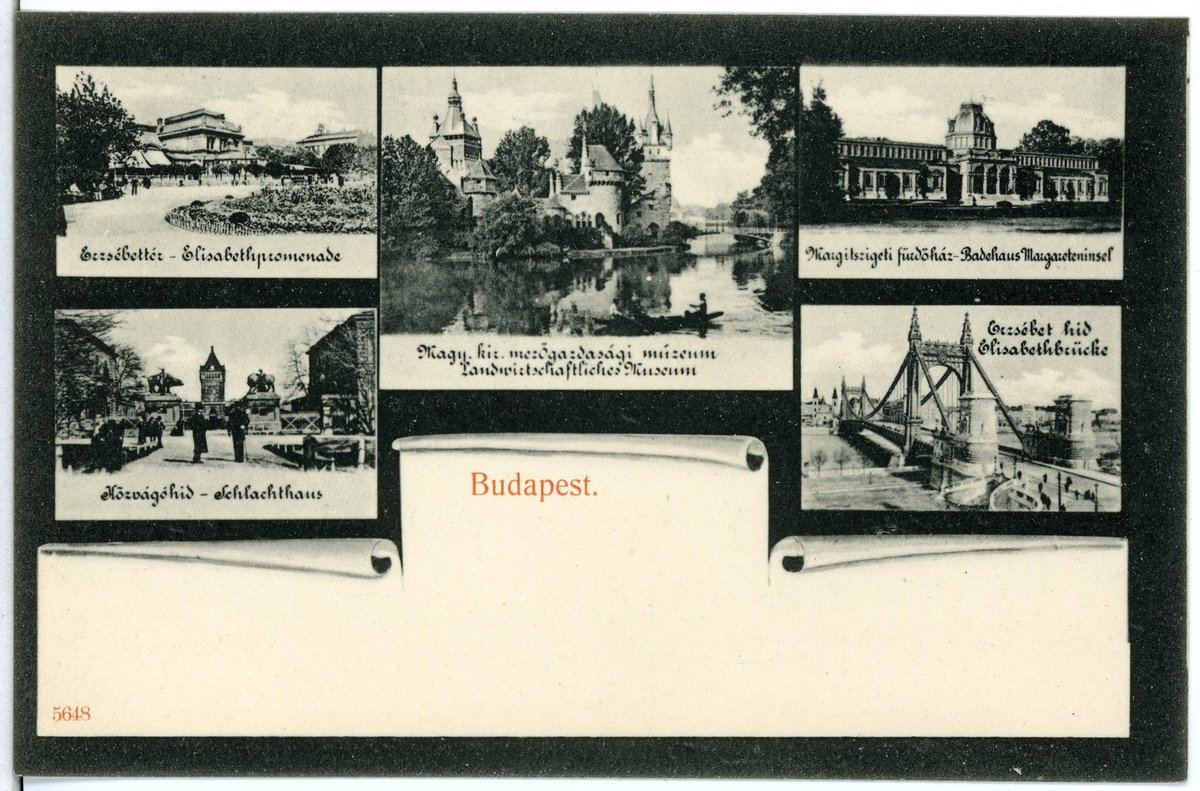
- Vajdahunyad Castle Picturesque architecture housing the Museum of Hungarian Agriculture
- Széchenyi Thermal Bath One of Europe’s largest spas (Budapest Travel Tips)
- City Park (Városliget) Perfect for strolls, picnics, and open-air events
Visitor Tips and Safety
- Plan Your Visit Review current exhibitions online; some events require registration
- Combine Destinations Pair Liget Gallery with nearby museums or City Park
- Engage with Staff English-speaking staff are happy to assist
- Photography Allowed unless otherwise posted
- Accessibility Contact the gallery for specific needs
- Safety Budapest is generally safe; standard precautions apply
Frequently Asked Questions (FAQ)
Q: What are Liget Gallery’s opening hours?
A: Wednesday to Friday, 16:00–19:00.
Q: Is admission free?
A: Yes, all exhibitions and most events are free.
Q: Is the gallery accessible for people with disabilities?
A: Yes; contact ahead for specific assistance.
Q: Are guided tours available?
A: Occasionally during special events; group tours by arrangement.
Q: How do I get there?
A: Take Metro M1, Tram 1, or buses 30/30A/230 to Ajtósi Dürer sor.
Q: Is photography allowed?
A: Generally yes, unless otherwise indicated.