
Vajdahunyad Castle: Origins and Historical Context
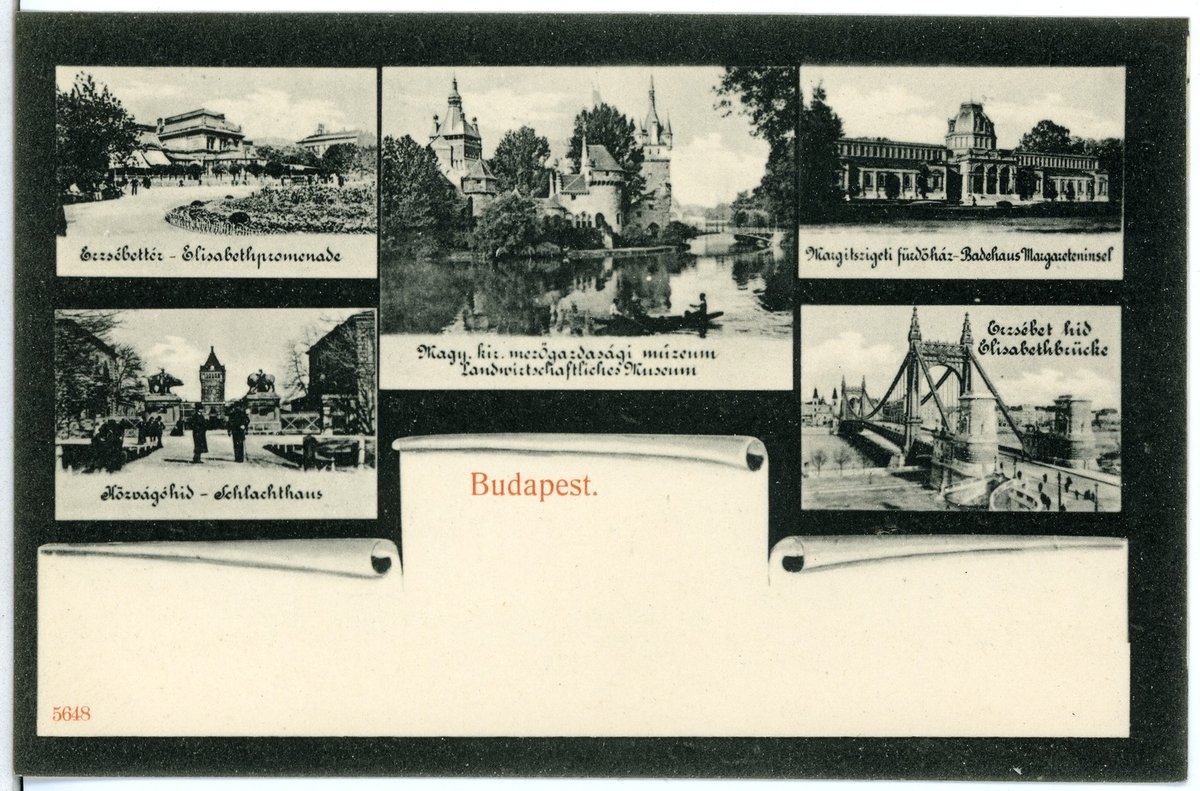
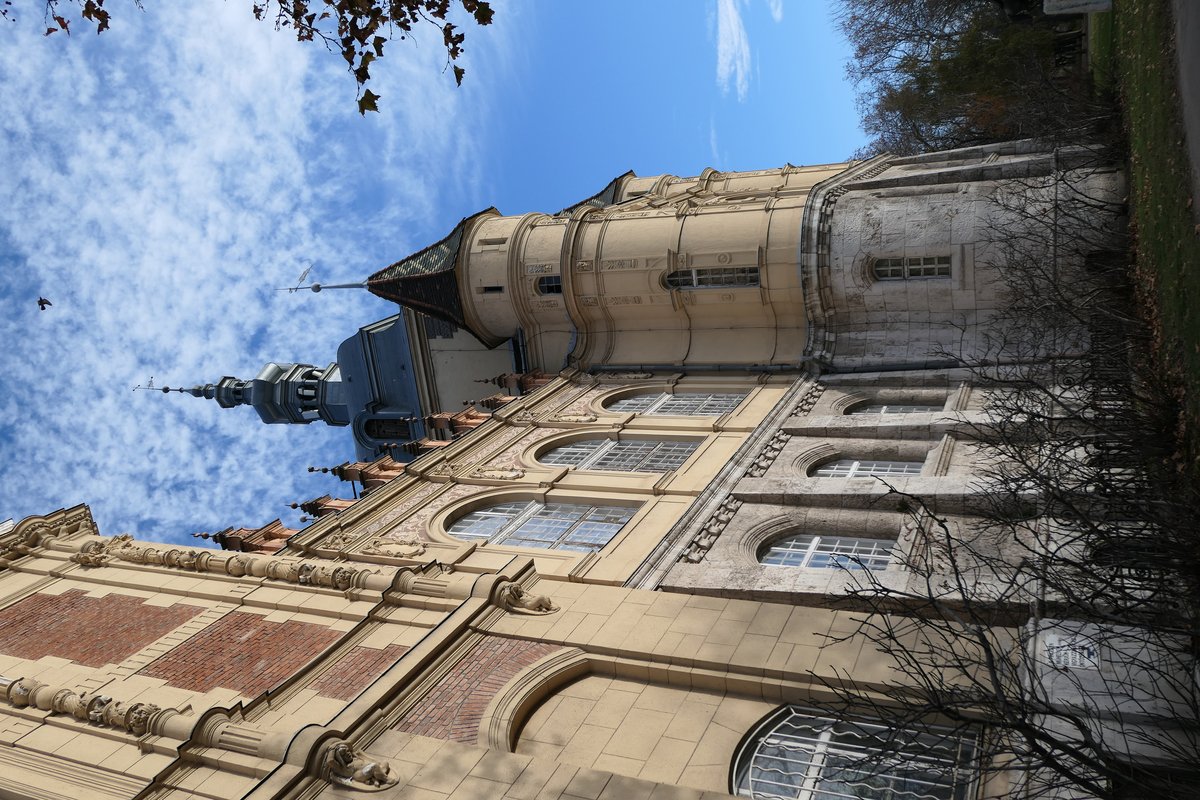
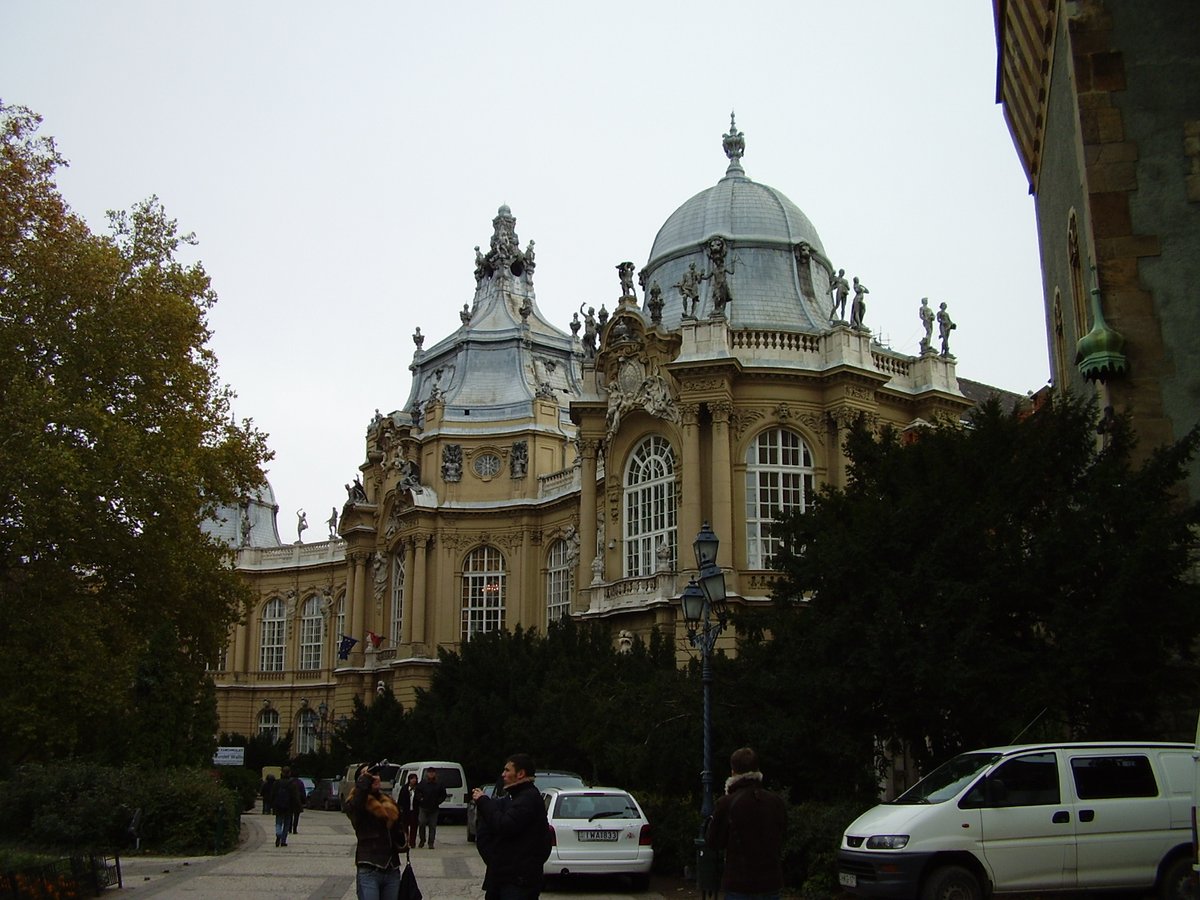
Vajdahunyad Castle, a highlight of City Park, was originally constructed for the 1896 Millennial Exhibition, celebrating Hungary’s 1000th anniversary (Gems of Budapest; Vajdahunyad Castle History). Designed by architect Ignác Alpár, the initial structure was a temporary pavilion made from wood and cardboard. Its popularity prompted a permanent reconstruction in stone and brick from 1904 to 1908. Vajdahunyad Castle is unique: it was never a royal residence or defensive stronghold, but instead a celebratory monument encapsulating Hungary’s historical and architectural evolution.
Architectural and Cultural Significance
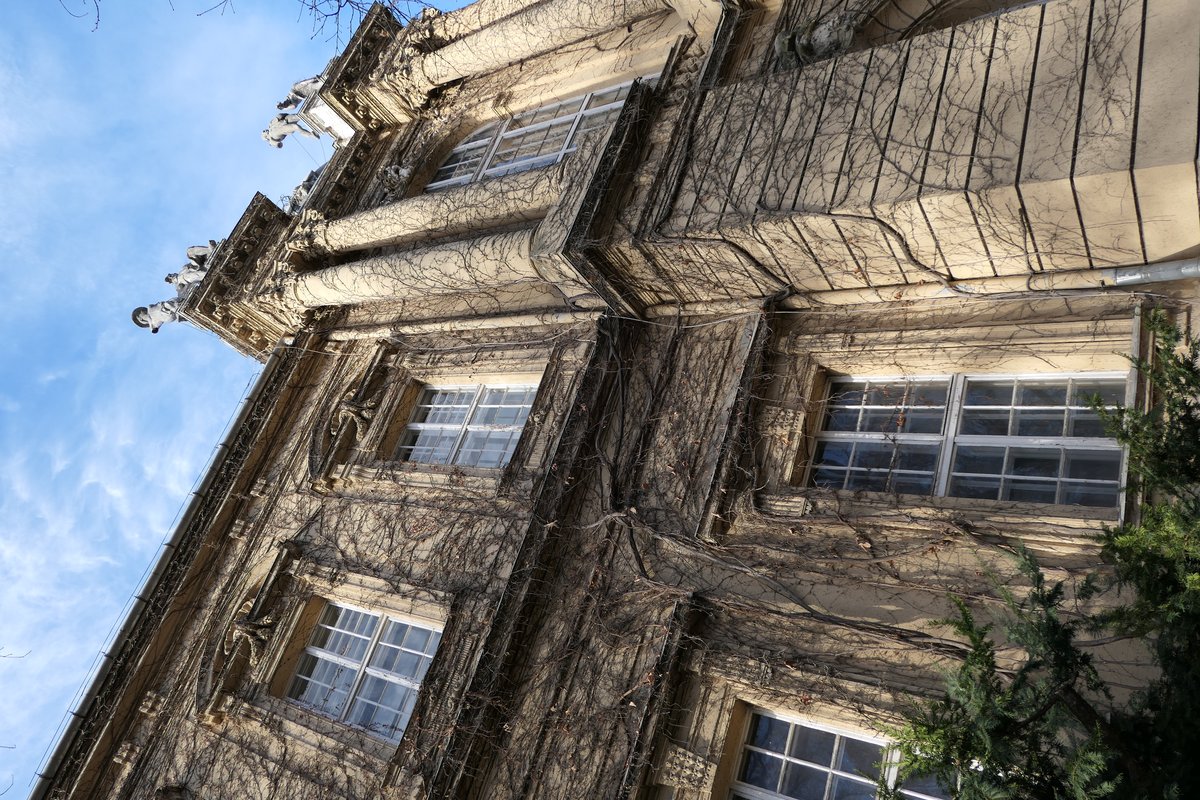
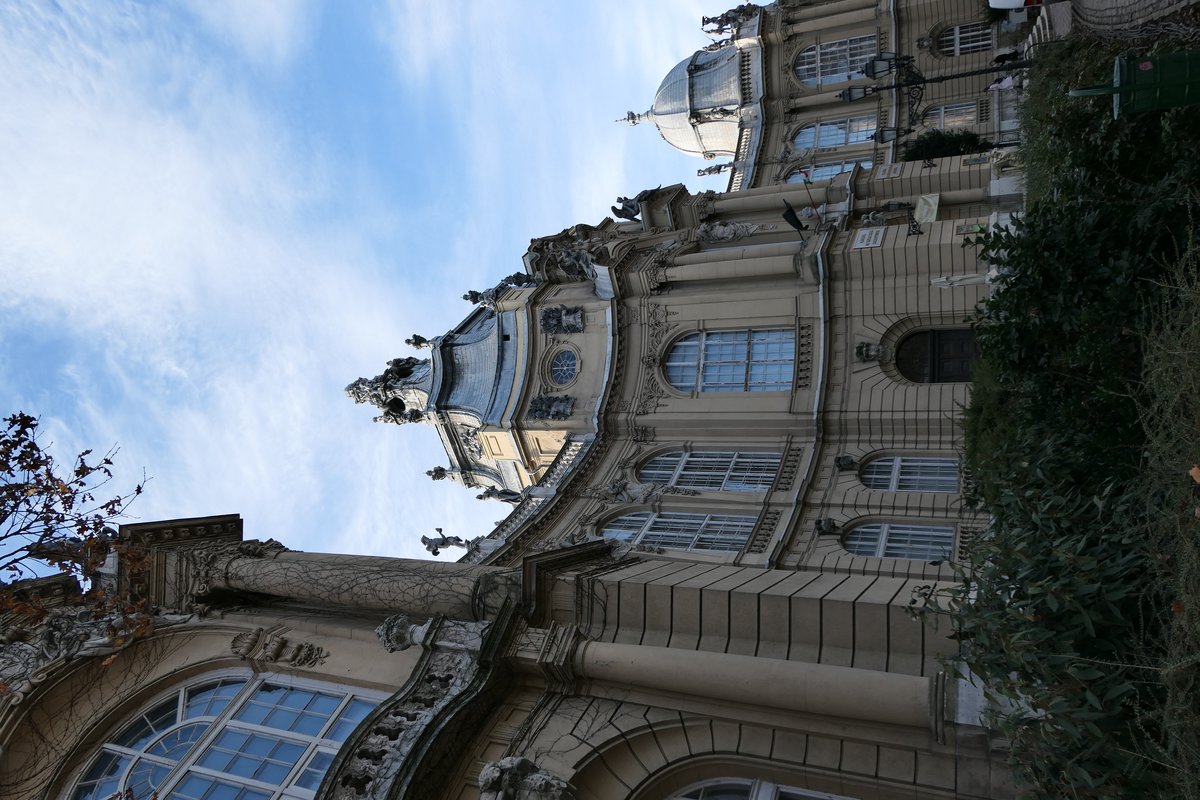
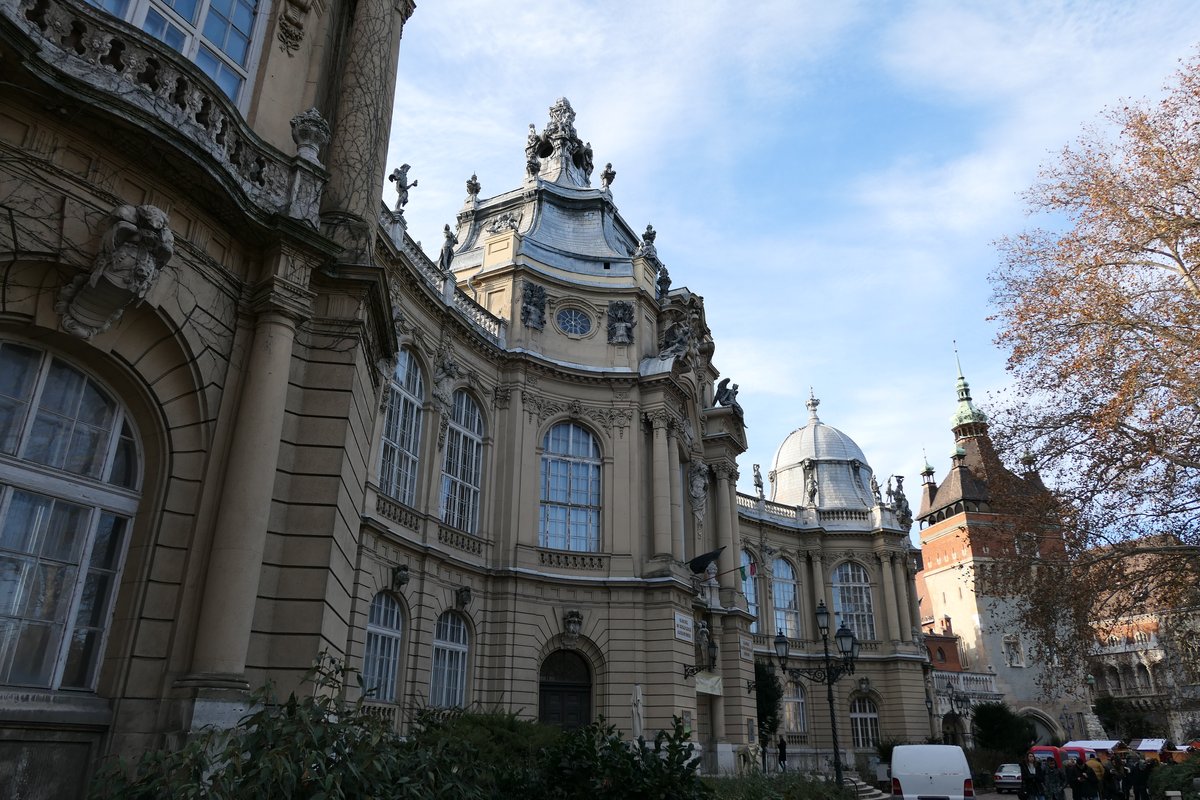
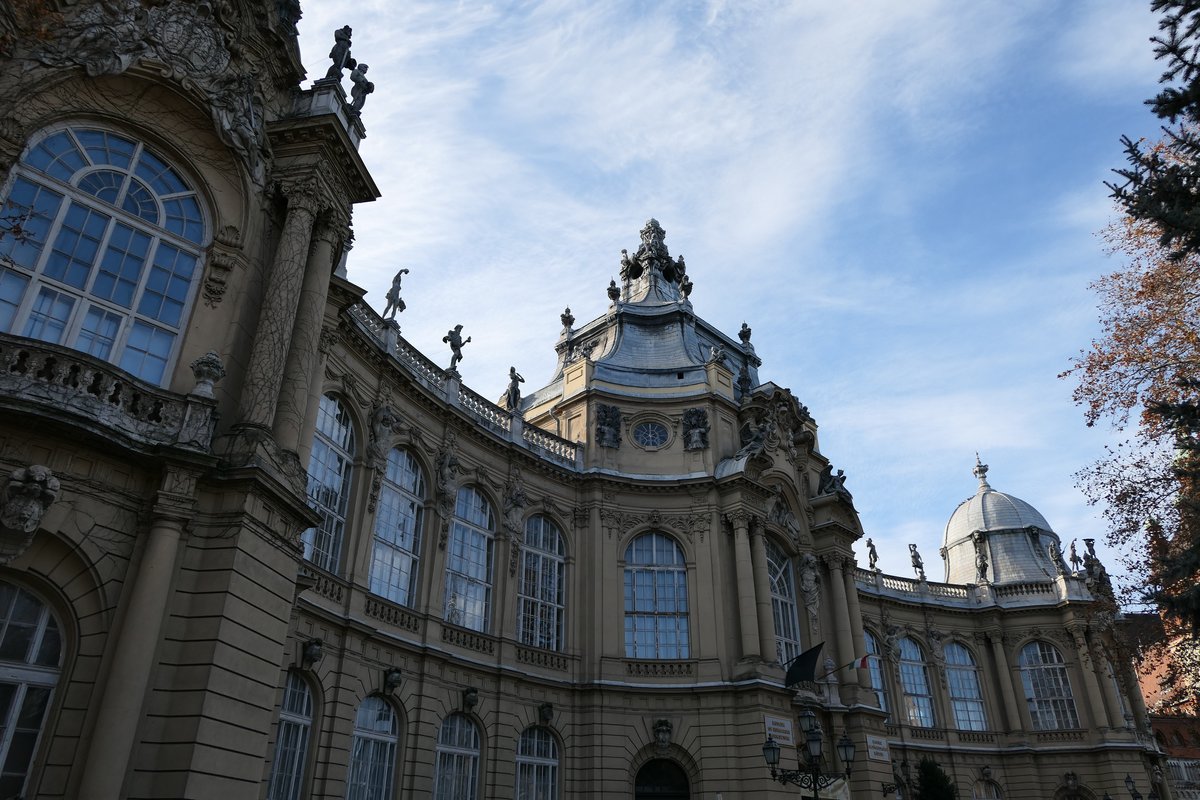
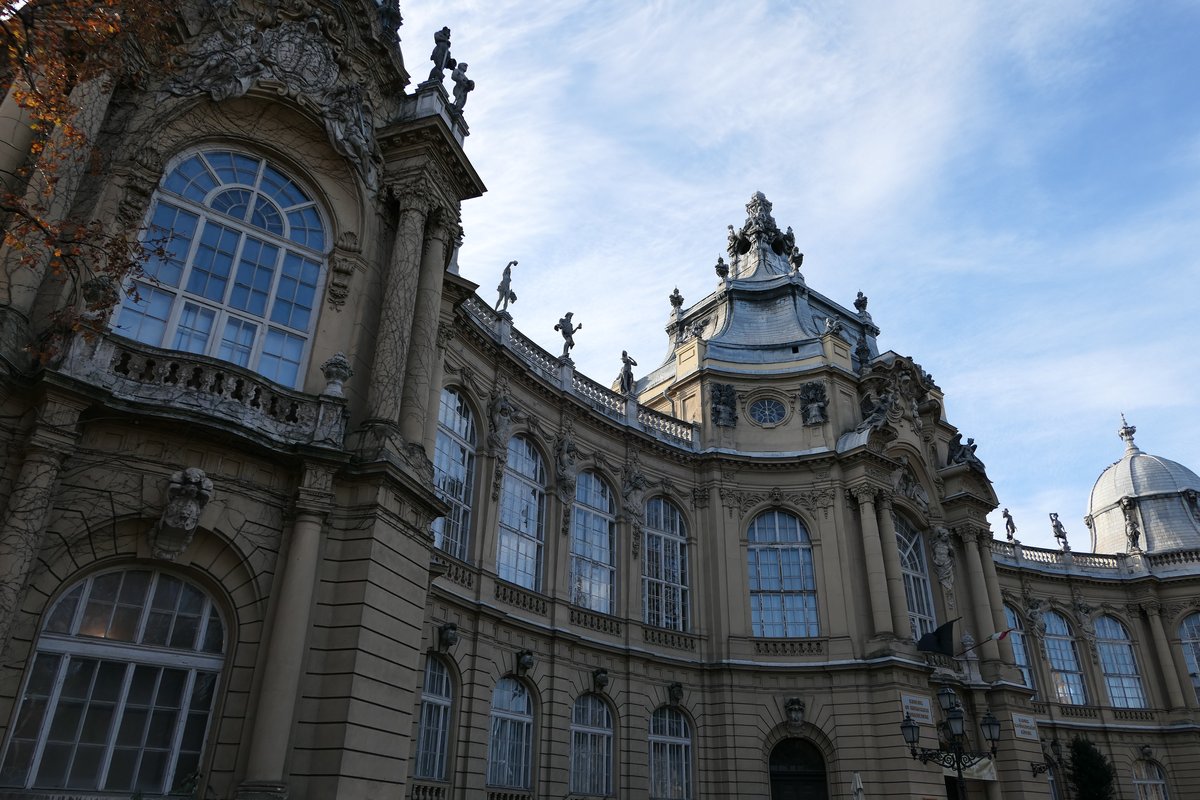
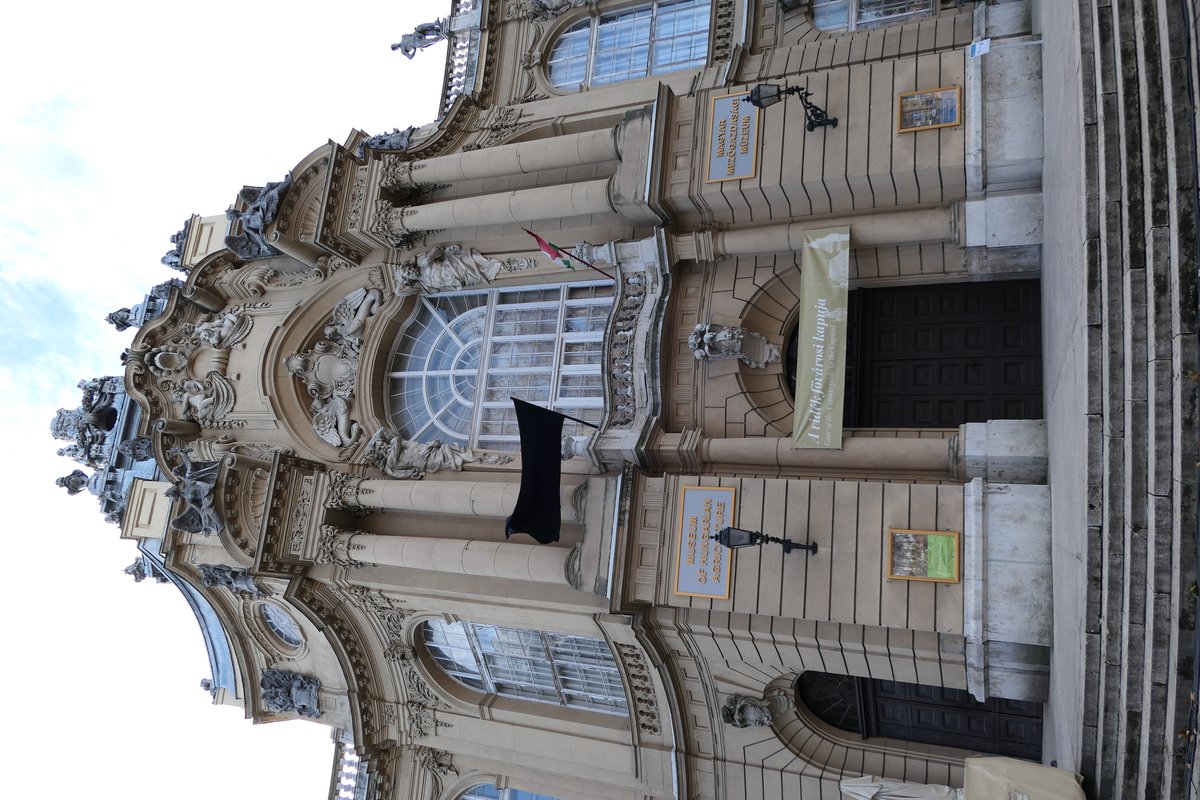
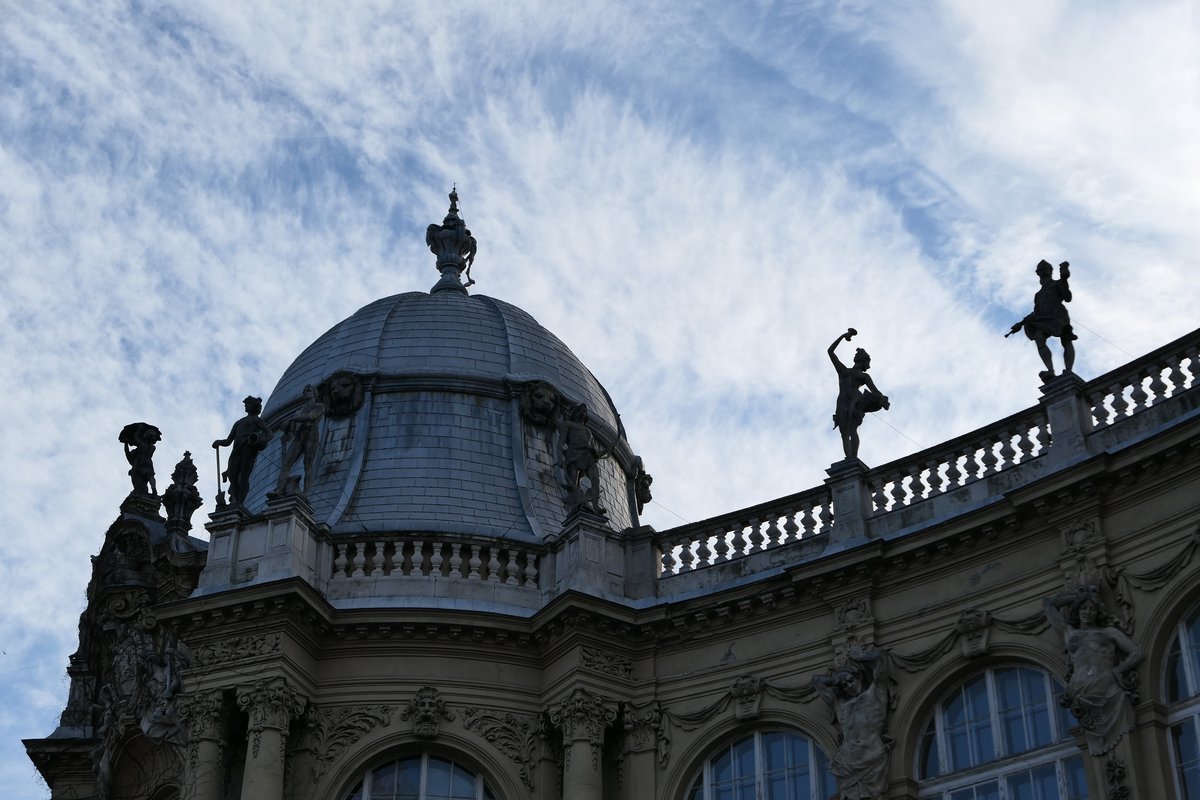
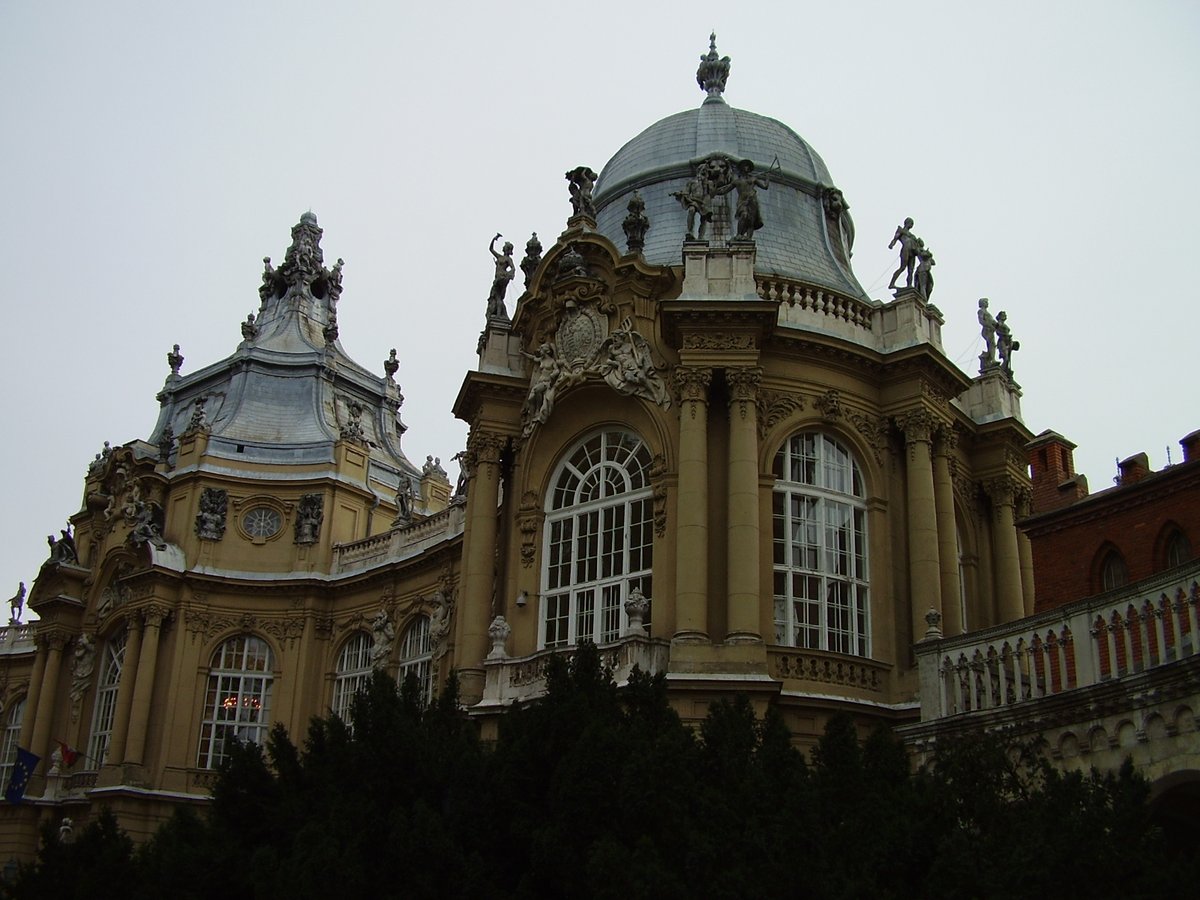
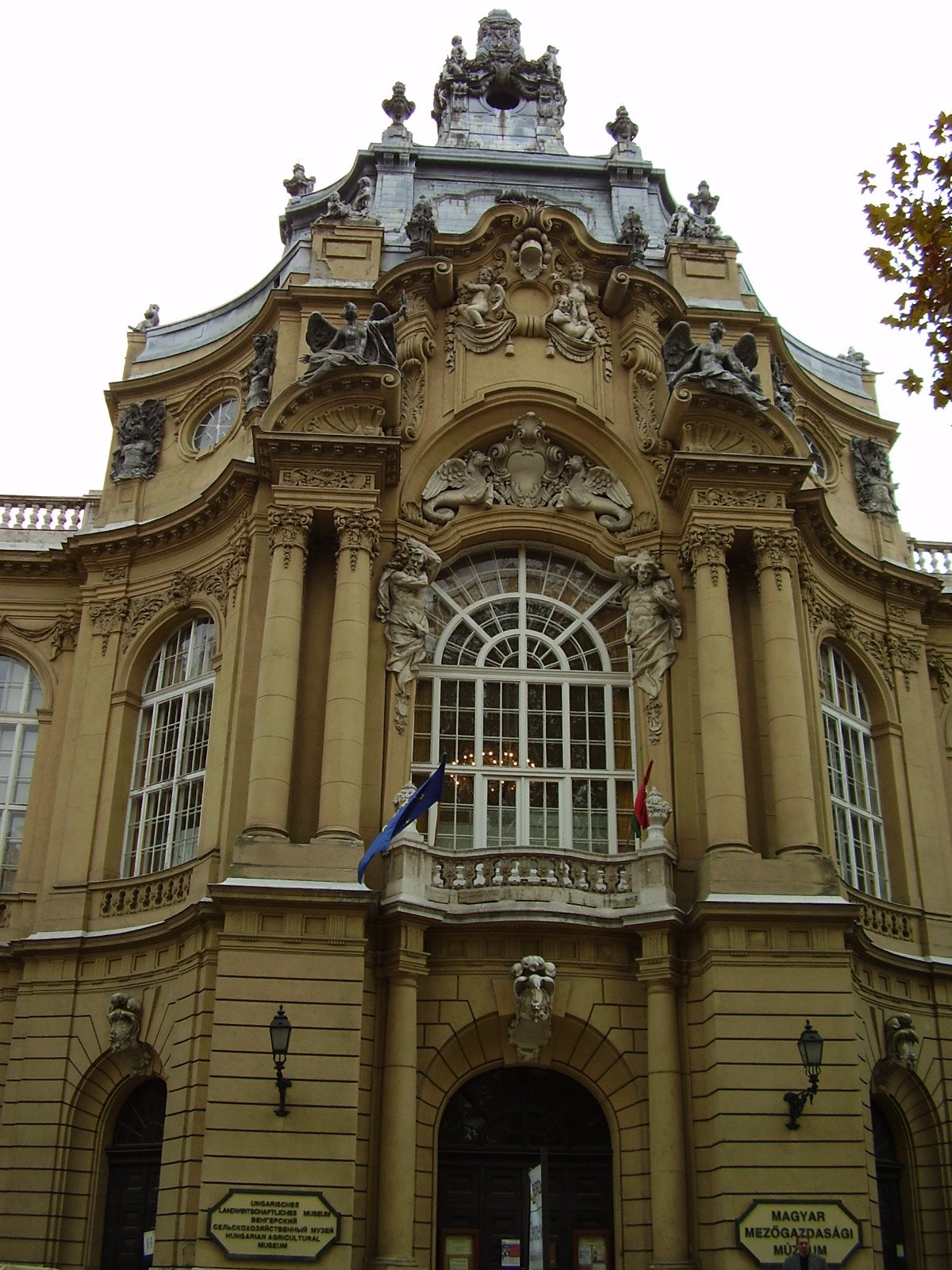
Vajdahunyad Castle is an architectural tapestry, combining Romanesque, Gothic, Renaissance, and Baroque elements. Each section represents a milestone in Hungary’s architectural history, with the Gothic wing modeled after the famed Hunyad Castle (Corvin Castle) in Transylvania. The Baroque palace wing, now the museum’s main entrance, reflects the grandeur of the Austro-Hungarian Empire, while the Romanesque and Renaissance sections evoke earlier eras of statehood (Gems of Budapest).
As a symbol of national pride and identity, Vajdahunyad Castle was designed to inspire and educate, making it a “fairy-tale” castle and a beloved cultural landmark in Budapest (Vajdahunyad Castle History).
The Museum of Hungarian Agriculture: Collections and Educational Role
Since 1897, Vajdahunyad Castle has housed the Museum of Hungarian Agriculture (Vajdahunyad Castle History; Lonely Planet). The museum’s mission is to preserve, research, and present Hungary’s agricultural traditions from prehistoric times to the modern era, offering a comprehensive look at the country’s rural past and present (ruralhistory.eu; ligetbudapest.hu).
Collections and Exhibition Highlights
- Historic Farming Tools and Machinery Displays range from ancient wooden ploughs to modern tractors, illustrating technological progress.
- Animal Husbandry Exhibits feature native breeds like Hungarian Grey Cattle and Mangalica pigs.
- Forestry, Hunting, and Fishing Includes trophy collections, antlers, and historic hunting gear.
- Viticulture and Winemaking Explore Hungary’s celebrated wine traditions.
- Rural Life and Folk Traditions Ethnographic displays recreate village life, costumes, and household items.
- Library A specialist agricultural library with nearly 500,000 volumes, supporting research and scholarship.
The museum regularly hosts educational programs, workshops, and temporary exhibitions, catering to visitors of all ages and interests (ruralhistory.eu).
Visiting Hours and Ticket Information
Opening Hours
- Museum Tuesday–Sunday, 10:00 AM – 5:00 PM (closed Mondays).
- Special Days Hours may change during national holidays or special events; always check the official website for updates.
Ticket Prices
- General Admission Approx. 1,800 HUF
- Reduced Tickets Approx. 900 HUF (students, seniors)
- Free Entry On Hungarian national holidays (March 15, August 20, October 23), select weekends, and for children under 6, EEA citizens under 26, seniors over 70, teachers, and journalists with valid ID.
- Purchase Options Tickets available at the entrance or online (Museum official website).
Getting There: Transportation and Directions
- Metro M1 (Yellow Line), stop at Hősök tere (Heroes’ Square), followed by a short walk.
- Bus Line 30 from Deák Ferenc tér (stop: Hősök tere).
- Tram Tram Line 1 stops nearby, but metro and bus routes are more direct.
- Walking City Park signage leads directly to the castle.
- Parking Limited; public transport is recommended.
Practical Visitor Tips and Accessibility
- Accessibility The main exhibition areas are wheelchair accessible. Some historic sections and towers may have limited access. Contact the museum in advance for tailored assistance (ruralhistory.eu).
- Languages Exhibitions are in Hungarian and English.
- Facilities Restrooms, cloakrooms, baby-changing stations, and stroller access are available.
- Photography Allowed without flash or tripods.
- Best Times to Visit Early mornings or late afternoons on weekdays are typically quieter. Spring and autumn offer the most pleasant park scenery.
Notable Features and Nearby Attractions
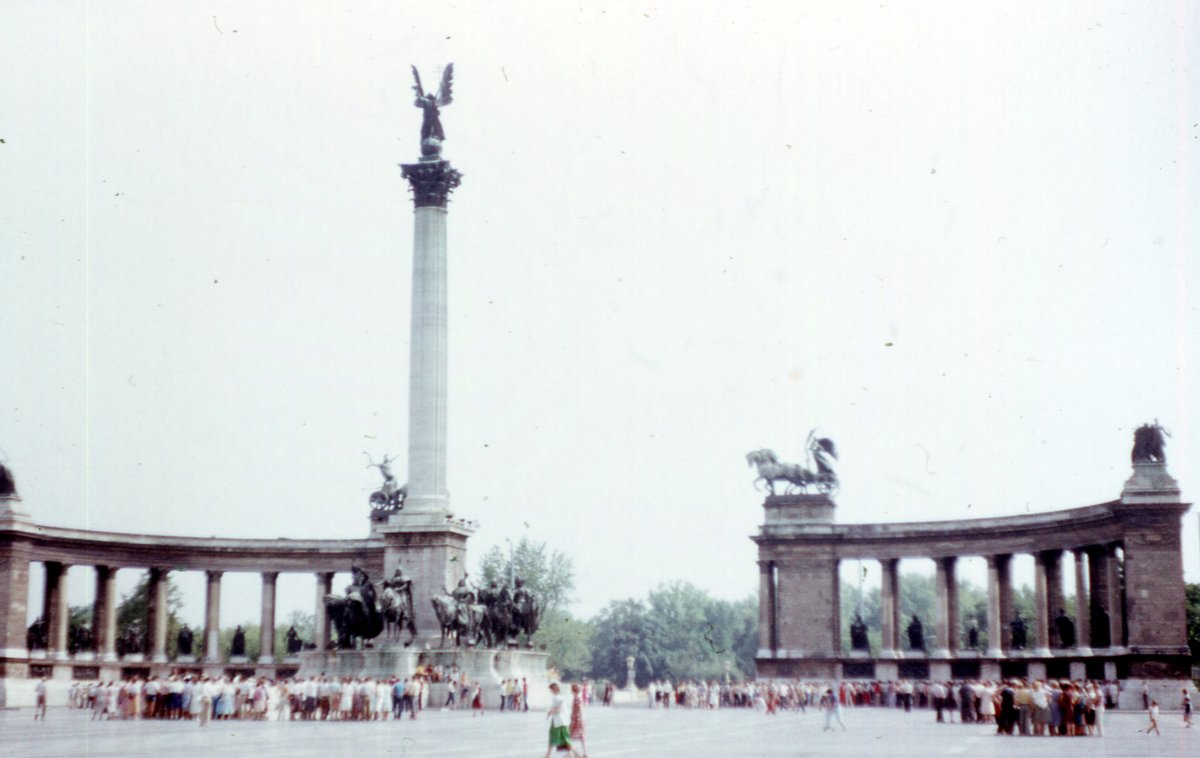
- City Park Highlights Adjacent to Heroes’ Square, Széchenyi Thermal Bath, Budapest Zoo & Botanical Garden, and the Museum of Fine Arts.
- Castle Towers The Gate Tower is open daily; the Apostles’ Tower is accessible via guided tours (Budapest by Locals).
- Events The castle hosts concerts, festivals, seasonal markets, and family-friendly programs throughout the year.
Frequently Asked Questions (FAQs)
Q: What are the Museum’s opening hours?
A: Tuesday to Sunday, 10:00 AM–5:00 PM. Closed on Mondays. Special hours on holidays—check the official website.
Q: How much are tickets?
A: General admission is about 1,800 HUF; reduced rates and free entry apply for eligible groups.
Q: Is the museum accessible for visitors with disabilities?
A: Main exhibition halls are accessible; some areas may have limitations.
Q: Are guided tours available?
A: Yes, in Hungarian and English. Book in advance for guided experiences.
Q: Can I take photos?
A: Yes, but without flash or tripods.