The Artist: Pál Molnár-C.
Pál Molnár-C. was a pivotal figure in 20th-century Hungarian art, celebrated for his versatility across painting, wood engraving, illustration, and book design. Born in Battonya, Hungary, he began his studies at the Hungarian Academy of Fine Arts in 1915, later expanding his artistic education in Geneva and Paris (Kieselbach Gallery). His career flourished through his involvement with the Hungarian artists’ association Képzőművészek Új Társasága (KUT) and his scholarship at Rome’s Collegium Hungaricum, making him a central figure among the so-called “Rome School” of Hungarian artists.
Molnár-C.’s oeuvre encompasses landscapes, cityscapes, religious compositions, portraits, and illustrations. He was also an accomplished wood engraver and contributed altarpieces for Hungarian churches, authored art textbooks, and left behind a posthumous autobiography.
The Studio and Museum: History and Experience
Located at Ménesi utca 65, the museum occupies the artist’s residence and creative workspace from 1931 to 1981 (MCP Museum Official Site). Founded in 1984 by his daughter, Dr. Éva Csillag Pálné, it is Hungary’s oldest private family-owned museum. The two-story villa retains much of its original character: the ground floor was the living area, while the upper floor served as Molnár-C.’s studio. Personal artifacts, period furniture, and the preserved creative atmosphere allow visitors to experience the environment that inspired the artist’s work (We Love Budapest).
Visiting Hours, Tickets, and Accessibility
-
Opening Hours
- Tuesday–Sunday: 10:00 AM – 6:00 PM
- Closed: Mondays and national holidays
(Always check the official website or Programturizmus for event-related changes.)
-
Ticket Prices
- General Admission: 1,500 HUF (~€4)
- Students/Seniors: 1,000 HUF
- Children under 6/12: Free (age varies by event)
- Special events/workshops: Priced individually (e.g., workshops ~4,300 HUF plus materials)
-
Purchasing Tickets
- Buy tickets on-site or online via the official website. Wristbands for multiple museums are available during city-wide events.
-
Accessibility
- Due to its historic villa structure, wheelchair access is limited. Contact the museum in advance for assistance.
-
Getting There
- By Tram: Lines 47, 49 (Szent Gellért tér stop, short uphill walk)
- By Bus: Line 27 stops nearby
- By Metro: M4 (Szent Gellért tér)
- Parking: Limited street parking; public transport is recommended
Artistic Evolution and Collection Highlights
The museum’s collection spans Molnár-C.’s early Renaissance-influenced works, surrealist dreamscapes, religious paintings, cityscapes, and book illustrations (MCP Museum Official Site). Notable pieces include “Assisi” (1930), “View of Lake Balaton with Storks,” and religious scenes like “Mary with Baby Jesus” and “Dragon Killing St. George” (Kieselbach Gallery). His mastery of oil, tempera, wood engraving, and even experimental hot-wax painting is evident throughout the collection (We Love Budapest).
Exhibition Philosophy and Rotating Displays
The museum curates both permanent and rotating exhibitions, regularly refreshing displays to highlight different periods and themes from Molnár-C.’s career (MCP Museum Official Site; We Love Budapest). Personal items, studio tools, and memorabilia such as antique clocks and exotic souvenirs offer a window into the artist’s creative process.
Temporary exhibitions, including the annual “Álmok és víziók” (“Dreams and Visions”), are held in the Tavasz Terem, fostering contemporary dialogue with guest artists.
The Museum’s Role and Community Engagement
As a small, family-run institution, the museum contributes significantly to Budapest’s cultural landscape (WhichMuseum). It hosts special events, workshops, concerts, and folk singing circles such as the “Pántlika népdalkör,” welcoming community participation and fostering a sense of belonging.
Facilities and Visitor Experience
- Atmosphere The villa’s “flat museum” layout immerses visitors in an authentic home-studio setting.
- Amenities Restrooms are available; there is no café, but nearby options include Auguszt Pavilon Cukrászda and local Hungarian restaurants.
- Guided Tours Personalized tours are available, often led by family members. English support is available by arrangement.
- Workshops Programs like “Kisműhely” (Small Workshop) offer hands-on art activities for all ages.
- Accessibility Contact the museum before your visit for mobility accommodations; the historic setting includes steps and narrow doorways.
Nearby Attractions and Cultural Tips
- Gellért Hill & Citadella Panoramic city views and the Liberty Statue (Time Out Budapest).
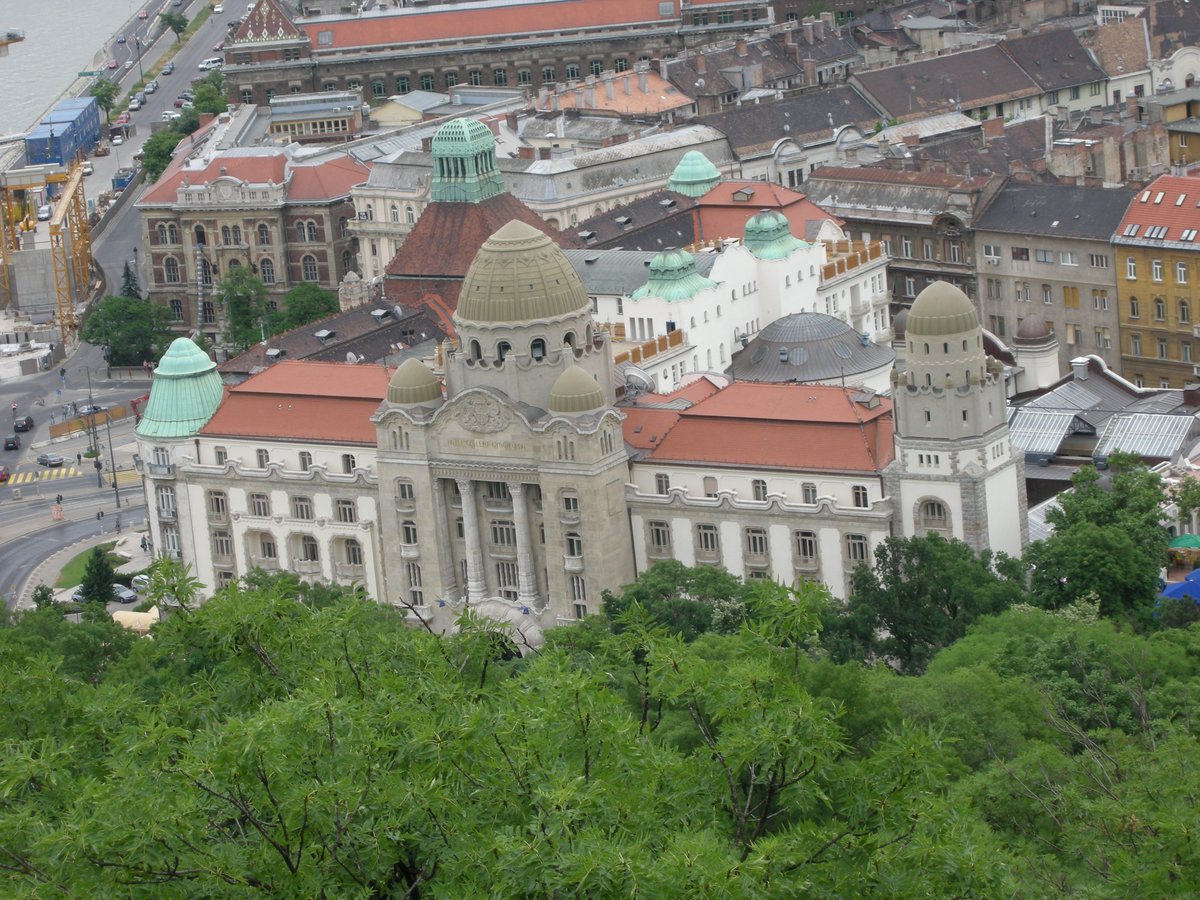
- Gellért Baths Renowned Art Nouveau thermal spa nearby.
- Buda Castle District Includes the Hungarian National Gallery, Budapest History Museum, Matthias Church, and Fisherman’s Bastion.
- Other Museums Victor Vasarely Museum, Budapest History Museum, and more.
- Dining Traditional Hungarian cuisine and cafés are plentiful in the area.
- Public Transport Tram lines 19/41 and Metro Line M4 connect to major sites.
Frequently Asked Questions (FAQ)
Q: What are the museum’s opening hours?
A: Tuesday through Sunday, 10:00 AM to 6:00 PM. Closed Mondays and public holidays.
Q: How can I buy tickets?
A: On-site or online via the official website; special wristbands available for cultural events.
Q: Is the museum wheelchair accessible?
A: Access is limited due to historic architecture; contact the museum for arrangements.
Q: Are guided tours available in English?
A: Yes, often by prior arrangement or during special events.
Q: Can I take photographs inside?
A: Photography without flash is permitted in most areas; check with staff before taking photos.
Q: Are there special events or workshops?
A: Yes, including art workshops, folk-blues concerts, and seasonal exhibitions.