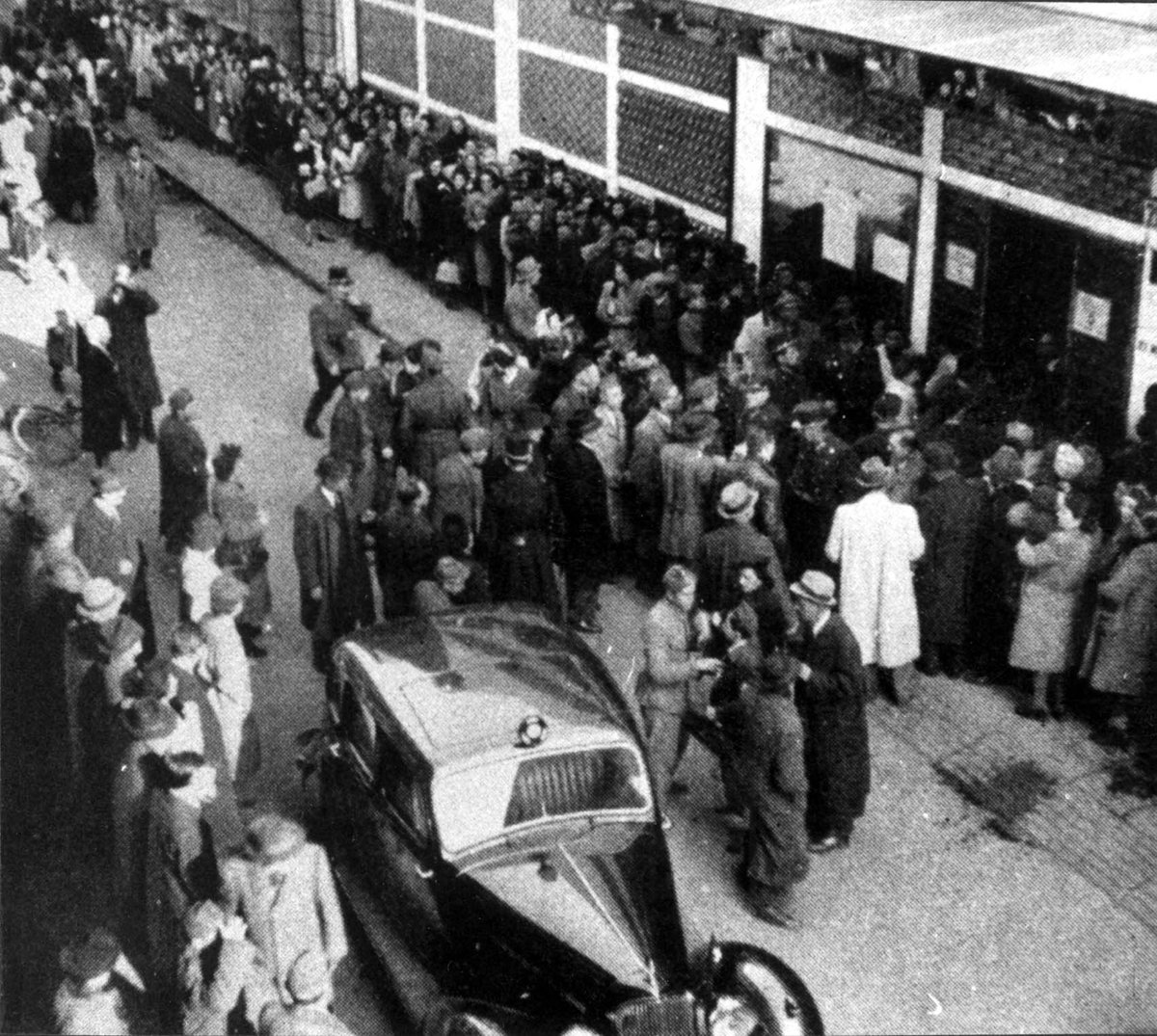
Historical Background
Rákóczi Tér’s origins trace back to its role as a critical industrial site in the 18th century, providing resources for the city’s revival. By the 19th century, it had grown into a bustling market area, known under several names that reflected its agricultural and trading activities. The construction of the Grand Boulevard (Nagykörút) and the naming of the square after Ferenc Rákóczi in 1874 marked its transformation into a civic and cultural hub.
Architectural and Cultural Highlights
Rákóczi Market Hall
The Rákóczi Market Hall (Rákóczi téri Vásárcsarnok), built in 1897, is a striking example of late 19th-century industrial architecture. Designed with a robust steel frame, large glass windows, and intricate brickwork, it remains a focal point for the community. After surviving fire damage in the late 20th century and subsequent restoration, the Market Hall thrives as a bustling center for fresh produce, Hungarian specialties, and artisanal goods. Admission is always free (Rákóczi Tér Budapest: Visiting Hours, Market Guide, and Nearby Attractions).
Market Hall Opening Hours:
- Monday–Saturday: 6:00 AM – 6:00 PM
- Sunday: Closed
András Jelky School of Applied Arts
At Rákóczi tér 4, the András Jelky School showcases Hungarian Art Nouveau, designed by Gyula Pártos and opened in 1910. Its spiral staircase, decorated with Zsolnay ceramics, is a highlight—especially accessible during the Budapest100 architecture festival (Exploring Rákóczi tér: Visiting Hours, Events, and Cultural Highlights in Budapest’s Historic Square).
Residential and Commercial Buildings
The square is surrounded by late 19th and early 20th-century buildings, with features like ornate stucco, wrought iron balconies, and modernized ground-floor businesses. This blend of old and new is emblematic of Józsefváros’s urban renewal.
Public Spaces and Community Life
Rákóczi Tér’s open layout, mature trees, and benches create a welcoming green oasis. The square hosts artisan markets, festivals, and community events that reinforce its role as a neighborhood gathering place. Evening lighting enhances safety and ambiance, making it a popular spot for leisurely strolls and socializing (Exploring Rákóczi tér: Visiting Hours, Events, and Cultural Highlights in Budapest’s Historic Square).
Visiting Hours, Tickets, and Accessibility
- Public Square Open 24/7; accessible year-round.
- Market Hall Monday–Saturday, 6:00 AM–6:00 PM; closed Sundays.
- Entry Free to both the square and the market hall.
Accessibility:
The area is wheelchair accessible, with ramps at the market hall and station. The M4 metro, trams (4 and 6), and numerous bus lines stop nearby, ensuring seamless connectivity (Rákóczi tér Budapest: Visiting Hours, Market Hall & Historical Highlights).
Events, Cafés, and Nightlife
Rákóczi Tér is a cultural hotspot, hosting regular artisan markets, jazz festivals, and pop-up events. Annual happenings like the RákócziSokk Festival and Jazzfest Budapest bring live music and local culture to the square. The area’s cafés and bakeries, including favorites like Vaj and Hintaló Iszoda, offer everything from buttery croissants to craft cocktails. In the evenings, the square’s bars and terraces fill with a diverse crowd, embodying Budapest’s lively, inclusive spirit (Exploring Rákóczi tér: Visiting Hours, Events, and Cultural Highlights in Budapest’s Historic Square).
Nearby Attractions & Practical Travel Tips
Nearby Sights:
- Hungarian National Museum
- Corvin Promenade
- Ruin pubs of the 7th District
Travel Tips:
- Visit weekday mornings for fewer crowds; weekends for events.
- Cash is preferred in the market; some stalls accept cards.
- English is commonly spoken, but a few Hungarian phrases are appreciated.
- Metro and tram tickets are available at machines and via the BudapestGO app.
- The area is safe but standard precautions are recommended.
Best Visiting Season:
June offers pleasant weather and vibrant market activity (Travelling Mandala; Budapest by Locals).
FAQs
Q: What are the opening hours of Rákóczi Market Hall?
A: Monday–Saturday, 6:00 AM–6:00 PM; closed Sundays.
Q: Is there an entrance fee?
A: No, entry to both the square and market hall is free.
Q: Is the area wheelchair accessible?
A: Yes, with ramps and elevators in key locations.
Q: What public transport serves Rákóczi Tér?
A: M4 metro, trams 4/6, and several bus lines.
Q: Are guided tours available?
A: Yes, especially during festivals or through local tour operators.
Q: Can I pay by card in the market?
A: Some vendors accept cards, but cash is still preferred.
Q: Are pets allowed?
A: Many outdoor events and venues are pet-friendly.
Discover More
Rákóczi Tér stands as a dynamic symbol of Budapest’s resilience and creativity. With its historic market hall, architectural gems, vibrant public space, and a calendar full of community events, the square offers a unique window into both the city’s past and its modern-day pulse. Easily accessible and free to visit, it’s an essential stop for anyone eager to experience authentic Budapest culture. Download the Audiala app for guided audio tours and real-time event updates, and follow our social channels for the latest on this and other Budapest cultural hotspots.