
Historical Background and Evolution
Origins and Urban Transformation
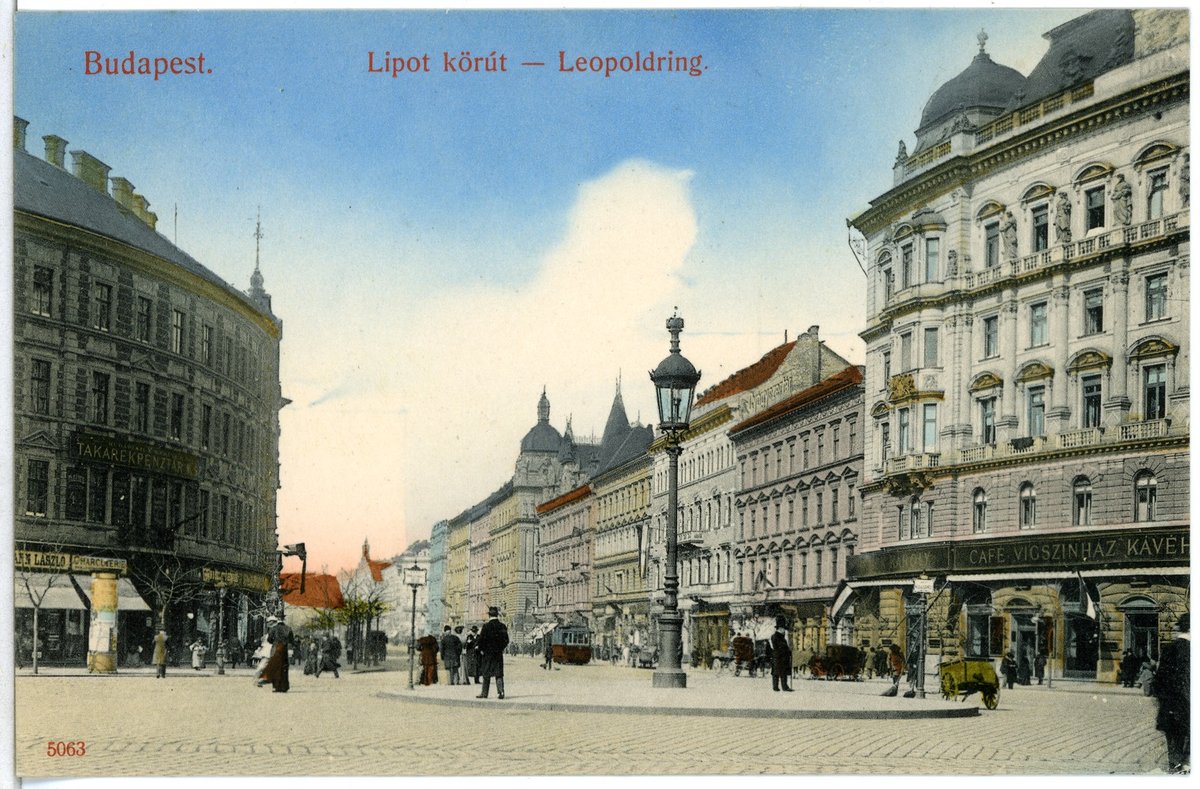
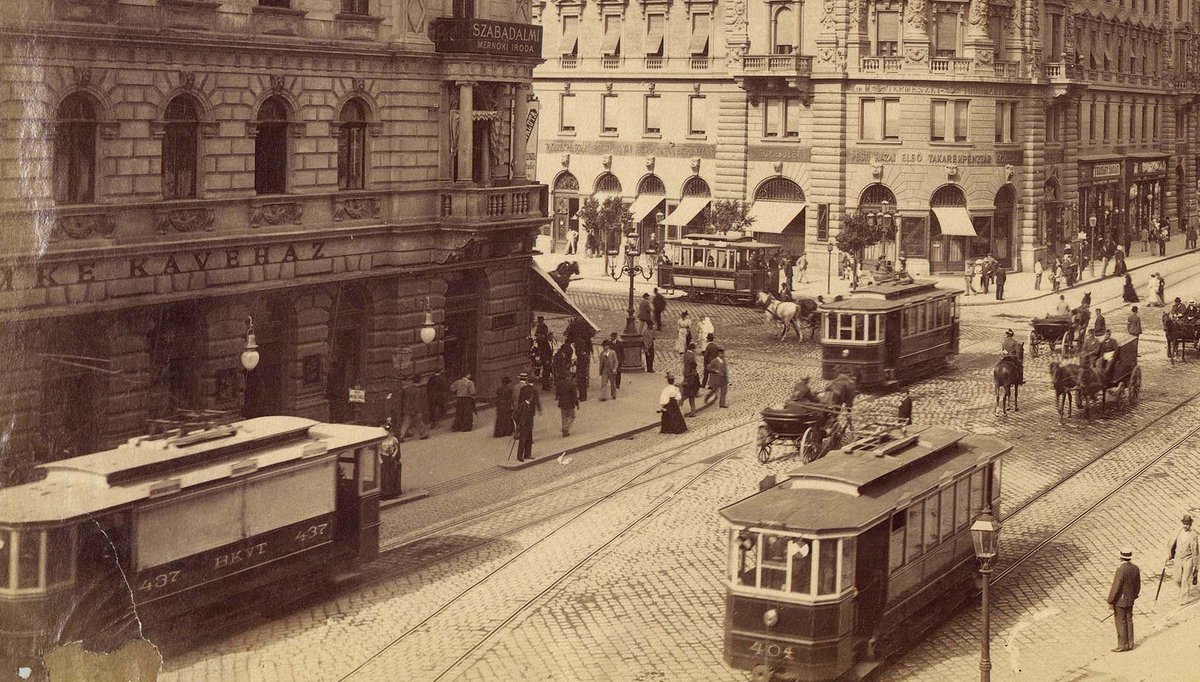
Blaha Lujza Tér’s story begins in the Middle Ages, when the area was characterized by marshes and waterways, with a branch of the Danube flowing nearby. The transformation began in the 19th century, as Budapest expanded and the land was filled in to accommodate the construction of the Nagykörút and Rákóczi út—two of the city’s principal thoroughfares. This urbanization set the stage for the square’s emergence as a central meeting point and transport interchange (pestbuda.hu).
The Name and Its Significance
In 1920, the square was renamed to honor Lujza Blaha, the "Nightingale of the Nation," whose performances at the nearby National Theatre left a lasting cultural legacy. The decision reflected a post-World War I trend to cement Hungarian identity by commemorating national icons (hu.wikipedia.org).
Architectural Landmarks and Cultural Sites
National Theatre (Nemzeti Színház)
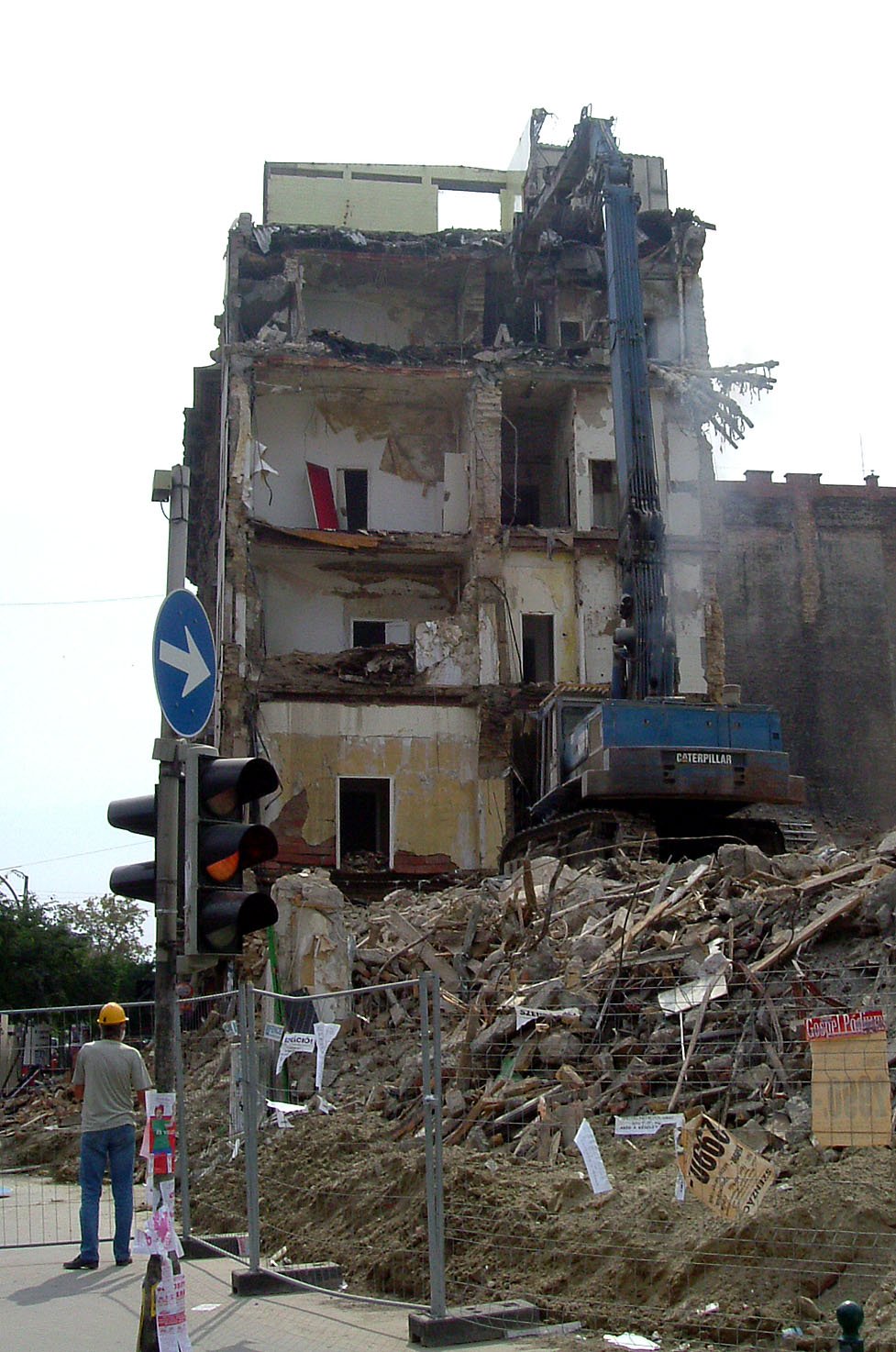
Originally the Népszínház (People’s Theatre), this landmark stood on the square from 1875 until its controversial demolition in 1965, a casualty of metro construction. While the building is gone, its cultural significance lives on through commemorative plaques and historical displays in the area (pestbuda.hu).
Corvin Áruház (Corvin Department Store)
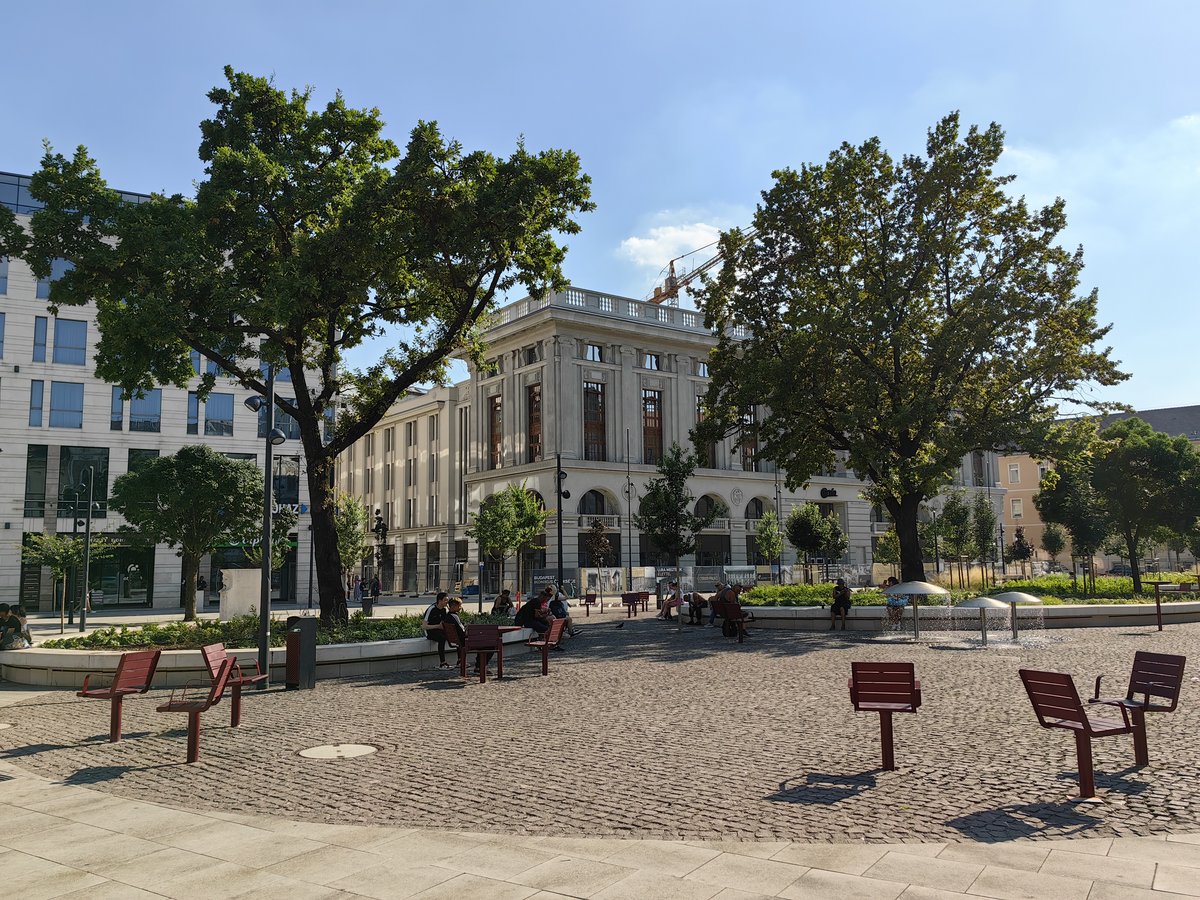
A striking Art Deco edifice built in 1926, the Corvin Áruház is an emblem of Budapest’s retail and architectural history. Having survived war and revolution, it has recently been restored, with further renovations ongoing. The upcoming Time Out Market Budapest will soon open here, adding a culinary and cultural dimension to the landmark (welovebudapest.com).
Sajtóház (Press House) and Europeum
After World War II, the Sajtóház became a headquarters for Hungarian journalism. It has since been replaced by the modern Europeum complex—now housing shops, a hotel, and offices—showcasing the square’s continuous reinvention (hu.wikipedia.org).
Urban Atmosphere and Modern Developments
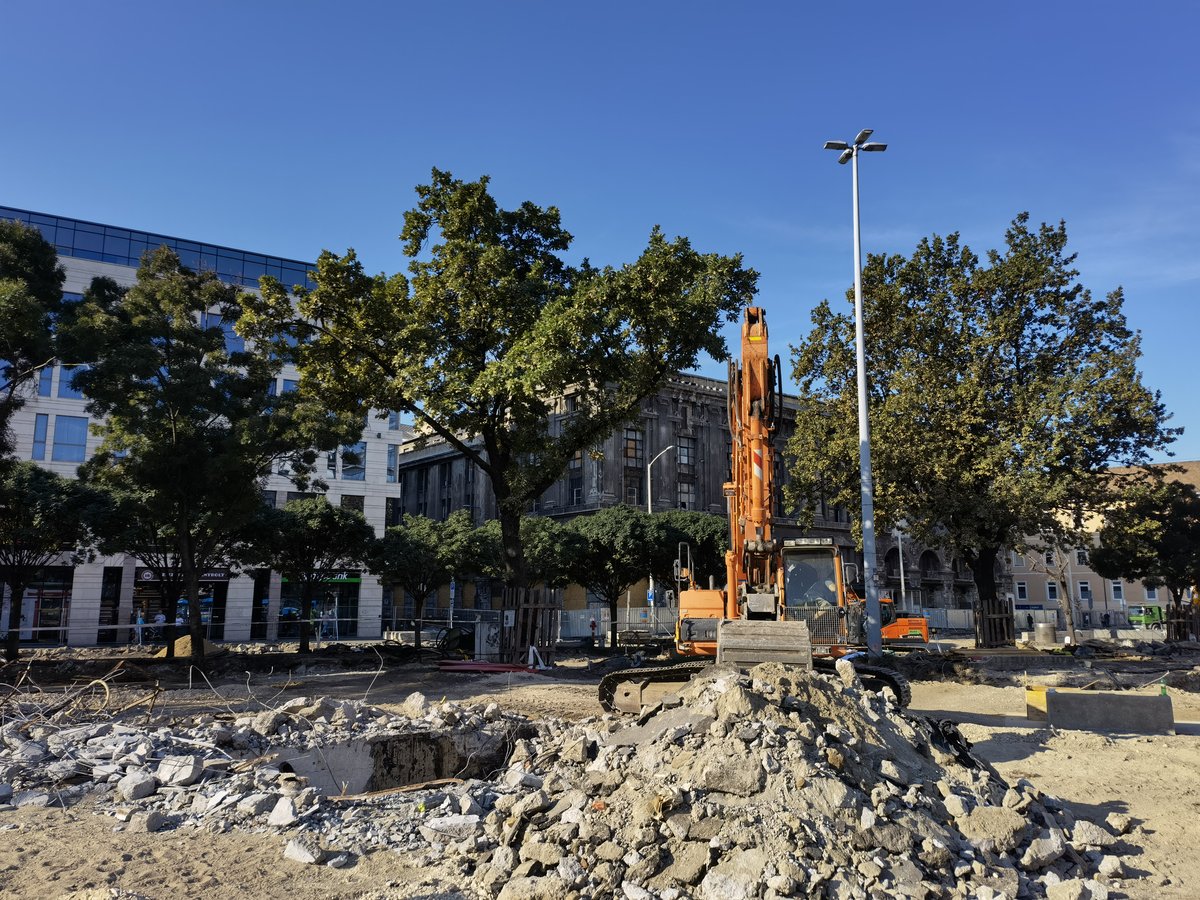
Blaha Lujza Tér is a living crossroads, with constant activity reflecting Budapest’s energy. Recent urban renewal projects, including the extensive renovation of Corvin Palace and the square’s public spaces, have enhanced greenery, accessibility, and sustainability. The area is a favorite spot for people-watching, street performances, and casual gatherings, while the statue of Lujza Blaha serves as a cultural anchor and meeting point (welovebudapest.com, evendo.com).
Transportation and Accessibility
Public Transport
- Metro Served by Metro Line M2 (Red Line), providing direct underground access to key destinations such as Keleti Railway Station and Deák Ferenc tér.
- Trams Lines 4 and 6 run 24/7 along the Grand Boulevard, connecting Buda and Pest.
- Buses Multiple bus routes ensure convenient access from all neighborhoods.
- Bike Sharing MOL Bubi stations are available for easy bicycle rentals.
Accessibility
Blaha Lujza Tér is equipped with elevators and ramps at metro stations and major venues, making it friendly for visitors with disabilities. Crosswalks, tactile paving, and barrier-free restrooms further enhance accessibility.
Practical Visitor Information
Visiting Hours and Tickets
- Square Access Blaha Lujza Tér is open to the public 24/7, with no entrance fee.
- Transport Metro, tram, and bus services operate from approximately 4:30 AM to midnight. Tickets are available at stations, vending machines, and via official apps.
- Attractions Cultural venues like the New York Café (7:00–22:00) and Erkel Theatre have their own opening hours and ticketing policies.
- Guided Tours Several companies offer walking tours starting from or including Blaha Lujza Tér; booking online in advance is recommended.
Amenities
- Public Toilets Accessible restrooms are available.
- Luggage Storage Services such as Nannybag operate with local partners nearby.
- Customer Service BKK (Budapest Public Transport) has a customer service point in the underpass.
- Wi-Fi Available in nearby cafés and hotels.
Dining, Shopping, and Local Life
- Corvin Palace and Time Out Market Budapest The soon-to-open market will feature 14 kitchens, multiple bars, and a rooftop terrace, showcasing leading Budapest chefs and local cuisine.
- New York Café An architecturally spectacular café, ideal for coffee and pastries.
- Street Food and Bakeries Numerous options for quick, authentic Hungarian snacks and international flavors.
- Shops The renovated Corvin Palace, Europeum, and surrounding streets offer both boutique and high-street shopping.
The area’s lively urban fabric is enriched by students, commuters, artists, and tourists—making people-watching and street photography especially rewarding.
Nearby Attractions
- New York Palace and Café Famous for its opulent interiors.
- Erkel Theatre Major venue for opera and ballet.
- Uránia National Film Theatre A restored cinema showing Hungarian and international films.
- Jewish Quarter Known for its ruin pubs, synagogues, and vibrant nightlife.
- Palace District Features aristocratic mansions, parks, and the Hungarian National Museum.
Frequently Asked Questions (FAQ)
Q: What are the visiting hours of Blaha Lujza Tér?
A: The square is open 24/7; nearby venues have individual operating hours.
Q: Is there an entrance fee?
A: No, the square itself is free to access.
Q: Are guided tours available?
A: Yes, many walking tours include or start at Blaha Lujza Tér.
Q: How do I access Blaha Lujza Tér from Budapest Airport?
A: Take Bus 100E to Deák Ferenc tér, then transfer to Metro Line M2 to reach Blaha Lujza Tér.
Q: Is the area accessible for people with disabilities?
A: Yes, with elevators, ramps, and barrier-free facilities.