
Origins and Early Development
Originally a clay pit serving Budapest’s rapid urban expansion in the late 19th and early 20th centuries, Széll Kálmán tér was transformed into a public square in the 1920s as the city recognized the need for efficient transport and public spaces (Közel és Távol). In 1929, it was named after Kálmán Széll, reflecting Hungary’s aspirations for modernization (Wikipedia).
Széll Kálmán tér as a Transport Nexus
Strategically located at the intersection of Budapest’s I., II., and XII. districts, the square quickly became a key transportation hub. By the late 1930s and early 1940s, tram lines, bus terminals, and pedestrian infrastructure established Széll Kálmán tér as a central interchange, a role it continues to hold today (Közel és Távol). Even after wartime damage, the square was restored and expanded to accommodate growing commuter flows.
The Socialist Era and Renaming
In 1951, during the socialist period, Széll Kálmán tér was renamed Moszkva tér (“Moscow Square”) to reflect new political influences (Wikipedia). The 1972 opening of Metro Line M2 (Red) brought a new architectural identity, with a fan-shaped metro entrance and the iconic public clock. The square became a social focal point, known as much for its informal labor markets as for its role in everyday urban life (Közel és Távol).
Modernization and Restoration
Return to Original Name and Major Redevelopment
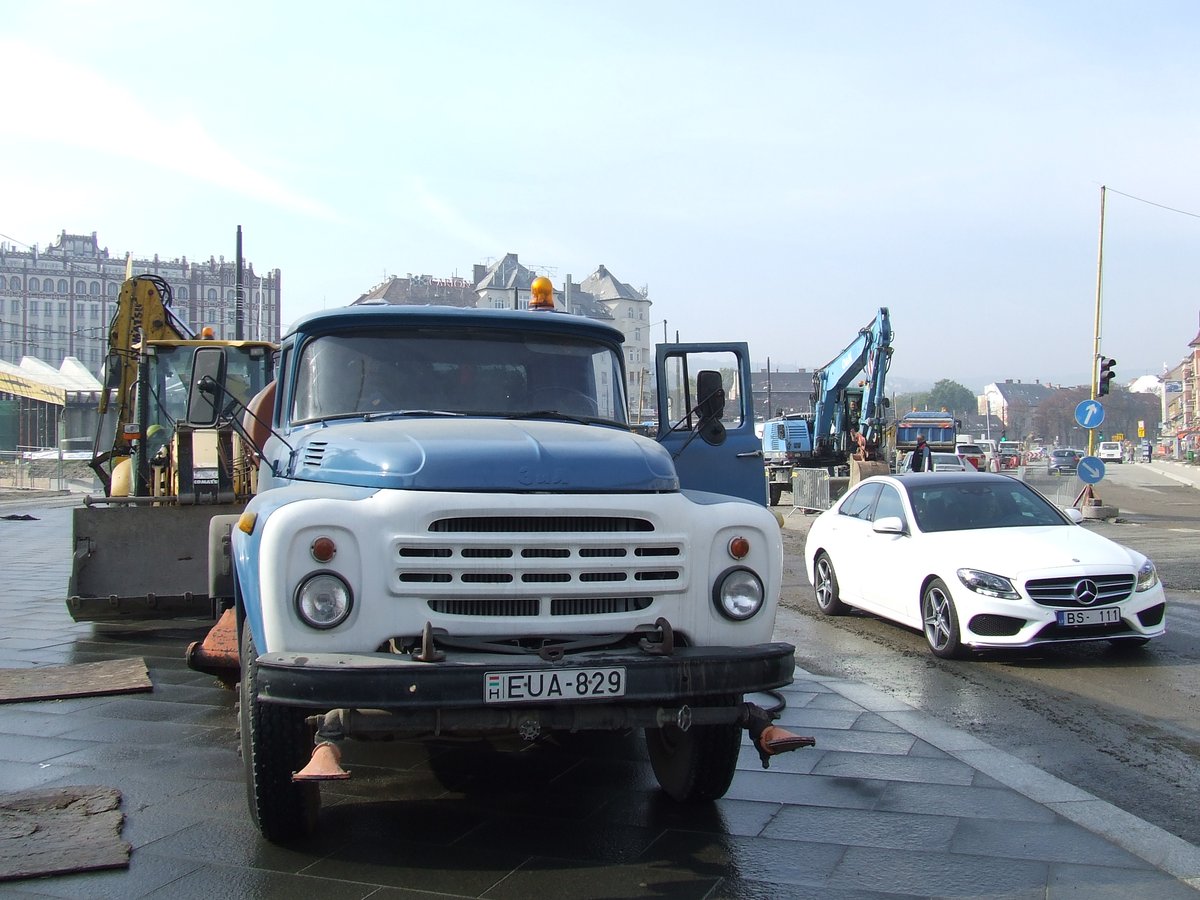
After 2011, the square regained its original name—Széll Kálmán tér—signaling a reconnection with its historical roots. A comprehensive modernization (2015–2016) included:
- Redesigned pedestrian zones for accessibility
- Expanded green spaces and urban furniture
- Modernized transit platforms and real-time information systems
- Preservation and relocation of heritage elements, such as the public clock (Építészfórum, Közel és Távol)
Recent updates, like the 2021 pedestrian underpass and improved connections to the Hungarian Money Museum, further enhance the square’s accessibility and integration with surrounding neighborhoods (PestBuda).
Architectural Highlights
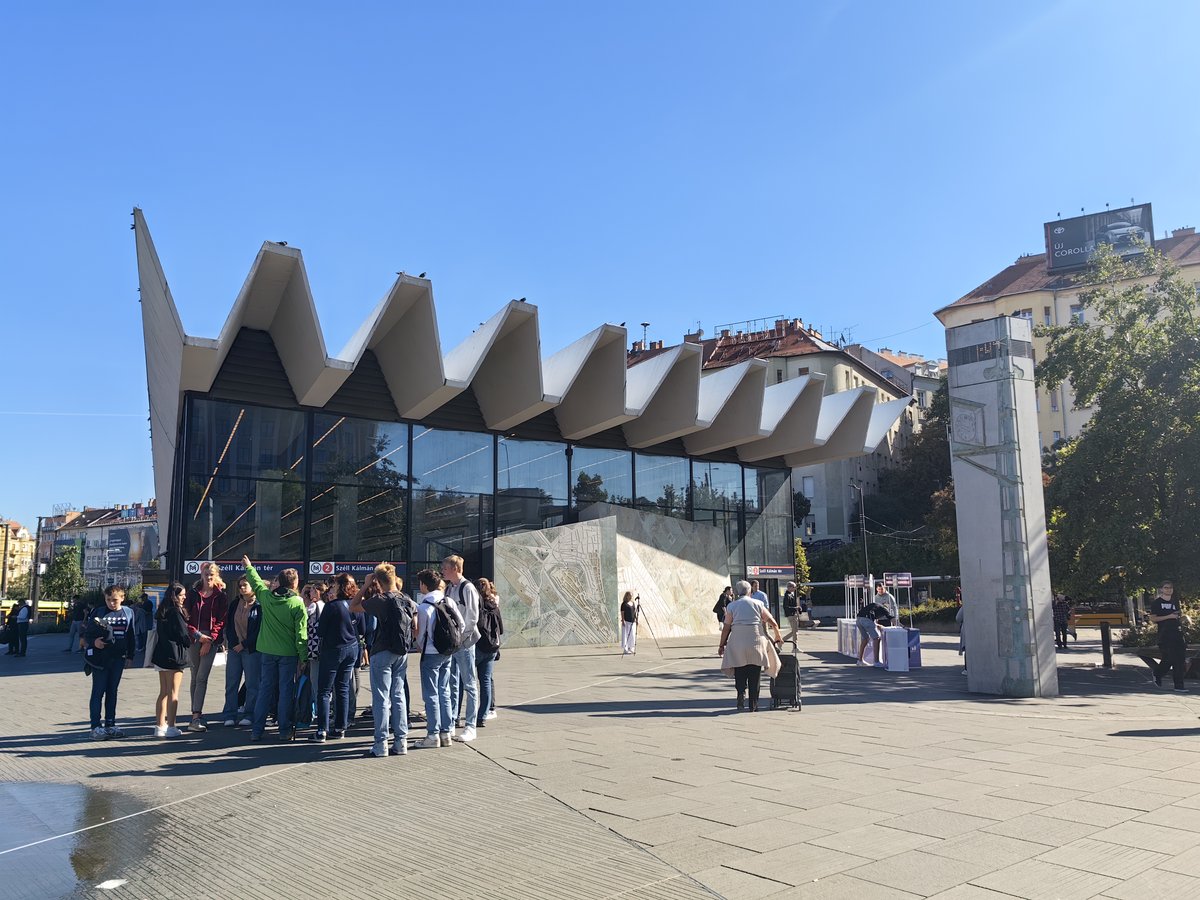
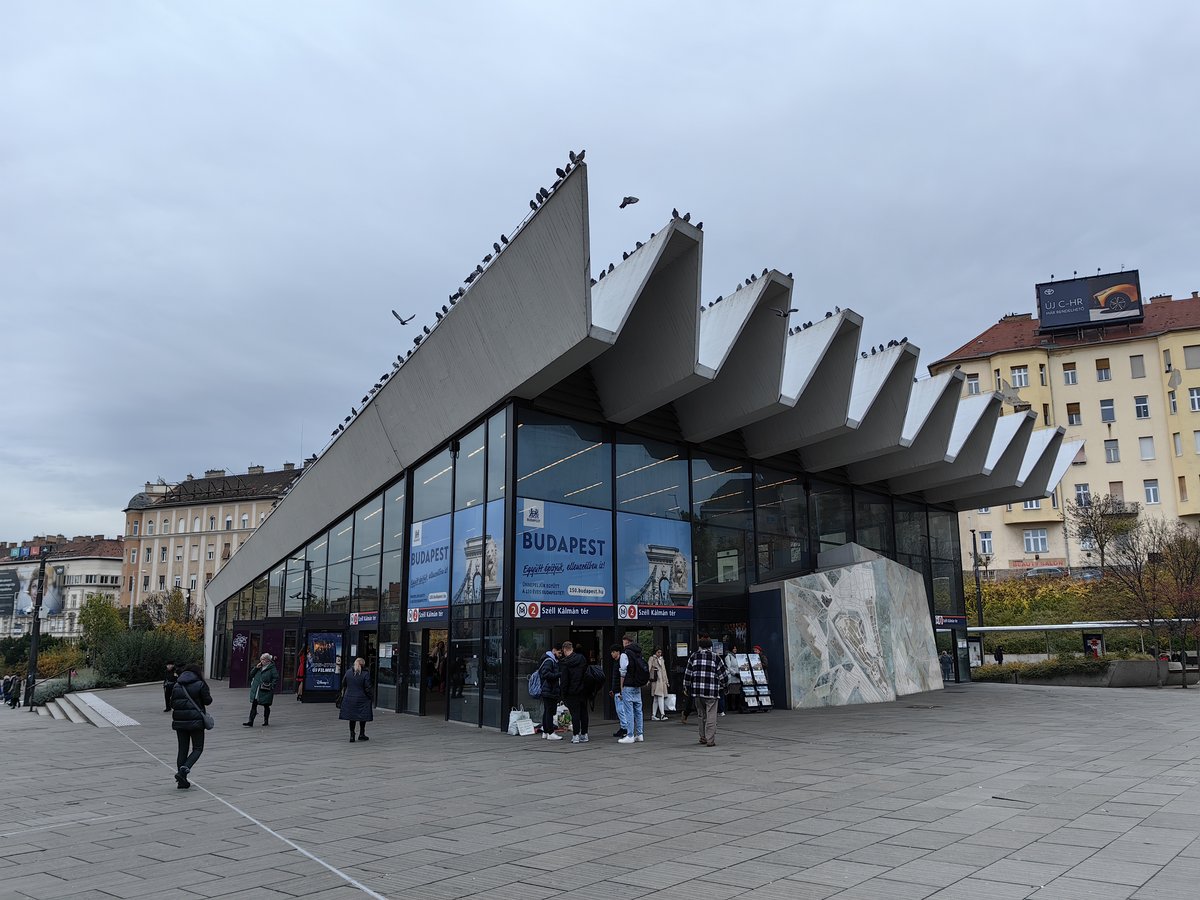
Metro Pavilion and “Wavy Roof” (Hullámos Tető)
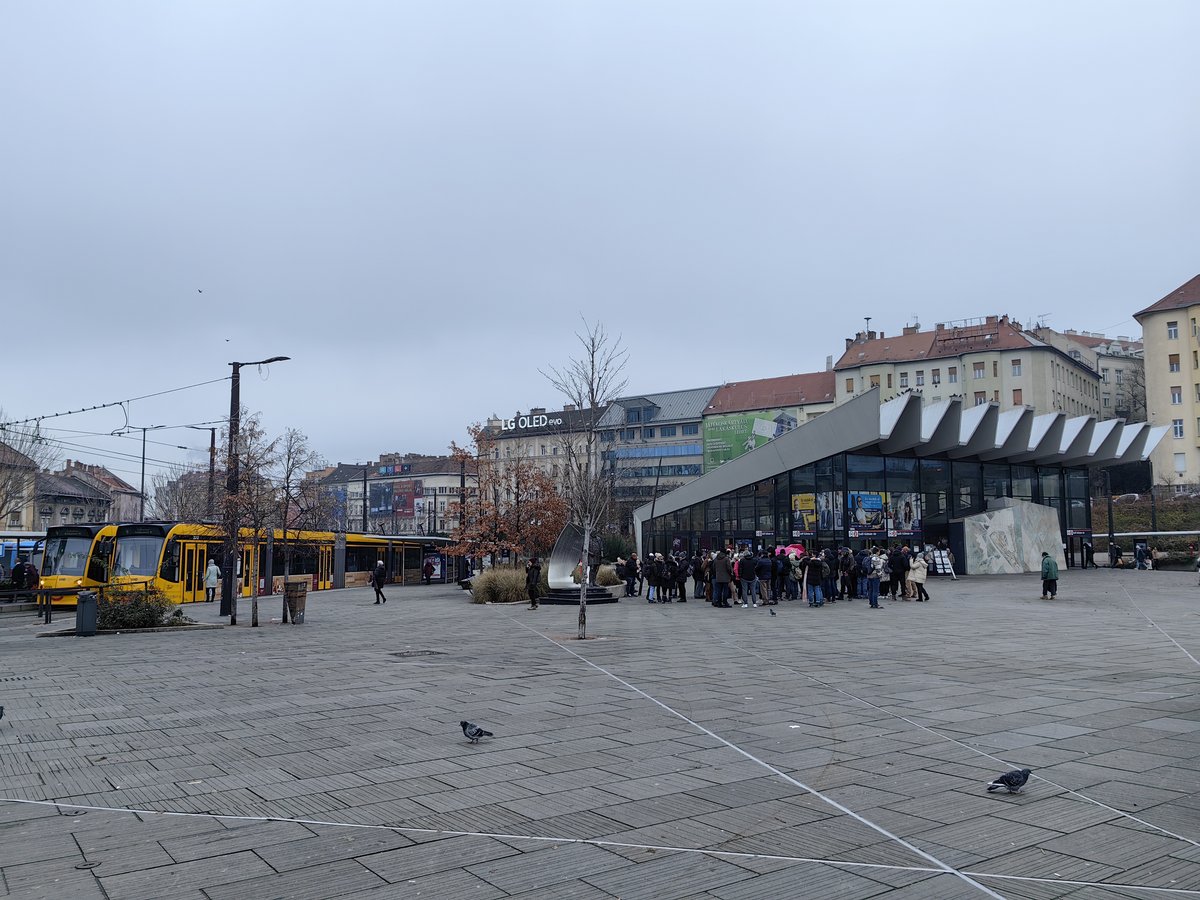
The metro entrance, topped by a striking steel-and-glass wavy roof, is a symbol of movement and transparency, blending architectural innovation with practical shelter (Építészfórum).
Postapalota (Postal Palace)
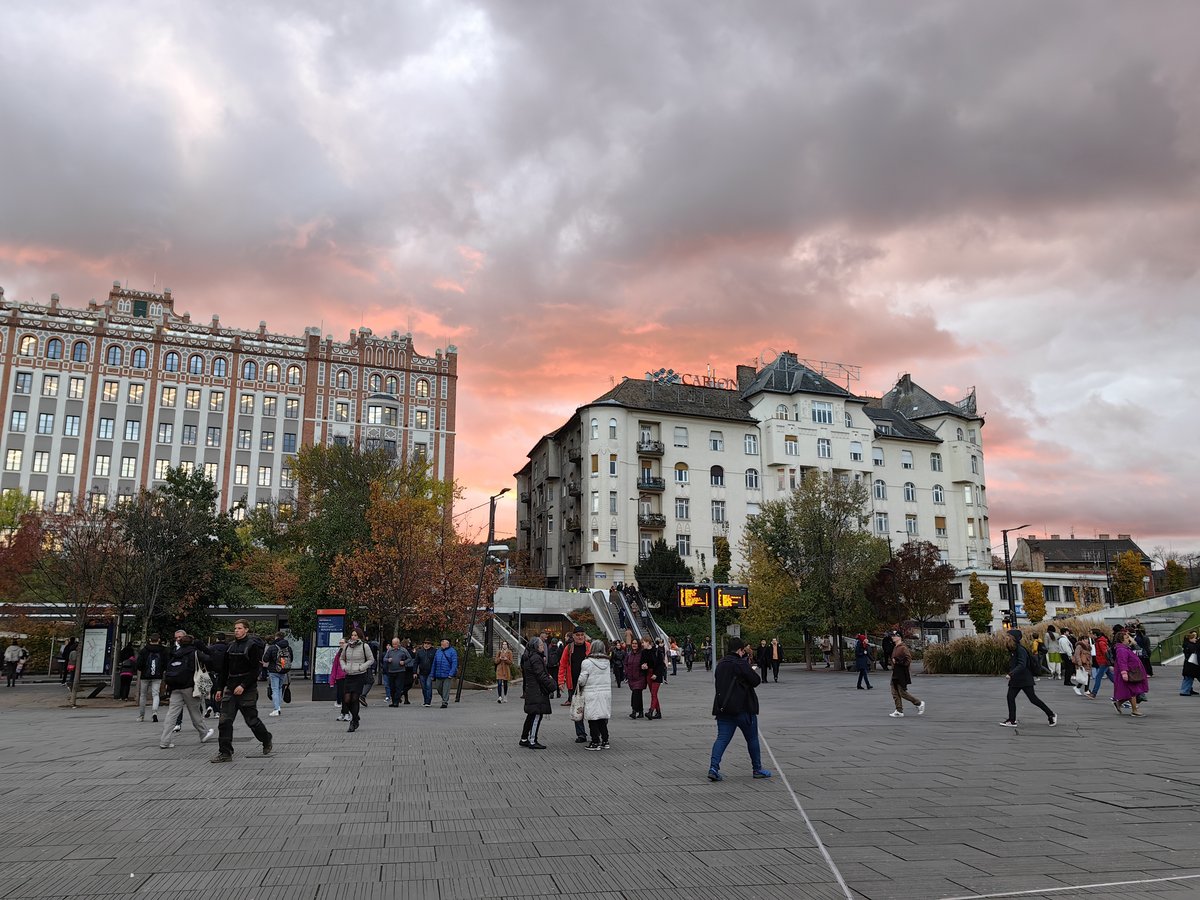
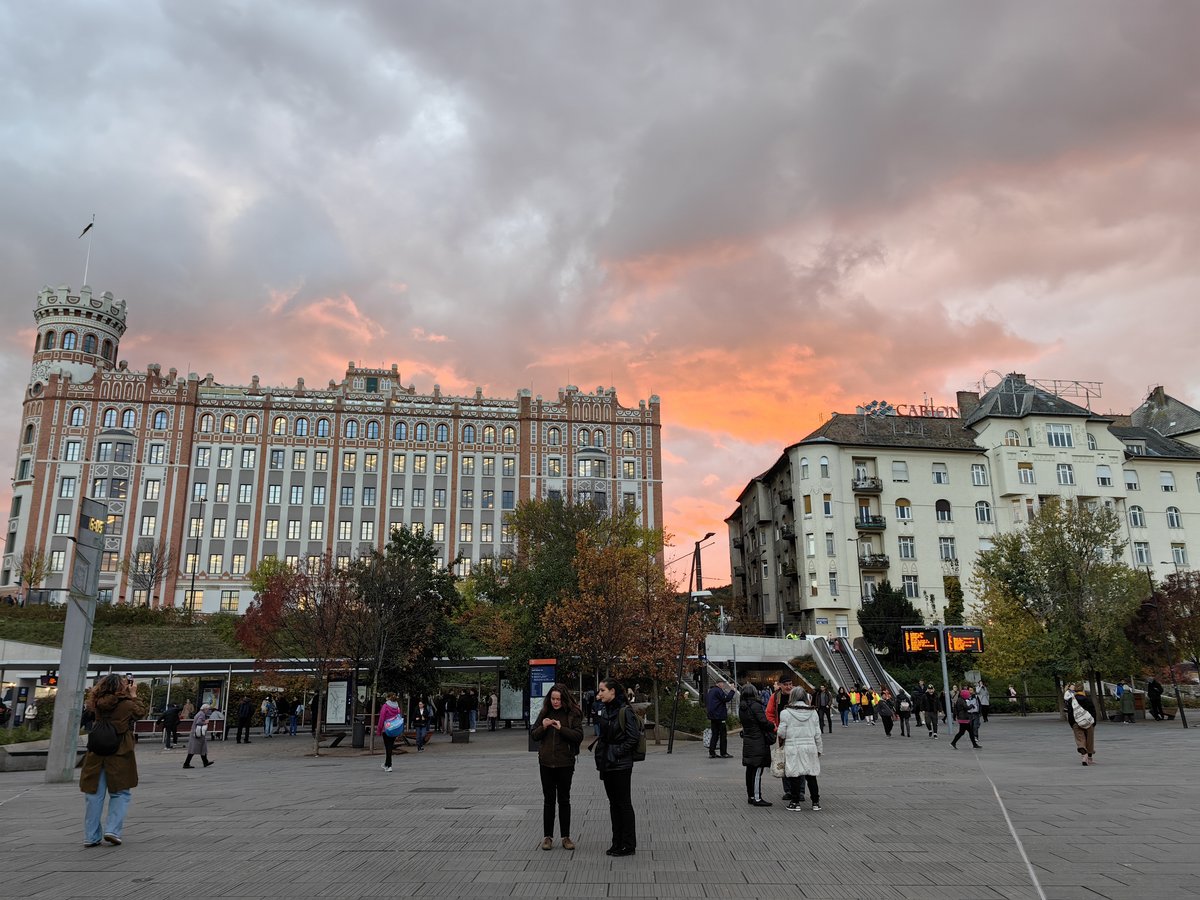
This early 20th-century red-and-white building, designed by Gyula Sándy, stands as a bastion above the square and has recently been restored to its former grandeur (hely.hu).
Green Infrastructure
Renovations increased green space by 30%, adding trees, rain gardens, and native shrubs for ecological balance and urban comfort (ArchDaily).
Public Art and Water Features
Installations like Mihály Kolodko’s “Mekk Elek” mini-sculpture, poetry stops, and interactive fountains animate the square, providing cultural and sensory enrichment (Közel és Távol).
Practical Visitor Information
Visiting Hours
Széll Kálmán tér is open 24/7. Shops, cafes, and nearby museums operate on their own schedules, generally between 7:00 AM and 10:00 PM.
Ticketing
The square itself is free to enter. Public transport tickets are required for metro, tram, and bus services, and can be purchased at vending machines, ticket offices, news kiosks, or via the BudapestGO app (budapest-travel-tips.com).
- Single ticket: 500 HUF (approx. €1.2)
- 24-hour pass: €6.8; 72-hour pass: €14.2
- EU citizens 65+: Free public transport
Accessibility
Elevators, ramps, tactile paving, and escalators ensure barrier-free navigation for all visitors, including those with disabilities or strollers (webcam-travel.com).
Getting There
- Metro Line M2 (Red) Direct, frequent connections between Buda and Pest
- Trams 4 and 6 24/7 service, connecting major city districts
- Other trams 17, 56, 59, 61
- Buses Numerous local and night routes
- Regional Access Direct links from Déli pályaudvar railway station (evendo.com)
Amenities
- Shopping center with bakeries, cafés, restaurants, and essential services
- Public restrooms, drinking fountains, currency exchange options
- Security presence and surveillance for safety
Festivals and Events
Széll Kálmán tér hosts the annual “Tavaszi Széll – Modern Majális” spring festival—a lively event featuring live music, theater, family activities, art workshops, and DJ performances (Programturizmus). The square also regularly features pop-up markets, art fairs, and community gatherings that highlight Budapest’s vibrant urban culture.
Urban Layout and Infrastructure
The square’s triangular “kettle” shape is defined by the convergence of transit lines, with a central pedestrian area, expanded green spaces, and modern commercial pavilions. The 2015–2016 renovation prioritized seamless transfers, open sightlines, and sustainable materials like granite paving, glass, and steel (ArchDaily, Építészfórum).
Bicycle parking, taxi stands, and real-time transit information displays support easy navigation and multimodal travel.
Nearby Attractions
- Buda Castle District Historic sites, Matthias Church, Fisherman’s Bastion
- Mammut Shopping Center Retail and dining
- Buda Hills Parks, hiking trails, Children’s Railway
- Margaret Island Leisure and recreation
Tips for Visitors
- Validate your transport ticket before boarding
- Use public transport apps for route planning and real-time updates
- Visit early mornings or late afternoons for a quieter experience
- Explore local cafés and bakeries for authentic Hungarian flavors (funzine.hu)
- Check festival schedules and local listings for special events
FAQ
Q: What are the visiting hours for Széll Kálmán tér?
A: The square is open 24/7.
Q: Is there an entry fee?
A: No, entry is free. Transport tickets are required for metro, tram, and bus.
Q: Is the area accessible?
A: Yes, the square has step-free access, tactile paving, and elevators.
Q: How do I get real-time transit updates?
A: Use the BudapestGO app or on-site displays.
Q: Are there guided tours or special events?
A: Heritage trams operate seasonally; festivals and markets are held throughout the year.
Visuals and Media
- Live webcam: Széll Kálmán tér webcam
- High-quality images: Metro entrance (“Széll Kálmán tér metro entrance Budapest”), heritage trams, nearby sites (Buda Castle, Fisherman’s Bastion)
- Interactive maps: Transit lines and attractions