
What Göncz Árpád Városközpont is
Göncz Árpád Városközpont is an urban centre in Budapest’s XIII district, at the intersection of Váci út and Róbert Károly körút. It brings together public transport, businesses, government buildings, residential complexes, culture, and green spaces. Its strategic location makes it a major interchange connecting central Budapest with the northern suburbs.
The area is named after Árpád Göncz, Hungary’s first post-communist president and first freely elected president. Its development is emblematic of Budapest’s post-communist transformation (Budapest Info).
History and significance
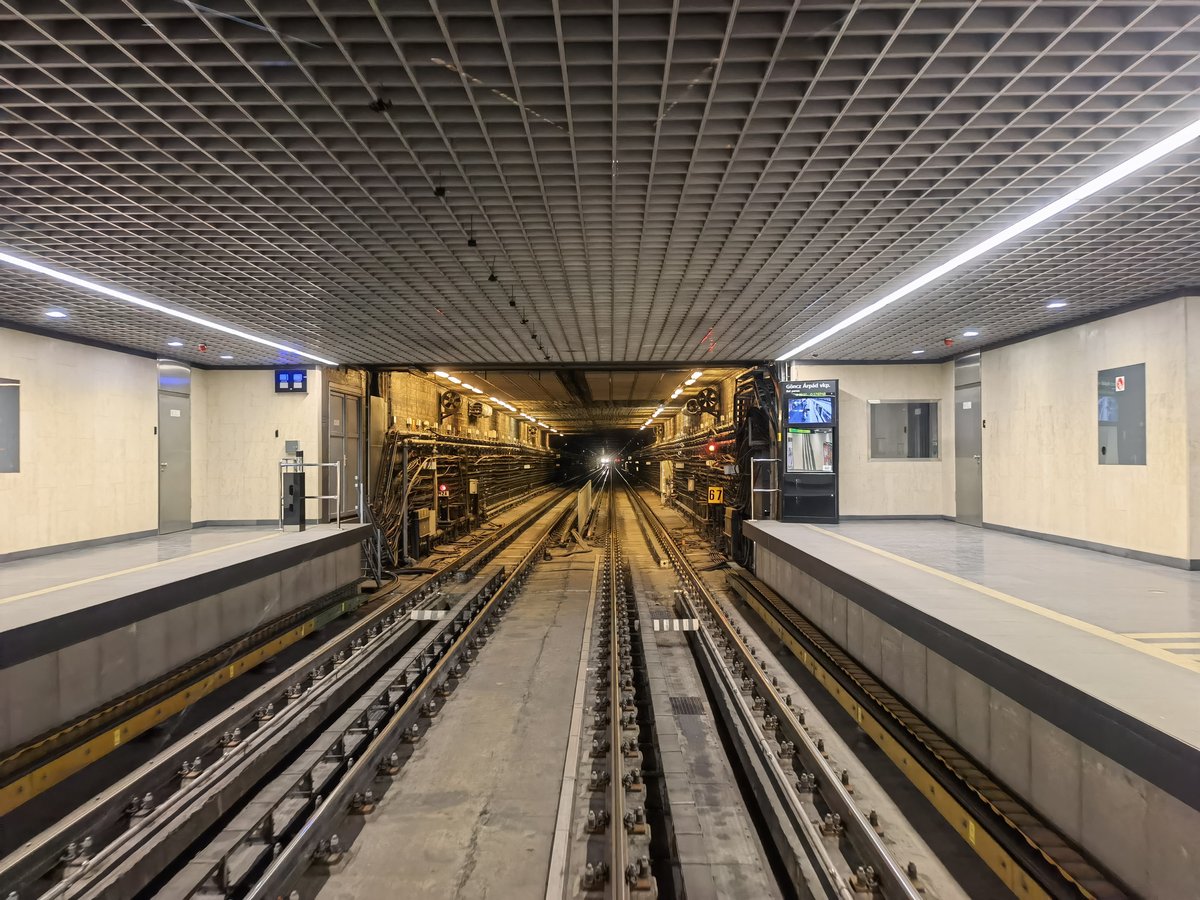
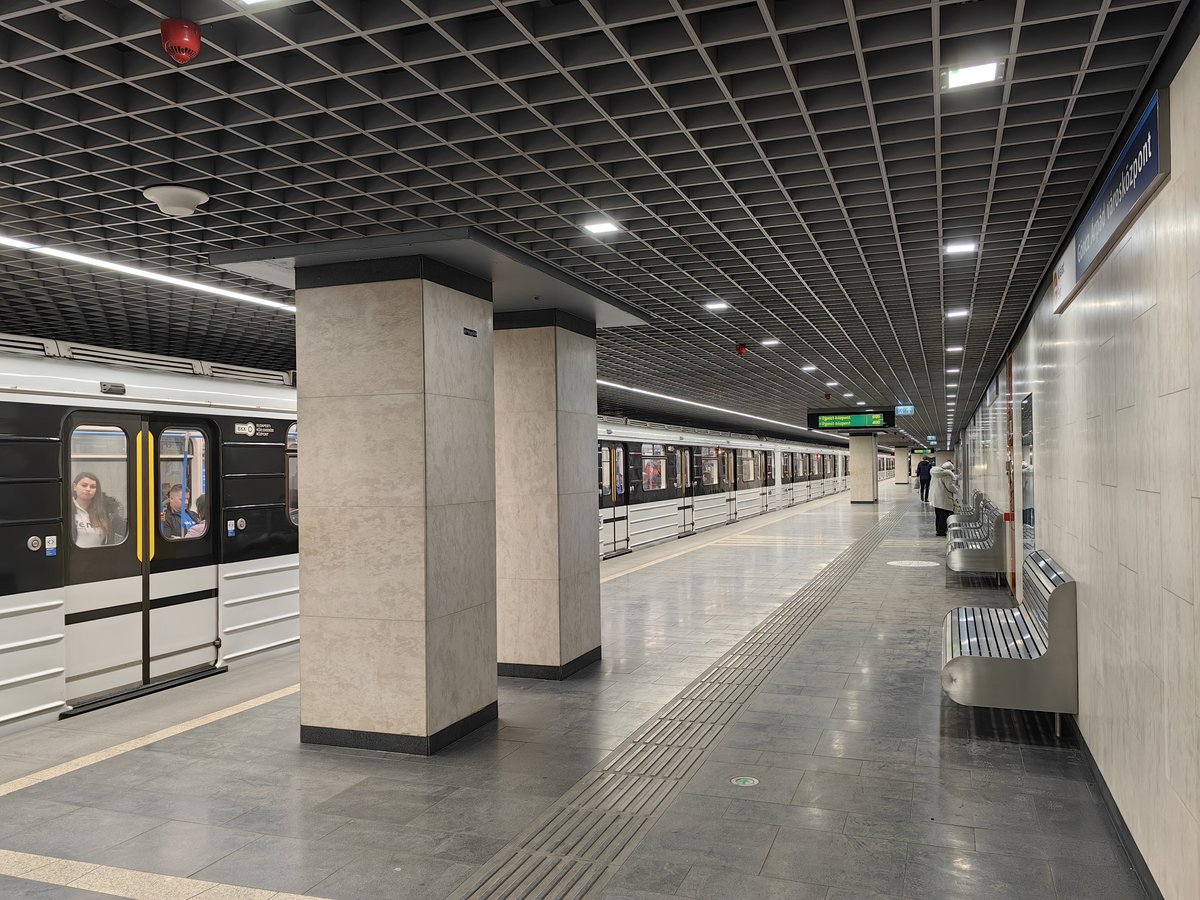
Árpád Bridge was completed in 1950, encouraging development in the area. Árpád híd metro station opened in 1984, and the area was renamed Göncz Árpád Városközpont in 2019 to commemorate Göncz’s legacy. A major metro-station renovation was completed in 2023, improving accessibility and services (ReviewEuro: Göncz Árpád Városközpont Visitor Guide, Hungary Today – Göncz Árpád Metro Station).
A statue by Erős Apolka and a commemorative stone in the adjacent park honour Göncz. The area’s changing name and built environment reflect its transition from industrial and residential uses into a hub for business, culture, and connectivity. It is also a focal point for civic life, cultural gatherings, and urban renewal.
What to see
Architecture and public art
- Árpád Bridge (Árpád híd) Budapest’s longest bridge connects Pest with Óbuda and offers panoramic Danube views. It is open 24/7 and free to cross (Budapest Info).
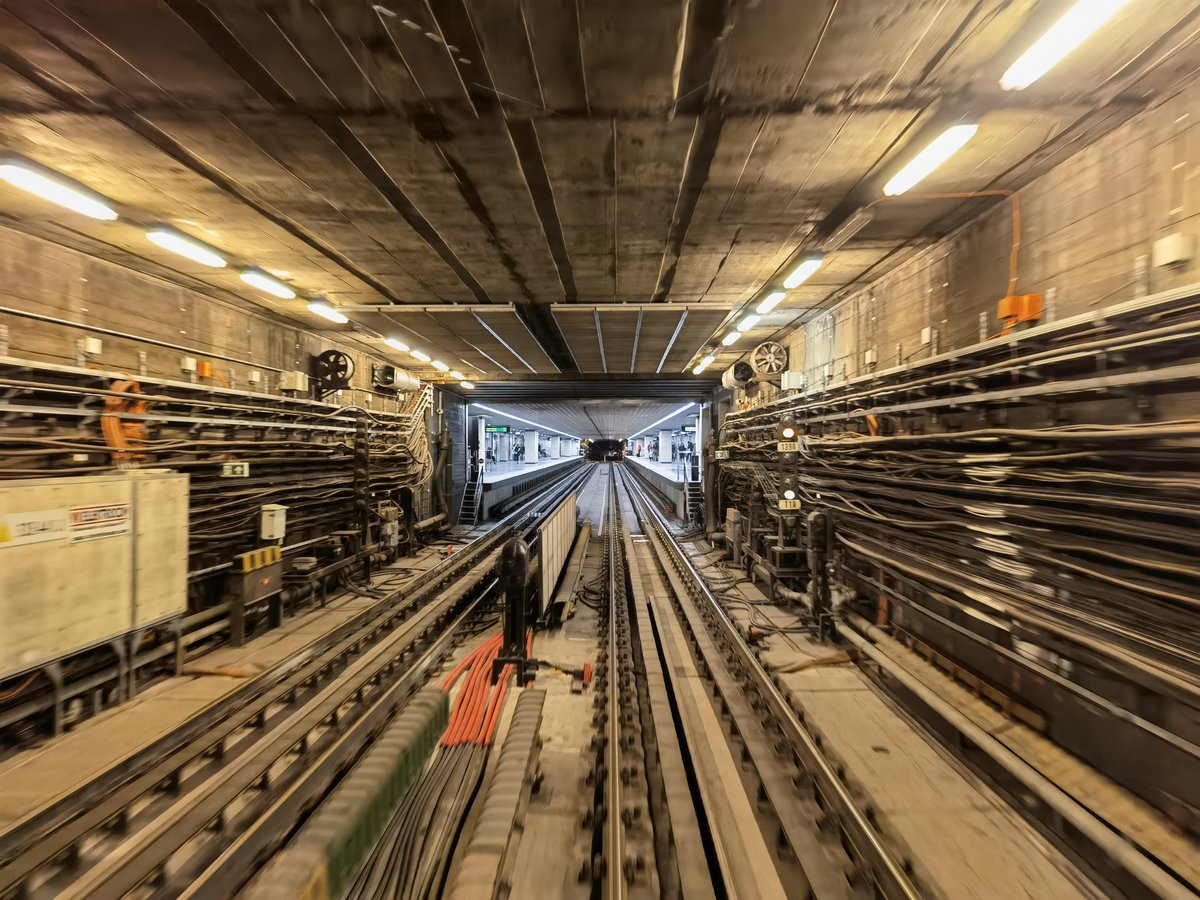
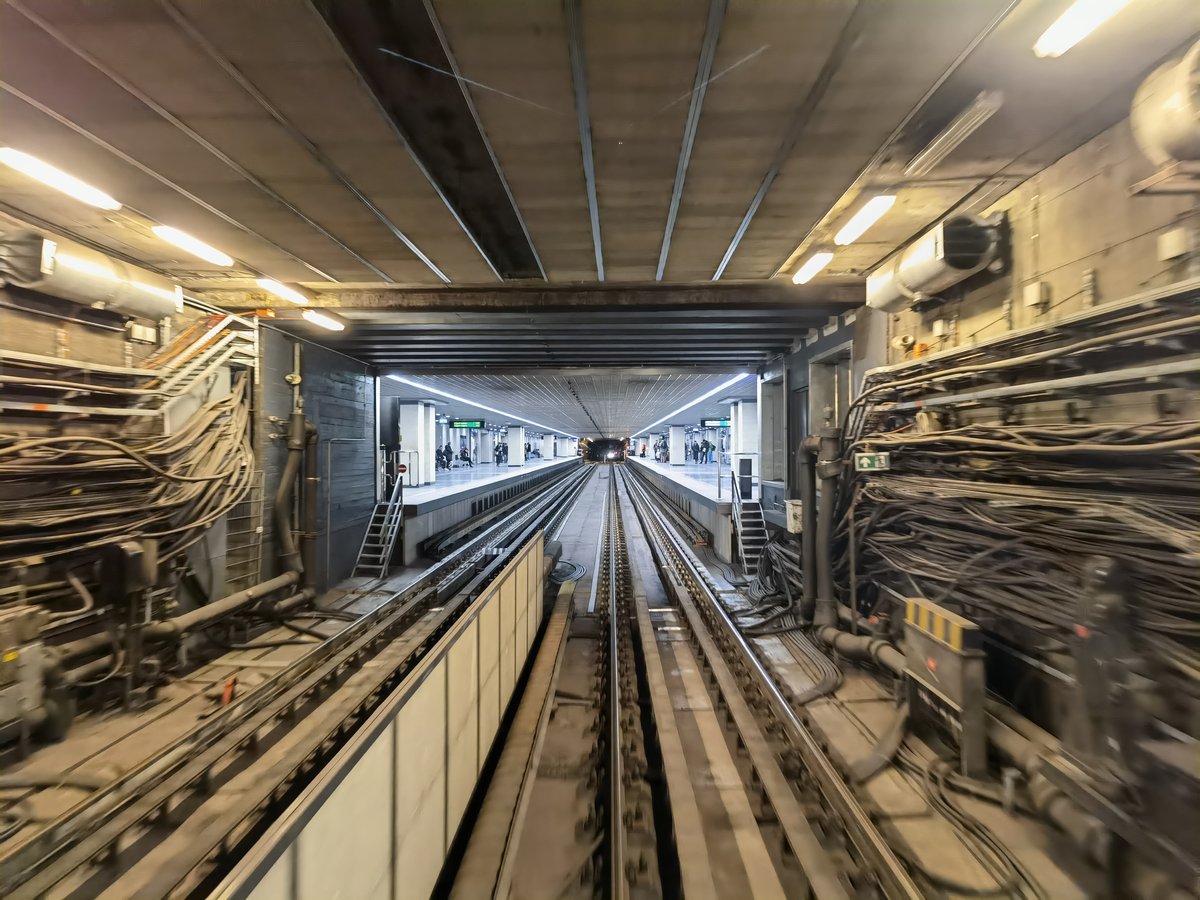
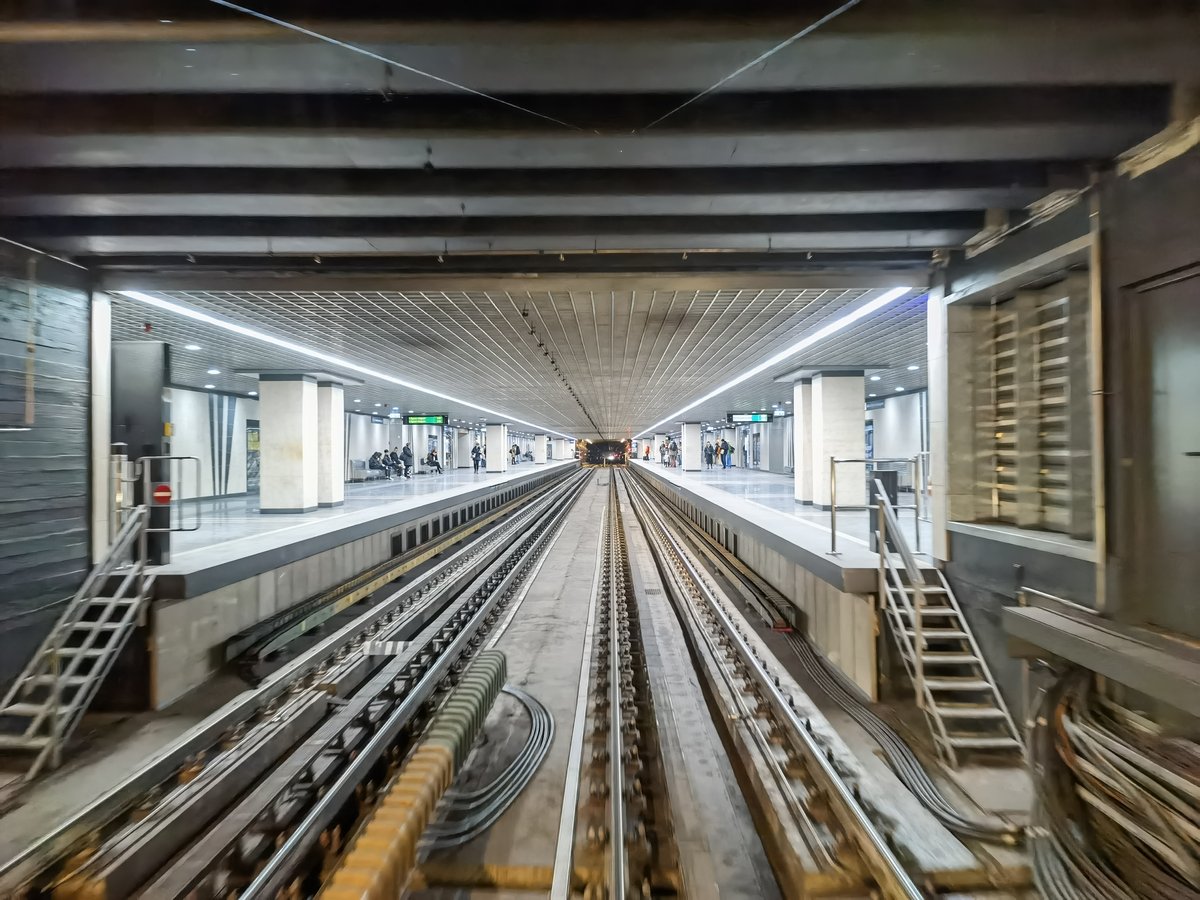
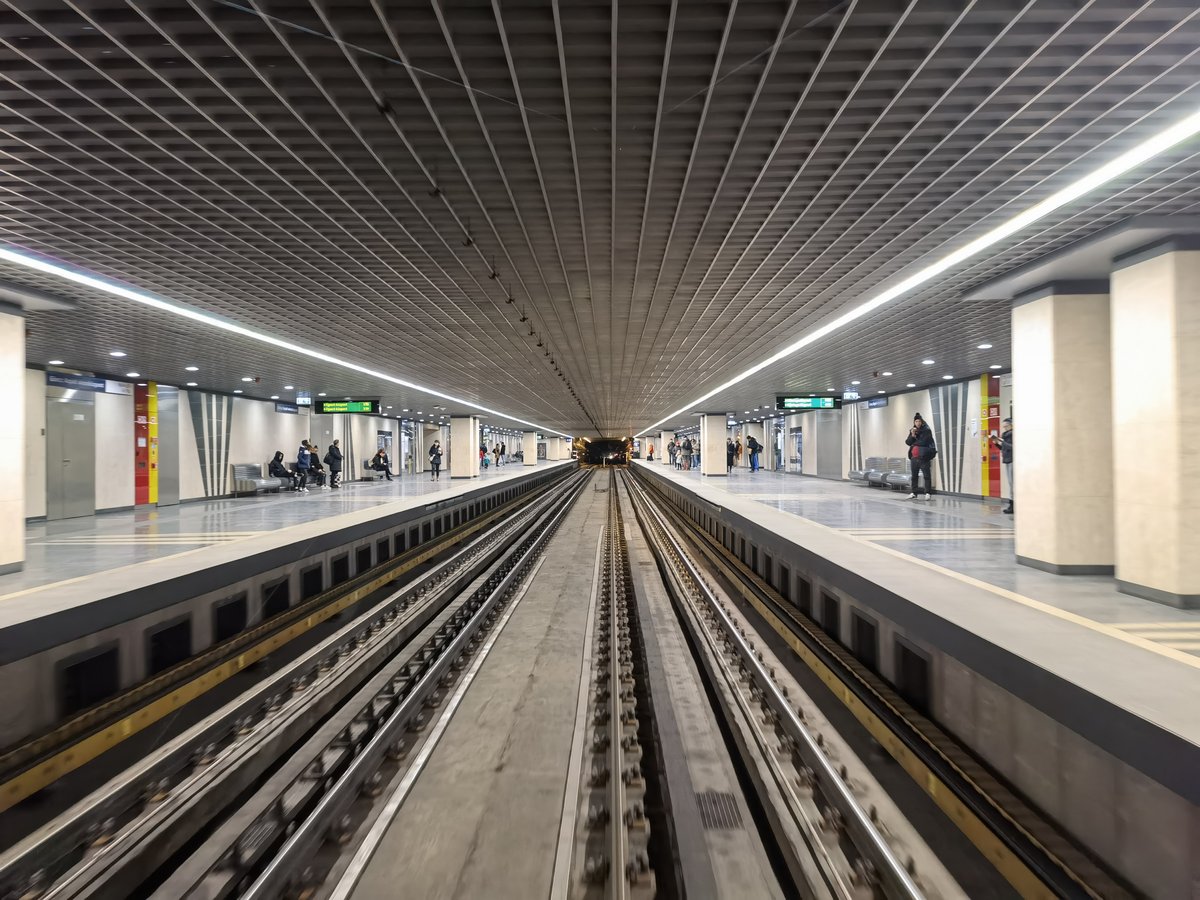
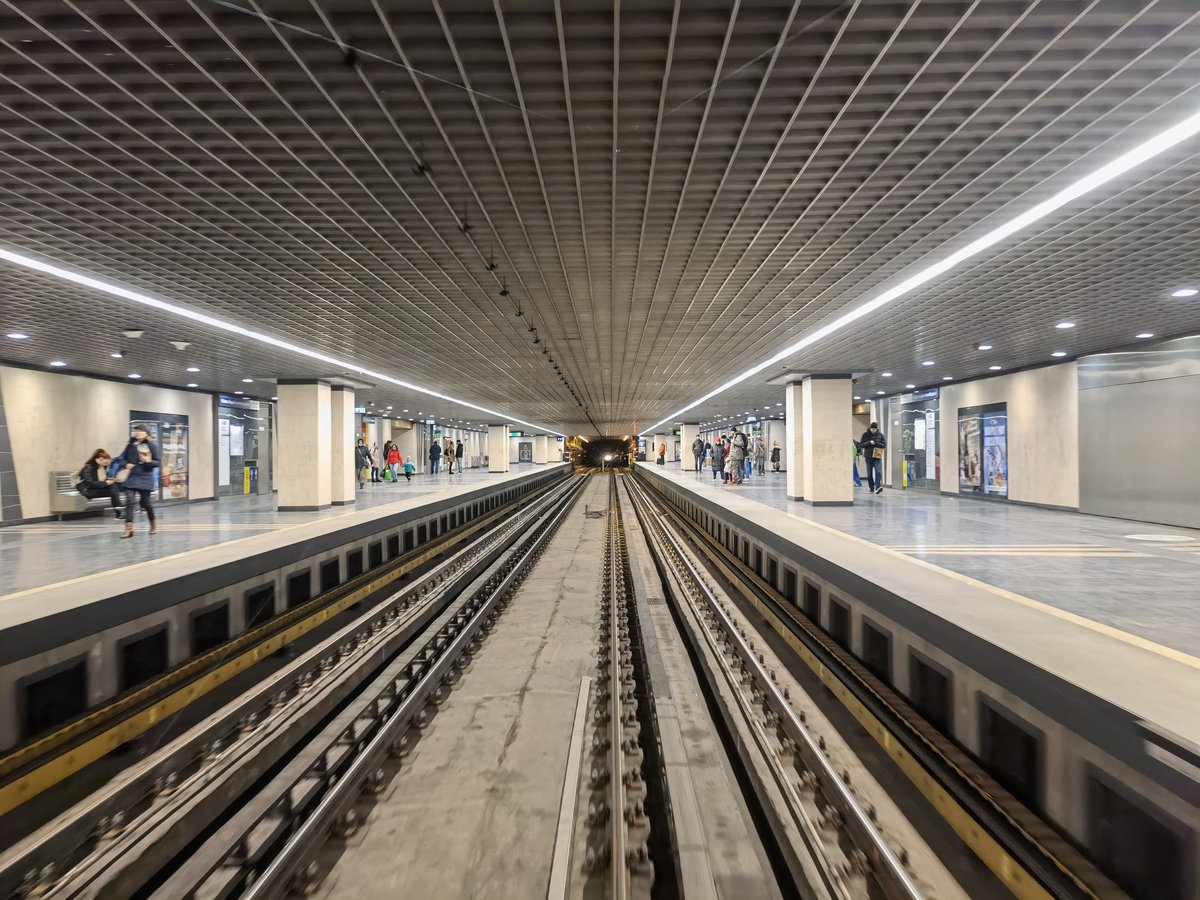
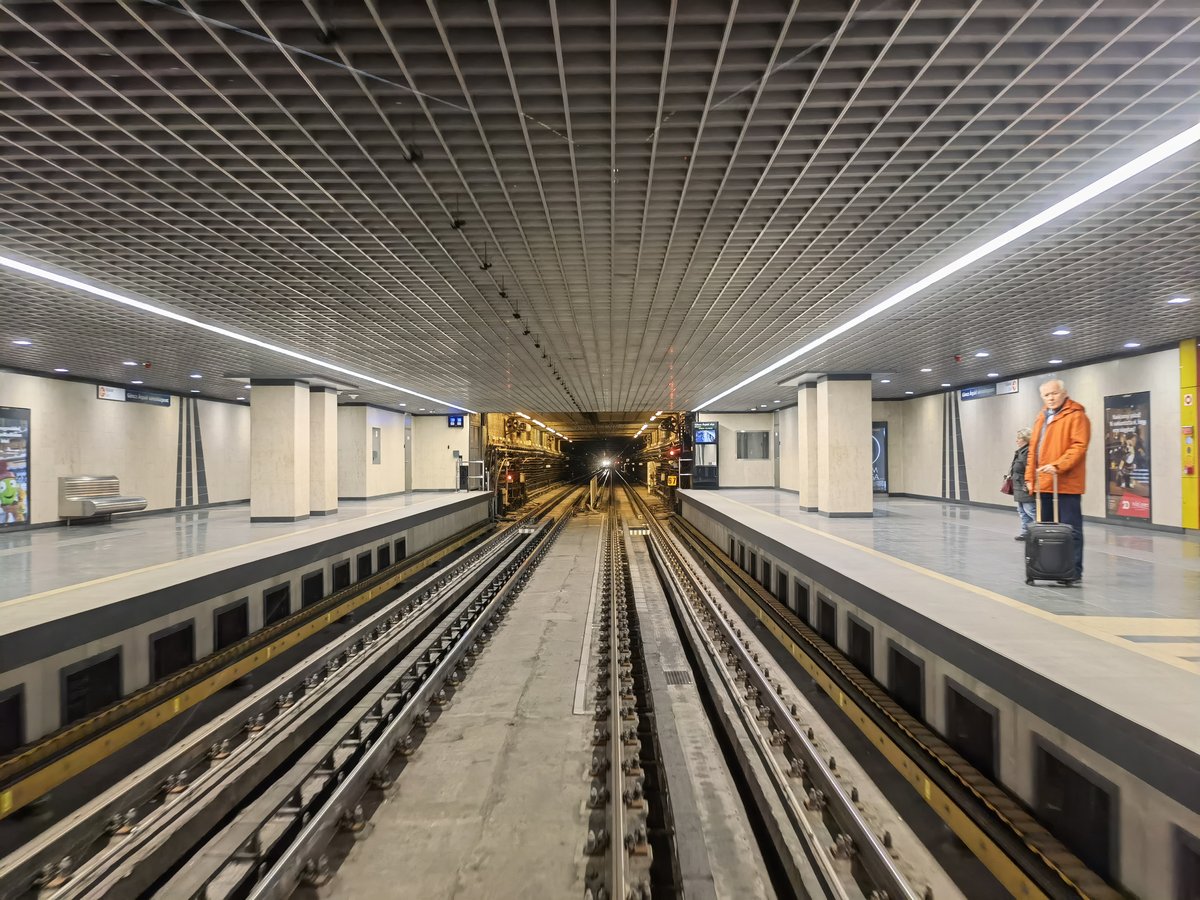
- Metro station The station is known for its shallow, cut-and-cover design and modern accessibility features.
- Office and residential towers The district combines mid-century residential blocks, functionalist buildings, public institutions, and contemporary developments such as Agora Budapest. Duna Tower and Váci Greens are among its business and residential towers; the public areas at Váci Greens are open weekdays, 9 AM–6 PM (Váci Greens).
- Public art and murals Statues, reliefs, and year-round displays enrich the public realm. Works include the monument to Árpád Göncz and pieces by Kiss István and Gyurcsek Ferenc.
- Parks and public spaces More than 9,000 square meters of landscaped parkland feature native plants, walking paths, and public sculptures.
Practical visiting information
Hours and tickets
- Metro station Open daily, 4:30 AM–11:30 PM, subject to the Budapest Metro schedule.
- Public spaces and parks Accessible year-round from dawn to dusk.
- Árpád Bridge Open 24/7 to pedestrians, cyclists, trams, and vehicles.
- Shops and offices Generally open weekdays, 8:00 AM–6:00 PM; shopping centres may have extended hours.
- Admission There is no entrance fee for the district or its parks. Standard public transport tickets are required for metro, tram, and bus services.
- Tickets Buy public transport tickets at station vending machines, staffed offices, or through mobile apps (moovitapp.com).
Getting there and accessibility
- Metro Take Metro Line 3 (the Blue Line) to Göncz Árpád Városközpont.
- Tram and bus Tram line 1 and numerous bus lines serve the interchange.
- Car Parking is limited; public transport is strongly recommended.
- Bicycle and scooter The area has bike lanes, MOL Bubi bike-sharing stations, and e-scooter parking.
- Accessibility Elevators, ramps, wide sidewalks, tactile paving and guidance, and barrier-free paths support accessible movement.
Community events and commemorations take place in the square and park, especially on national holidays. Check local event listings for updated information.
Further information
For updates, consult the Budapest Tourism Website and the Budapest Transport Center. Other information sources include:
- Budapest Info – Official Tourism
- Budapest Transport Center (BKK)
- ReviewEuro: Göncz Árpád Városközpont Visitor Guide
- Váci Greens
- Dagály Bath
- Hungarian Railway Museum
- Margaret Island
- Duna Plaza
- Budapest Waterworks/Újpest Water Tower
- Budapest Urban Development
- moovitapp.com
- Hungary Today – Göncz Árpád Metro Station
- Audiala Mobile App
Tips
- Photography The contrast between socialist-era buildings and modern glass towers, especially around the metro station and Árpád Bridge, offers urban photography opportunities.
- Crowds Weekday early mornings and late evenings are less busy.
- Safety The area is generally safe and well-patrolled.
- Seasons Spring and autumn offer pleasant weather.
- Food Cafés, bakeries, and restaurants can be found in office complexes and shopping centres.
Nearby places
- József Attila Theater A short walk away, with performances year-round.
- Margaret Island (Margitsziget) Parkland with gardens, medieval ruins, and recreational spaces. Open daily, 6 AM–10 PM (Margaret Island).
- Dagály Thermal Bath A wellness facility with thermal pools, swimming, and spa treatments. Open 6 AM–10 PM; tickets cost 2,500–4,000 HUF (Dagály Bath).
- Duna Plaza A shopping centre with over 120 shops, a multiplex cinema, eateries, and a food court. It is also described as having 120+ shops. Open daily, 10 AM–8 PM (Duna Plaza).
- Újpest Water Tower An Art Nouveau landmark open for guided tours on select dates (Budapest Waterworks).
- Hungarian Railway Museum A railway heritage museum with historic locomotives, open Tuesday–Sunday (Hungarian Railway Museum).
- Lehel Market A local market for produce and street food.
- Népfürdő Street Park A green space with playgrounds and walking paths, open from dawn to dusk.
- Danube Promenade Open 24/7, with cycling and jogging paths.
- Local cafés and restaurants A range of options is available, typically open 8 AM–11 PM.
Urban renewal
Ongoing urban renewal initiatives aim to improve public spaces and accessibility (Budapest Urban Development). Blending socialist-era architecture with modern development presents challenges, while renewal projects prioritise sustainability and quality of life in support of Budapest’s “15-minute city” vision.
Frequently asked questions
Is there an entrance fee?
No. The district and its parks are public spaces and free to access.
Are there guided tours?
Local tour operators occasionally include the area in broader city or district tours.
Is the area family-friendly and accessible?
Yes. It has parks, barrier-free infrastructure, and cultural venues.
How do I buy public transport tickets?
Tickets are available at vending machines, staffed offices, or through mobile apps.
Where can I eat nearby?
Cafés, bakeries, and restaurants are found in office complexes and shopping centres.
What are the best times to visit?
Spring and autumn offer pleasant weather; early mornings and weekdays tend to be less crowded.