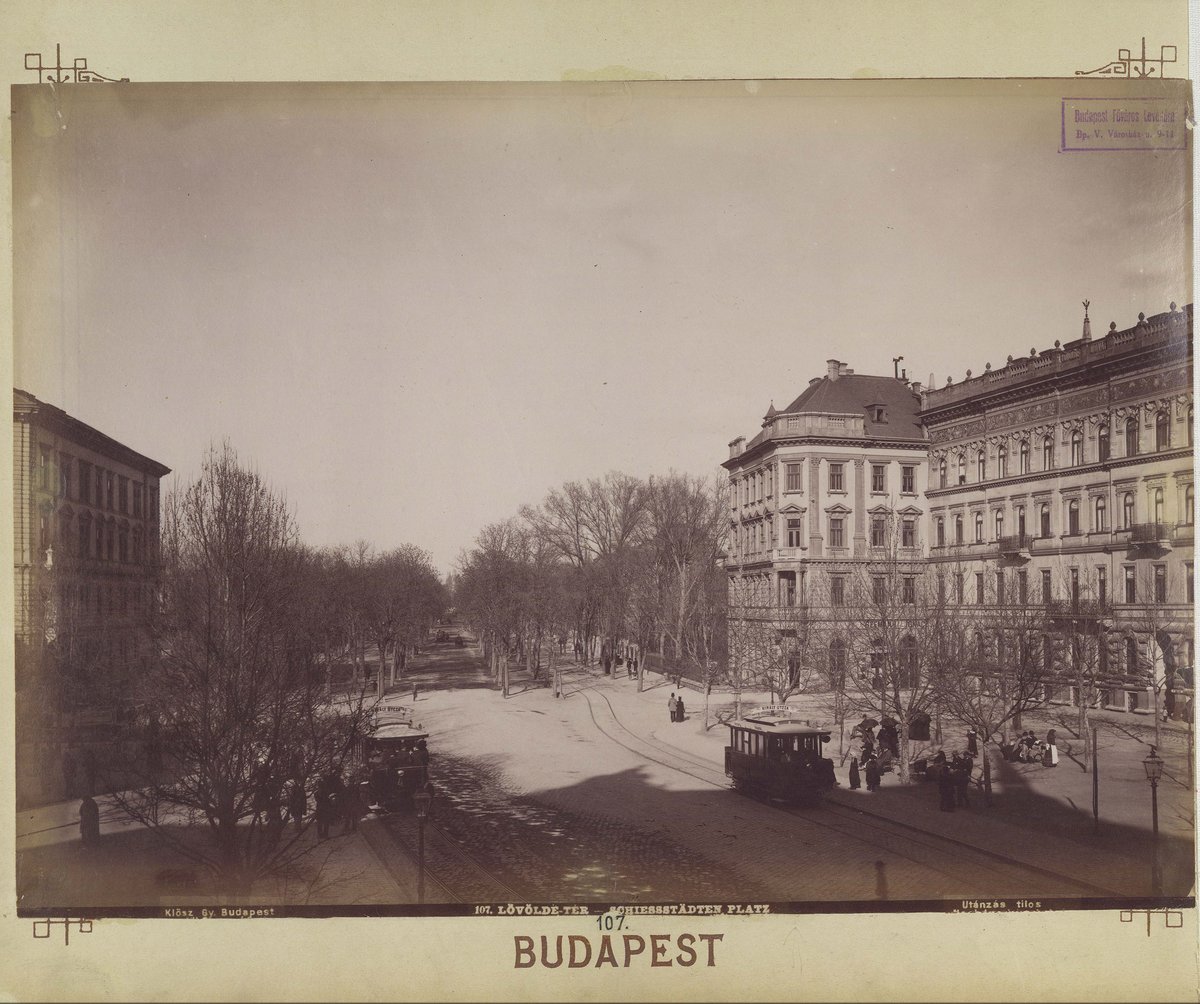
1. Historical Layers and Urban Transformation
Roman Origins and Archaeological Significance
Flórián Tér sits atop what was once the Roman city of Aquincum, the capital of Pannonia Inferior. Archaeological excavations—among Hungary’s earliest—began in 1778 and uncovered substantial Roman bath complexes, including the caldarium and frigidarium, used by soldiers and citizens (travelguidebudapest.com; budapestcity.org). Today, these ruins are partially preserved in situ, visible from public walkways and underpasses, and serve as tangible reminders of Budapest’s ancient past.
Medieval to Modern Development
As the Roman era faded, Óbuda developed a medieval village character, preserved until the early 20th century (budapestcity.org). In the 18th century, Count Miklós Zichy commissioned statues of saints—St. Florian, St. Charles Borromeo, and St. Philip Neri—marking the end of a plague and giving the square its identity.
The official naming of Flórián Tér in 1819 reflected the local veneration of St. Florian, protector against fire and floods. The square’s landscape shifted dramatically in the 20th century with the construction of the Árpád Bridge (1950) and the Flórián Tér overpass (1982–1984), which redefined the area as a bustling transport node while preserving essential historical features (pestbuda.hu).
2. Visiting Flórián Tér: Practical Information
Visiting Hours and Access
- Square & Park Open year-round, 24 hours a day; free access.
- Outdoor Roman Ruins Accessible during daylight hours.
- Aquincum Museum Tuesday–Sunday, 10:00 AM–6:00 PM; closed Mondays.
Tickets and Guided Tours
- Entry to Flórián Tér and its ruins is free.
- Guided tours of the archaeological sites are available seasonally via local agencies or the Aquincum Museum (advance booking recommended).
- The Aquincum Museum charges approximately 1,500 HUF for adults, with discounts for students and seniors.
Accessibility
- Most pathways and underpasses are wheelchair accessible.
- Public transport stops nearby feature ramps and tactile paving.
- Some uneven terrain near ruins may present challenges for those with limited mobility.
Getting There
- Trams Lines 1 and 17 stop at Flórián Tér.
- Buses Several lines serve the area, connecting to other districts.
- HÉV The Szentendre suburban rail stops nearby.
- By Car Limited parking; public transport is recommended.
- From Airport Take the 100E Airport Express to Deák Ferenc tér, then tram 1 or 17.
3. Key Attractions and Features
Roman Ruins and Archaeological Sites
Flórián Tér’s preserved Roman baths and military ruins offer a direct link to ancient Aquincum. Many remains are on display in the underpass and within the park, with further artifacts at the nearby Aquincum Museum (Budapest by Locals).
Flórián Tér Park and Green Spaces
Recently renovated with sustainable landscaping, the park features walking paths, shaded seating, playgrounds, and newly planted trees, making it ideal for relaxation or family visits (Budapest Municipality).
Shopping and Amenities
The adjacent Flórián Shopping Center provides supermarkets, boutiques, cafés, banks, and public restrooms. Free Wi-Fi is available in most public spaces.
Public Art and Memorials
Flórián Tér is adorned with statues and memorial plaques commemorating its Roman origins, the 18th-century saints, and Óbuda’s cultural heritage.
4. Events and Festivals
Flórián Tér is lively throughout the year, hosting open-air concerts, markets, and community gatherings—especially during the Óbuda Summer Festival (Budapest by Locals). Food stalls like the beloved Krumplis Lángos stand are local favorites (Budapest City).
5. Urban Renewal and Sustainability
Ongoing urban renewal projects, such as the reconstruction of Flórián Tér’s overpasses and the planting of new trees, reflect Budapest’s commitment to sustainability and heritage protection (BKK; Telex; We Love Budapest). Any excavation work in the area is closely monitored to ensure archaeological preservation.
6. Nearby Points of Interest
- Aquincum Museum and Archaeological Park Explore extensive Roman ruins and exhibitions.
- Óbuda Old Town Quaint streets with cafés, galleries, and markets.
- Óbuda Island Parkland hosting events like the Sziget Festival.
- Margaret Island Gardens and recreational facilities, easily reached by tram or bike.
7. Visitor Tips and Travel Information
- Best Time to Visit Late spring to early autumn offers the most pleasant weather and lively festivals.
- Transport Tickets Purchase via BudapestGO app, kiosks, or stations (single ticket: 450 HUF; passes available).
- Accessibility Wheelchair and stroller-friendly; barrier-free pathways and accessible trams.
- Safety The area is safe with regular police presence; remain aware of belongings in crowds.
- Local Etiquette Queuing is respected; a simple “Jó napot!” (Good day) is appreciated in shops and markets.
- Currency Hungarian Forint (HUF); most places accept cards, but cash is handy for markets.
8. Frequently Asked Questions (FAQ)
Q: Are there entrance fees for Flórián Tér?
A: No, the square and parks are free to access. The Aquincum Museum and guided tours may have fees.
Q: What are the official visiting hours?
A: Flórián Tér and its park are open 24/7. Museums have individual hours.
Q: Are guided tours available?
A: Yes, particularly in tourist seasons via local operators and the Aquincum Museum.
Q: Is Flórián Tér accessible for people with disabilities?
A: Most areas are barrier-free; some ancient ruins may have uneven surfaces.
Q: How do I reach Flórián Tér from central Budapest or the Airport?
A: Use tram lines 1 or 17; from the airport, take the 100E bus to Deák Ferenc tér, then tram.
Q: What facilities are available?
A: Public restrooms, drinking fountains, shopping, cafés, free Wi-Fi.