
Medieval Origins and Royal Significance
Buda Castle’s origins date to the 13th century, when King Béla IV commissioned a stone fortress atop Castle Hill to protect against Mongol invasions (budacastle.hu). Over centuries, the castle expanded to become a symbol of royal authority, especially under King Sigismund and King Matthias Corvinus, who introduced Renaissance elegance to the medieval structure. The castle hosted coronations, royal weddings, and state ceremonies, reflecting its importance in Hungarian history (budacastle.hu).
Ottoman Occupation and Habsburg Reconstruction
In the 16th century, Buda Castle fell to the Ottomans and endured over 150 years of occupation, during which much of its original grandeur was lost. Following the Ottoman expulsion in 1686, the Habsburgs rebuilt the castle in Baroque style, restoring its status as a seat of power and culture. The castle continued to evolve, weathering conflicts such as the 1848 Revolution and World War II (budapest.org, budacastle.hu).
Post-War Restoration and Modern-Day Role
After WWII, Hungarian architects meticulously restored Buda Castle, blending medieval, Renaissance, and Baroque elements. Today, the castle complex houses the Budapest History Museum, the Hungarian National Gallery, and the National Széchényi Library. The museum occupies the southern wing, inviting visitors to explore both the historic architecture and Budapest’s layered story (budapest.org).
The Museum Experience: Architecture and Collections
Layout and Exhibitions
The museum’s galleries are seamlessly integrated into the original palace structure, featuring vaulted medieval chambers, Gothic chapels, and reconstructed royal halls. Spread across four floors, the collections include:
- Prehistoric and Roman artifacts from Aquincum.
- Medieval and Renaissance relics statues, tomb fragments, and palace rooms.
- Ottoman and Habsburg objects ceramics, weapons, documents, and portraits.
- Urban and social history photographs, posters, and personal memorabilia from the 19th and 20th centuries.
- Fine and decorative arts tapestries, stained glass, and unique furnishings.
Permanent exhibitions guide visitors chronologically, from prehistoric settlements through the city’s unification and modern transformations. Temporary exhibitions delve into urban archaeology, social change, and contemporary themes (timeout.com).
Notable Artifacts
- Medieval palace remains and reconstructed rooms
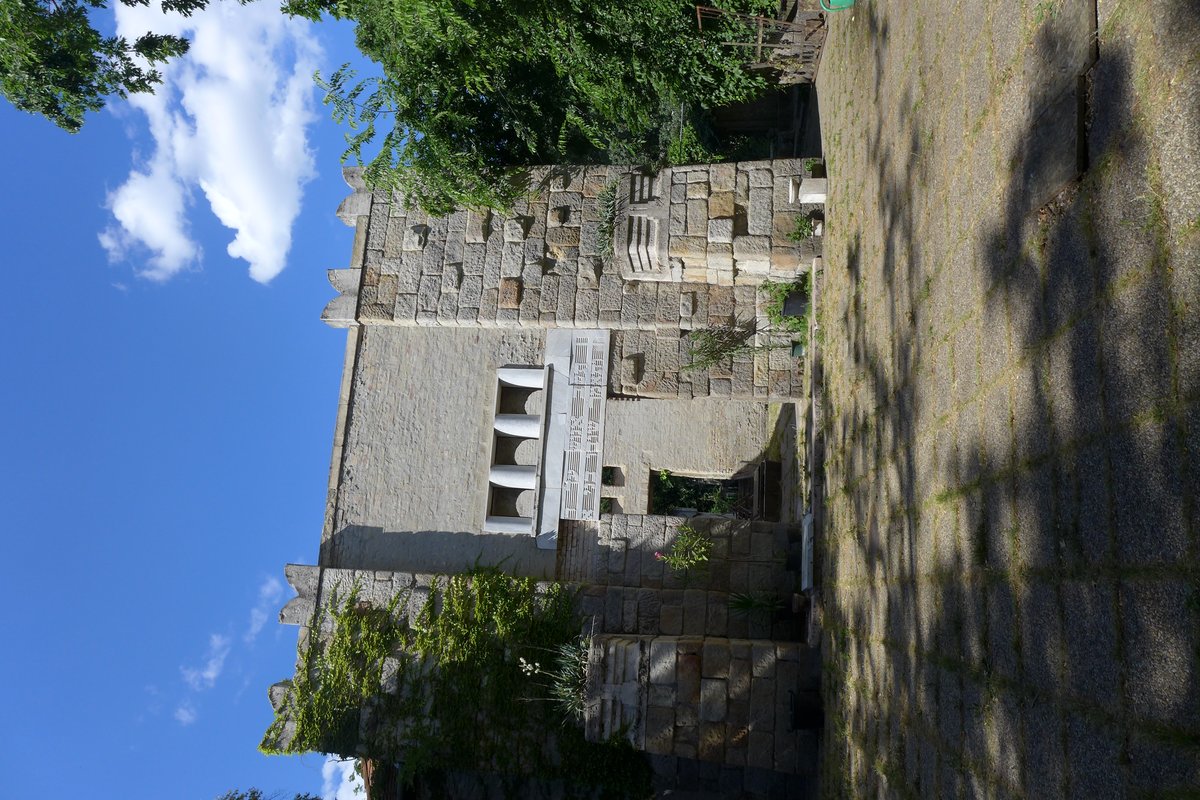
- 14th-century tower chapel with fresco fragments
- Roman mosaics and inscriptions
- 20th-century memorabilia, including items from the 1956 Revolution
Visiting Hours, Tickets, and Discounts
Opening Hours
- Tuesday–Sunday 10:00 AM – 6:00 PM (last entry 5:30 PM)
- Closed on Mondays
- Special hours may apply on public holidays and during events (varmuzeum.hu)
Ticket Prices (as of June 2025)
- Adult 3,800 HUF
- BHM+ (all member institutions, one month) 5,500 HUF
- Students (6–26, EEA nationals) 1,900 HUF (ID required)
- Seniors (62–70, EEA nationals) 1,900 HUF
- Children under 6 and seniors over 70 Free
- Family discount 50% off for one/two adults with two+ children under 18 (except on free entry Saturdays)
- Annual pass 12,000 HUF
- Student groups (10+) 1,500 HUF/person
- Adult groups (15+) 3,000 HUF/person
- Free entry ICOM/ICOMOS cardholders, Budapest Card users (once), journalists, licensed guides (varmuzeum.hu)
Free Entry Days
- Hungarian National Holidays: March 15th, August 20th, October 23rd (buddypest.com)
- First, third, and last Saturdays and Sundays (check museum’s website)
- Night of the Museums event in June (travellingmandala.com)
Accessibility and Visitor Facilities
The museum is mostly wheelchair accessible with elevators and ramps, though some medieval cellars may have uneven floors or stairs. Contact the museum ahead for specific needs. Facilities include restrooms on each floor, cloakrooms, and a café with scenic views. Exhibit panels are in Hungarian and English, and staff are available for assistance (budapest.com).
Guided Tours, Events, and Family Activities
- Guided Tours Available in Hungarian and English (book in advance for groups)
- Audio Guides Offered in multiple languages for a small fee
- Educational Workshops Regular family programs and craft activities, especially on weekends and holidays
- Special Events Annual Night of the Museums (June), temporary exhibitions, and interactive sessions (budapest.com, yourcitybudapest.com)
Travel Tips and Nearby Attractions
- Arriving Reach the museum by Castle Hill Funicular, Várbusz (Castle Bus), or a scenic walk from Clark Ádám Square.
- Combine Your Visit Explore the Hungarian National Gallery, Fisherman’s Bastion, Matthias Church, Hospital in the Rock Museum, and Castle Garden Bazaar.
- Wear comfortable shoes for multiple floors and uneven surfaces.
- Book tickets online to avoid queues (budapest.com).
- Parking Very limited and expensive—public transport is recommended.
Photography, Safety, and Visitor Support
- Photography Allowed without flash or tripods; special exhibits may have further restrictions. A small fee may apply in some areas (yourcitybudapest.com).
- Safety Museum is secure and well-staffed; Budapest is generally very safe for tourists.
- Language Support Guides and signage in Hungarian and English; additional languages by request.
Frequently Asked Questions (FAQ)
Q: What are the Budapest History Museum visiting hours?
A: Tuesday to Sunday, 10:00 AM to 6:00 PM; closed on Mondays.
Q: How much are tickets?
A: Adults 3,800 HUF; discounts and free entry options available.
Q: Is the museum wheelchair accessible?
A: Most areas are accessible, but some medieval sections have limited access.
Q: Are guided tours available in English?
A: Yes, book in advance for groups; audio guides also available.
Q: Can I take photos inside?
A: Generally yes, but without flash or tripods; some areas may require a fee or have restrictions.
Q: Are there free entry days?
A: Yes—on Hungarian national holidays, certain weekends, and during the annual Night of the Museums event.
Discover More
The Budapest History Museum is a gateway to the city’s enduring legacy, set within the historic grandeur of Buda Castle. From medieval chambers and Roman relics to engaging exhibitions and panoramic city views, the museum offers a rich and accessible experience for all visitors.
To enhance your visit, check the official museum website for the latest hours, ticket options, and event details. Download the Audiala app for audio guides and exclusive content, and follow us on social media for updates on special exhibitions and insider travel tips.