Prehistoric and Roman Origins
The area now known as Árpád Fejedelem Útja has been inhabited since the Old Stone Age, as archaeological finds attest. By the second millennium BCE, Bronze Age urn sites and subsequent settlements by Scythian and Celto-Illyrian tribes established its strategic importance along the Danube. The region’s prominence grew during Roman times, most notably with the founding of Aquincum, the capital of Pannonia Inferior. Remnants of Roman roads, aqueducts, and city structures continue to shape the urban landscape and reflect the boulevard’s origins as a vital transportation route (Budapest Tourist Info).
Medieval and Ottoman Eras
After the fall of Rome, successive waves of Huns, Avars, and Magyars—led by Prince Árpád—settled the area, laying the foundation for Hungarian statehood. The boulevard’s name honors this pivotal figure. The region flourished under Hungarian kings, was transformed during Ottoman occupation (16th–17th centuries), and later revitalized under Habsburg rule. Ottoman influence is still visible today, especially in the historic Veli Bej Bath.
Modern Development
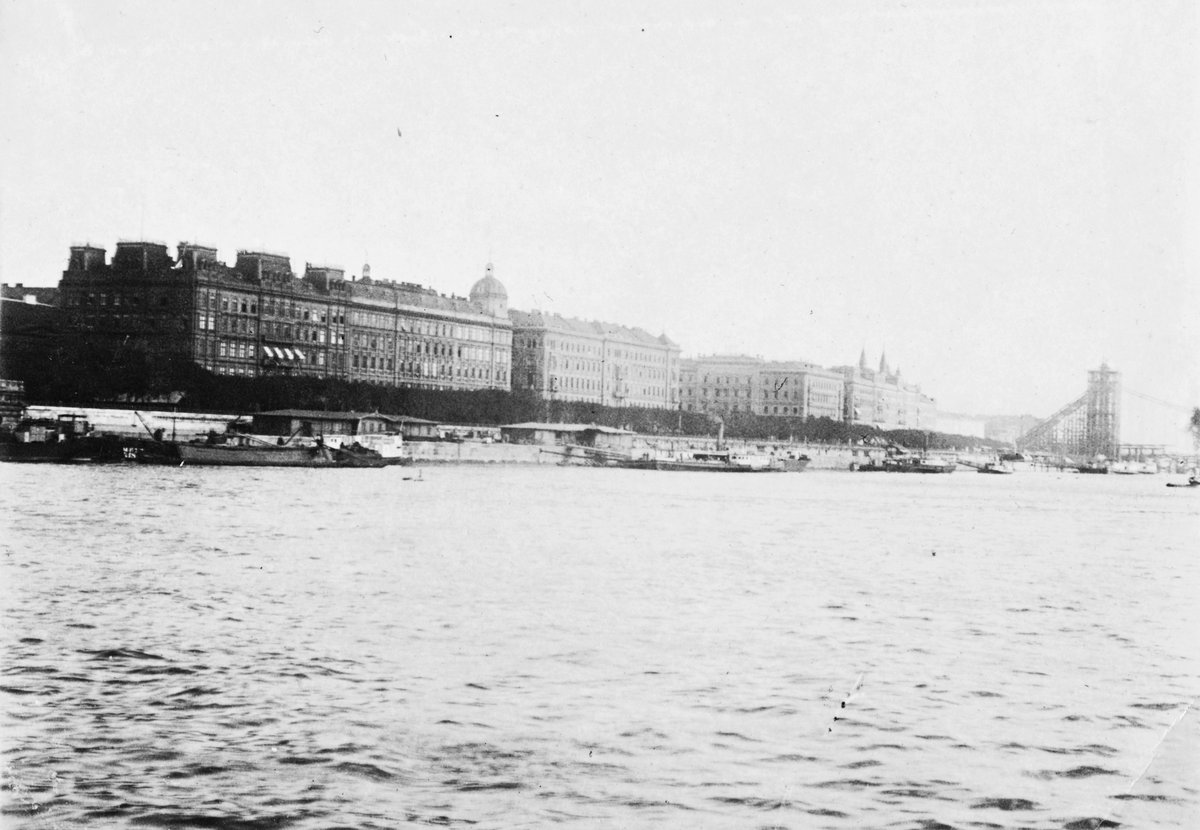
The unification of Buda, Pest, and Óbuda in 1873 catalyzed modernization. The Szentendrei HÉV railway, panel housing, and infrastructure improvements in the 20th century reshaped Árpád Fejedelem Útja, blending historic landmarks with contemporary urban life. Today, the street is a dynamic artery connecting heritage sites, recreational spaces, and residential neighborhoods.
Top Attractions
Veli Bej Bath
- Description A beautifully restored 16th-century Ottoman bath, Veli Bej offers traditional Turkish architecture, tranquil wellness pools, and a unique historic ambiance.
- Visiting Hours Typically open 10:00 AM–8:00 PM (verify seasonal schedules on official site).
- Admission Tickets vary by package and day; children under 14 are not admitted.
Szent Lukács Gyógyfürdő (St. Luke’s Thermal Bath)
- Location Árpád Fejedelem Útja 5–6
- Hours Daily 6:00 AM–8:00 PM
- Admission 3,000–5,000 HUF depending on services
- Highlights Historic Art Nouveau design, medicinal waters, wellness treatments
Budapest Garden
- Location Árpád Fejedelem Útja 125
- Description A vibrant 14,000 m² riverside park and leisure complex with sports fields, an open-air cinema, concerts, food stalls, and family events. Dog-friendly and accessible.
- Hours Usually 10:00 AM–10:00 PM; some events may run later (Budapest Garden)
- Admission Free entry; some events ticketed
Császár-Komjádi Béla Sportuszoda
- Location Árpád Fejedelem Útja 7–8
- Description Olympic-size pools hosting national and international competitions
- Tickets Public swimming and event tickets available; check schedules online
Rozmaring Kertvendéglő
- Location Árpád Fejedelem Útja 125
- Cuisine Traditional Hungarian fare with Danube views
- Hours 12:00 PM–11:00 PM; reservations advised for busy times
Óbuda Synagogue
- Location Near Lajos utca, adjacent to Árpád Fejedelem Útja
- Significance One of the few surviving historical synagogues in Budapest, reflecting Óbuda’s multicultural heritage. Guided tours by appointment.
Danube Riverside Promenade and Margaret Island Access
- Promenade Ideal for walking and cycling, with panoramic river views and access to Margaret Island via Margaret Bridge. The area’s mature trees and green spaces offer relaxation amid the city bustle.
Visiting Information
Opening Hours
- Outdoor Attractions Accessible year-round
- Veli Bej Bath Generally 10:00 AM–8:00 PM
- Budapest Garden 10:00 AM–10:00 PM; check for event-specific times
- Lukács Bath 6:00 AM–8:00 PM
- Cinema Screenings (Budapest Garden) Summer evenings (~9:00 PM start)
Ticketing
- Public Parks, Promenade, Monuments Free
- Thermal Baths Entrance fees apply (3,000–5,000 HUF for adults)
- Budapest Garden Free entry; ticketed events possible
- Cinema Primarily free; special events may require tickets (Budapest Garden Outdoor Cinema)
Guided Tours & Accessibility
- Multiple local operators offer walking tours focusing on the area’s history, architecture, and wellness culture.
- Most venues, promenades, and public transport stops are wheelchair-accessible. Some historic buildings may have limited access.
Transportation
- Tram Line 17 (Katinyi Mártírok Parkja, Tímár utca stops)
- Bus Lines 9, 29, 111, 923, 934, 960, 137, 218, 237, 26, and 226
- Suburban Rail (HÉV) H5 line (Tímár utca stop)
- Cycling Riverside bike paths and rentals available
- Parking On-street and garage options; public transport is recommended (Budapest Public Transport (BKK))
Tips for Visitors
- Best Time to Visit Spring and autumn are pleasant for outdoor activities; thermal baths are enjoyable year-round.
- Photography The riverside promenade and Budapest Garden offer excellent photo opportunities.
- Events Check event calendars for festivals, concerts, and open-air movie nights.
- Cash & Cards Hungarian forint (HUF) is the currency; cards widely accepted.
- Language English is commonly spoken in tourist areas; Hungarian is official.
- Tipping Customary in restaurants and for services.
- Safety Budapest is generally safe; be vigilant in crowded areas.
Frequently Asked Questions (FAQ)
Q: Are outdoor attractions open all year?
A: Yes, public parks and promenades are open year-round; some facilities have seasonal hours.
Q: Do I need tickets for Budapest Garden or the open-air cinema?
A: Entry to Budapest Garden is free; some special events may require tickets.
Q: How accessible is Árpád Fejedelem Útja?
A: Most paths and public transport stops are accessible; check with venues for detailed facilities.
Q: What is the best way to get to Árpád Fejedelem Útja?
A: Use tram 17, several bus lines, or the HÉV H5 suburban rail for direct access.
Q: Can I dine along Árpád Fejedelem Útja?
A: Yes, Rozmaring Kertvendéglő and various cafés offer diverse local cuisine.
Integration with Budapest’s Urban Vision
Árpád Fejedelem Útja is central to Budapest’s urban development and cultural heritage strategies. Efforts to enhance mobility, preserve historic architecture, and expand green spaces reflect the city’s commitment to sustainable and inclusive growth. Modernization initiatives—such as improved cycling paths, public transport integration, and support for community events—ensure the boulevard remains both a historical landmark and a vibrant urban artery.
Plan Your Visit
- Book tickets for baths and events in advance when possible.
- Use public transport or rent a bike for eco-friendly and convenient access.
- Check event calendars for unique experiences.
- Explore nearby attractions Margaret Island, Óbuda’s main square, Roman ruins.
For the latest updates and guided tour options, download the Audiala app and subscribe to our newsletter.
Summary
Árpád Fejedelem Útja encapsulates Budapest’s dynamic spirit, merging ancient history with modern culture. Its accessible location, well-integrated transport, and variety of attractions—from Roman and Ottoman heritage to community parks and vibrant dining—make it a must-visit for history buffs, wellness seekers, and families alike. Plan your adventure to enjoy the best of Budapest’s past and present in one remarkable avenue (Budapest Garden, Budapest Tourist Info).