The Odescalchi Family and the Palace’s Early History
The Odescalchi family, arriving in Hungary during a period of significant transformation after the Ottoman era, played a key role in Budapest’s modernization and cultural development. The palace’s construction marked a stylistic shift in the city’s architecture, moving away from medieval and Baroque influences toward a neoclassical vision that emphasized harmony and elegance. As a private residence, Odescalchi-Palota quickly became a center for social gatherings, diplomatic meetings, and cultural events, reflecting the family’s status and their blend of Italian and Hungarian traditions (visithungary.com, budapest-tourist.info).
Architectural Evolution and Restoration
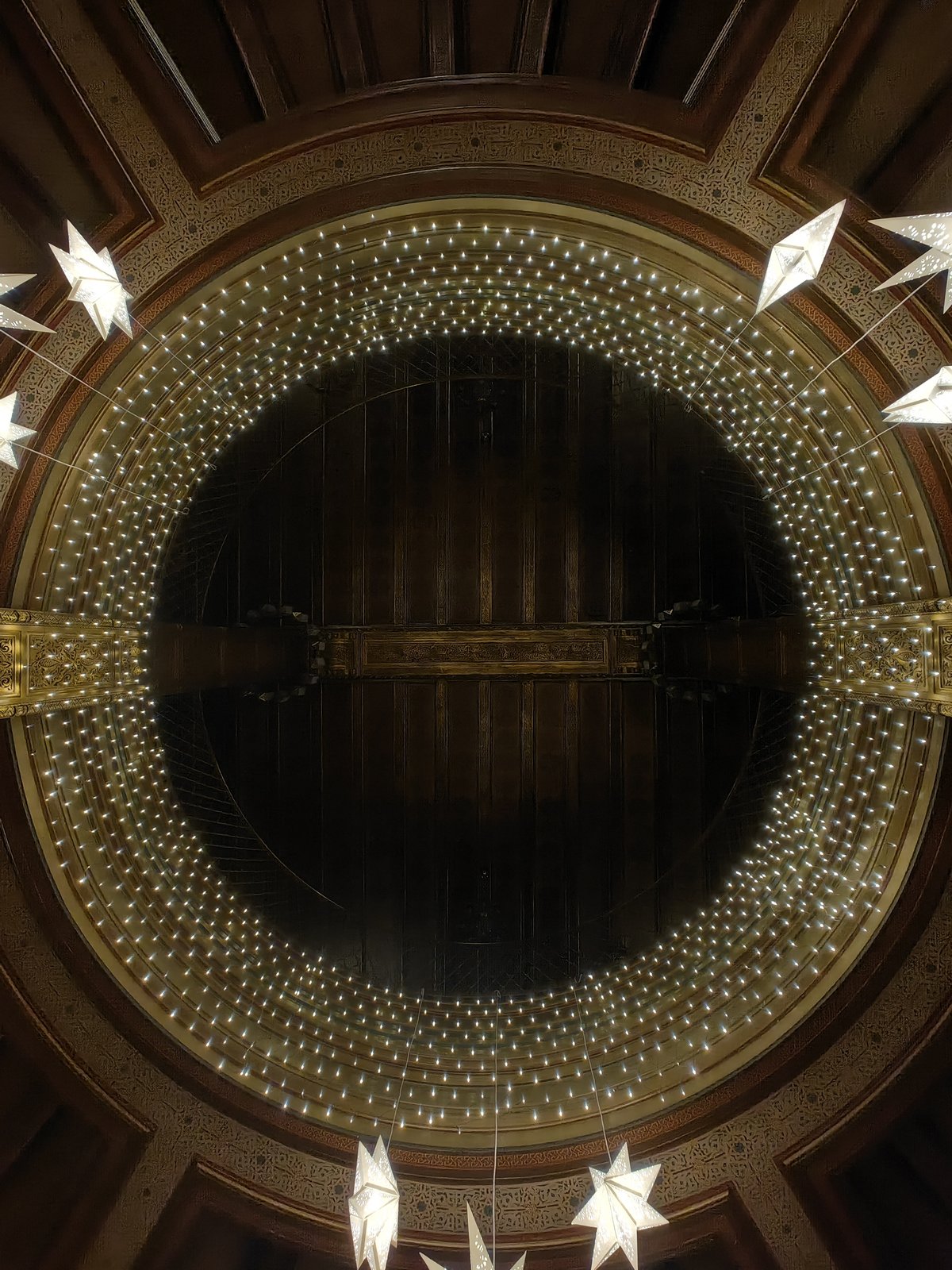
Over the centuries, Odescalchi-Palota has undergone several renovations, incorporating Historicist and Eclectic motifs alongside its original Baroque and Neoclassical features. Notable architectural details include ornate stucco work, grand arched windows, pilasters, and symmetrical facades. Inside, visitors can admire frescoed ceilings, marble staircases, intricate parquet flooring, and period furnishings, many of which have been carefully restored after periods of neglect in the 20th century. Preservation efforts now ensure the palace’s historical integrity remains intact for future generations (Budapest.city).
Visiting Odescalchi-Palota: Hours, Tickets, and Accessibility
Visiting Hours
- Tuesday–Sunday 10:00 AM – 6:00 PM (last entry 5:00 PM)
- Monday Closed
- Weekends & Public Holidays 10:00 AM – 7:00 PM (last entry 6:00 PM)
- Special Closures The palace may close early for private events or maintenance; always check the official website for real-time updates.
Ticket Information
- Standard Adult Ticket €10 (subject to change)
- Discounted Tickets Available for students, seniors, and children; children under a specific age may enter free.
- Booking Tickets can be purchased online or on-site. Advance booking is recommended during peak periods or special exhibitions.
Accessibility
- Mobility Ramps and elevators are present, though some historic areas may have limited access due to steps or narrow corridors.
- Special Assistance Contact the palace in advance for specific needs; staff are available to help.
- Audio Guides Available in multiple languages, along with informational panels and brochures.
How to Get There
- Public Transport Accessible via tram lines 2 or 4/6, metro line M1, and buses 16, 16A, and 116 to Dísz tér.
- On Foot The palace is within walking distance of the Parliament Building, St. Stephen’s Basilica, and Castle District attractions.
- Taxi Readily available.
- Parking Limited; public transit is recommended.
Visitor Experience: Tours, Exhibitions, and Amenities
Guided and Self-Guided Tours
- Included Group Tours Free with admission every Sunday at scheduled intervals; no reservation required.
- Private Tours Available by appointment in several languages.
- Self-Guided Visits Multilingual panels and a dedicated app provide audio guides, maps, and historical insights.
Exhibitions and Cultural Events
Odescalchi-Palota hosts regularly changing art exhibitions, historical retrospectives, and cultural events in collaboration with major institutions like the Hungarian National Gallery and Budapest History Museum. Seasonal programs often coincide with city-wide festivals, offering extended hours and unique programming (trip.com).
Photography
- Personal Use Non-flash photography is allowed.
- Professional Use Tripods and commercial equipment require prior permission.
Facilities
- Restrooms, cloakrooms, and a gift shop with books and local crafts on-site.
- Café or refreshments available in the palace or nearby.
- Wheelchair access to most areas, though some sections may be limited due to the building’s historic nature.
Nearby Attractions and Travel Tips
- Buda Castle, Matthias Church, Fisherman’s Bastion All within walking distance in the UNESCO-listed Castle District.
- Parliament Building and Danube Promenade Easily accessible for a broader sightseeing itinerary.
- Dining and Shopping Numerous options nearby for Hungarian and international cuisine, as well as local boutiques.
- Combined Tickets Some tours offer joint admission with other Castle District sites, providing a comprehensive experience (heyexplorer.com).
Frequently Asked Questions (FAQ)
Q: What are the Odescalchi-Palota opening hours?
A: Generally Tuesday–Sunday, 10:00 AM–6:00 PM, with extended hours on weekends. Closed Mondays. Always check the official website for the latest updates.
Q: How can I buy tickets?
A: Tickets are available online and on-site. Booking ahead is advised during peak times.
Q: Are guided tours available?
A: Yes, free group tours are included on Sundays; private tours can be arranged in advance.
Q: Is the palace wheelchair accessible?
A: Most public areas are accessible; contact staff for details on specific accommodations.
Q: Can I take photos inside?
A: Photography is generally permitted for personal use; restrictions may apply for professional equipment.
Practical Tips for a Successful Visit
- Check for Events Visiting during special exhibitions or cultural festivals can offer a richer experience.
- Plan Ahead Book tickets and tours in advance during busy periods.
- Dress Comfortably Wear appropriate footwear for walking and historic interiors.
- Explore Surroundings Allocate time to visit other Castle District sites and enjoy local cafés.
- Respect the Site Follow posted guidelines to help preserve the palace for future visitors.