Historical Background
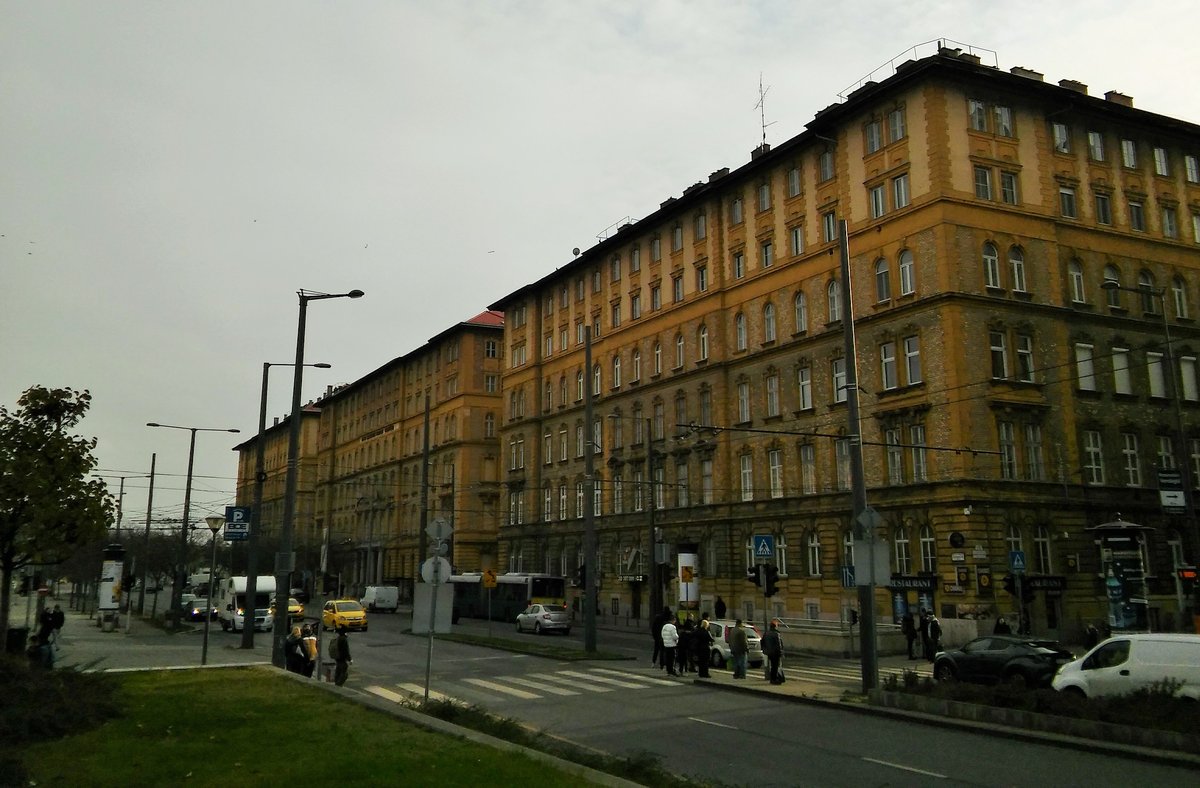
Bacsó Béla Utca exemplifies the tradition of naming streets after prominent national figures, reflecting Budapest’s rich cultural heritage (Wikipedia: History of Budapest). Its roots lie in the late 19th-century development of Józsefváros, a district known for dense housing, artisan workshops, and vibrant street life. The area thrived during the belle époque, endured wartime devastation, and underwent substantial change during the socialist era, though it always retained a distinct local identity.
20th Century and Beyond
World War II and subsequent socialist urban policies led to the loss of some original architecture, but since the 1990s, renewed interest in preservation and community revitalization has redefined the district. Bacsó Béla Utca’s transformation into a pedestrian-friendly, inclusive public space culminates decades of urban renewal, making it a microcosm of Budapest’s ongoing evolution (Józsefváros Municipality).
Urban Renewal & Pedestrianization
Pedestrianization Initiative (2021–2025)
In 2021, the municipality responded to a growing need for accessible public spaces by pedestrianizing the section between Vásár utca and Bérkocsis utca (Énbudapestem). The project prioritized green infrastructure, child-friendly areas, movable seating, and climate resilience—with features like misting columns and public fountains. A 2021 resident survey saw 90% support for the pedestrian zone, confirming community backing for the transformation.
In January 2024, a comprehensive renovation began to further enhance accessibility, biodiversity, and event-readiness (Józsefvárosi Újság). Notable features include:
- Child-friendly designs (play mounds, interactive elements)
- Flexible public furniture
- Expanded greenery and shade
- Modern amenities (bicycle racks, energy-efficient lighting)
- Inclusive infrastructure for families and people with disabilities
Visitor Information: Hours, Tickets, Accessibility
Visiting Hours
Bacsó Béla Utca is a public street, open 24/7 year-round. Pedestrianized zones and event spaces are accessible at all hours.
Entry and Tickets
No entrance fees or tickets are required to stroll, relax, or attend open-air events on Bacsó Béla Utca.
Accessibility
The street’s renovation ensures full accessibility:
- Step-free, smooth pavements
- Curb cuts and tactile paving
- Accessible public restrooms nearby
- Child-friendly and family-oriented amenities
- Bilingual signage (Hungarian/English)
Key Venues, Events, and Attractions
Bacsó Bár Concert Series
A summer highlight, the Bacsó Bár concert series brings free, open-air music to the street every three weeks, featuring emerging Hungarian artists and collaborations with local venues like Csiga Cafe (BudAPPest). The ambiance is enhanced by fairy lights and a festive, communal spirit.
Hintaló Iszoda (Hintaló Bar)
Hintaló Iszoda is a beloved nightlife spot, blending bohemian décor with Budapest’s alternative scene. The bar hosts live music, DJ sets, and art exhibitions, and is open 19:00–01:00 on weekdays, 19:00–03:00 weekends (Hintaló Bar official site).
Casa Bacsó (Short-Term Apartments)
Casa Bacsó offers modern, self-catering apartments—ideal for visitors seeking comfort and proximity to cultural attractions.
Nearby Attractions
- Rákóczi tér Vibrant public square, green spaces, and cafés
- Blaha Lujza tér Major metro and tram hub, gateway to nightlife
- Hungarian National Museum Open Tues–Sun, 10:00–18:00 (Hungarian National Museum)
- Dohány Street Synagogue 10:00–18:00, tickets required (official synagogue site)
Getting There: Transport Guide
Public Transport
Bacsó Béla Utca is exceptionally well-connected (BKK):
- Metro Rákóczi tér (M4, 2 min walk), Blaha Lujza tér (M2, 4 min walk)
- Tram Lines 4 & 6 at Blaha Lujza tér, 24/7 service
- Bus Multiple lines (e.g., 5, 7, 8E, 133E) stop nearby
- Night Buses 923, 931 provide late-night service
- Bike Sharing MOL Bubi stations at Rákóczi tér and Blaha Lujza tér
From the Airport
Direct buses link Budapest Ferenc Liszt International Airport to Keleti Railway Station and Blaha Lujza tér; travel time is 30–40 minutes (Rome2Rio).
Walking & Cycling
Pedestrian-friendly design and bike racks encourage active exploration.
Parking
Limited street parking; public garages are available but public transport is recommended.
Practical Tips for Travelers
- Currency Hungarian Forint (HUF); cards widely accepted but carry some cash
- Language English is spoken in most venues; a few Hungarian phrases are appreciated
- Weather Summer is warm; bring sun protection. Winters are cold—dress accordingly
- Safety Area is safe; exercise normal precautions
- Wi-Fi Freely available in cafés, bars, and public areas
- Dining Numerous options nearby; traditional and international cuisine
- Tipping 10–15% in restaurants is standard
- Water Tap water is safe; public fountains on the street
Frequently Asked Questions (FAQ)
Q: Is there a fee to visit Bacsó Béla Utca or attend events?
A: No; the street and most events are free and open to the public.
Q: When is the best time to visit?
A: Summer evenings are lively, especially during the Bacsó Bár concert series. Year-round, the street is pleasant for strolls and cultural exploration.
Q: Is Bacsó Béla Utca accessible for those with disabilities?
A: Yes, the street is designed for inclusive access.
Q: How do I get there from the airport?
A: Take a direct airport bus or shuttle to Keleti Station or Blaha Lujza tér, then walk or use public transport.
Q: What type of accommodation is available?
A: Options range from apartments (e.g., Casa Bacsó) to boutique hotels and hostels.
Q: Are there guided tours?
A: While no official tours of Bacsó Béla Utca exist, some walking tours of Józsefváros and Budapest include the street.