
Origins and Early Development
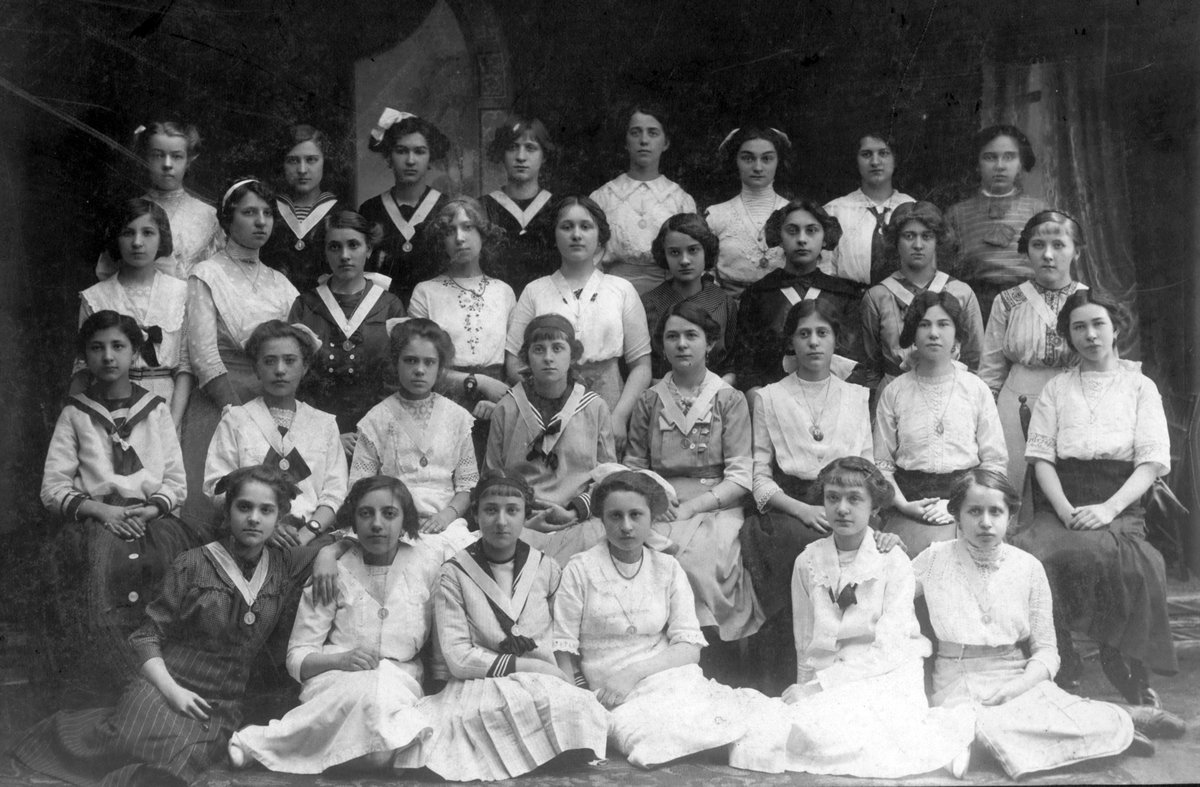
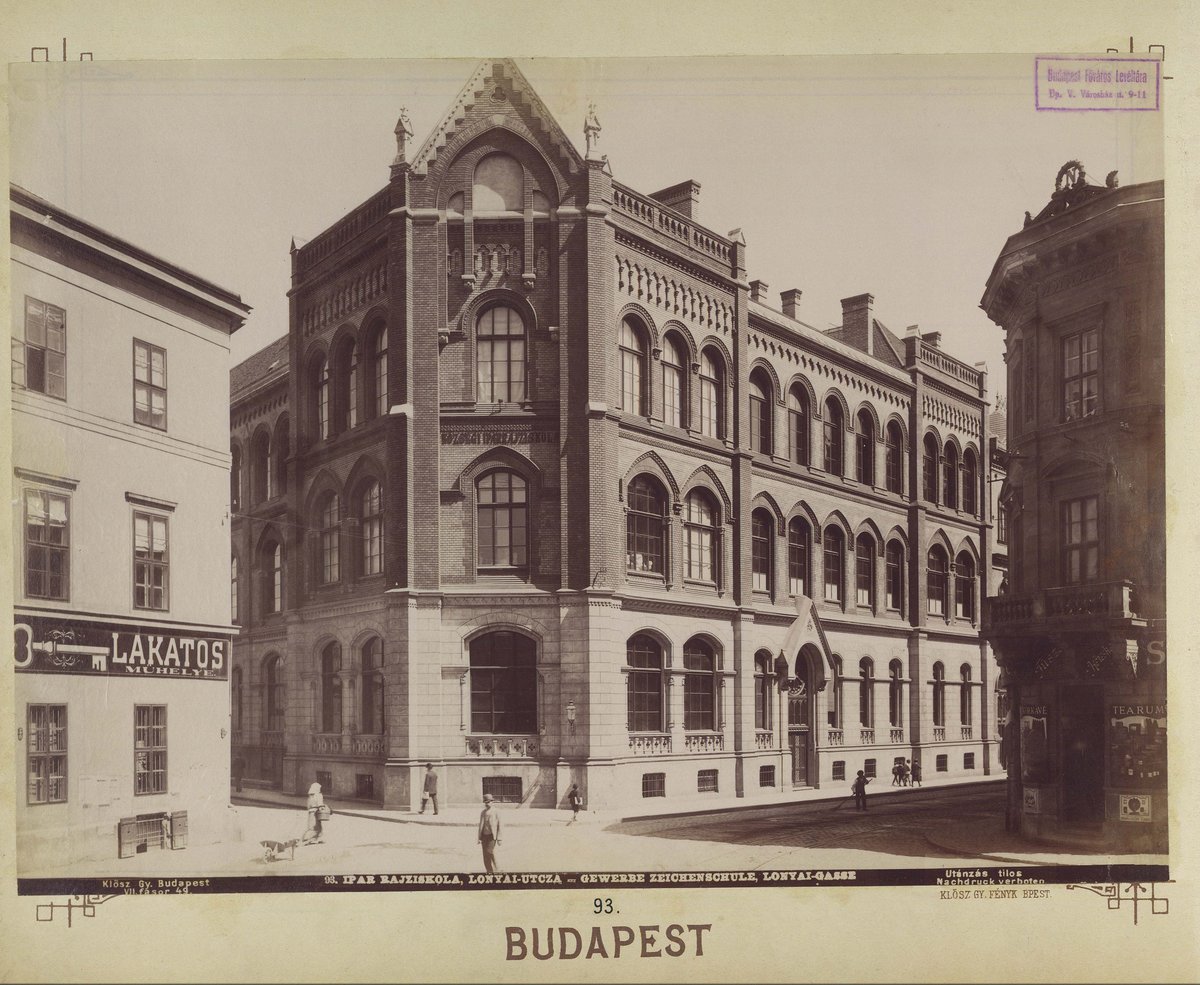
The foundations of Kisképző trace back to the late 18th century with the establishment of drawing schools in Pest, aimed at democratizing art education previously reserved for the elite. By the 19th century, the Municipal School of Industrial Drawing (Székesfővárosi Községi Iparrajziskola) was founded, inspired by similar institutions in Vienna and the broader European biedermeier movement, which emphasized simplicity and accessibility in the arts (kiskepzo.hu).
20th Century Evolution
Throughout Hungary’s turbulent 20th century, the school adapted to changing political and cultural landscapes. After World War II, it reopened as Szépmíves Líceum and later became the Képző- és Iparművészeti Gimnázium. The curriculum expanded to include fine and applied arts such as textile weaving, metalwork, ceramics, photography, and graphic design. The post-war era saw a focus on both artistic mastery and technical innovation (kiskepzo.hu).
Pedagogical Philosophy
Kisképző is renowned for its nurturing yet rigorous educational approach. Students are encouraged to pursue artistic exploration, supported by dedicated faculty and a vibrant community. The school’s pedagogical philosophy centers on creativity, critical thinking, and cultural literacy, contributing significantly to Hungary’s artistic and educational landscape (kiskepzo.hu).
Notable Alumni and Faculty
Generations of prominent artists, designers, and educators have emerged from Kisképző. Influential figures such as Bodóczky István and Gráber Margit have shaped the institution’s legacy and contributed to Hungary’s cultural life (kiskepzo.hu).
Architectural and Cultural Significance
Kisképző is housed in a historic building at 1093 Budapest, Török Pál utca 1, designed by József Kauser in 1893. Its eclectic architecture features ornate facades and high-ceilinged studios, reflecting Budapest’s rich urban fabric. The school is a living museum of art education, with annual exhibitions and events—such as the "Kisképző Év Végi Kiállítás" (Year-End Exhibition)—showcasing student talent and drawing visitors from across Hungary and beyond (school history; Mucsarnok exhibition).
Curriculum and Departments
Kisképző offers a broad curriculum that bridges traditional and contemporary art forms. Departments include:
- Painting
- Sculpture
- Graphic Design
- Fashion Design
- Photography
- Motion Pictures and Animation
- Ceramics
- Jewellery and Silversmithing
- Textile and Glass Design
Courses combine practical studio work with theoretical studies in art history, ethnography, and design, preparing students for creative careers or further education at institutions like the Moholy-Nagy University of Art and Design (school website; studyinhungary.hu).
Visitor Information
Location and Getting There
Kisképző is centrally located at Török Pál utca 1, in Budapest’s 9th district. It is easily accessible by public transport, including metro (Kálvin tér, M3 and M4 lines), tram, and bus routes (33traveltips.com).
Visiting Hours
- Monday–Friday: 9:00 AM – 5:00 PM
- Weekends & Public Holidays: Closed
Note: The school is an active educational institution; general visits are possible during public exhibitions and special events. Always check the official website for up-to-date visiting hours and event schedules.
Tickets and Entry
- General admission: Free
- Guided tours: Available by appointment; a small fee may apply
Exhibitions such as the annual Year-End Exhibition are typically open to the public, often free of charge. For group tours or special events, advance booking is recommended (school website).
Accessibility
The school provides wheelchair access and support for visitors with mobility challenges. Some areas of the historic building may have limited access—please contact the administration in advance to make arrangements (Kisképző Budapest Visitor Information).
Photography
Photography is permitted in designated areas during exhibitions, but flash and tripods are restricted. Always seek permission before photographing students or staff.
Guided Tours and Special Events
Guided tours offer insights into the school’s history, architecture, and educational approach. Special events—such as Budapest’s "Night of Museums" and the Year-End Exhibition—feature student artwork, workshops, and talks, providing immersive visitor experiences (Mucsarnok exhibition).
Nearby Attractions
Combine your visit to Kisképző with Budapest’s cultural highlights:
- Hungarian National Museum
- Great Market Hall
- City Park (Városliget)
- Buda Castle
- Andrássy Avenue (thethoroughtripper.com)
Practical Visitor Tips
- Best Time to Visit During annual exhibitions in late spring/early summer or Budapest’s "Night of Museums" in June
- Language Staff and students often speak English; signage is primarily in Hungarian
- Currency Hungarian Forint (HUF)
- Dress Code Smart-casual; comfortable footwear is recommended (Lonely Planet)
- Public Transport Budapest Card offers discounts on travel and museum entries (33traveltips.com)
Frequently Asked Questions (FAQ)
Q: What are the visiting hours?
A: Monday–Friday, 9:00 AM – 5:00 PM during public exhibitions; closed weekends and public holidays. Check the official website for updates.
Q: Is there an entry fee?
A: General admission is free; some guided tours or special events may require a nominal fee.
Q: Are guided tours available?
A: Yes, by appointment; contact the visitor center in advance.
Q: Is the building accessible for visitors with disabilities?
A: Wheelchair access is provided in most areas; contact the school to arrange specific accommodations.
Q: Can I take photographs?
A: Photography is permitted in exhibition areas; seek permission before photographing people.
Discover More
The Secondary School of Visual Arts Budapest—Kisképző—stands as a living testament to Hungary’s commitment to artistic excellence and education. Its unique blend of historical legacy, dynamic curriculum, and vibrant creative community make it a must-visit destination for art lovers and cultural explorers.
For up-to-date visitor information, event schedules, and guided tour bookings, visit the official website. Enhance your cultural itinerary by exploring related Budapest attractions, and download the Audiala app for interactive guides and updates. Connect with us on social media for the latest news and virtual tours.