History and Development
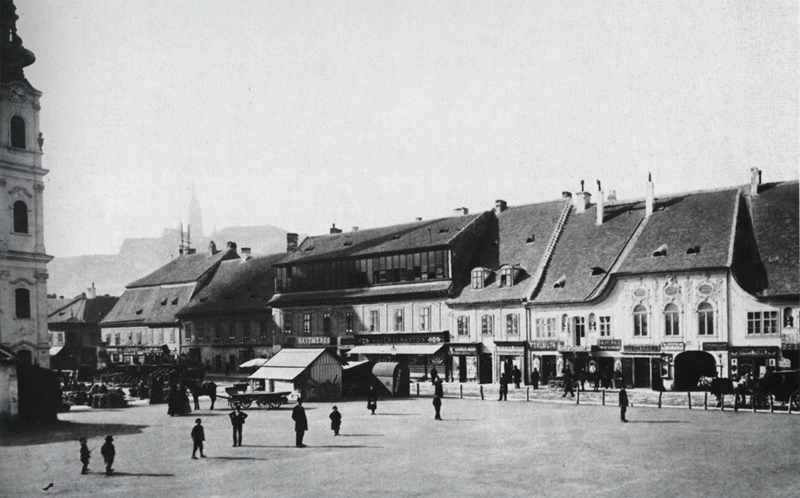
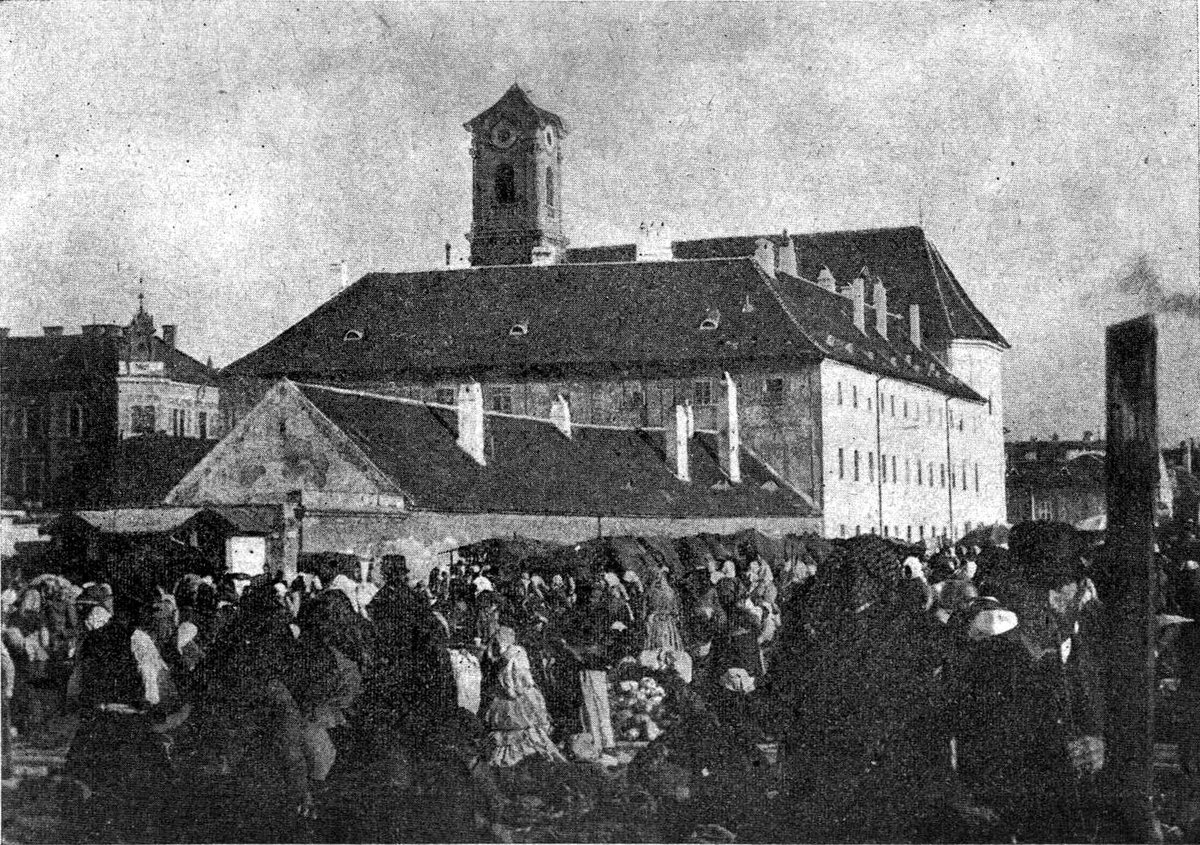
Batthyány Square dates back to the Middle Ages, when its riverbank location established it as a center for trade and settlement. Named after Count Lajos Batthyány, the area’s identity is closely tied to Hungary’s national history and struggle for independence (bookinbudapest.com). In the 18th and 19th centuries, the square became a vital marketplace and transport node. Modernization efforts, including flood protection initiatives in the 1870s, reshaped the urban landscape, creating unique features like sunken entrances to older buildings—visible reminders of the city’s adaptation over time.
Major Landmarks and Architectural Features
St. Anne’s Church
Built between 1740 and 1762, St. Anne’s Church is a Baroque jewel, known for its imposing façade, twin towers, and lavishly decorated interior. The church regularly hosts classical concerts and remains a central fixture of the square’s spiritual and cultural life (PromptGuides).
Batthyány Square Market Hall
Dating to 1900–1901, this market hall was designed by Pál Klunzinger and originally accommodated nearly 700 vendors in over 3,000 square meters of space. Its distinct ironwork, produced by the Schlick factory, and its brick façade make it an architectural highlight. Today, following a 2003 renovation, it continues to serve as a vibrant marketplace (Wikipedia: Batthyány Square Market Hall).
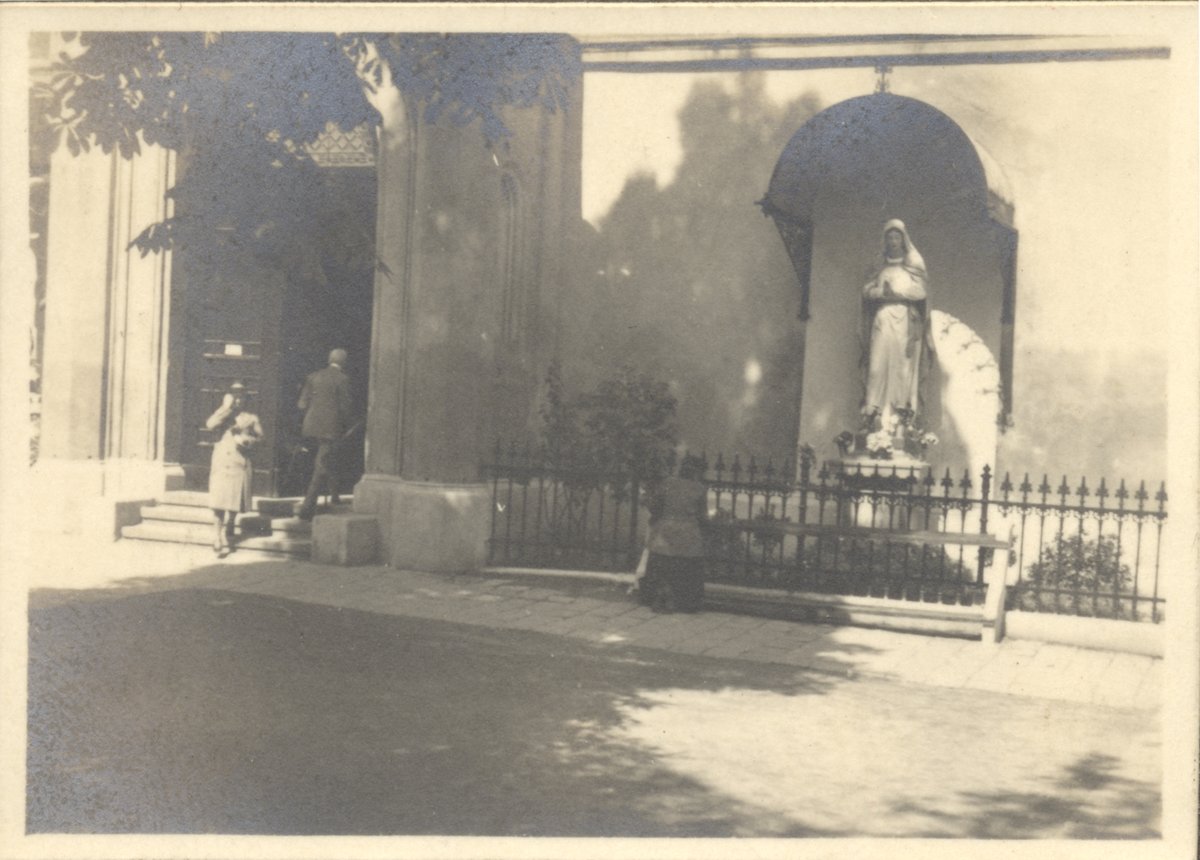
Church of the Stigmatisation of Saint Francis
A short walk from the main square, this church underscores the area’s rich religious heritage and its historical dual role as both a spiritual and commercial hub.
Monuments
- Statue of Count Lajos Batthyány A neoclassical monument honoring Hungary’s first Prime Minister and martyr, serving as a focal point for national commemorations (PromptGuides).
- Ferenc Kölcsey Memorial Dedicated to the poet of Hungary’s national anthem, reinforcing the square’s importance in the country’s cultural memory.
Other Notable Buildings
- Hikisch House At No. 3 Batthyány Square, this 19th-century residence is adorned with bas-reliefs symbolizing the four seasons.
- White Cross Inn (Fehér Kereszt fogadó) A late 18th-century Rococo house, once a hub for travelers and artists (Travel Guide Budapest).
Visiting Information: Hours, Tickets, Accessibility
Batthyány Square is open to the public around the clock, with no admission fee.
- St. Anne’s Church Generally open 9:00 AM–6:00 PM; entry is free, with donations appreciated. Concerts and special events may require separate tickets.
- Batthyány Market Hall Open Monday to Saturday, 6:00 AM–6:00 PM; closed on Sundays; no entry fee.
- Guided Tours Walking and boat tours are available through various operators; tickets can be purchased online or at local tourist offices.
Accessibility: The square, market hall, and public transport links (Metro Line 2, HÉV Line H5, trams, and buses) are wheelchair accessible, with elevators and ramps at key locations.
Travel Tips and Guided Tours
- Getting There Use Metro Line 2 (Batthyány tér station), HÉV Line H5 to Szentendre, or tram lines 19 and 41 for scenic Danube routes.
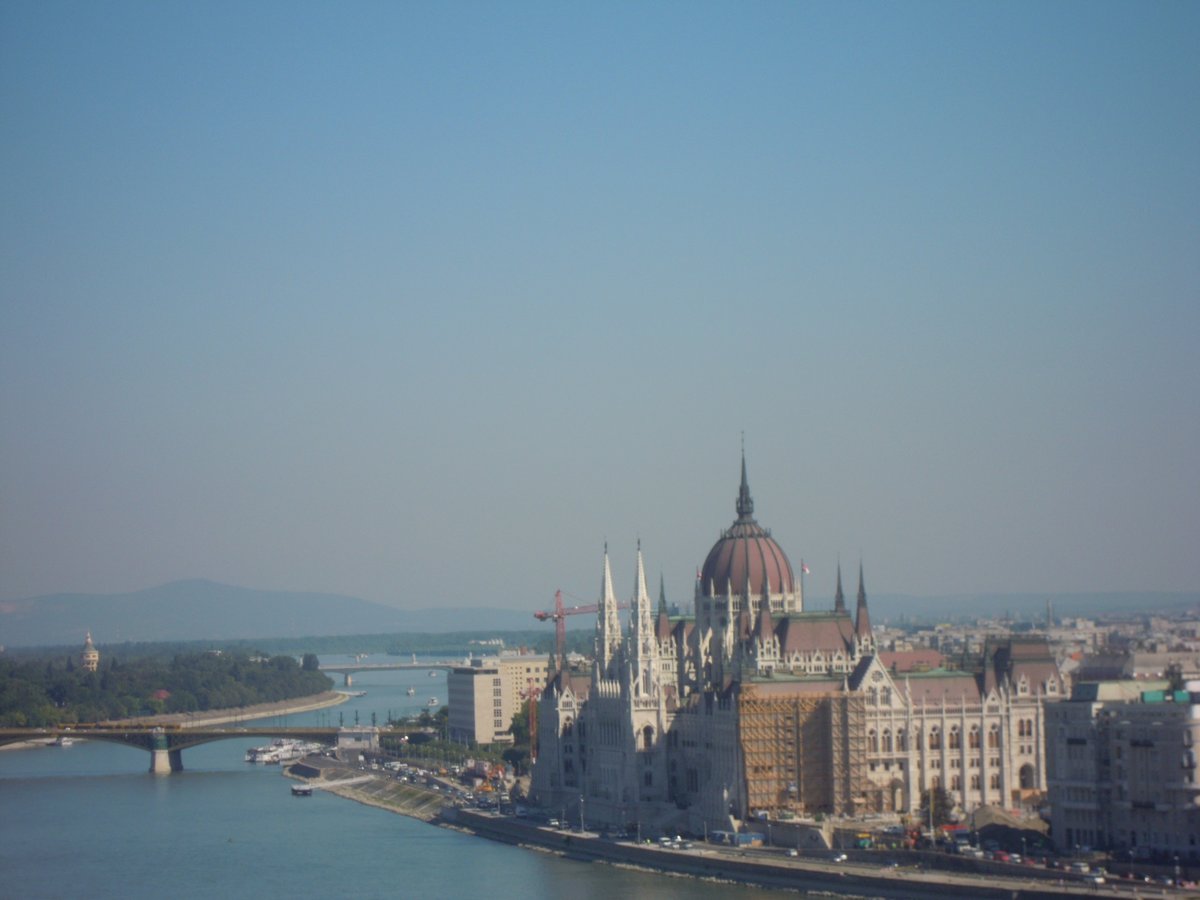
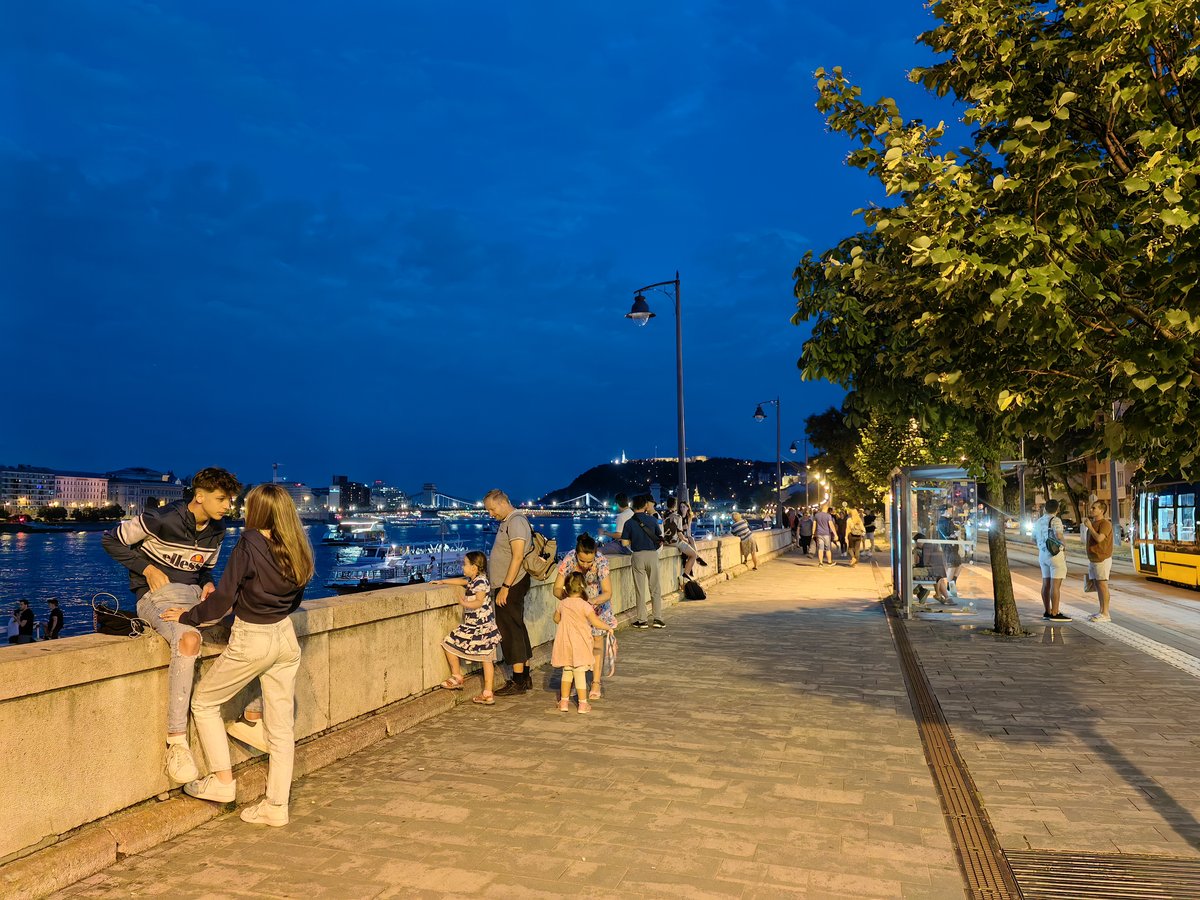
- Best Photo Opportunities The riverside promenade is ideal for capturing the Parliament, Chain Bridge, and sunset views.
- Local Dining Enjoy Hungarian pancakes at Nagyi Palacsintázója or coffee at the Angelika café.
- Events Look out for classical concerts at St. Anne’s Church and seasonal markets in the square.
Nearby Attractions
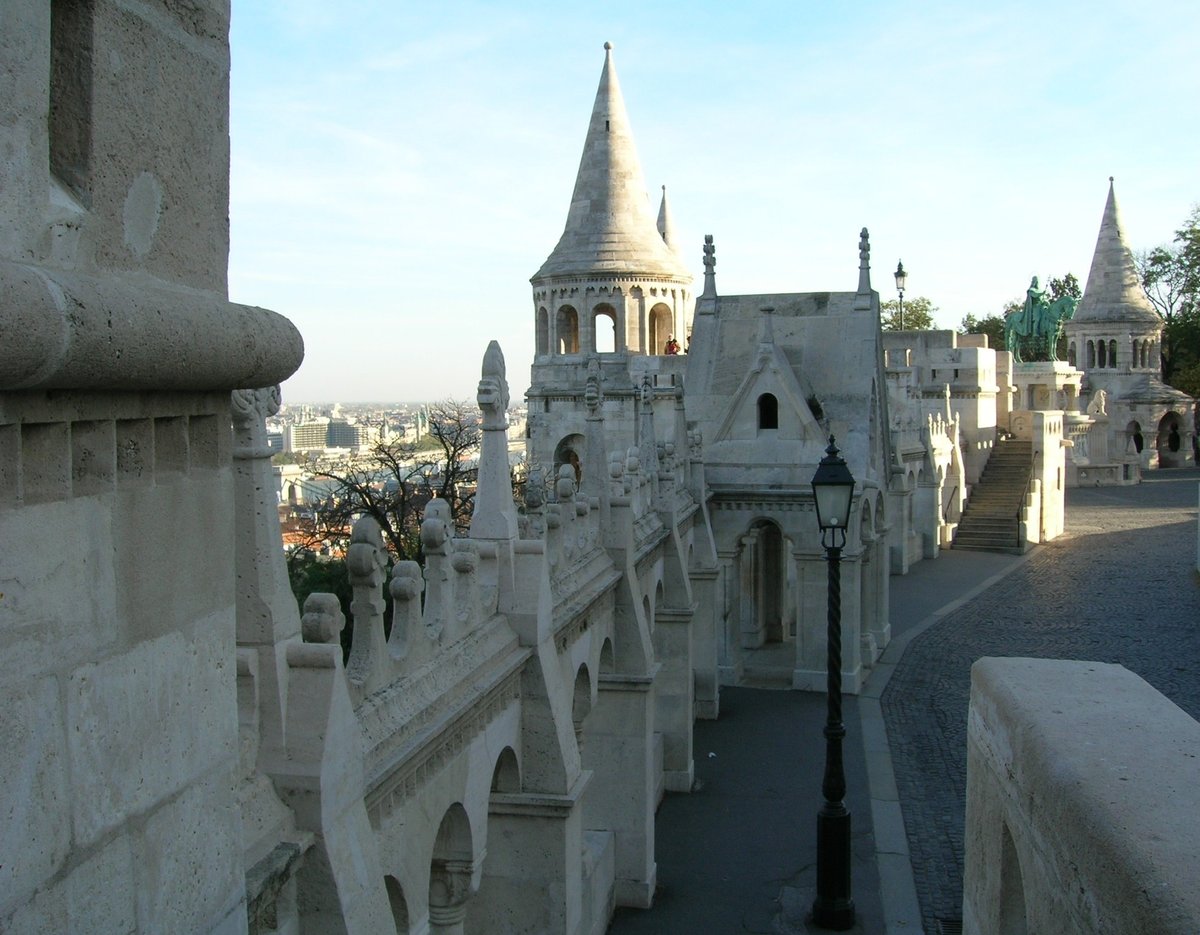
- Fisherman’s Bastion A neo-Gothic terrace offering panoramic city views, about 800 meters away.
- Chain Bridge The famous suspension bridge, a 10-minute walk from the square.
- Király Thermal Bath One of Budapest’s renowned historic baths, located nearby.
- Buda Castle District Easily accessible by foot, funicular, or bus, this UNESCO World Heritage site includes Buda Castle and the Hospital in the Rock (hoponhopoff-budapest.com).
Modern Use and Community Life
Today, Batthyány Square is a thriving transport hub, market center, and social space. The area is animated by daily markets, local cafés, and community events. Restoration efforts have preserved its architectural integrity while accommodating modern needs.
Frequently Asked Questions (FAQ)
Q: Is there an entrance fee for Batthyány Square?
A: No, the square and most attractions are free to enter. Some guided tours and special concerts may have fees.
Q: What are the visiting hours for St. Anne’s Church?
A: Usually 9:00 AM–6:00 PM; hours may differ during religious services.
Q: Is Batthyány Square wheelchair accessible?
A: Yes, with accessible public transport and ramps at main sites.
Q: Where are the best photo spots?
A: The Danube promenade for Parliament and Chain Bridge views, especially at sunset.
Q: Are guided tours available?
A: Yes, walking and boat tours can be booked online or locally.