
Origins of Thermopolia in Roman Society
The term thermopolium derives from Greek, meaning “a place where something hot is sold.” These establishments began to proliferate in Roman cities as early as the late 2nd to early 1st centuries BCE, responding to the needs of urban dwellers—especially those whose homes lacked private kitchens (pompeiiarchaeologicalpark.com). By 79 CE, Pompeii boasted over 80 thermopolia, each catering to a cross-section of society (seepompeii.com).
Social and Economic Functions
Thermopolia were more than food stalls; they were dynamic centers for socialization, commerce, and even information exchange. Workers, travelers, and locals mingled at these counters, forging connections over quick meals. Many thermopolia were family-run businesses, offering economic mobility to freedmen and lower-class citizens. The prevalence of these establishments—almost one per 100 residents—highlights their significance in Pompeian urban life (planetpompeii.com).
Architectural Features
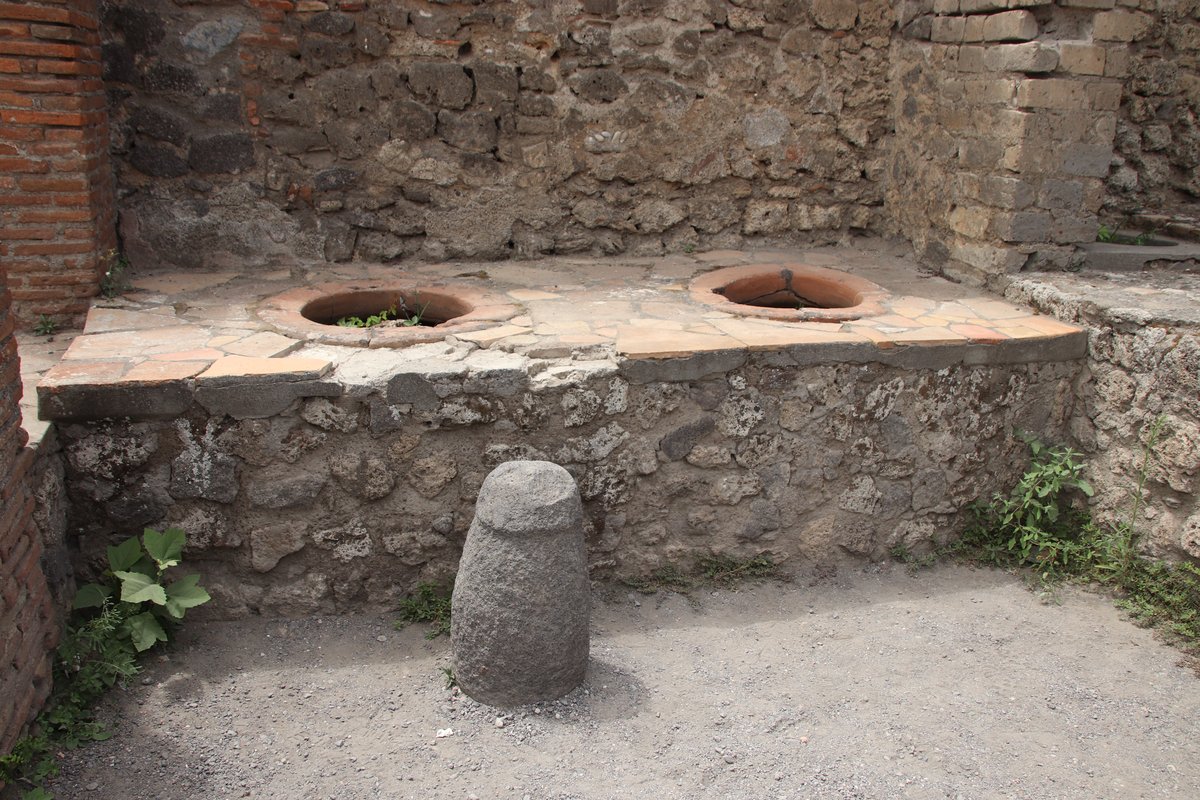
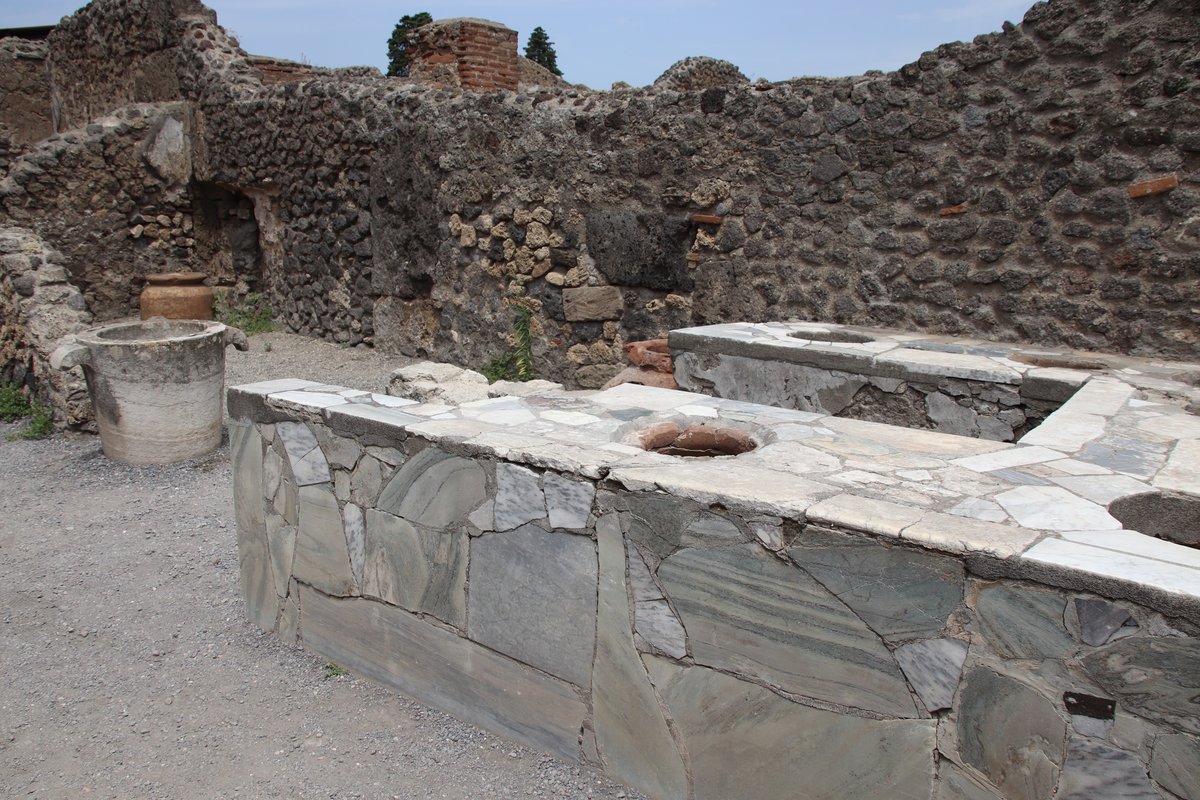
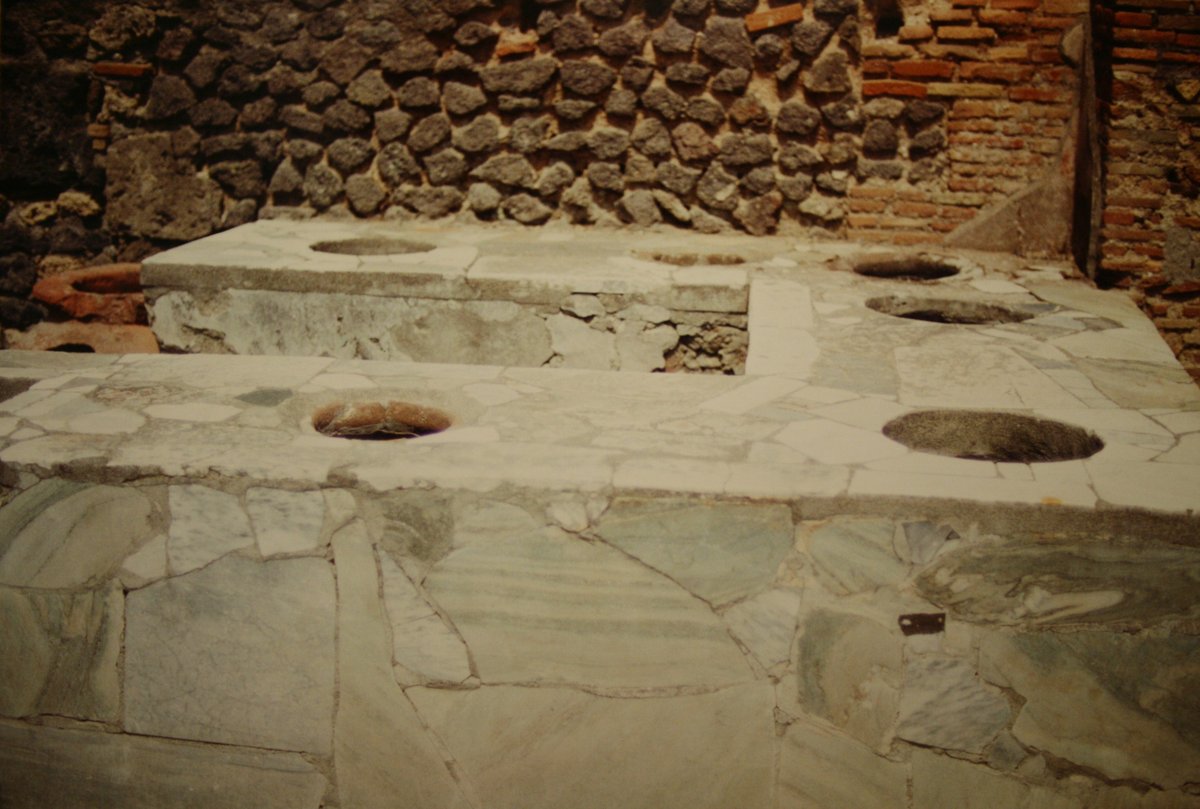
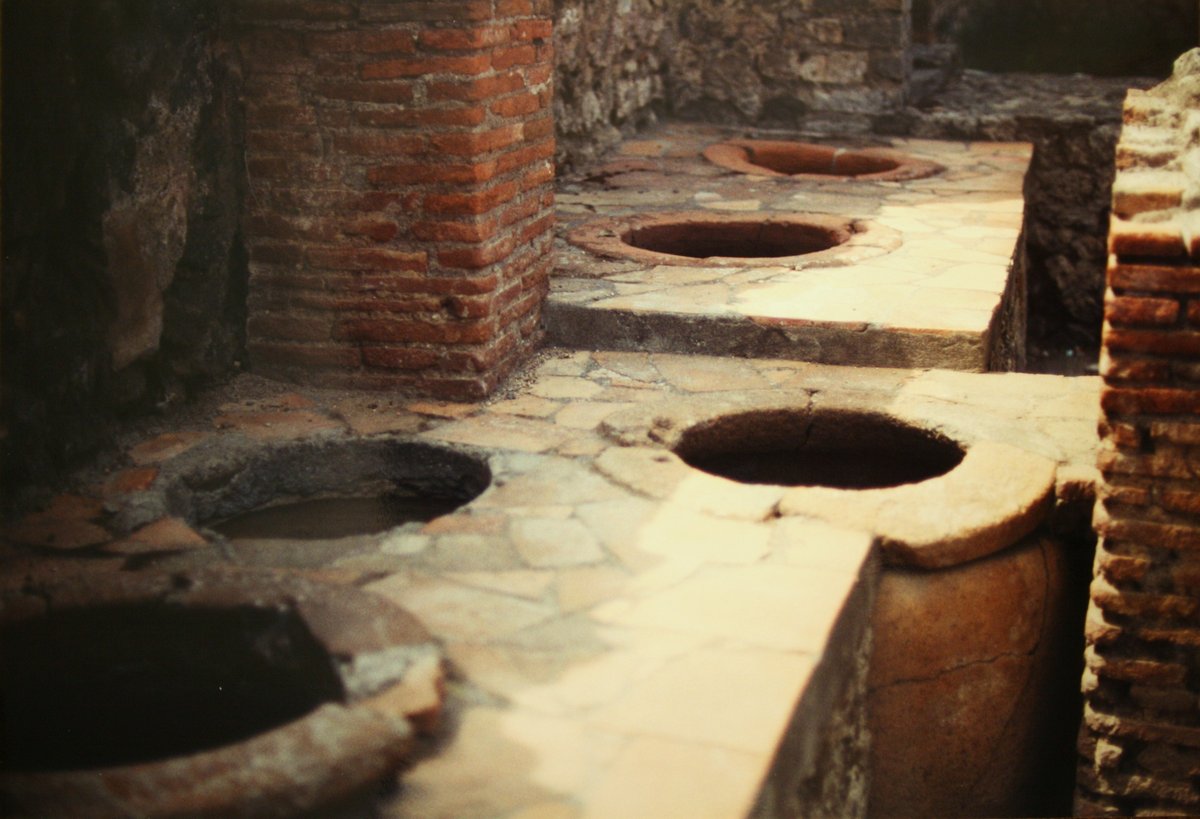
The hallmark of a thermopolium was its masonry counter, often L- or U-shaped, faced with marble and embedded with dolia (large terracotta jars) for storing hot and cold foods. Thermopolium VI.8.8 features a prominent marble counter with four dolia, a hearth for heating meals, and traces of frescoes that acted as visual menus. Many thermopolia were open to the street, maximizing accessibility and drawing in passersby with the sights and smells of food (Pompeii in Pictures).
Culinary Offerings and Dining Customs
Menus at thermopolia were simple but diverse, featuring staples like bread, cheese, olives, lentils, eggs, fish, and meat. Archaeological residue analysis at VI.8.8 revealed remains of lentils, nuts, dried fruits, and stews. Wine, often diluted and spiced, was a typical beverage. Customers usually ate standing at the counter, though some thermopolia included small back rooms or outdoor benches (pompeiiarchaeologicalpark.com, History Learning).
Location, Layout, and Decorative Elements
Location and Urban Context
Thermopolium VI.8.8 stands in Regio VI, Insula 8, along Via delle Terme—close to the Forum Baths and central Pompeii landmarks like the House of the Faun. This prime spot ensured high visibility and foot traffic (Mapcarta).
Layout and Construction
- Counter & Dolia The marble-faced counter holds four dolia, each with a capacity of 40–70 liters.
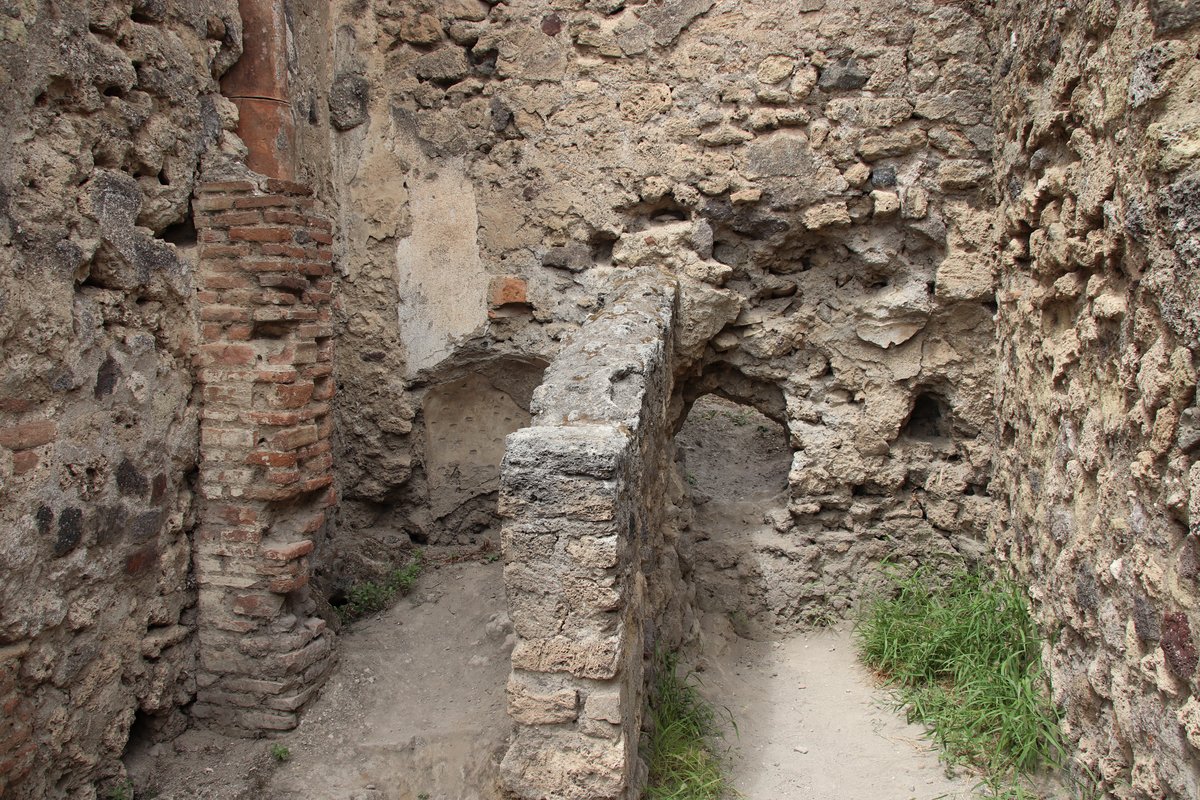
- Service Room Behind the counter, two steps lead to a rear area for food prep and storage, with a hearth for hot meals.
- Upper Floor Nearby stairs (at VI.8.10) suggest possible upper-floor living or storage, typical of Pompeian eateries (Pompeii in Pictures).
Decorative Elements
- Frescoes Painted images of eggs, olives, meats, and possibly mythological scenes adorned the counter and walls, serving as both menu and advertisement (History Learning).
- Graffiti Walls are inscribed with casual messages, prices, and political slogans—evidence of the bustling, communal nature of the space.
Archaeological Discoveries
Excavations have uncovered carbonized food remains, serving vessels, and pottery shards. Dolia at VI.8.8 bear stamps from the workshop of Aulius Appuleius Hilarionis, revealing regional trade networks. Graffiti and lararia (shrines) with frescoes of deities such as Mercury and Dionysus reflect the intertwining of commerce, religion, and daily life (Pompeii in Pictures, Scavi di Pompei).
Visiting Hours, Tickets, and Accessibility
- Opening Hours Pompeii Archaeological Park is generally open from 9:00 AM to 7:30 PM (April–October, last entry 6:00 PM) and 9:00 AM to 5:00 PM (November–March, last entry 3:30 PM). Check the official website for updates.
- Tickets Standard entry is €19, with reduced rates for EU citizens aged 18–25 and free entry for children under 18. Advance online purchase is recommended (Pompeii Ticketing).
- Accessibility Thermopolium VI.8.8 is on a relatively flat stretch of Via delle Terme but ancient paving and steps may pose mobility challenges. The “Pompeii for All” accessible route covers main areas; check park resources for details (Pompeii Sites).
Practical Tips for Visitors
- Best Times Visit early morning or late afternoon to avoid crowds. Weekdays and the off-season (November–March) are quieter.
- Footwear Wear comfortable shoes; ancient streets are uneven.
- Photography Permitted for personal use, but avoid flash. Professional equipment or drones require permits.
- Etiquette Do not touch or lean on ancient surfaces. Eating and drinking are restricted to designated areas.
- Facilities Restrooms and water fountains are near main entrances; bring your own refreshments for breaks outside archaeological areas (Along Dusty Roads).
Nearby Attractions
Thermopolium VI.8.8 is close to:
- Forum Baths
- House of the Faun
- The Forum and its temples
- The Basilica
- The Large Theater
Guided tours often include these highlights, offering a comprehensive Pompeii experience (The Tour Guy).
Frequently Asked Questions (FAQ)
What are the visiting hours for Thermopolium VI.8.8?
Pompeii is open 9:00 AM–7:00 PM (April–October) and 9:00 AM–5:00 PM (November–March); last entry is 90 minutes before closing.
How do I buy tickets?
Purchase online via the official ticketing site; tickets are nominative and date-specific.
Is Thermopolium VI.8.8 wheelchair accessible?
The area is relatively flat, but ancient paving and steps may require assistance; check the “Pompeii for All” route for accessibility.
Are guided tours available?
Yes, bookable in advance or on-site. Audio guides and mobile apps are also available.
Can I take photos?
Yes, except with flash or professional equipment without a permit.