Visiting Hours and Ticket Information
-
Opening Hours
Pompeii Archaeological Park is typically open from 9:00 AM to 7:30 PM (last entry 6:00 PM) from April to October, and 9:00 AM to 5:00 PM (last entry 3:30 PM) from November to March. Always confirm current hours on the official website. -
Tickets
- Adults: ~€16
- Reduced (EU citizens 18–25): ~€2
- Free for children under 18
- Combined tickets with sites like Herculaneum are available.
Tickets can be bought online or at the entrance. Purchase online to avoid queues.
Getting to Region VIII and Accessibility
-
Location
Region VIII lies in the southern and southwestern part of Pompeii, near major landmarks like the Forum and Stabian Baths. -
Entrances
The Porta Marina entrance is most convenient for accessing Region VIII and House VIII.6.1. -
Accessibility
Pompeii’s ancient streets are uneven, but main routes have been improved for accessibility. Some areas remain challenging for wheelchair users; check the latest details and consider advance planning.
Guided Tours and Travel Tips
-
Guided Tours
Numerous reputable operators offer tours of Region VIII, focusing on its temples, theaters, and elite residences such as House VIII.6.1. Official guides provide crucial historical and architectural context. -
Optimal Visiting Times
Early morning and late afternoon are best for avoiding crowds and heat. -
Photography
Early daylight is ideal. Respect site rules—no flash or tripods.
Region VIII: Historical and Architectural Highlights
-
Doric Temple (Sanctuary of Athena and Hercules)
One of Pompeii’s oldest structures, showing Greek influence. -
Temple of Isis
Reflects the city’s multicultural religious landscape. -
Theatres and Gladiators’ Barracks
Evidence of Pompeii’s vibrant entertainment life. -
Residential Architecture
Elite houses like VIII.6.1 blend public and private spaces, boasting intricate frescoes, peristyle gardens, and advanced water features.
Everyday Life in Ancient Pompeii
Walking through Region VIII, visitors experience the close integration of commercial and domestic life. Shops, workshops, and homes clustered together, reflecting how commerce and daily routines intertwined. Domus such as House VIII.6.1 typically included an atrium (main hall), cubicula (bedrooms), and a peristyle garden, carefully designed for social rituals and family life.
Archaeological Significance and Preservation
Excavations in Region VIII have been ongoing since the 18th century, yielding invaluable artifacts and architectural insights. Preservation efforts focus on stabilizing ancient structures and conserving wall paintings, ensuring that future generations can experience Pompeii’s unique heritage.
Nearby Attractions
-
Pompeii Forum
The civic and commercial heart of the ancient city. -
Stabian Baths
The largest and oldest public baths in Pompeii. -
Other Domus in Region VIII
Several elite houses offer further glimpses into ancient Roman life. -
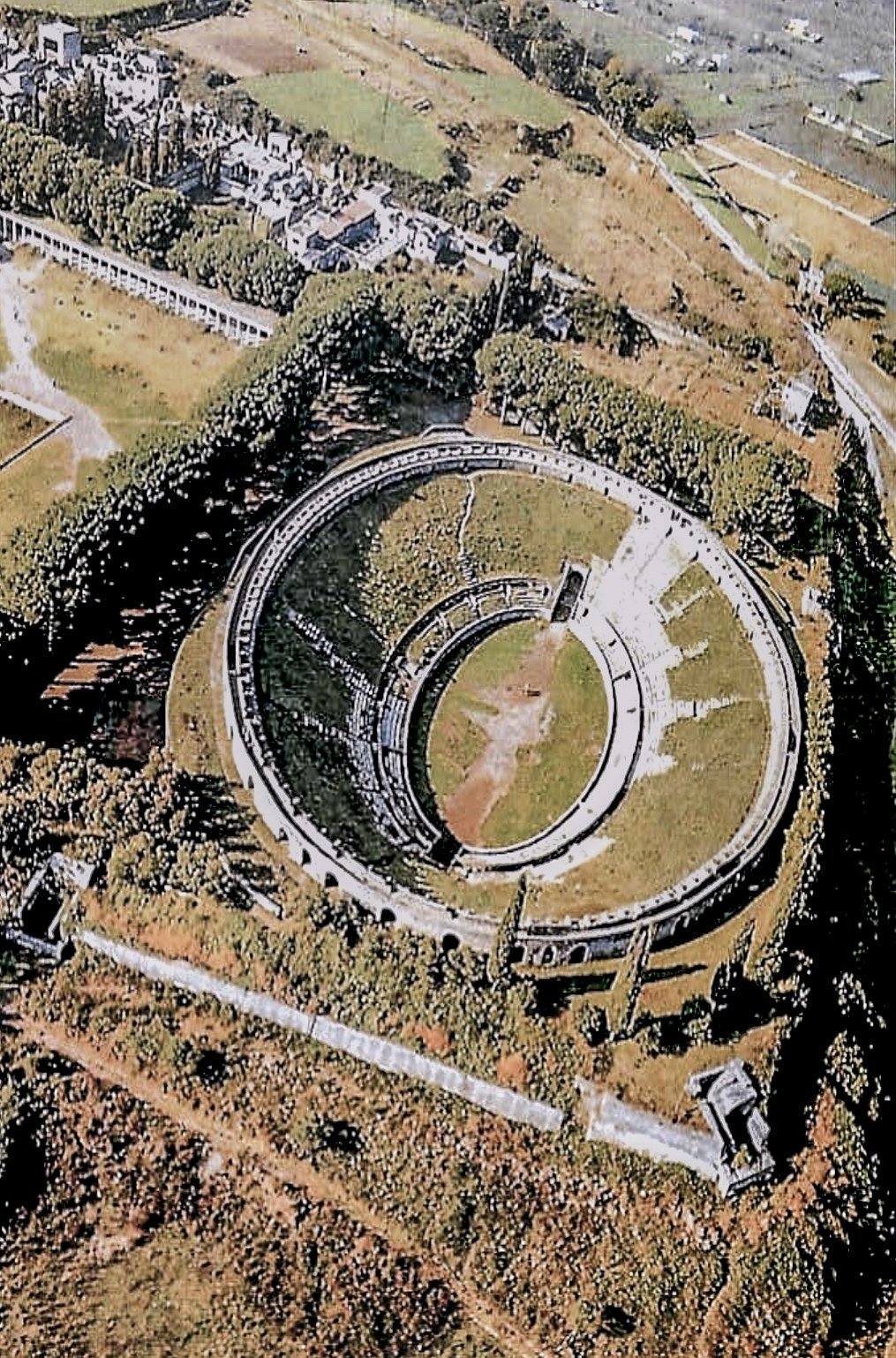
Amphitheatre
Explore gladiatorial history in one of the oldest Roman amphitheaters.
House VIII.6.1: Layout, Features, and Notable Discoveries
Location and Context
House VIII.6.1 is located in Regio VIII, Insula 6, a central area near major civic landmarks (Pompeii Archaeological Park).
Architectural Layout
-
Façade
Modest, windowless, built of tufa and lava stone, sometimes with adjacent shops (pompeionline.net). -
Entrance and Atrium
The vestibulum leads to an atrium—a central open hall with a compluvium (roof opening) and impluvium (water basin). Surrounding rooms include cubicula, alae, and a tablinum (main reception room). -
Peristyle Garden
Columns surround a private garden, often with fountains, mosaics, and mythological frescoes (madainproject.com). -
Triclinium
The dining room, oriented toward the peristyle, decorated with intricate wall paintings. -
Service Spaces
Kitchens and storage rooms are set toward the rear, with evidence of domestic labor and daily routines. -
Upper Floors
Some houses had upper stories, though most wooden structures have not survived (pompeionline.net).
Decorations and Artifacts
-
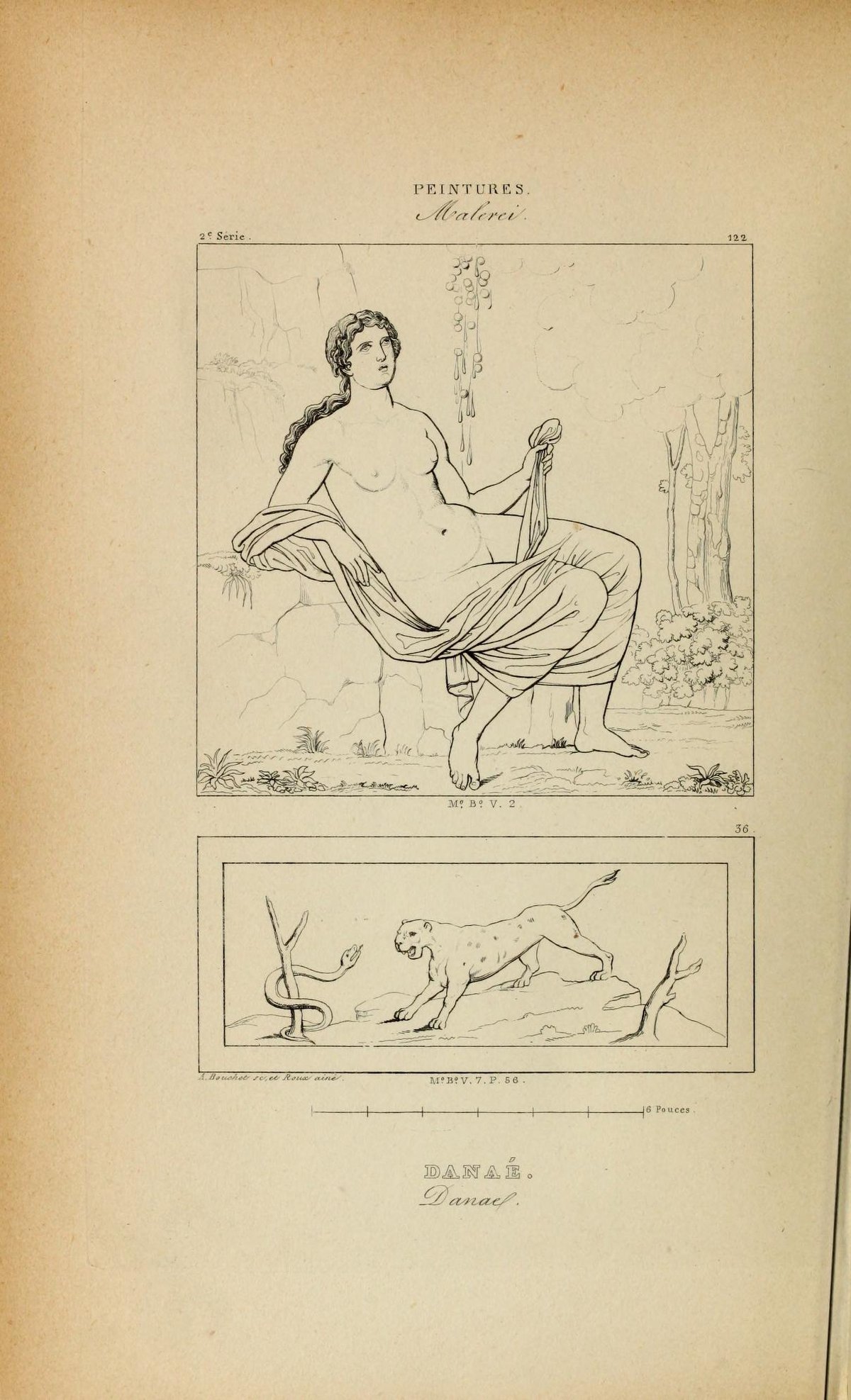
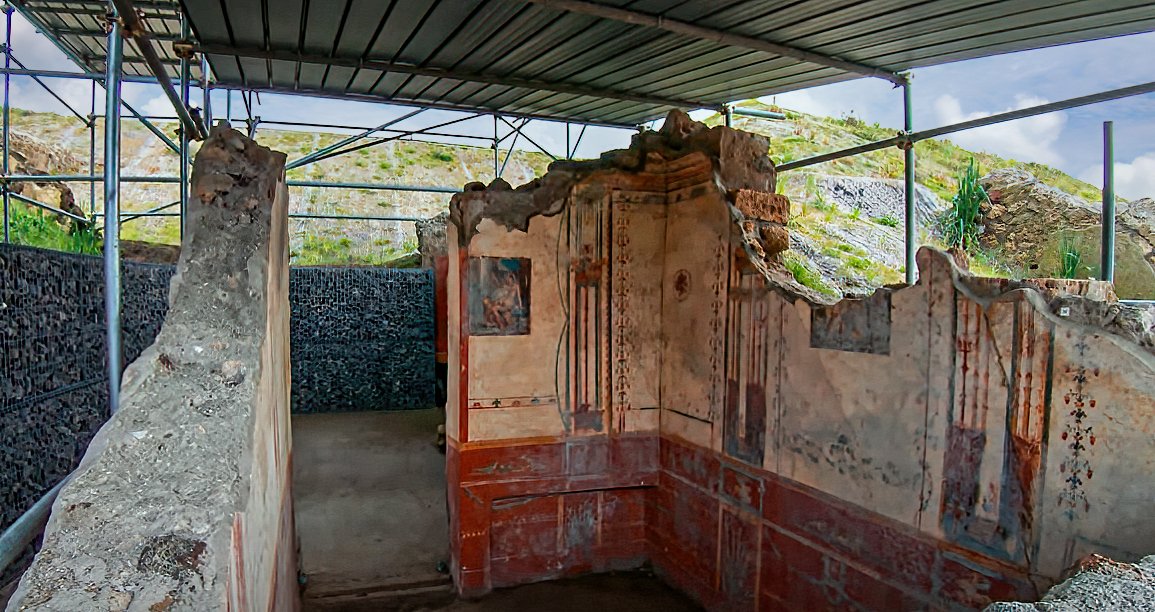
Wall Paintings
Fourth Style frescoes with mythological and architectural motifs. -
Mosaics
Opus signinum and geometric designs on floors. -
Artifacts
Pottery, utensils, oil lamps, and personal items reveal daily life (thearchaeologist.org).
Archaeological and Cultural Insights
House VIII.6.1 provides a microcosm of Roman society:
- The atrium was the stage for daily salutatio (patron-client greetings).
- Lararia (household shrines) and ancestral images reflect religious and familial values.
- Evidence of both public hospitality and private family life is found in spatial organization.
Visitor FAQs
Q: Can I visit House VIII.6.1 independently?
A: Yes, it is part of the general Pompeii archaeological park; some areas may be restricted for conservation.
Q: Are guided tours available?
A: Yes, many guides and tour companies include House VIII.6.1 in their itineraries.
Q: How do I purchase tickets?
A: Tickets are available online, at the entrance, or through authorized resellers. Online purchase is recommended.
Q: Is the house accessible for people with disabilities?
A: Accessibility is partial; uneven terrain may pose challenges.
Q: What are the best photo spots?
A: The atrium, peristyle garden, and frescoed rooms offer excellent opportunities.
Practical Tips for Your Visit
- Arrive early or late for fewer crowds and cooler temperatures.
- Comfortable footwear is essential due to uneven surfaces.
- Bring water, sun protection, and a hat—shade is limited.
- Respect preservation rules do not touch frescoes/artifacts, and follow all posted guidelines.
- Consider using digital guides or the Audiala app for enriched interpretation.