
Historical Context: The Role of Shops in Pompeii
Pompeii was a thriving city of around 12,000 inhabitants, with a bustling economy rooted in agriculture, artisanal production, and trade (mariamilani.com). Shops, or tabernae, lined the main streets and forums, serving as bakeries, food stalls, workshops, and retail outlets (pompeiiarchaeologicalpark.com). These commercial hubs were also social gathering spots, where residents and travelers mingled.
Entrepreneurs of all backgrounds—including women and freedmen—played active roles in the retail economy. Graffiti and frescoes depict the diversity of Pompeii’s commercial life, underscoring the city’s multicultural and inclusive social landscape (thehistorianshut.com).
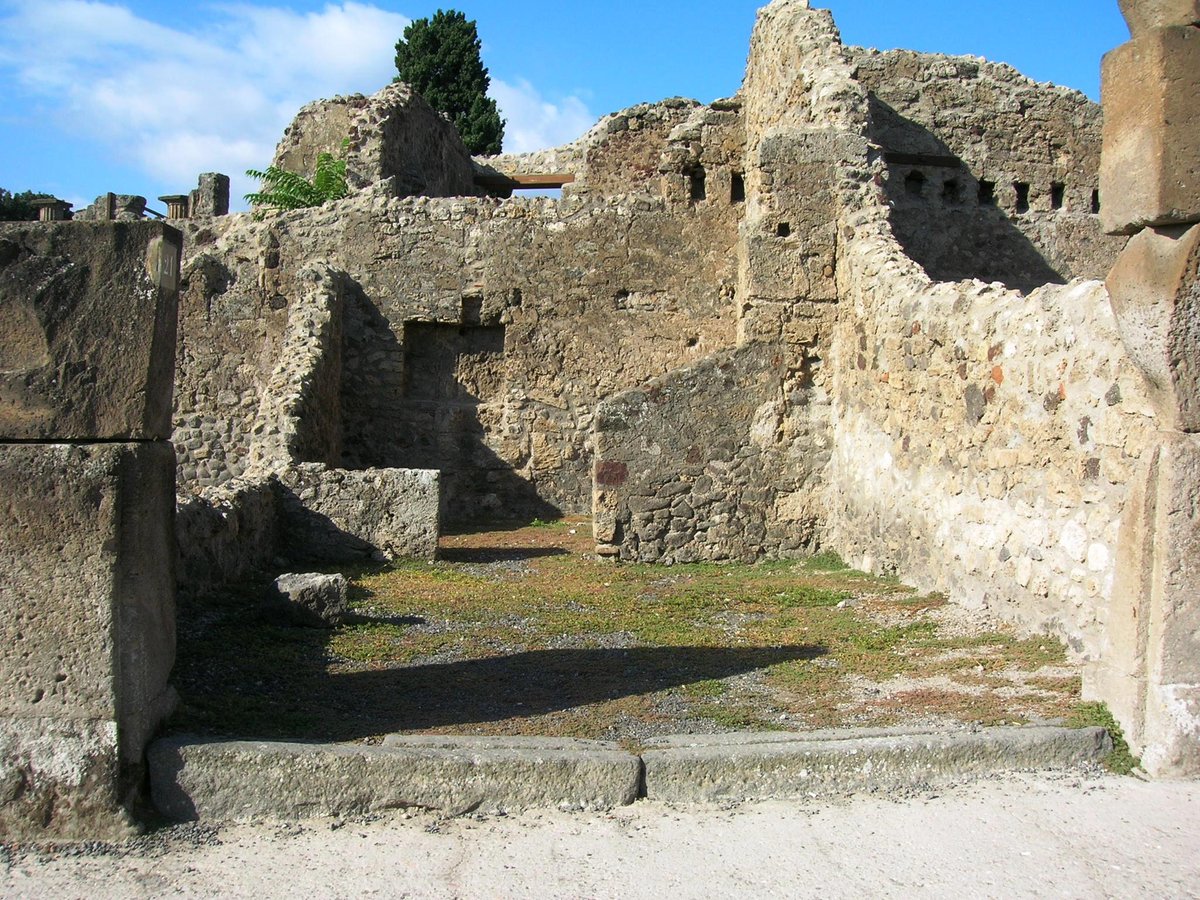
Shop (VIII.4.21): Location, Layout, and Artifacts
Shop (VIII.4.21) is located in Insula 4 of Regio VIII, at the crossroads of Via dell’Abbondanza and Via Stabiana. This prime location in a dense commercial cluster reflects the mixed-use planning typical of Pompeii (Pompeii in Pictures).
Architectural Features:
- Wide, street-facing entrance with slotted doorways for shutters
- Main commercial room and possible rear storage/living space
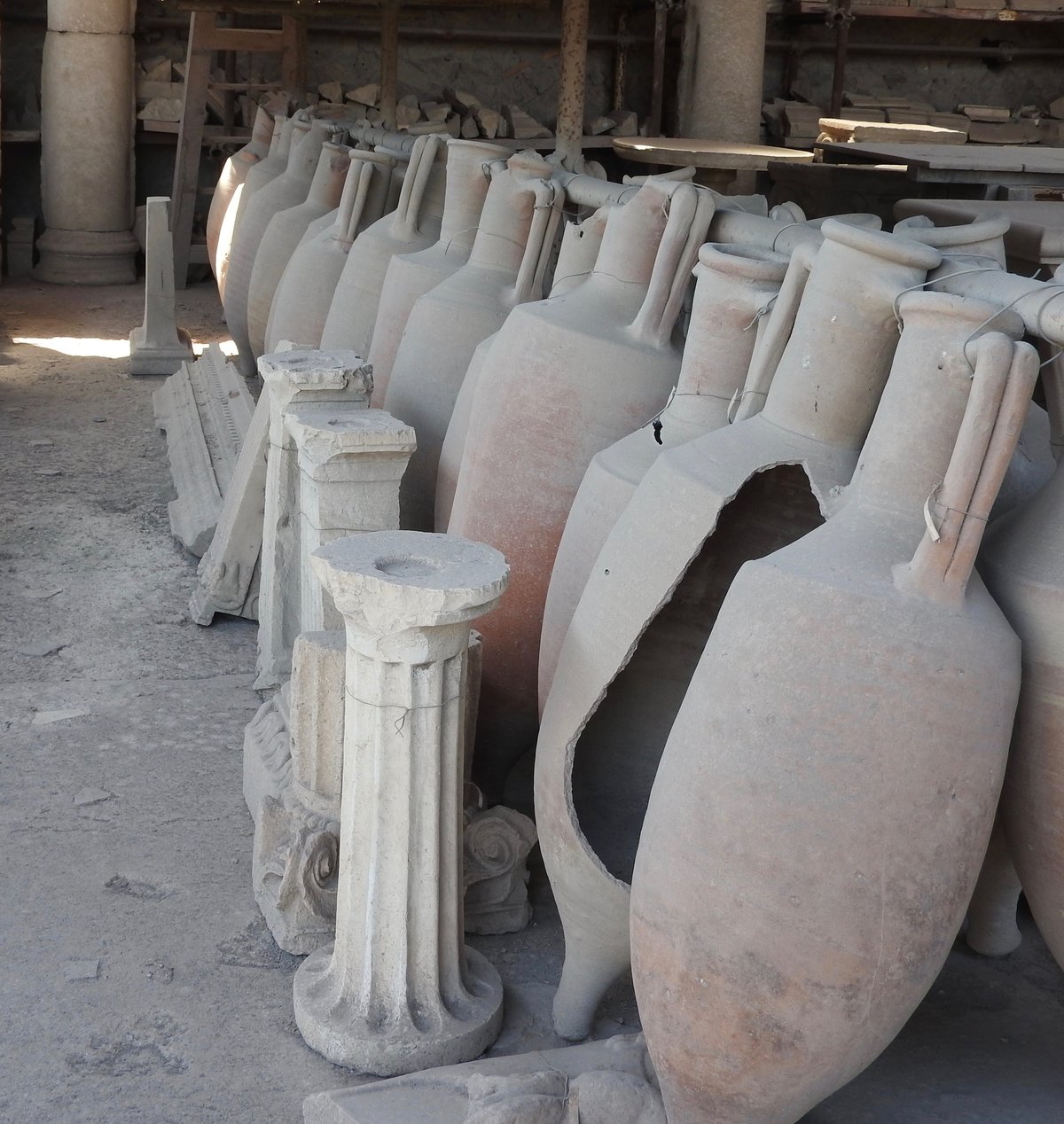
- Counters (often with embedded dolia, or storage jars)
- Wall graffiti and painted advertisements visible on façades
Artifacts and Evidence:
- Scales, coins, and carbonized food remains
- Graffiti indicating commercial activity and social exchanges
- Traces of wall paintings and shelving niches (Lighthouse MQ)
The shop’s proximity to other commercial units and residential spaces exemplifies the integration of work and home in Roman urban life.
Visiting Hours, Tickets, and Accessibility
Opening Hours:
- Summer: 9:00 AM – 7:30 PM (last entry 6:00 PM)
- Winter: 9:00 AM – 5:00 PM (last entry 3:30 PM)
- Check official site for seasonal changes and special events.
Tickets:
- Standard adult: €16
- Discounts for EU citizens (18–25); free for children under 18
- Combined tickets with nearby sites (like Herculaneum) available
- Purchase online in advance or at the entrance (Official Pompeii Website)
Accessibility:
- "Pompeii for All" route offers improved access, but some ancient streets are uneven
- Wheelchair users may encounter challenges near Shop (VIII.4.21); plan accordingly
COVID-19 Protocols:
- Check the latest health and safety measures on the official website
Getting to Pompeii
- By Train Circumvesuviana line from Naples Central Station to Pompeii Scavi-Villa dei Misteri (30–40 minutes)
- By Car About 30 minutes from Naples via the A3 motorway
- By Tour Many operators offer packages including transport and guided tours
Practical Visitor Tips
- Footwear Wear sturdy, comfortable shoes for uneven ancient stones (worldtravelconnector.com)
- Sun Protection Bring a hat, sunglasses, and sunscreen; shade is limited
- Hydration Carry a refillable water bottle; fountains are spaced far apart
- Maps & Guides Obtain a free map at the entrance or download the official Pompeii app for navigation
- Photography Non-flash photography is allowed; tripods and large bags may be restricted
- Respect Barriers Do not touch or climb on ruins; follow signage and staff instructions
- Time Management Allow at least 6 hours for a comprehensive visit, including commercial areas (Krista the Explorer)
Preservation and Responsible Tourism
Pompeii’s preservation relies on both ongoing conservation and visitor responsibility.
- Do not touch or remove artifacts
- Support local businesses Buy souvenirs and refreshments from authorized vendors
- Use refillable bottles and minimize waste
- Stay on marked paths to protect sensitive areas (UNWTO; Pompeii Archaeological Park)
Nearby Attractions
- Forum The civic heart of Pompeii
- House of the Faun One of the largest and most luxurious homes
- Amphitheater The oldest surviving Roman amphitheater
- Naples National Archaeological Museum Home to many artifacts from Pompeii
- Herculaneum Another buried Roman city nearby
- Mount Vesuvius Hiking trails and views of the volcano
Frequently Asked Questions (FAQ)
Q: What are the opening hours for Shop (VIII.4.21)?
A: It is accessible during Pompeii’s general visiting hours—typically 9:00 AM to 7:30 PM in summer, 9:00 AM to 5:00 PM in winter.
Q: How do I buy Pompeii tickets?
A: Tickets can be purchased online through the official site or at the entrance.
Q: Is Shop (VIII.4.21) wheelchair accessible?
A: Partial accessibility is available; ancient paving stones and uneven terrain may limit access.
Q: Are guided tours available?
A: Yes, many guided tours include Regio VIII and focus on Pompeii’s commercial life.
Q: Can I take photos inside Shop (VIII.4.21)?
A: Non-flash photography is allowed. Respect barriers and preservation rules.
Summary and Recommendations
Visiting Shop (VIII.4.21) provides a unique window into Pompeii’s commercial and social history. The shop’s architecture, artifacts, and location reveal the rhythms of ancient trade and urban life. For an optimal experience:
- Book tickets online and arrive early
- Wear sturdy shoes and bring sun protection
- Consider a guided tour or download the official app for deeper context
- Respect preservation efforts and practice responsible tourism
Combining your visit with nearby highlights, and using digital resources like the Audiala app, will enrich your understanding and enjoyment of this extraordinary archaeological site.