Historical Context of Pompeii’s Commercial Life
Urban Structure and the Role of Shops
Pompeii’s sophisticated city planning integrated commercial establishments, or tabernae, into nearly every major street. The main arteries—like the Via dell’Abbondanza—were lined with shops that functioned as economic engines and social meeting points (World Travel Connector). Shopkeepers commonly lived above or behind their stores, blending public and private spheres for practicality and security. The presence of open spaces, gardens, and vineyards interspersed among built-up areas reflects a city designed for both commerce and quality of life (Britannica).
Economic and Social Significance
Pompeian shops were diverse in both function and clientele. Bakeries, laundries, taverns, workshops, and retail outlets provided goods and services essential for urban life. Shops were centers where citizens gathered to trade, converse, and engage with their community. Painted signs and inscriptions advertised products, revealing early forms of marketing and a competitive entrepreneurial culture (World Travel Connector).
Shop Vi.10.12: Location, Access, and Architecture
Location and Access
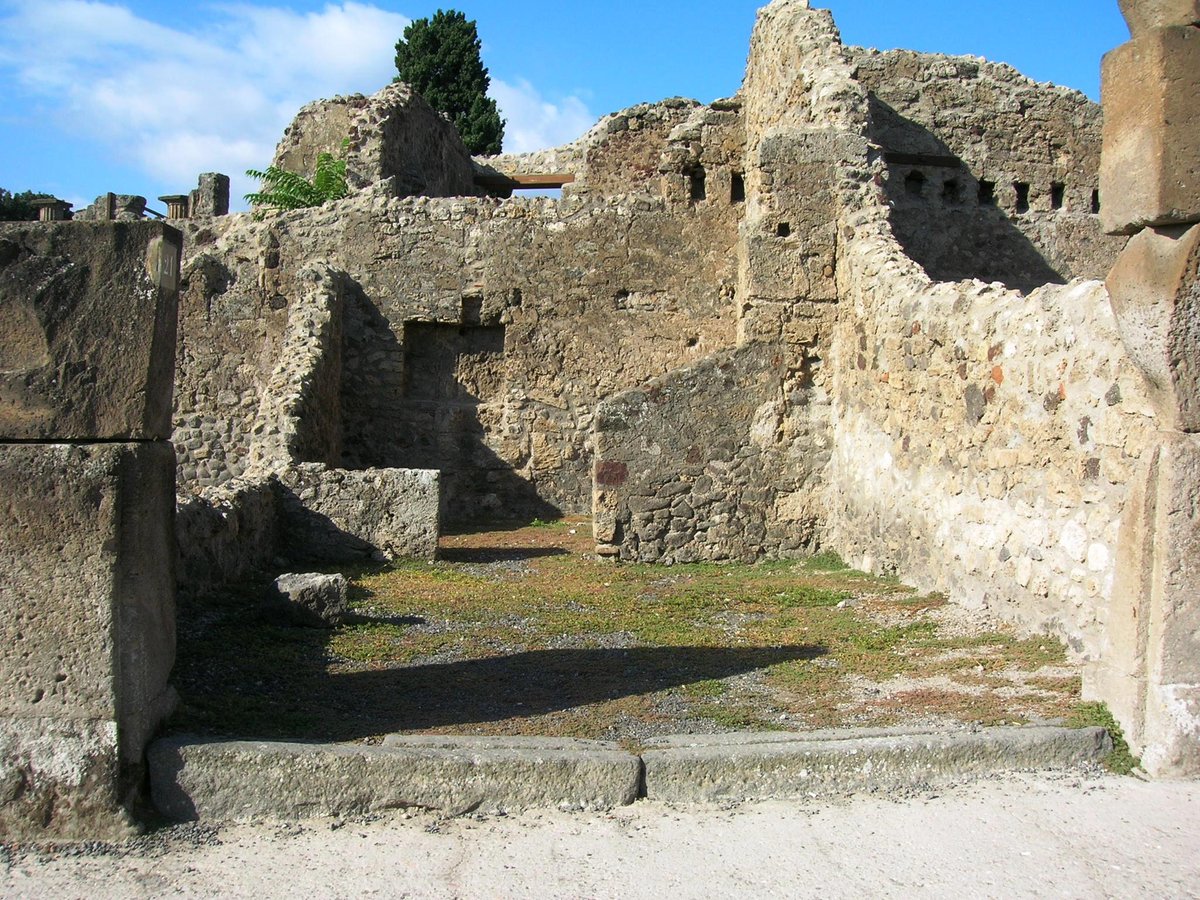
Shop Vi.10.12 is located in Regio VI, Insula 10, doorway 12—close to the House of the Vettii and the Forum, in the northwestern sector of the archaeological park. Access is simple from the Porta Marina and Piazza Esedra entrances, both served by public transport such as the Circumvesuviana train from Naples (Italy Sights). Visitors can use official park maps at entrances or downloadable digital versions (Stories by Soumya).
Architectural Features
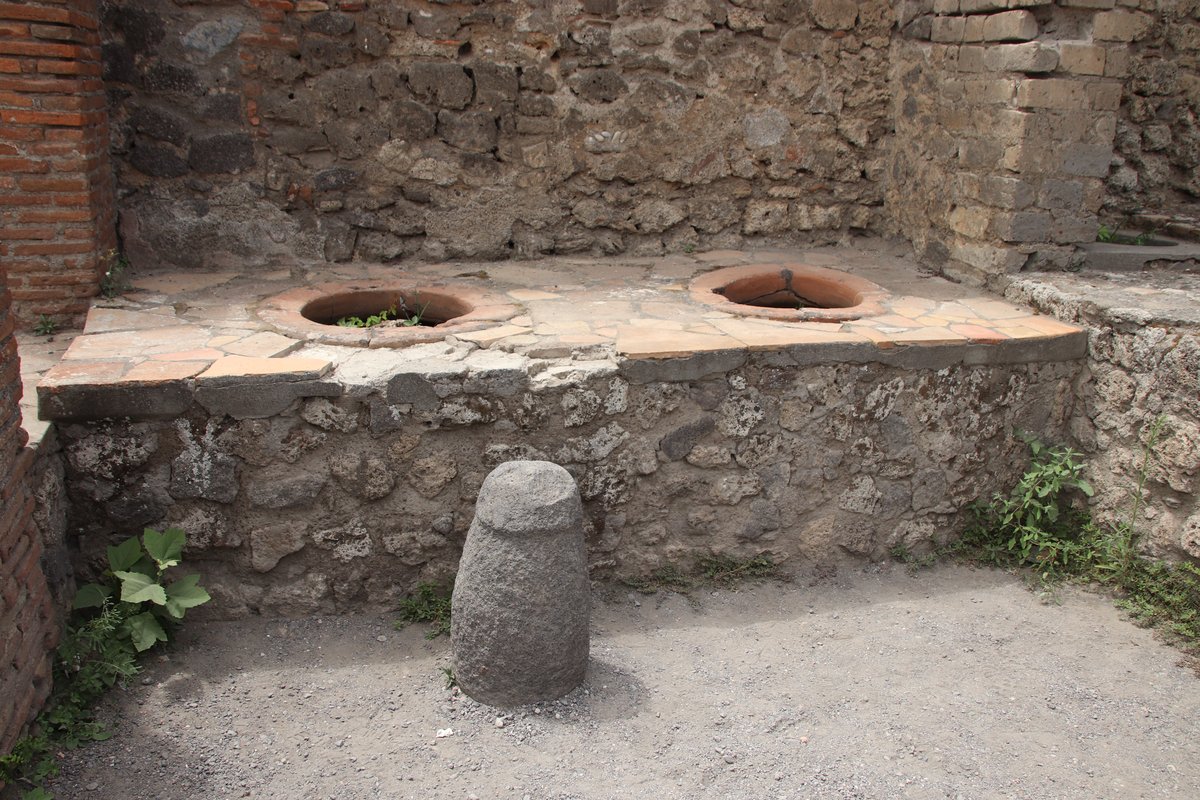
Typical of Pompeian shops, Vi.10.12 features a broad street-facing entrance, masonry sales counter (mensa), and embedded dolia (storage jars). The rear room often served as storage or living space (Nomad Epicureans). Built with local tufa, brick, and volcanic stone, the shop’s design prioritized durability. Floors were made of opus signinum, and walls featured painted plaster, sometimes with vivid advertisements or graffiti.
Economic and Social Role
Shops like Vi.10.12 were vital for both economic exchange and social interaction. They sold essentials such as bread, wine, oil, and textiles, and often doubled as workshops. Shopkeepers lived above or behind the shop, blurring the line between business and home life. These commercial spaces were also informal gathering spots for news, negotiation, and civic engagement (Berkley Center).
Archaeological Discoveries
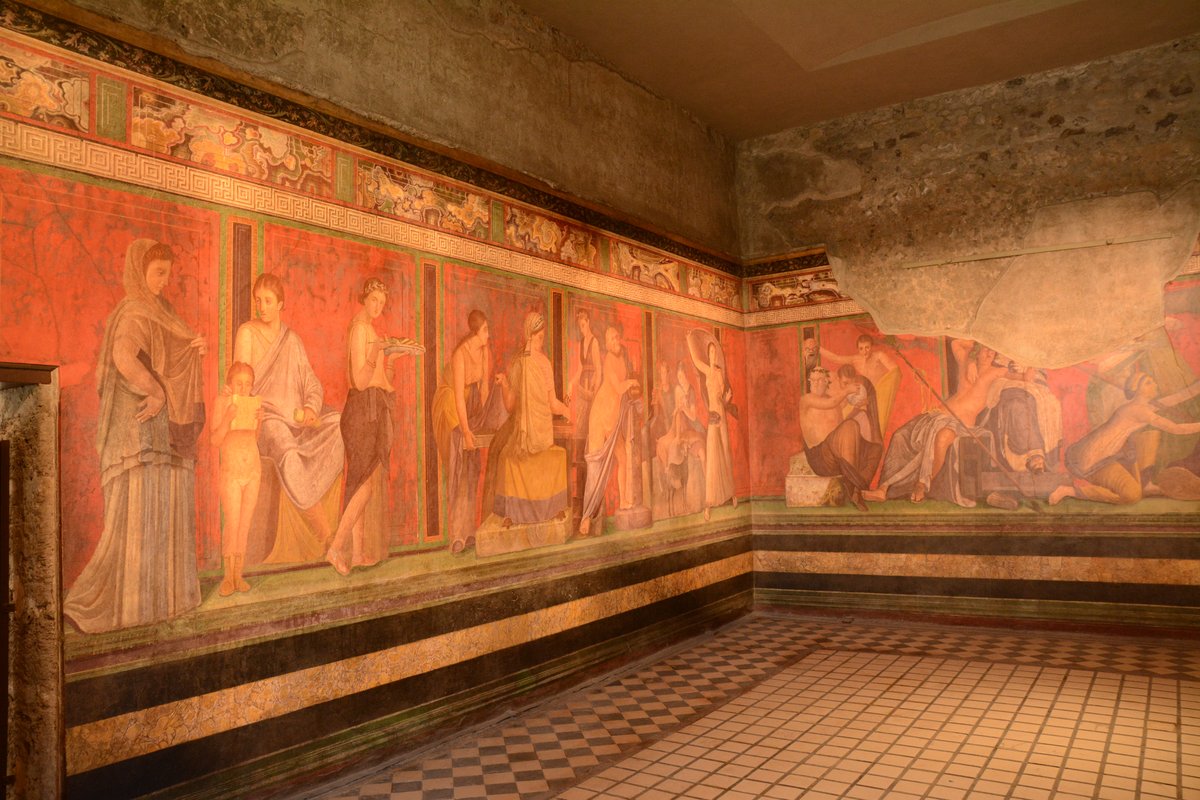
Excavations in Regio VI have yielded artifacts such as amphorae, weights, coins, and carbonized food remains, directly illuminating Pompeii’s commercial activities. Graffiti and inscriptions provide a unique record of prices, goods, and even political messages (The Collector). Decorative wall paintings and mosaics sometimes depict the shop’s offerings or protective symbols.
Preservation and Conservation
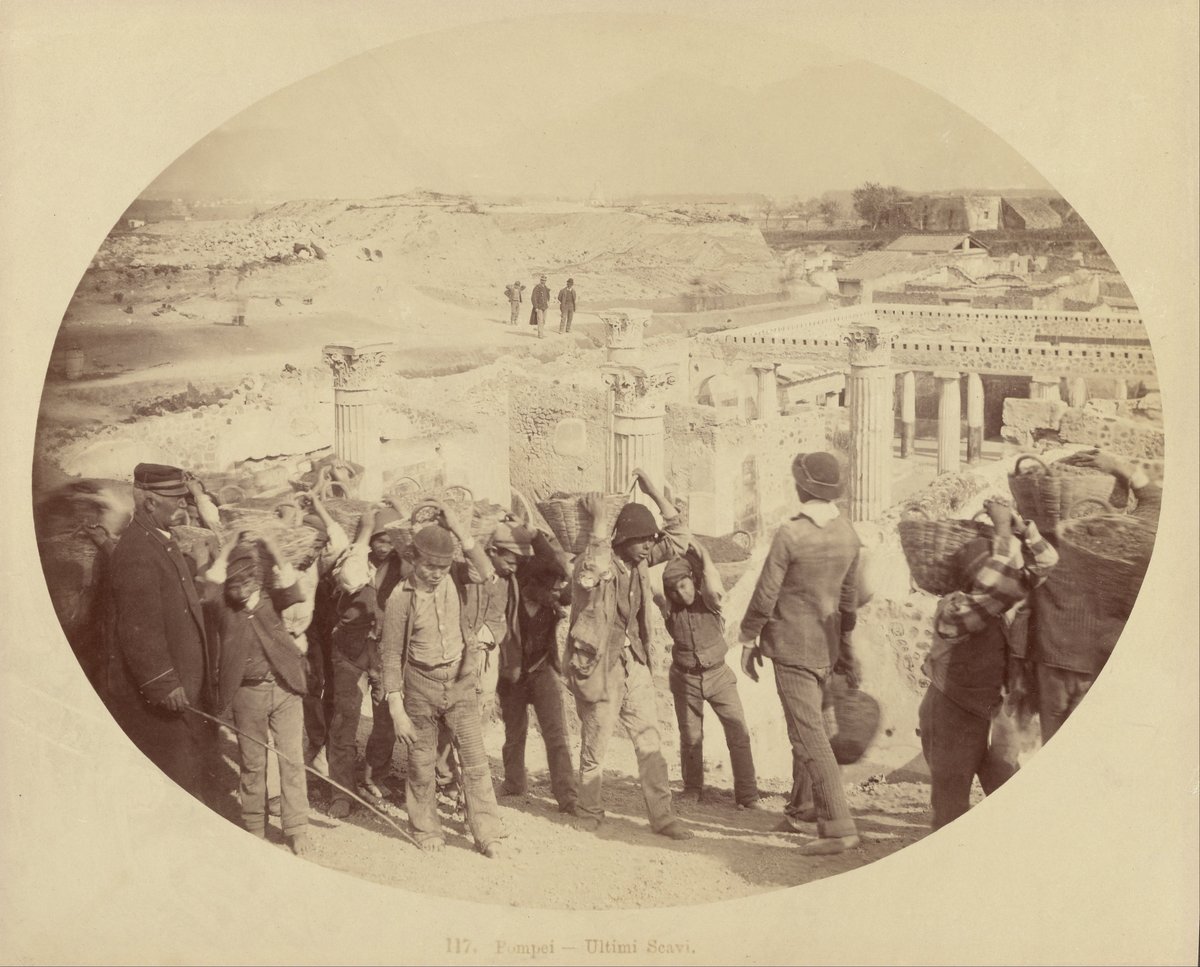
Shop Vi.10.12, like much of Pompeii, faces challenges from weathering, visitor impact, and historical neglect. Conservation efforts—including the Great Pompeii Project—focus on stabilizing structures, restoring artwork, and balancing public access with preservation (World Heritage Site). Modern technology, such as environmental sensors and satellite monitoring, is increasingly employed to protect the site for the future.
Visitor Information: Hours, Tickets, Accessibility, and Tips
Visiting Hours
Pompeii Archaeological Park is open daily, typically from 9:00 AM to 7:00 PM (last entry at 5:30 PM, with some seasonal variation). Always check the official website for the latest hours and holiday closures.
Tickets
Tickets can be purchased online or at the entrance. Standard adult admission is about €18, with discounts for EU citizens 18–25 and free entry for children under 18. Combination tickets covering Herculaneum and other Vesuvian sites are also available (Stories by Soumya, Toorists). Booking in advance is highly recommended, especially in peak season.
Accessibility
Pompeii has made significant strides in accessibility, with some wheelchair-friendly routes and facilities. However, many areas, including Shop Vi.10.12, retain uneven Roman paving and steps—making certain parts challenging for visitors with limited mobility (The Pompeii).
Practical Tips
- Footwear Wear sturdy, comfortable shoes suitable for uneven surfaces.
- Essentials Bring water, sun protection, and snacks (on-site dining is limited).
- Navigation Use official maps or audio guides for orientation and context.
- Photography Allowed for personal use; avoid flash near delicate frescoes.
- Facilities Restrooms and bookshops are available at main entrances.
Sustainable Tourism
Respect all barriers and preservation guidelines. Avoid touching walls and artifacts to help ensure the site remains accessible for future generations (Pompeii Archaeological Park).
Nearby Attractions
Shop Vi.10.12 is close to several of Pompeii’s highlights:
- House of the Vettii Famous for its lavish frescoes.
- The Forum Central civic and commercial hub.
- Thermopolium of Vetutius Placidus An ancient snack bar demonstrating Roman culinary culture (The Archaeologist).
- Boscoreale, Oplontis, Stabiae Neighboring sites with further Roman villas and artifacts, easily accessible from Pompeii (Mirror).
Frequently Asked Questions (FAQ)
Q: What are Shop Vi.10.12's visiting hours?
A: Shop Vi.10.12 is accessible during park opening hours (generally 9:00 AM–7:00 PM, last entry 5:30 PM). Check official updates for seasonal hours.
Q: How do I purchase tickets?
A: Buy tickets online or at the entrance. Advance booking is advised.
Q: Is Shop Vi.10.12 wheelchair accessible?
A: Accessibility is limited; some routes are adapted, but uneven terrain is common.
Q: Are guided tours available?
A: Yes, official and private tours provide historical context and often include Shop Vi.10.12.
Q: Can I take photos inside?
A: Personal photography is allowed; avoid flash and tripods near delicate artwork.