What Is Caupona VI.14.1?
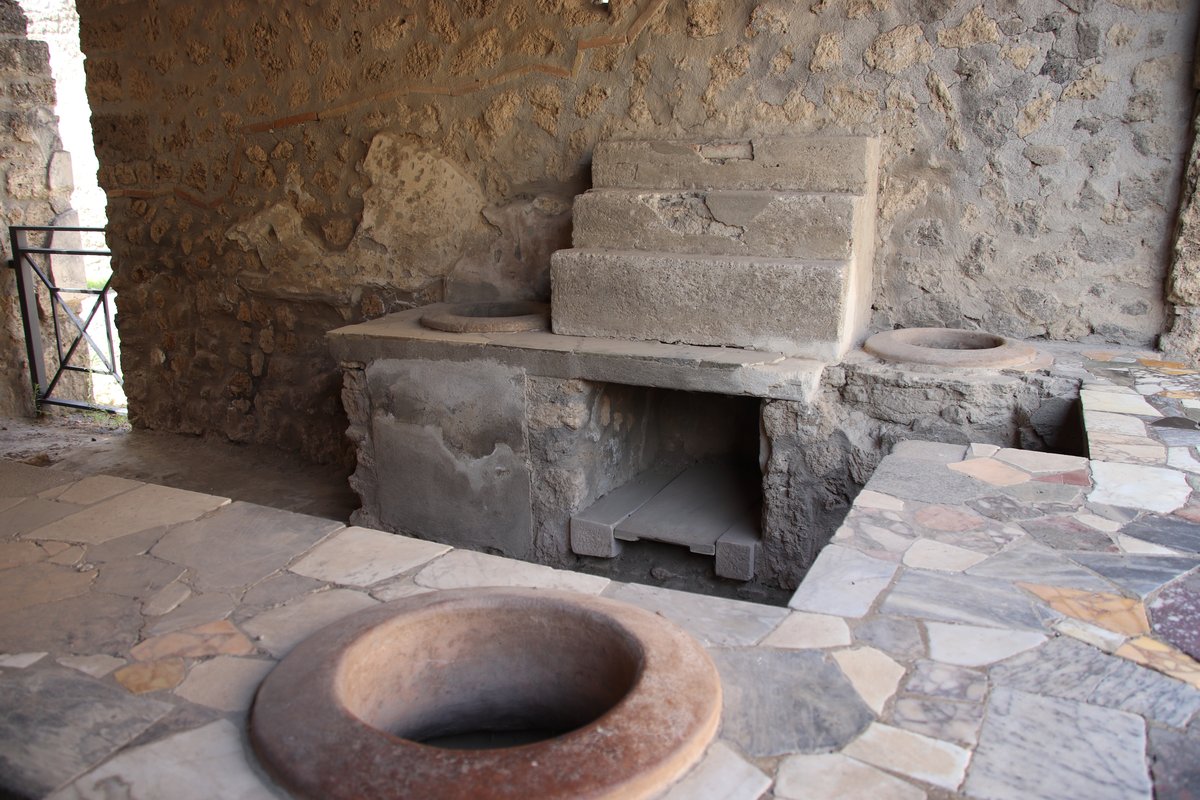
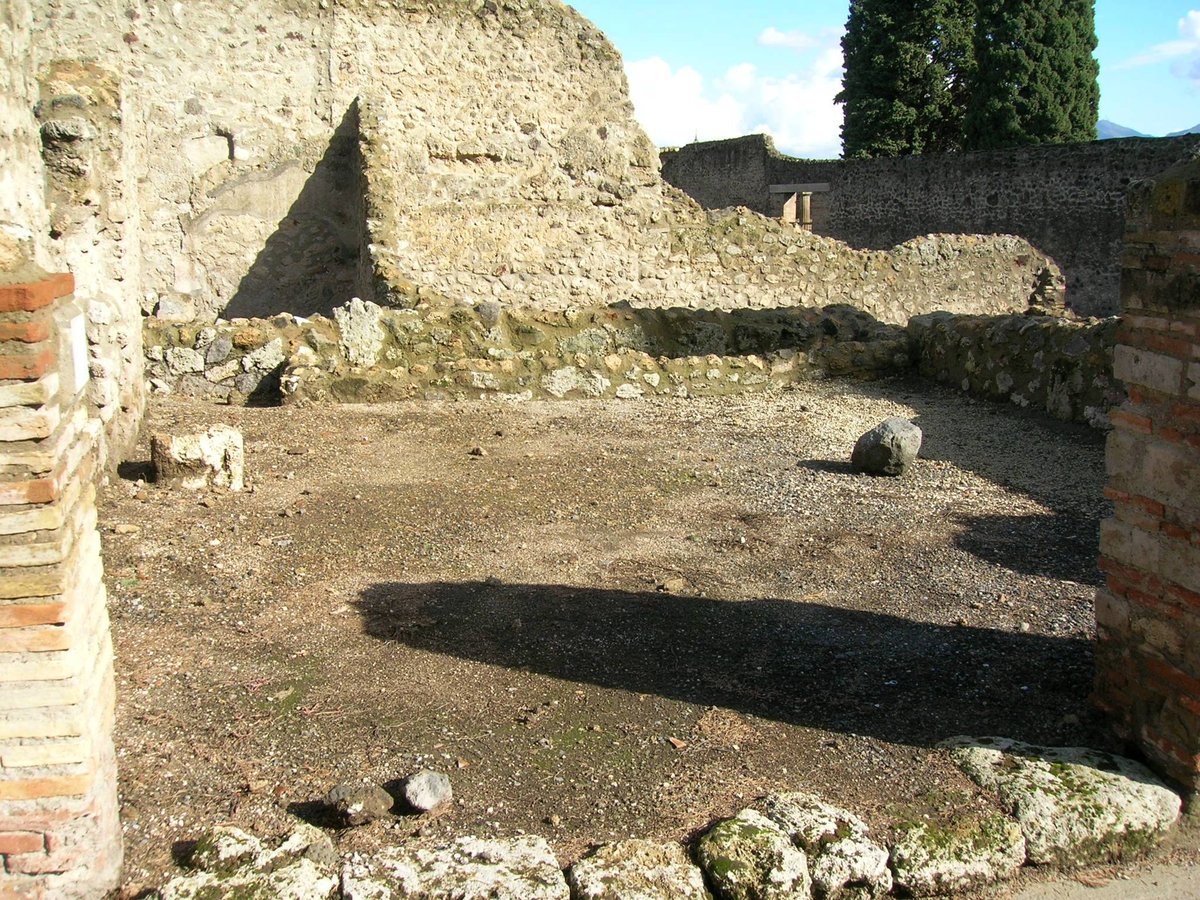
Caupona VI.14.1 was a dynamic tavern and inn located in Regio VI, Insula 14 of Pompeii. Serving hearty fare and drinks, it functioned as a social and commercial hub for a broad clientele, including workers, travelers, and merchants. More than 150 similar establishments operated in Pompeii, illustrating the importance of cauponae in Roman urban life.
Historical Significance and Archaeological Context
Cauponae played a central role in Roman society, blending hospitality, commerce, and social interaction. Excavations at Caupona VI.14.1 have revealed:
- L-shaped marble counters with embedded dolia for storing food and drink.
- Communal and private spaces for dining, gambling, and lodging.
- Vivid frescoes depicting social scenes—drinking, games, and flirtation.
- Street-facing entrances for accessibility and visibility.
Artifacts and wall paintings found on-site provide a rare, candid snapshot of Pompeian humor, daily routines, and even political endorsements painted by tavern-keepers (Pompeii in Pictures; The Archaeologist).
Architectural Features and Layout
General Plan and Location
Located at the intersection of Via della Fortuna and Via di Mercurio, Caupona VI.14.1 featured a street-facing entrance for easy customer access. The site’s compact plan included:
- Bar-room with a masonry service counter (thermopolium)
- Rear rooms for storage, food preparation, and possible sleeping quarters
- Private alcoves for discreet gatherings
- Wall paintings and a lararium (shrine) for religious rituals (pompeiiinpictures.com).
Notable Features
- Service Counter Marble-topped with embedded dolia for wine and food.
- Rear Cubiculum Featured a niche and bed-recess, indicating provision for lodging.
- Sliding Door Groove At the entrance, reflecting Roman attention to privacy and security.
- Lararium Shrine Wall paintings of serpents and altars for spiritual protection.
Food, Drink, and Daily Operations
Caupona VI.14.1’s menus were simple but satisfying:
- Bar snacks like olives, nuts, and dried fruits
- Stews, beans, and bread from local bakeries
- Wine, sometimes mixed with honey or herbs
Staff, typically slaves or freedmen, managed daily operations and supplies. Gambling and, occasionally, sexual services were part of the social dynamic, contributing to the lively (and sometimes rowdy) reputation of such establishments (Feminae Romanae).
Social Dynamics and Reputation
Ancient Roman writers sometimes viewed cauponae as disreputable, yet archaeological evidence reveals a diverse clientele. Elaborate frescoes and the presence of private rooms indicate that Caupona VI.14.1 attracted a wide social spectrum, including merchants, artisans, travelers, and even some elites.
Political graffiti and endorsements found on the walls link the establishment to broader civic life, showing how taverns were embedded in Pompeii’s political and economic networks (Pompeii in Pictures).
Visiting Information: Hours, Tickets, Accessibility
Opening Hours
- Standard 9:00 AM to 7:00 PM (last admission at 5:30 or 6:00 PM)
- Hours may vary seasonally or on holidays; confirm with the Pompeii Archaeological Park website.
Tickets
- General Admission ~€16 for adults
- Discounts Available for EU citizens aged 18–25; free for children under 18 and seniors over 65.
- Purchase Online via the official website or at the park entrance; online purchase is recommended (Pompeii Tickets).
Accessibility
- Partial Access Some areas of Regio VI and Caupona VI.14.1 are accessible via ramps and smoother paths.
- Terrain Ancient pavements can be uneven—sturdy footwear is advised.
- Mobility Assistance Consult the park’s accessibility guides for up-to-date details.
Guided Tours and Audio Guides
- Guided Tours Available, with many focusing on daily life and food culture.
- Audio Guides/Mobile Apps Enhance your visit with apps like Audiala.
Best Time to Visit
- Early morning or late afternoon for fewer crowds and optimal lighting.
Nearby Attractions and Visitor Tips
- Forum and Basilica Heart of civic life.
- Amphitheater and House of the Faun Key highlights within walking distance.
- Bakery of Popidius Priscus For insight into ancient culinary practices.
Visitor Tips:
- Use official maps or digital apps for navigation.
- Photography is allowed, but avoid flash to protect frescoes.
- Stay on marked paths to support preservation efforts.
- Restrooms and refreshment stands are located near main entrances.
Modern Interpretations
Contemporary Influence
Modern restaurants near Pompeii and elsewhere, such as Caupona Restaurant, recreate the décor, cuisine, and convivial atmosphere of ancient cauponae, offering visitors a multisensory link to the past (Our Edible Italy).
Frequently Asked Questions (FAQ)
Q: What are the visiting hours for Caupona VI.14.1?
A: Generally 9:00 AM to 7:00 PM, last entry at 5:30 or 6:00 PM. Check the official site for updates.
Q: What is the ticket price and how do I buy tickets?
A: Tickets are ~€16 for adults; discounts and free entry available for eligible visitors. Purchase online or at the entrance.
Q: Is Caupona wheelchair accessible?
A: Accessibility is partial due to ancient terrain. Some paths are suitable for wheelchairs, but assistance may be necessary.
Q: Are guided tours available?
A: Yes, many guided tours and audio guides include Caupona VI.14.1.
Q: Can I take photos?
A: Yes, photography (without flash) is allowed inside the site.
Related Articles
- Exploring the Forum of Pompeii: History and Highlights
- Top 10 Pompeii Archaeological Sites to Visit
- A Guide to Pompeii’s Thermopolia: Ancient Fast Food
Discover More
Enhance your Pompeii experience with the Audiala app for guided audio tours and real-time visitor information. Follow official channels for updates and insider tips on Pompeii’s archaeological wonders.