History and Significance of House VIII.6.5
House VIII.6.5, positioned in a prime area of Pompeii, was home to affluent residents who mirrored the evolving social and architectural trends of the city. Its construction and decoration reflect both traditional Oscan roots and the influence of broader Roman culture. The eruption of Vesuvius preserved the house in remarkable detail, freezing both grand design and everyday objects in time.
The house’s layout—with its atrium, cubicula, and peristyle—provided spaces for family life, religious practice, and public entertaining. Its decorative schemes, including mythological frescoes and mosaics, signaled status and taste. The discovery of imported luxury goods and religious shrines further underscores the owner’s wealth and cosmopolitan outlook.
Archaeological and Architectural Highlights
Urban Context and Layout
Located off Via Stabiana in Regio VIII, House VIII.6.5 occupies a strategic spot within Pompeii’s orthogonal street grid. Its proximity to the Forum and other elite residences situates it at the heart of Pompeian urban life (Pompeii Regio VIII Plan).
Construction Techniques and Materials
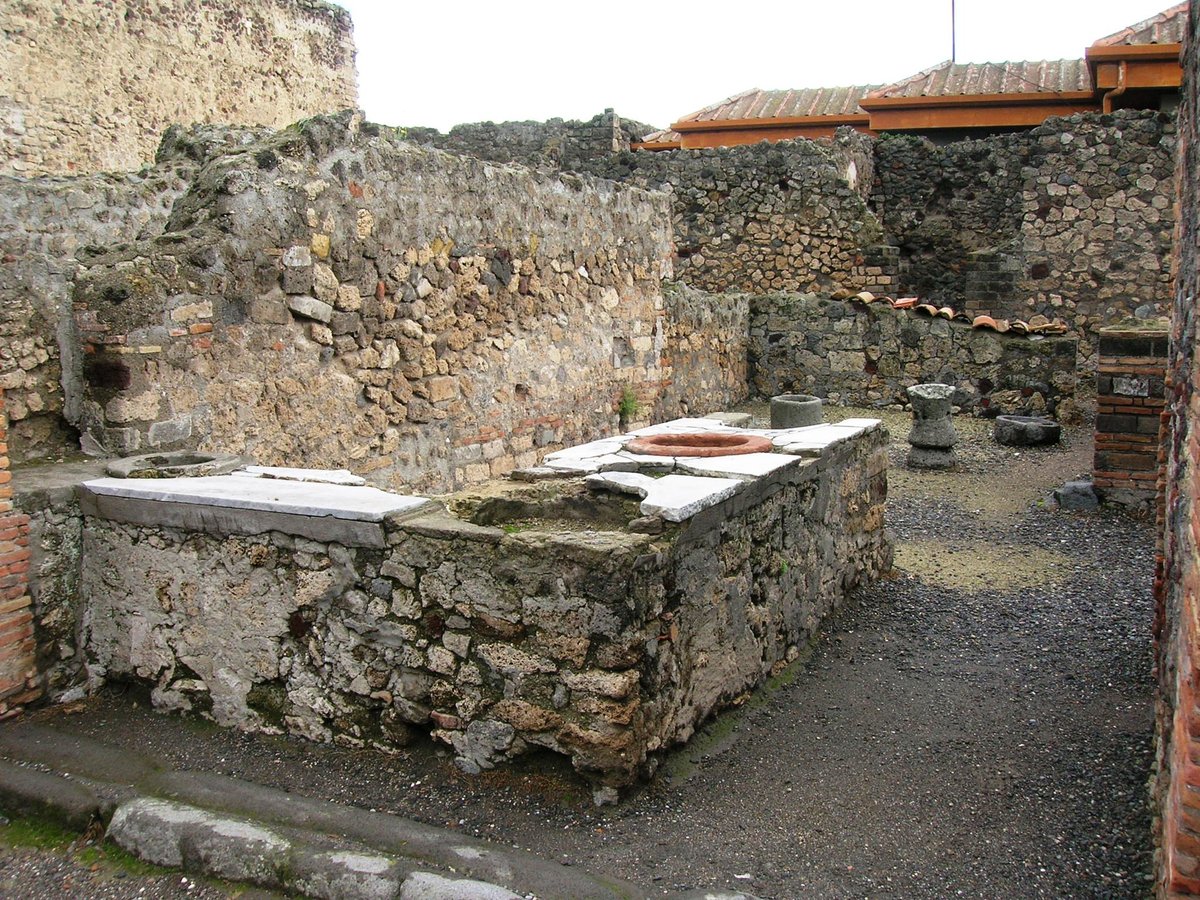
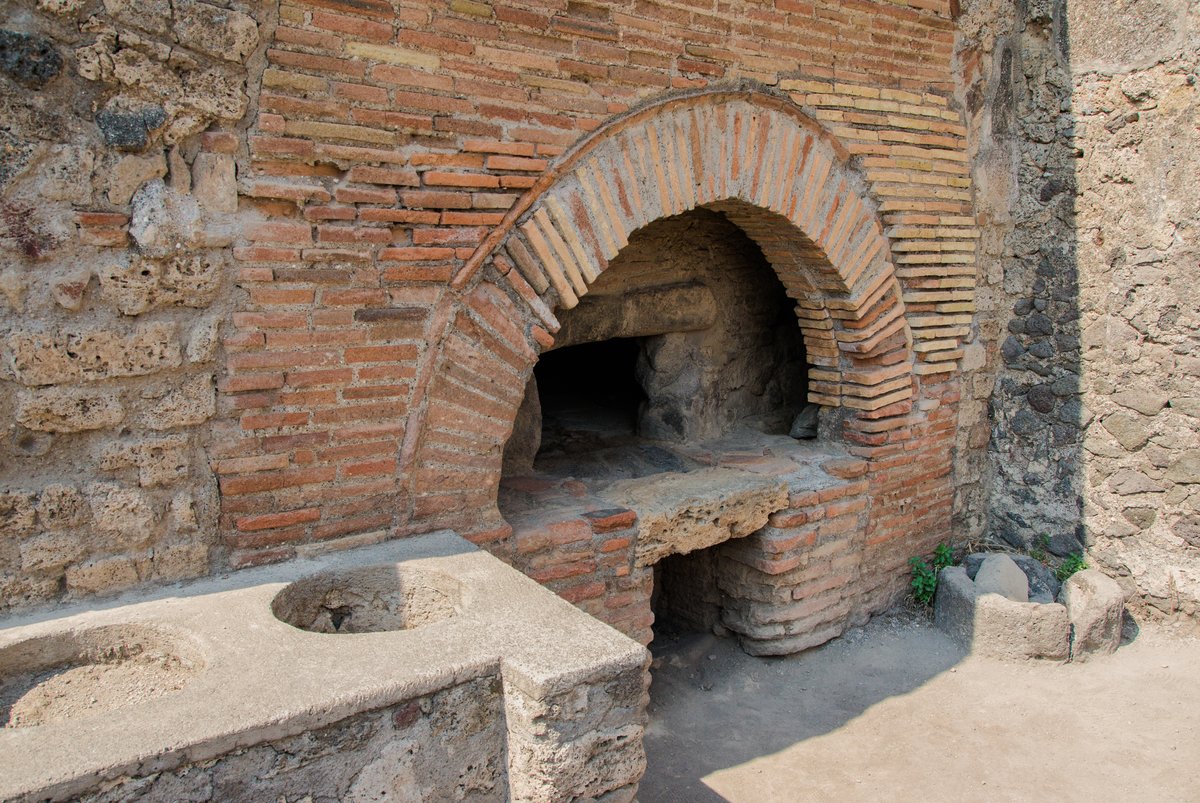
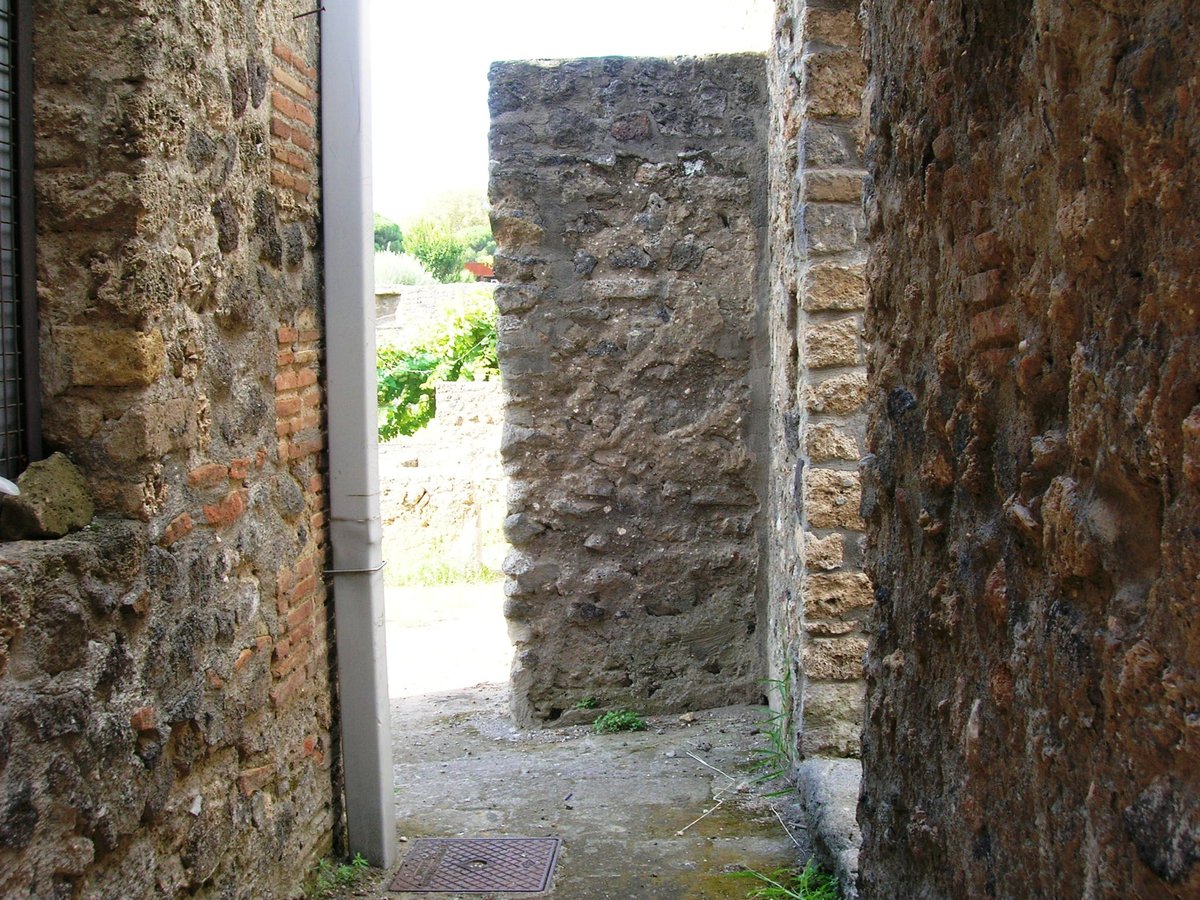
- Walls Employ a mix of opus incertum, opus reticulatum, and opus latericium, using local tufa, sandstone, and volcanic materials (Pompeionline: Construction Techniques, mariamilani.com).
- Floors Range from waterproof opus signinum to intricate black-and-white or colored mosaics (House of the Tragic Poet).
- Roofs Timber beams and terracotta tiles, with evidence of charred remains preserved.
- Water Systems Linked to Pompeii’s aqueduct via lead and terracotta pipes, with cisterns for rainwater collection (Pompeionline: Plumbing).
- Entrances Stone thresholds, wooden doors, and barred or shuttered windows for privacy and security.
Decorative Features
- Frescoes Fourth Style wall paintings feature complex mythological and architectural scenes (Pompeiiinpictures).
- Mosaics and Stucco Floors and ceilings boast decorative motifs and stucco reliefs, attesting to the owners’ wealth.
Everyday Artifacts
Finds include pottery, glassware, metal tools, carbonized food, and luxury items such as a bronze tripod with ithyphallic satyrs and jewelry, highlighting both daily life and opulence.
Cultural and Social Insights
Domestic Religion and Religious Syncretism
A highlight of House VIII.6.5 is its lararium, or household shrine, which features paintings of Isis, Serapis, Anubis, and Fortuna (Pompeii in Pictures). This sacellum reflects the blending of Roman and Egyptian cults in daily worship, a testament to Pompeii’s cosmopolitan character (Wallace-Hadrill, 1994).
Social Status and Display
Elaborate decor, imported luxuries, and the ability to host gatherings positioned the family as prominent members of society, using domestic space to express status and taste.
Everyday Life and Graffiti
While graffiti specific to House VIII.6.5 is not documented, Pompeii’s walls citywide reveal a lively mix of political messages, jokes, and artistic doodles (Tour Guide Girl).
Practical Visitor Information
Opening Hours
- Pompeii Archaeological Park: Open daily, 9:00 AM – 7:00 PM (last entry at 6:00 PM)
- Seasonal variations may apply; check the official website for updates
Tickets and Admission
- General admission includes House VIII.6.5
- Adult tickets typically €16–€18; reduced rates for EU citizens under 25; free for children under 18
- Advance booking recommended, especially in peak season (Cultured Voyages)
- Tickets available online or at the entrance
Accessibility
- Some step-free routes exist, but House VIII.6.5 may be partially inaccessible due to ancient terrain and conservation barriers (Cultured Voyages)
- "Pompeii for All" route covers much of the site, but check if it serves House VIII.6.5
Facilities
- Restrooms and cafés at main entrances
- Water and sun protection essential in summer
- Site mostly open-air with little shade
Getting There
- Circumvesuviana train from Naples or Sorrento to Pompeii Scavi station; short walk to main entrances
Visit Duration
- Allow at least 1 hour for House VIII.6.5; 2–3 hours for Region VIII and nearby highlights
Nearby Attractions
- House of the Vettii Renowned for vivid frescoes
- Forum Civic, religious, and commercial heart of Pompeii
- Amphitheater and Theaters Sites of ancient entertainment
- House of the Tragic Poet Another well-preserved domus
Frequently Asked Questions (FAQ)
What are the visiting hours for House VIII.6.5?
Typically 9:00 AM – 7:00 PM, last entry at 6:00 PM; check official sources for updates.
Is a separate ticket required for House VIII.6.5?
No, it is included with general admission to Pompeii.
Is the house wheelchair accessible?
Partial accessibility; verify latest conditions via the official website.
Are guided tours available?
Yes, many tours include House VIII.6.5 and provide historical context.
Are there facilities nearby?
Restrooms and cafés are available at main site entrances.
Plan Your Visit and Explore More
- Book tickets in advance to secure your spot and avoid queues.
- Download the Audiala app for audio guides and interactive maps.
- Check for special events or night tours on the official Pompeii website.
- Visit the Naples Archaeological Museum to see artifacts from House VIII.6.5 (inventory number 27874).
- Follow official channels and trusted blogs for updates and travel tips.
Key Takeaways and Recommendations
House VIII.6.5 is a window into the complexities of Roman domestic life, religious practice, and social ambition. Its architecture, artwork, and everyday objects reveal a society at the crossroads of tradition and innovation. By planning ahead, respecting conservation efforts, and leveraging expert resources, you can fully immerse yourself in the world of ancient Pompeii.
For a seamless experience, use official guides, consider visiting in off-peak hours, and combine your tour of House VIII.6.5 with other regional highlights. Continued preservation and digital resources ensure that the story of this remarkable house—and the city of Pompeii as a whole—remains accessible for generations to come.