Origins and Founding Vision
UTEC was established on September 1, 2011, by Eduardo Hochschild, building on a legacy of promoting technical education for Peru’s youth, particularly those from underserved backgrounds. The university’s mission is to bridge rigorous scientific learning with innovation and entrepreneurship, preparing graduates for the challenges of a rapidly evolving, technology-driven world (Wikipedia; Architectural Review).
Early Development and Academic Expansion
UTEC commenced operations in 2012 with five undergraduate programs and has since expanded to 16 degrees, executive education, and advanced research centers (UTEC Official Site). Embracing cutting-edge trends, the curriculum integrates artificial intelligence and interdisciplinary approaches. In 2016, UTEC became the first Peruvian university to receive institutional licensing from SUNEDU, setting a benchmark for academic quality (Wikipedia).
Visiting UTEC: Hours, Tickets & Tours
- Visiting Hours Monday to Friday, 9:00 AM – 6:00 PM. Access is limited on weekends; appointments may be required.
- Admission Free for most public areas. Guided tours and special events may require prior registration via the UTEC Campus Visits page.
- Guided Tours Available in Spanish and English, offering insights into the building’s design, sustainability features, and the university’s educational philosophy. Tours typically last 60–90 minutes; group bookings are possible with advance notice.
- Accessibility The campus provides ramps, elevators, and accessible pathways for visitors with mobility needs.
- Getting There Easily accessible by public transportation (Metropolitano BRT, buses, taxis). Parking is limited; public transit is recommended.
Site Selection and Archaeological Context
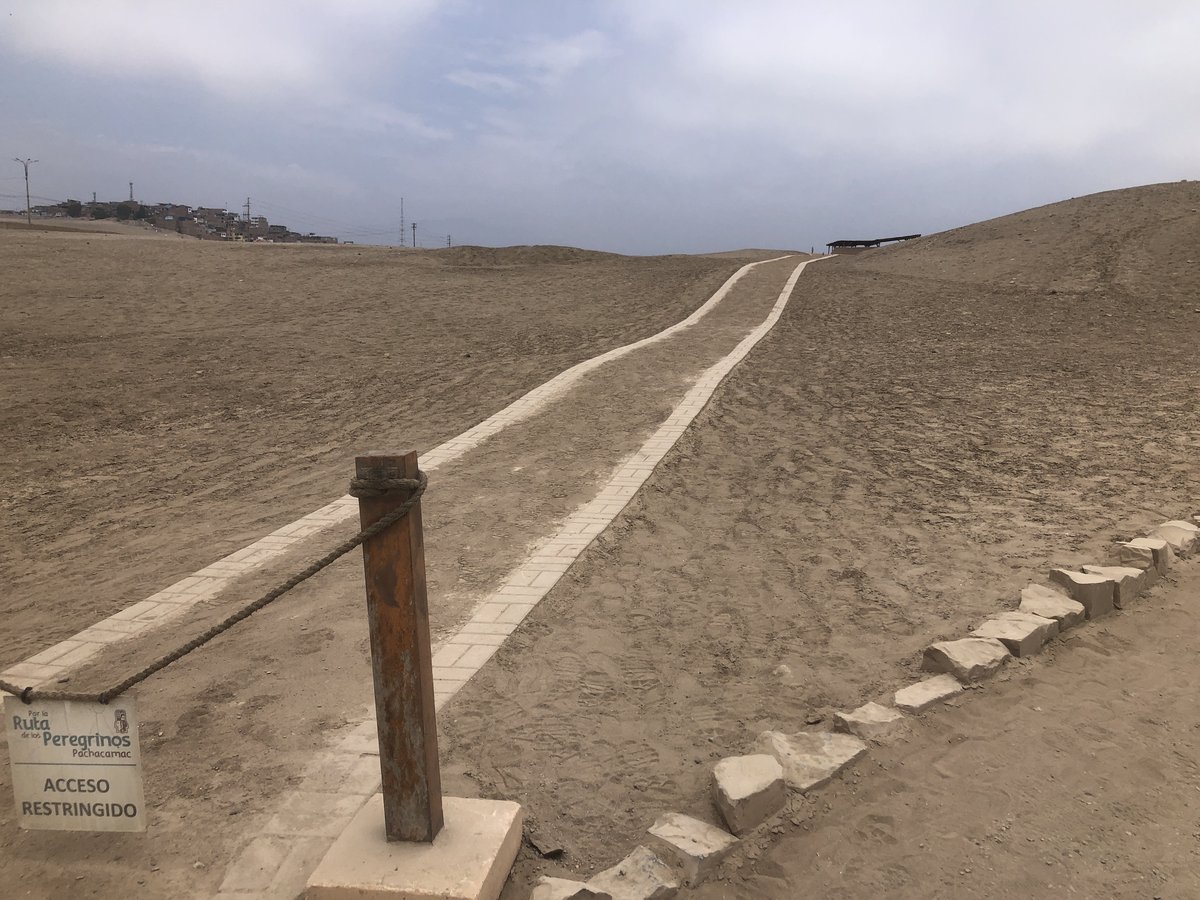
UTEC’s campus is built over the former “La Viñita” archaeological mound, once home to adobe structures (Wikipedia). After a 2008 resolution declared the site free of significant remains, construction proceeded—symbolizing a fusion of Lima’s ancient past and modern aspirations.
Architectural Innovation and International Recognition
Designed by Grafton Architects with Shell Arquitectos, UTEC’s campus is a landmark of sustainable educational architecture (Architectural Review). Its terraced, stepped-back structure maximizes natural ventilation, reduces energy and water use, and utilizes recycled materials. The “man-made cliff” design mirrors Lima’s topography, offering open circulation and panoramic city and ocean views (ArchDaily).
Academic Philosophy and Research Ecosystem
UTEC’s educational model integrates engineering, management, humanities, and creative problem-solving (University Innovation). Entrepreneurial initiatives like SpinOut UTEC and UTEC Ventures are supported by international partnerships with institutions such as Harvard, MIT, and the Cleveland Clinic.
UTEC in Lima’s Educational and Cultural Landscape
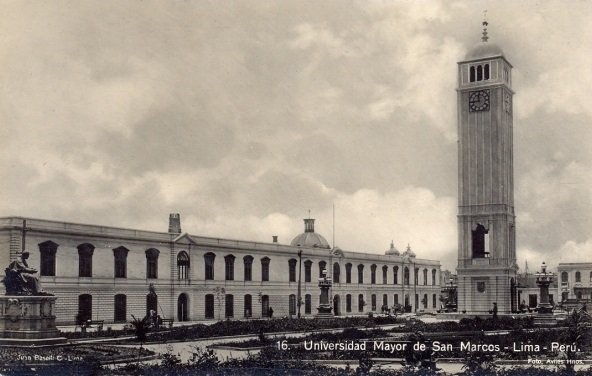
Lima, with a history dating to 1535, is home to the oldest university in the Americas and a dynamic mix of tradition and innovation (World of History). UTEC, situated in the bohemian Barranco district, complements the city’s academic and cultural offerings, attracting both local and international visitors.
Key Milestones and Achievements
- 2011 UTEC founded by Eduardo Hochschild
- 2012 Academic operations commence
- 2014 UTEC Ventures startup accelerator launched
- 2016 First SUNEDU-licensed university in Peru
- 2020 Grafton Architects awarded the Pritzker Prize
- 2022 UTEC organizes its first Tech Mission to Silicon Valley
Frequently Asked Questions (FAQ)
Q: Can I visit the UTEC campus?
A: Yes, public areas are open Monday–Friday, 9:00 AM–6:00 PM. Guided tours are available with prior registration.
Q: Is admission free?
A: Yes, entry to most areas is free. Some tours or events may require tickets.
Q: Is the campus accessible?
A: Yes, UTEC is fully accessible, with ramps and elevators for visitors with disabilities.
Q: Are there tours in English?
A: Guided tours are offered in both Spanish and English.
Q: How do I get to UTEC?
A: The campus is in Barranco, accessible via Metropolitano BRT, buses, taxis, or rideshare.
Visitor Planning and Nearby Attractions
Location and Setting
UTEC is located at the entrance of the Barranco district, bordered by major thoroughfares, with its facade facing the Pacific Ocean (Wikipedia; ArchDaily). Its strategic position connects the bustling Miraflores district to the north and Barranco’s laid-back, artistic vibe to the south.
Accessibility and Amenities
- By Car or Taxi About 40 minutes from Jorge Chávez International Airport (Lonely Planet).
- By Public Transit Metropolitano BRT (Bulevar station), local buses, and colectivos offer convenient access.
- On Foot/Bicycle Barranco is walkable and bike-friendly.
UTEC features elevators, ramps, and accessible restrooms. The campus offers a café, restaurant, exhibition spaces, and an auditorium for public events (ArchDaily).
Local Context and Culture
Barranco is Lima’s artistic heart, known for colonial architecture, murals, and nightlife (inlovelyblue.com). Key nearby attractions include:
- Puente de los Suspiros Iconic wooden bridge
- Museo de Arte Contemporáneo (MAC) Contemporary art museum
- Malecón Scenic coastal promenade
- Miraflores Shopping, parks, and dining
Climate and Best Time to Visit
Lima has mild, humid weather year-round (13°C–24°C). Expect coastal fog from May to November; December offers clearer skies (Architect Magazine; inlovelyblue.com).
Practical Tips
- Currency Peruvian Nuevo Sol (PEN). Carry cash for small purchases (Private Guide World).
- Language Spanish is predominant; English is spoken in tourist areas.
- Safety Barranco is generally safe; observe standard precautions.
- Dress Comfortable attire is recommended for walking and Lima’s variable weather.
Guided Tours and Visitor Services
- Guided Tours Offered during special events or by prior arrangement (UTEC Campus Visits). Certified local guides can provide additional context (AGOTUR; Peruvian Local Friend).
- Visitor Information Information desks at the main entrance; printed guides available in Spanish and English.
- Wi-Fi Free in most public spaces.
Visual Highlights
- Terraced Gardens Reminiscent of Inca agriculture, offering green spaces and city/ocean views.
- Open Circulation Dramatic external walkways and gathering spaces.
- Architectural Details Exposed concrete, suspended platforms, and panoramic terraces.
Image Suggestions:
- UTEC campus terraces overlooking the Pacific
- Open-air circulation and gardens
- Archival image of La Viñita pre-construction