
Historical Evolution
Colonial Origins and Early Development
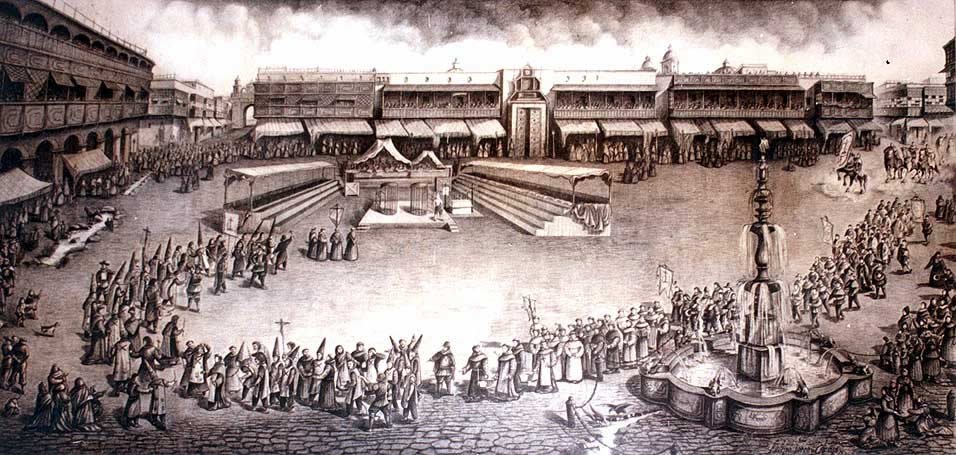
The roots of theatre in Lima date back to its colonial era, with performances initially linked to religious and civic festivities. By the 18th century, purpose-built venues such as the Teatro Principal (now Teatro Segura) became focal points for entertainment and social gathering. These theatres were instrumental in introducing the “harmonic comedy” genre and served as platforms for colonial elite society (Wikipedia: Theatre of Peru).
The Republican Era
With Peru’s independence in the 19th century, Lima’s theatre scene became a vehicle for national identity and political discourse. José de San Martín’s 1822 decree helped legitimize the acting profession and encouraged broader participation. Noteworthy is the 1829 premiere of "Frutos de la educación," the first original Peruvian play, which marked a milestone in Latin American theatre development (Wikipedia: Theatre of Peru).
Institutionalization and Expansion
The mid-19th century brought the institutionalization of theatre in Lima through the creation of major venues such as Variedades, Politeama, and Olimpo. Regulations and legislative support further formalized theatrical productions, while the opening of significant theatres outside Lima contributed to the nationwide growth of performing arts (Wikipedia: Theatre of Peru).
The Emergence of the University Theatre
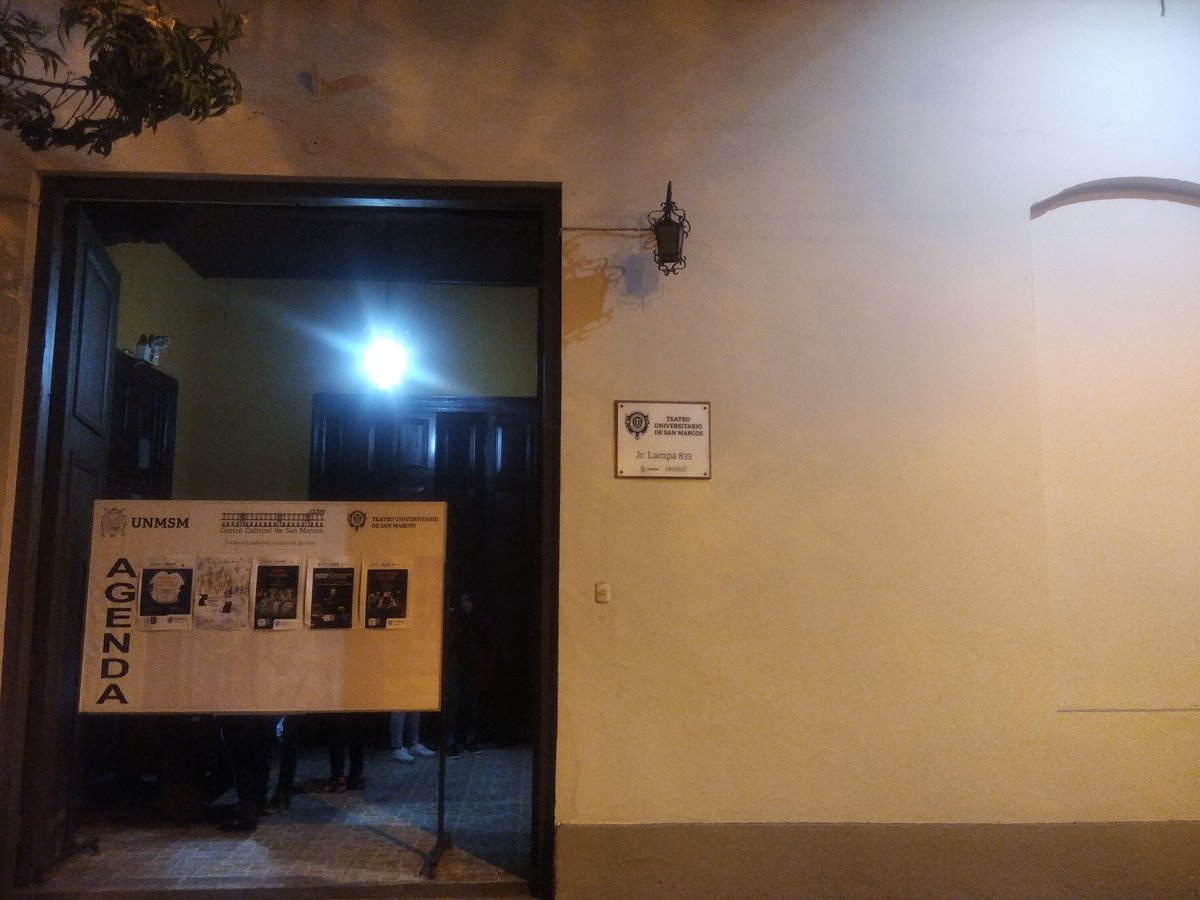
A defining moment was the establishment of the University Theatre within the Noviciado de San Antonio Abad, part of the National University of San Marcos. The venue became the epicenter for university-driven cultural initiatives, housing not only performance spaces but also the Museum of Art (MASM), the Museum of Archaeology and Anthropology (MAA), and academic departments dedicated to the arts (Wikiwand: University Theatre (Lima)).
Modernization and Cultural Flourishing
The 20th century saw significant advancements, with the founding of new theatre spaces, the publication of key works like Manuel Moncloa y Covarrubias’ "Theatrical Dictionary of Peru," and the establishment of organizations such as the Association of Amateur Artists. These developments nurtured generations of Peruvian artists and solidified the University Theatre’s role as a cradle of creative talent (Wikipedia: Theatre of Peru).
The University Theatre Today: Cultural and Educational Significance
The University Theatre bridges the traditional and the contemporary, offering multidisciplinary programming that celebrates Peruvian and Latin American narratives. Its educational mission is realized through:
- Classical and Contemporary Performances Showcasing works by renowned playwrights alongside innovative student productions.
- Cultural Festivals Highlighting indigenous, Afro-Peruvian, and mestizo traditions.
- Collaborative Projects and Workshops Bringing together local and international artists, and fostering dialogue on social issues (mexicohistorico.com, discoverwalks.com).
Educational outreach and community engagement are central, with programs reaching underserved neighborhoods and offering hands-on training in all aspects of theatre production.
Practical Visitor Information
Visiting Hours
- General Hours Tuesday to Sunday, 10:00 AM – 7:00 PM (box office); performances typically begin at 7:30 PM, with weekend matinees at 3:00 PM.
- Note Hours may vary during holidays, festivals, or special events. Always confirm with the official website before visiting.
Tickets and Pricing
- Prices Typically 10–40 PEN, with discounts for students, seniors, and groups. Some community events are free.
- Purchase Buy tickets online via the University Theatre’s official site or at the box office. Advance booking is recommended for popular shows (LimaEasy).
Accessibility
- Wheelchair-accessible entrances and seating.
- Facilities and assistance available for visitors with disabilities—contact in advance for specific needs.
Location and Directions
- Centrally located near Plaza San Marcos in Lima’s historic center.
- Accessible via public transit, taxi, or rideshare. Travel from Miraflores or Barranco generally takes 20–30 minutes (Lonely Planet).
Guided Tours and Facilities
- Guided tours (by reservation) offer insights into the theatre’s architecture, backstage, and museums.
- Amenities include restrooms, a café, and cloakroom services.
Visitor Experience and Tips
- Language Most performances are in Spanish; some may feature English subtitles or bilingual presentations.
- Dress Code Smart-casual attire is ideal, especially for evening or gala events.
- Etiquette Arrive early, silence mobile devices, and note that photography during performances is not permitted.
- Safety The area is generally safe, but exercise standard urban precautions. Use official transport, especially at night (Lonely Planet).
- Nearby Attractions Combine your theatre visit with tours of Plaza Mayor, the Cathedral of Lima, and the San Francisco Monastery for a richer cultural experience (nomadicmatt.com).
Role in Contemporary Lima
The University Theatre remains a vital space for artistic creation and public engagement. Its programming reflects the diversity and vibrancy of Lima’s multicultural society and its enduring commitment to accessibility and education. Collaborations with other cultural institutions enhance Lima’s reputation as a Latin American arts capital (lacgeo.com).
Frequently Asked Questions (FAQs)
What are the University Theatre Lima visiting hours?
Tuesday to Sunday, 10:00 AM–7:00 PM (box office); performances begin at 7:30 PM or 3:00 PM for matinees.
How can I buy tickets?
Purchase online via the official university website or at the box office. Discounts are available for eligible groups.
Is the theatre accessible for visitors with disabilities?
Yes, with accessible entrances, seating, and facilities. It’s best to contact ahead for specific accommodations.
Are guided tours available?
Yes, by advance reservation. Check the official site or contact the theatre for details.
What nearby attractions can I visit?
Explore nearby historical landmarks like Plaza Mayor, Cathedral of Lima, and the San Francisco Monastery.
Summary and Final Tips
The University Theatre is a living symbol of Lima’s artistic, educational, and historical evolution. Its inclusive approach, diverse programming, and integration with the National University of San Marcos make it a must-visit for anyone interested in Peruvian culture. Plan your visit to coincide with cultural festivals or special events, and augment your experience by exploring Lima’s renowned historical center (LimaEasy, discoverwalks.com).
For the latest updates on performances, ticketing, and events, consult the official Universidad Nacional Mayor de San Marcos website and the Lima Tourism Board.