
History and Cultural Significance
Foundations of a Cultural Landmark
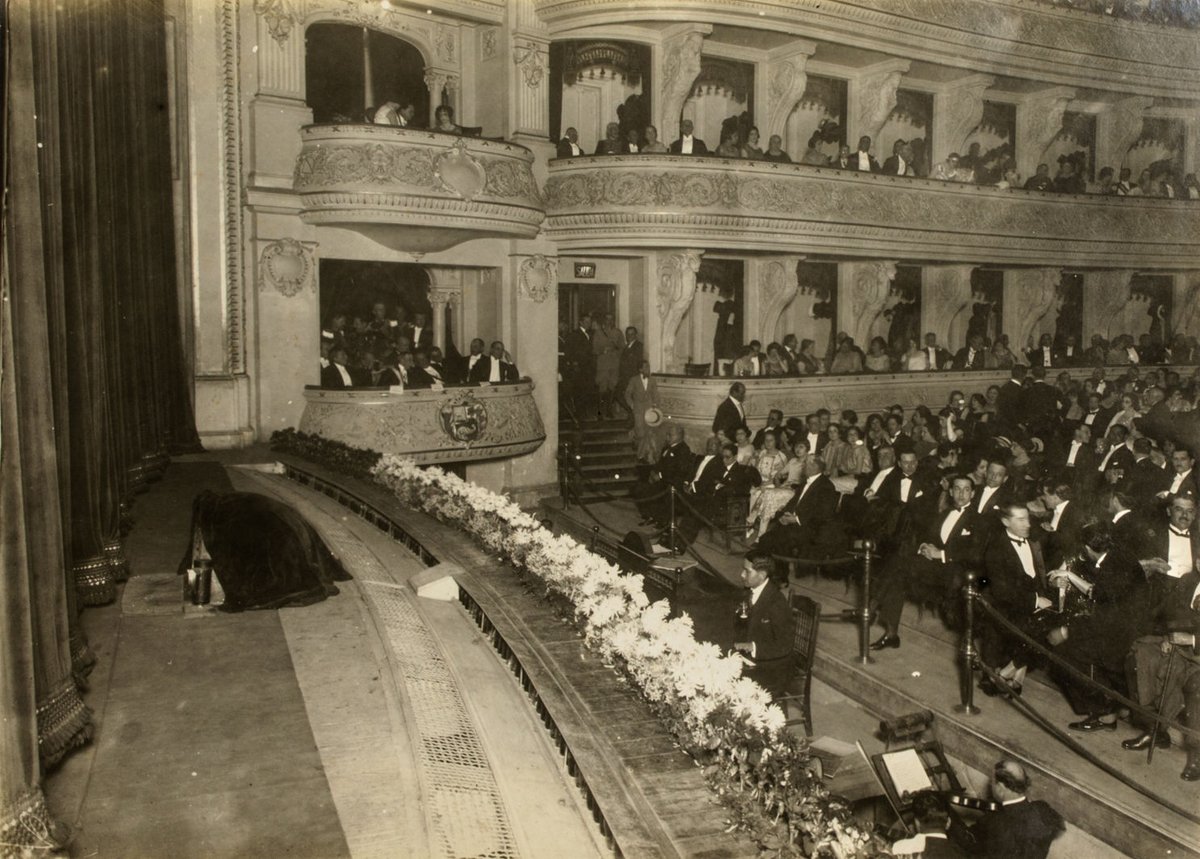
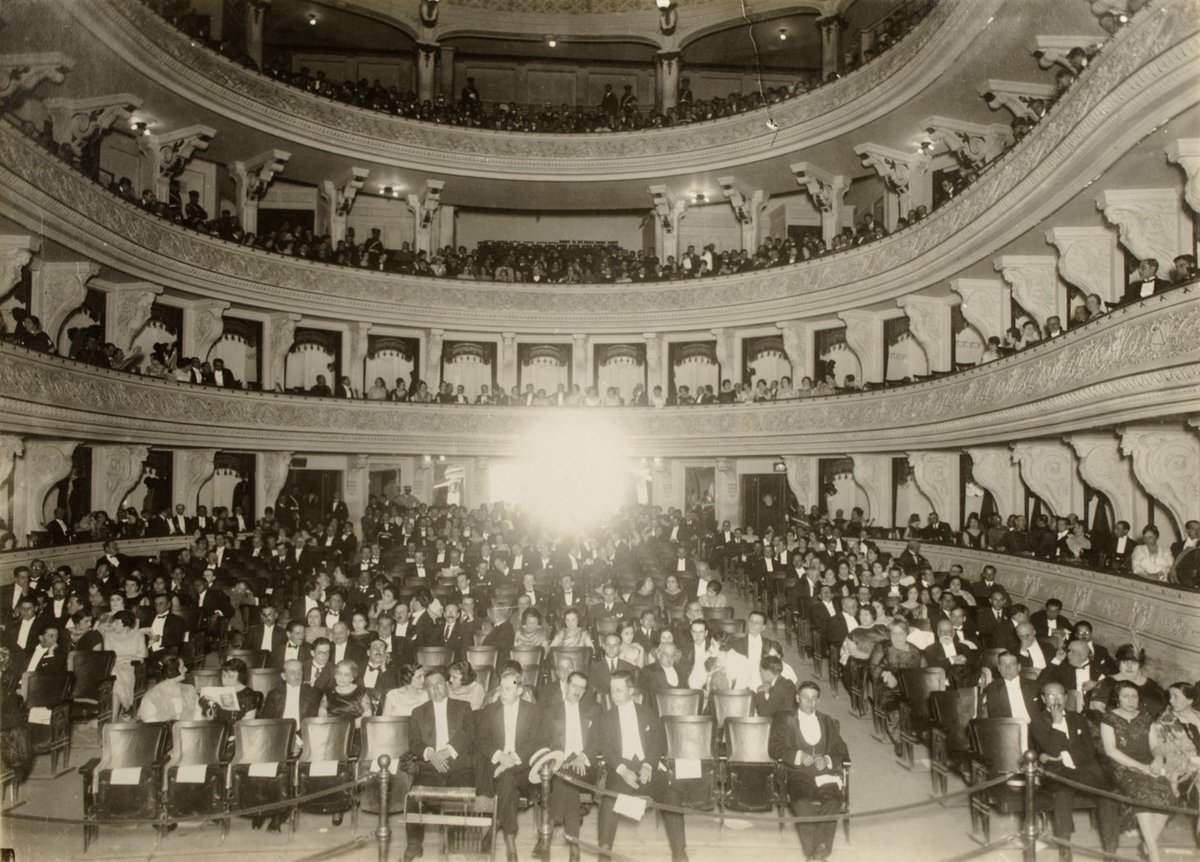
Established in 1920, the Teatro Municipal de Lima was conceived to fulfill Lima’s growing demand for a world-class venue capable of hosting major operas, ballets, and dramatic performances. The theater was designed by Italian architect Giuseppe P. Garibaldi, drawing inspiration from neoclassical and Italian Renaissance styles. Its grand façade, adorned with ornate columns and decorative sculptures, quickly became a symbol of Lima’s cultural ambition and cosmopolitan spirit (Viajando a Lima).
Over the decades, the theater has undergone several renovations, including major updates in the 1930s and 1970s, and a comprehensive restoration following a devastating fire in 1998. The building reopened in 2010, blending historical accuracy with modern amenities. Throughout its history, the Teatro Municipal has been a resilient institution, adapting to changing artistic trends and continuing to nurture both local and international talent (Mexico Historico).
Social Impact
Originally known as Teatro Forero, the venue was renamed and opened to the public in 1929, democratizing access to the arts. The theater’s programming reflects a commitment to excellence and diversity, from classical opera and ballet to experimental theater, and it has played a significant role in Lima’s social and cultural development (portalpuentepiedra.com).
Architectural Highlights
The Teatro Municipal de Lima boasts a remarkable blend of neoclassical and baroque elements. Its symmetrical exterior features grand columns, ornate balconies, and busts of Wagner, Beethoven, and Liszt—emphasizing its dedication to musical excellence (peruenvideos.com). The main hall accommodates over 1,100 spectators and is adorned with gilded details, intricate plasterwork, and a hand-painted stage curtain.
Inside, visitors encounter a sophisticated ambiance with marble floors, gold-plated ornamentation, and elegant chandeliers. The restoration completed in 2010 preserved the theater’s historic charm while integrating modern lighting, sound, and safety systems (Viajando a Lima).
Visiting Hours & Ticketing
Visiting Hours
- Guided Tours Tuesday to Sunday, 9:00 a.m. – 1:00 p.m. and 2:00 p.m. – 4:00 p.m. (no tours on Mondays).
- Performances Event times vary; check the official website or ticketing platforms for schedules.
Tickets
- Paid Events Tickets for operas, ballets, concerts, and plays are available online via Teleticket and at the box office. Pricing varies by event, seating, and promotions. Discounts are often available for students, seniors, and groups (Teleticket).
- Free Events Regular free programming includes music recitals, theater, and guided tours. Pre-registration is required through ticketslima.pe. Each person may reserve up to two tickets per event.
Guided Tours & Accessibility
- Guided Tours No prior reservation is needed; on-site registration is available during guided tour hours. Tours last about 45 minutes and showcase the theater’s architectural and historical highlights (America TV).
- Accessibility The theater is fully accessible, with ramps, elevators, and reserved seating for patrons with disabilities. Staff are trained to assist and ensure an inclusive experience (LimaEasy).
Special Events & Programming
The Teatro Municipal offers a diverse cultural calendar, including:
- Classical Operas & Ballets Productions like “Aida,” “Don Giovanni,” “La Traviata,” and “El Corsario.”
- Contemporary Performances Drama, symphonic concerts, and modern dance.
- Community Initiatives Programs such as the Living Community Culture Programme, promoting social inclusion and intercultural dialogue (obs.agenda21culture.net).
Travel Tips & Nearby Attractions
Location: Jirón Ica 377, Lima 15001, Peru, in the historic center.
Nearby Attractions:
- Plaza Mayor (Plaza de Armas) Lima’s historic main square.
- Cathedral of Lima & Government Palace Iconic colonial sites.
- Museo de la Inquisición Explore Lima’s inquisitorial history.
- Jirón de la Unión Bustling pedestrian street with shops and cafés.
Amenities:
- Clean restrooms, cloakroom, concessions (during select events), and accessible facilities on all floors.
Travel Advice:
- Best visiting times are weekday mornings or late afternoons.
- The theater is easily reached by public transport, taxi, or on foot from the city center.
- During Lima’s winter (May–November), the theater offers a warm refuge from the city’s cool, damp climate (In Lovely Blue).
Frequently Asked Questions (FAQ)
Q: How can I buy tickets for Teatro Municipal de Lima?
A: Tickets are available online via Teleticket or at the theater’s box office.
Q: What are the visiting hours for guided tours?
A: Tuesday to Sunday, 9:00 a.m. – 1:00 p.m. and 2:00 p.m. – 4:00 p.m.
Q: Are free events available?
A: Yes, but advance registration is required through ticketslima.pe.
Q: Is the theater accessible?
A: Yes, it is equipped with ramps, elevators, and assistance for visitors with disabilities.
Q: Is there a dress code?
A: Smart casual is recommended; formal attire is appropriate for gala events.
Summary and Practical Takeaways
The Teatro Municipal de Lima is more than an architectural marvel—it is a living symbol of Peru’s cultural resilience and artistic ambition. With its storied history, exquisite neoclassical design, and commitment to accessibility and community engagement, the theater offers an unforgettable experience for all visitors. Whether attending a world-class performance, joining a guided tour, or exploring nearby historic sites, proper planning—regarding tickets, visiting hours, and local weather—will ensure a memorable visit (Viajando a Lima, Mexico Historico, America TV, Teleticket).
Stay updated with the latest events and ticket sales by downloading the Audiala app, and follow official channels for news and special offers. Don’t miss the chance to immerse yourself in Lima’s vibrant arts scene at this historic venue.