
Origins and Architectural Heritage
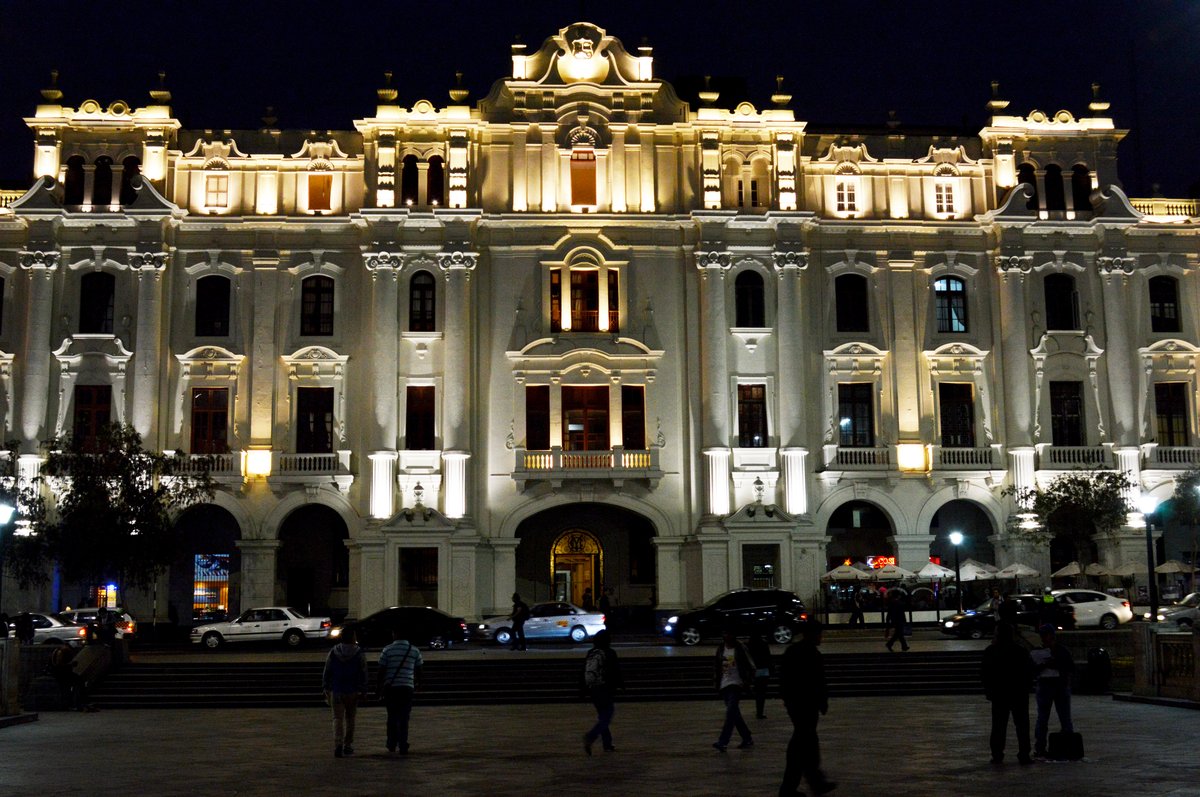
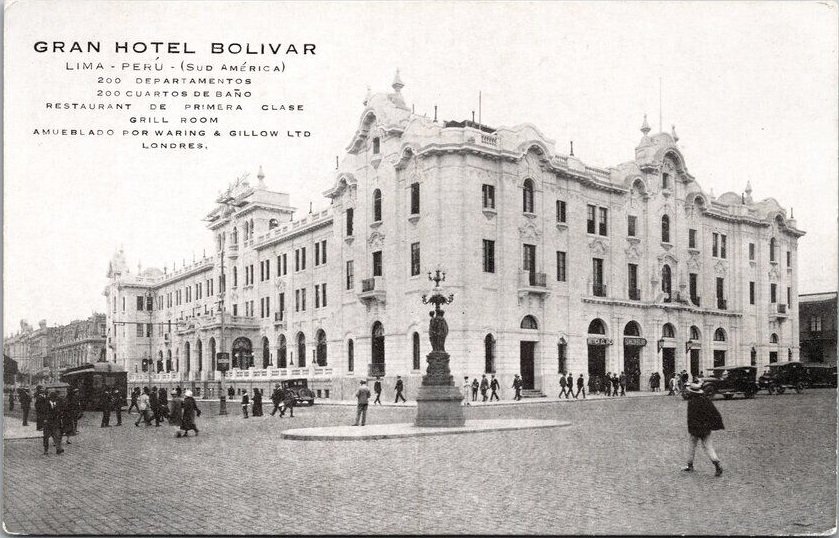
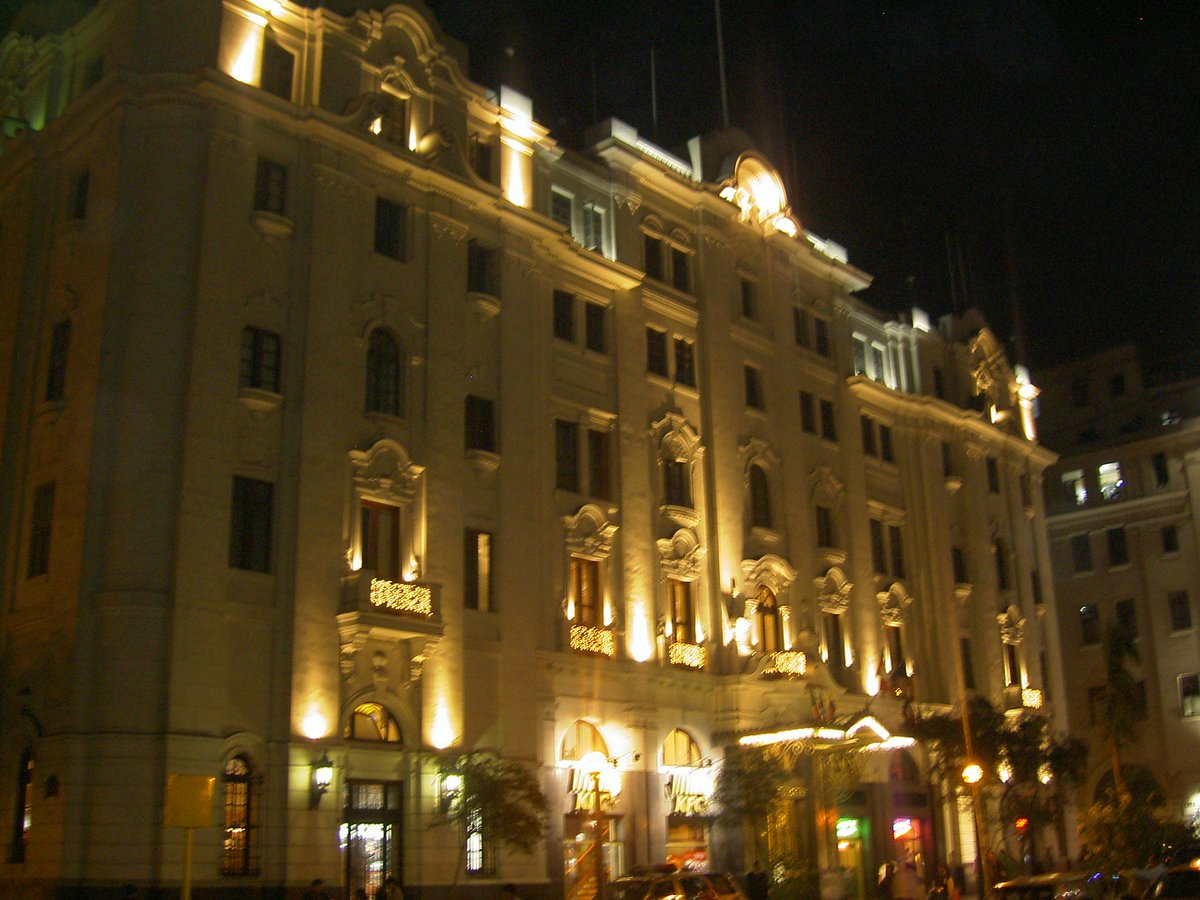
The Gran Hotel Bolívar was conceived as a symbol of Peru’s progress and cosmopolitan ambitions during the early 20th century. Its construction, completed in just six months by over 600 workers, coincided with the centennial celebrations of Peruvian independence and the inauguration of Plaza San Martín in 1921 (Gran Hotel Bolívar Official Site). Designed by Rafael Marquina, the hotel’s façade and interiors blend Spanish colonial, neoclassical, and Art Deco influences, featuring crystal chandeliers, stained-glass domes, and period furnishings from the prestigious Waring & Gillow of London (Veronika’s Adventure).
Role in Lima’s Urban and Social Development
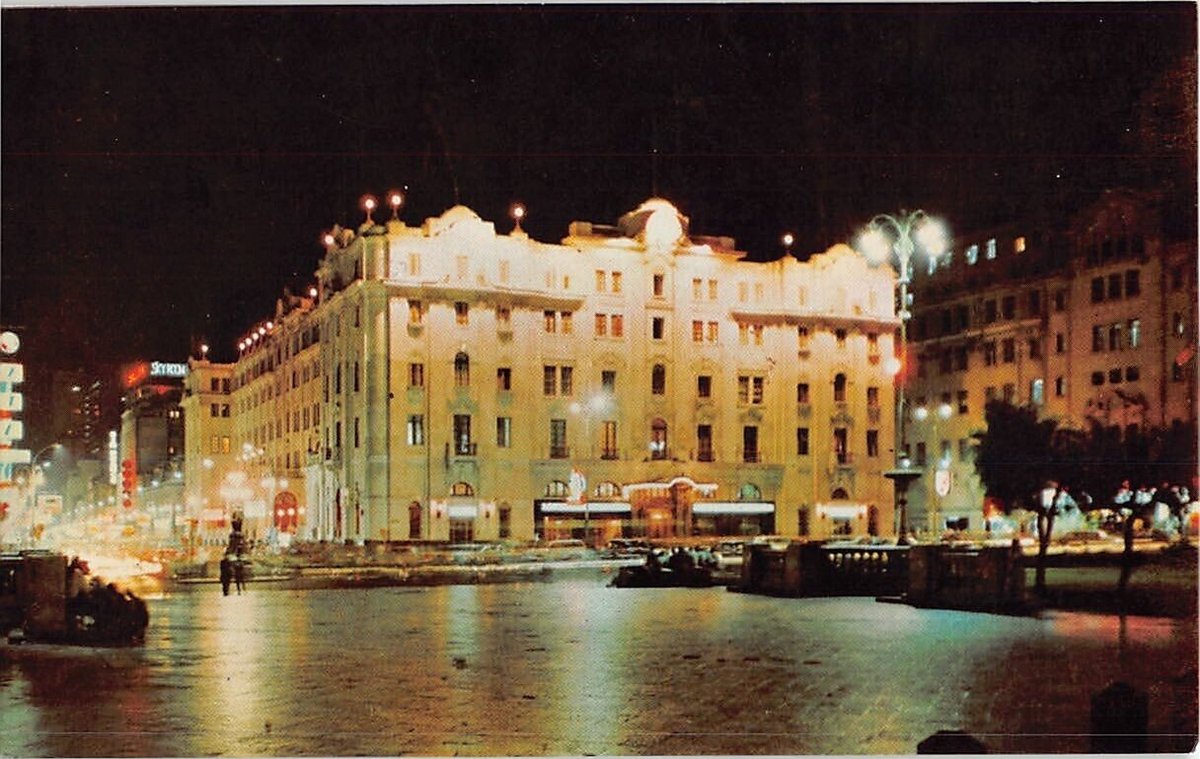
Strategically situated on Plaza San Martín, the Gran Hotel Bolívar played a key role in Lima’s urban renewal and emergence as a modern capital. Its proximity to theaters, cinemas, and government buildings positioned it at the heart of the city’s civic and cultural life, introducing international standards of hospitality and becoming the preferred venue for official receptions, banquets, and major social gatherings (Lima Una Historia).
Cultural Significance and Famous Guests
Throughout the 20th century, the Gran Hotel Bolívar was synonymous with glamour, hosting dignitaries, politicians, and international celebrities including Ernest Hemingway, Orson Welles, Ava Gardner, John Wayne, and Mick Jagger (Amy’s Crypt). Its legendary bar is credited with popularizing the Pisco Sour, now a staple of Peruvian culture (Veronika’s Adventure).
Architectural Highlights
Exterior and Facade
The hotel’s imposing neoclassical facade dominates Plaza San Martín, featuring arched windows, decorative pilasters, and intricate ironwork. The central entrance, framed by grand columns and a pediment, creates an impressive sense of arrival (Random Times).
Lobby and Public Spaces
Inside, the grand lobby is crowned by a stained-glass dome and adorned with marble floors, sweeping staircases, and period furnishings. The opulent decor transports visitors to the 1920s, while the layout encourages exploration through curved corridors and elegant common areas.
Guest Rooms and Upper Floors
Guest rooms retain original architectural detailing, including high ceilings and decorative moldings. The fifth and sixth floors—closed for years—are shrouded in mystery, with stories of hauntings and paranormal activity contributing to the hotel’s allure (Random Times; Amy’s Crypt).
The Bar
The historic bar is famous for its vintage decor and signature Pisco Sour. Its dark wood paneling, art deco lighting, and storied guest list make it a centerpiece of Lima’s nightlife and a favorite among visitors and locals alike.
Visiting Hours, Tickets, and Accessibility
- Visiting Hours Public areas (lobby, bar, restaurant) are open daily from 8:00 AM to 11:00 PM. The hotel operates 24/7 for guests (Gran Hotel Bolívar Official Site).
- Tickets No entrance fee is required for public spaces. Guided tours, when available, may require advance booking and a small fee.
- Accessibility Wheelchair access is provided in main public areas. Some upper floors are inaccessible; contact the hotel for specific needs.
Guided Tours and Special Events
Guided tours—often scheduled around cultural events—provide insights into the hotel’s history, architecture, and famous guests. The hotel also hosts art exhibitions, music, and cultural celebrations. Check the official website or local tourism boards for the latest updates.
Nearby Attractions
- Plaza San Martín The hotel’s immediate neighbor, a monumental square surrounded by neocolonial architecture.
- Plaza Mayor Lima’s main square, home to the Government Palace and Cathedral.
- Casa Aliaga One of the oldest colonial mansions in the Americas.
- Teatro Colón and National Library Cultural venues within walking distance.
Travel Tips and Photographic Spots
- Best Time to Visit Mornings and late afternoons for pleasant weather and great lighting.
- Photography The stained-glass dome, lobby, and facade during golden hour are highly recommended.
- Getting There Centrally located, accessible by public transport, taxi, or rideshare.
- Dining Enjoy a Pisco Sour at the hotel bar or explore nearby restaurants.
Preservation, Decline, and National Monument Status
After its golden age, the Gran Hotel Bolívar suffered from the rise of international hotel chains and financial mismanagement, resulting in partial closures and faded glory. Nevertheless, it was declared a national monument in 1972, ensuring the preservation of its architectural and historic value (Atlas Obscura).
Legends and Ghost Stories
The hotel’s closed upper floors are a source of haunted legends, with reports of unexplained phenomena and ghost sightings attracting curious travelers (Amy’s Crypt; Random Times). These stories contribute to the hotel’s mystique and cultural legacy.
The Hotel as a Living Museum
More than a place to stay, the Gran Hotel Bolívar acts as a living museum—hosting cultural events, exhibitions, and social gatherings that keep Lima’s golden era alive. Its preserved interiors and period furnishings offer an authentic window into the city’s past (Gran Hotel Bolívar Official Site).
FAQ
Q: What are the hotel’s visiting hours?
A: Public areas are open daily from 8:00 AM to 11:00 PM.
Q: Is there an entrance fee?
A: No, public spaces are free to access; guided tours may charge a fee.
Q: Is the hotel accessible for people with disabilities?
A: Main areas are accessible; inquire directly for specific needs.
Q: Can non-guests visit the bar or restaurant?
A: Yes, both are open to visitors.
Q: Are guided tours available?
A: Occasionally, by appointment; check the official site for details.
Q: What are the nearby attractions?
A: Plaza San Martín, Plaza Mayor, Casa Aliaga, and more.